Q1: What is Titanium Wire commonly used for?
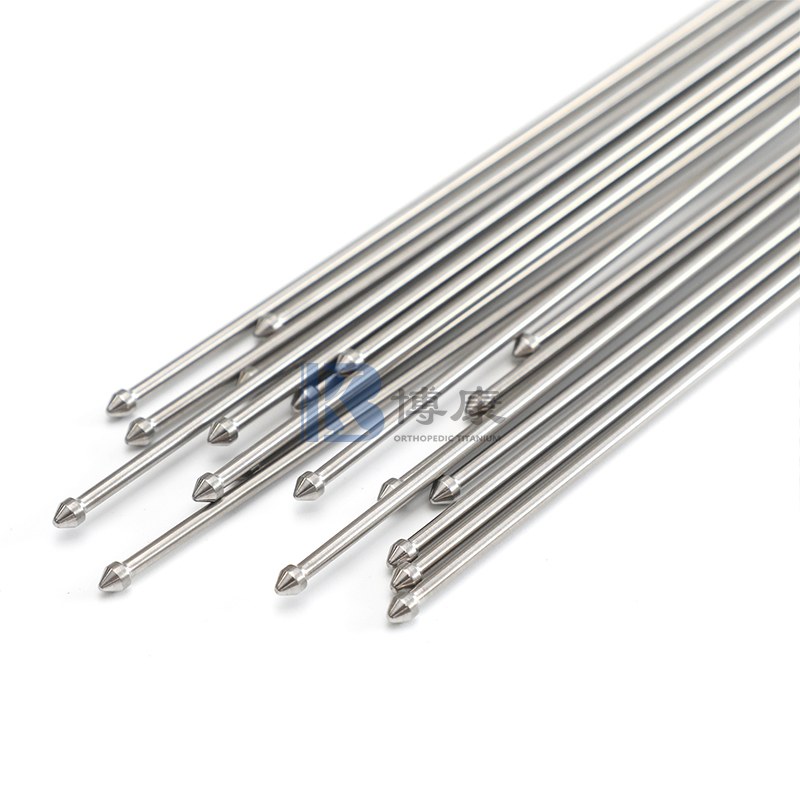
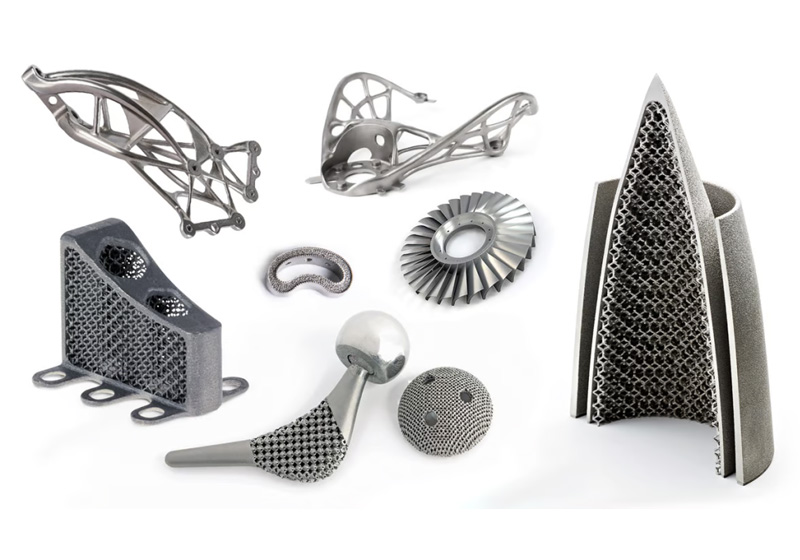
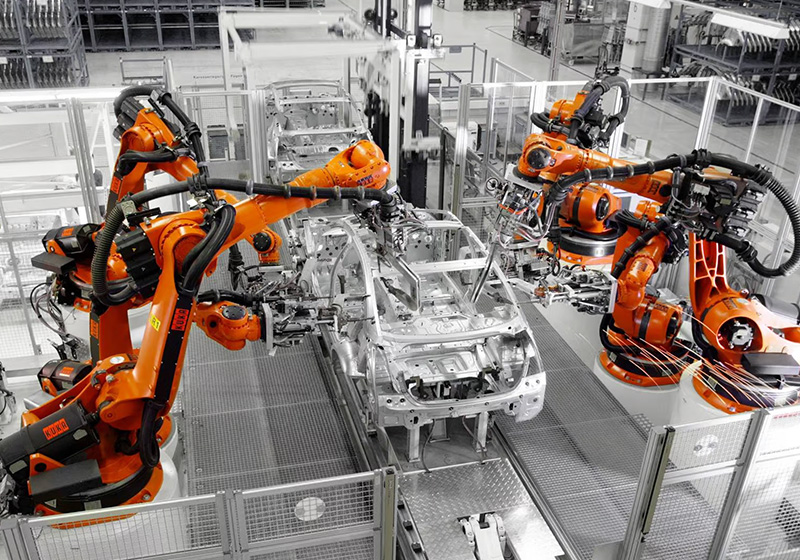
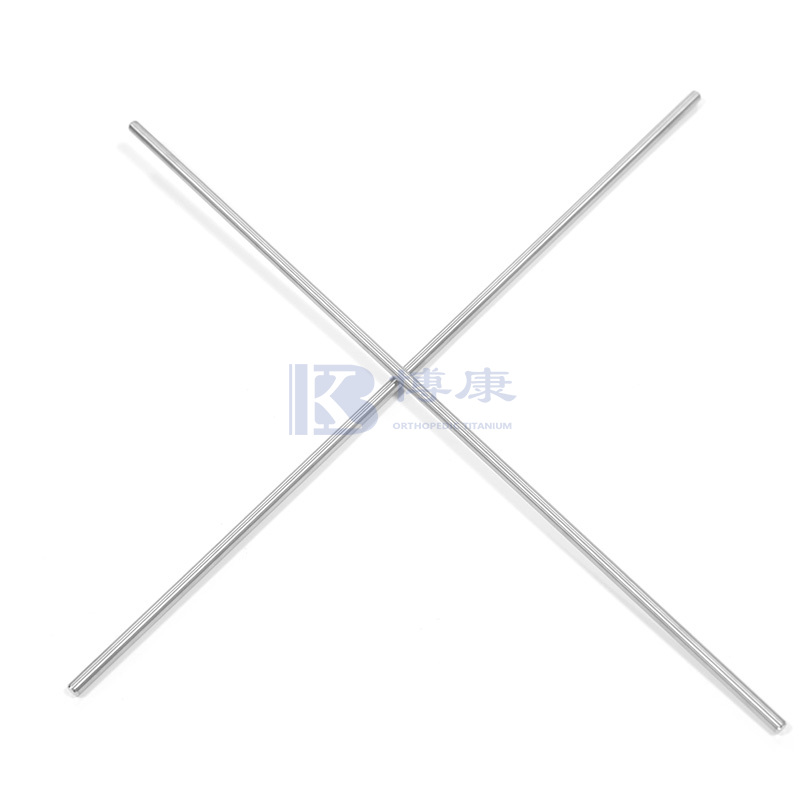
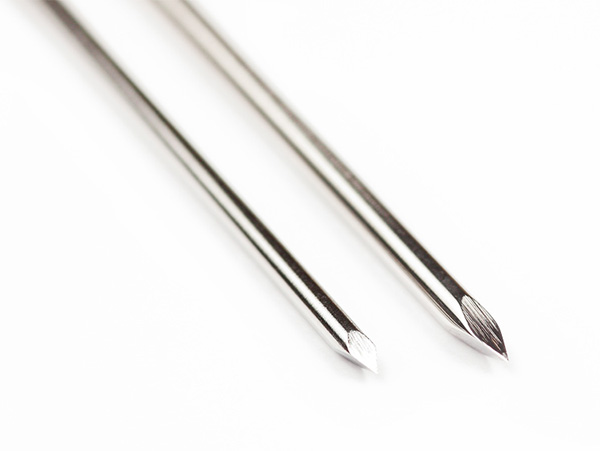
A: Titanium wire is widely used in medical devices, aerospace components, chemical processing equipment, industrial fasteners, and welding applications. Its combination of high strength, low density, and excellent corrosion resistance makes it suitable for demanding environments where reliability and durability are required.
Q2: What grades of Titanium Wire are most commonly available?
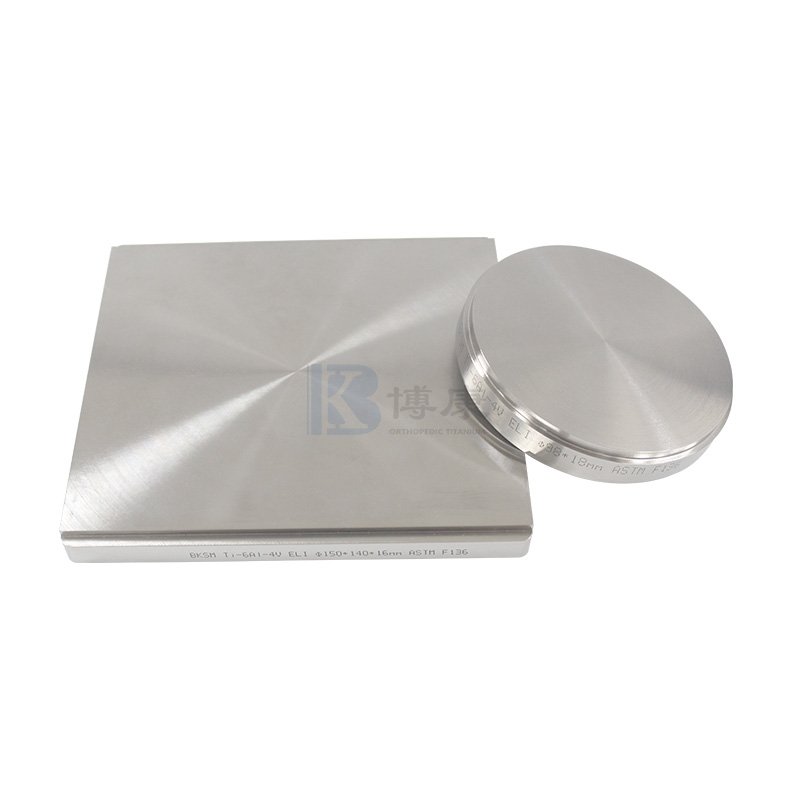
A: The most common grades include commercially pure titanium (such as ASTM F67) and titanium alloys like Ti-6Al-4V (ASTM F136). Commercially pure grades are preferred for applications requiring high corrosion resistance and biocompatibility, while alloyed grades are selected when higher mechanical strength is needed.
Q3: How does Titanium Wire compare to stainless steel wire?
A: Compared with stainless steel wire, titanium wire offers a higher strength-to-weight ratio and superior corrosion resistance, particularly in chloride or marine environments. However, titanium wire generally has a higher material cost and requires more controlled processing during forming and welding.
Q4: Is Titanium Wire suitable for medical applications?
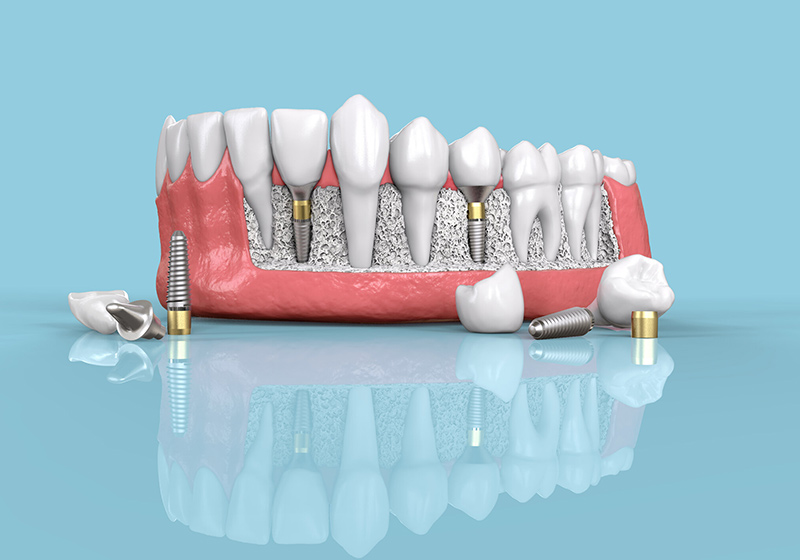
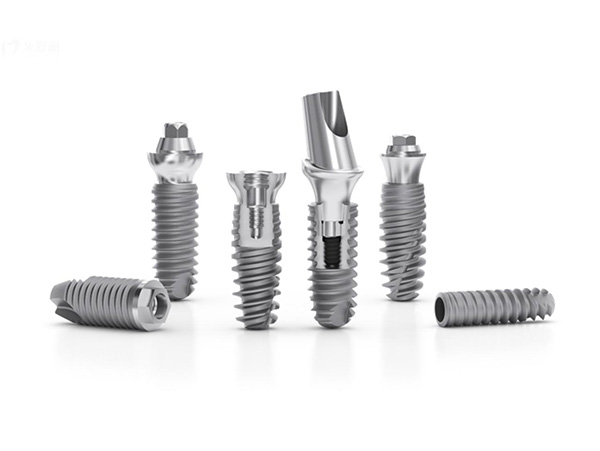
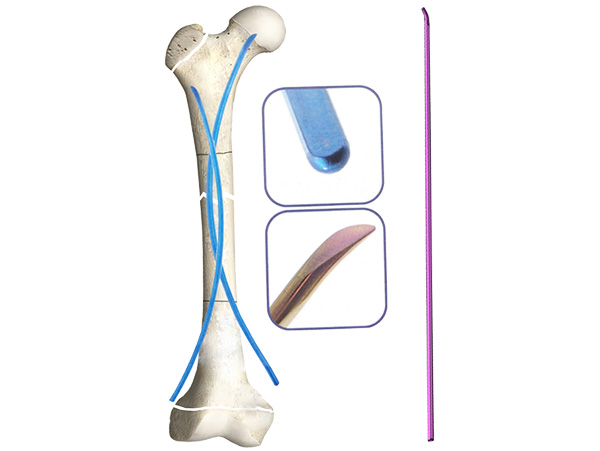
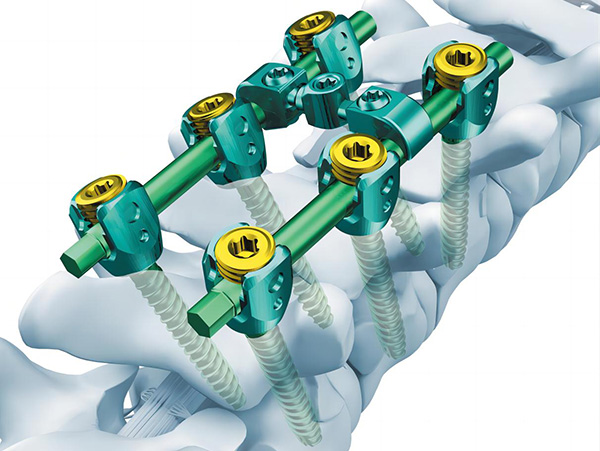
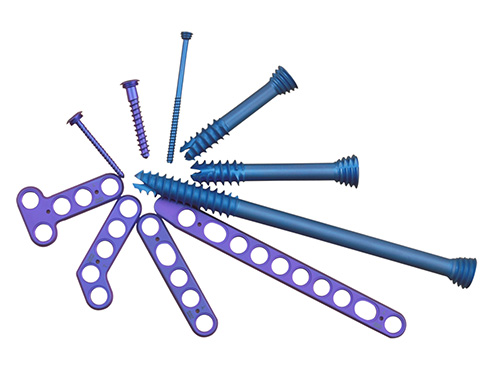
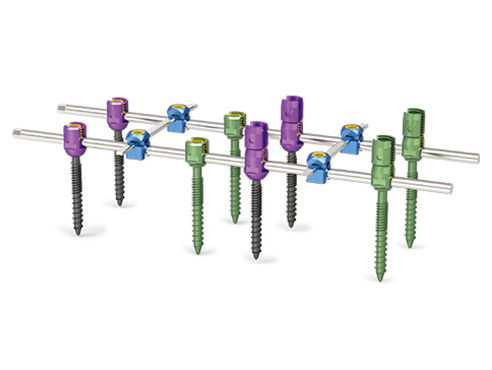
A: Yes. Titanium wire manufactured to ASTM F136 or ASTM F67 standards is commonly used in medical and surgical applications due to its excellent biocompatibility, non-magnetic properties, and resistance to body fluids. It is often applied in implants, orthopedic devices, and medical fastening components.
Q5: What diameter ranges are typically available for Titanium Wire?
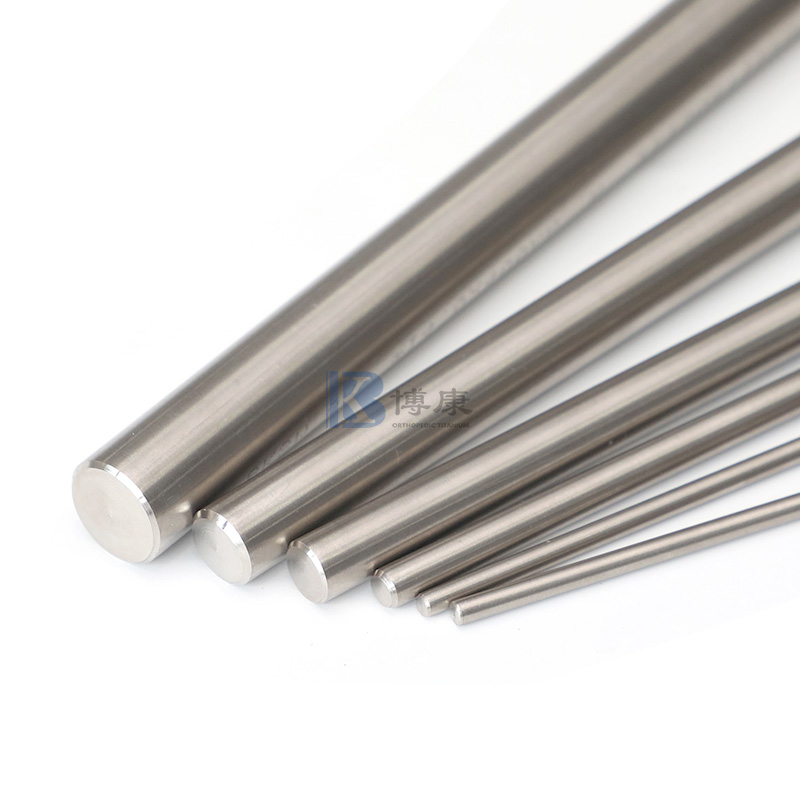
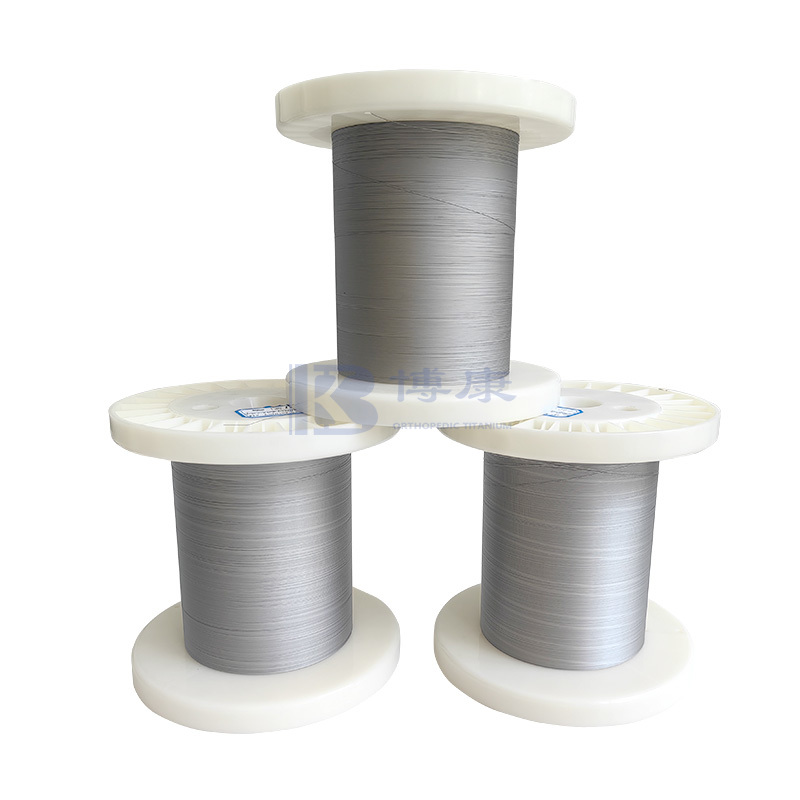
A: Titanium wire is commonly available in diameters ranging from approximately 1.0 mm to 7.0 mm, with additional custom diameters available upon request. The suitable diameter depends on mechanical load requirements, forming processes, and end-use applications.
Q6: Can Titanium Wire be customized for specific applications?
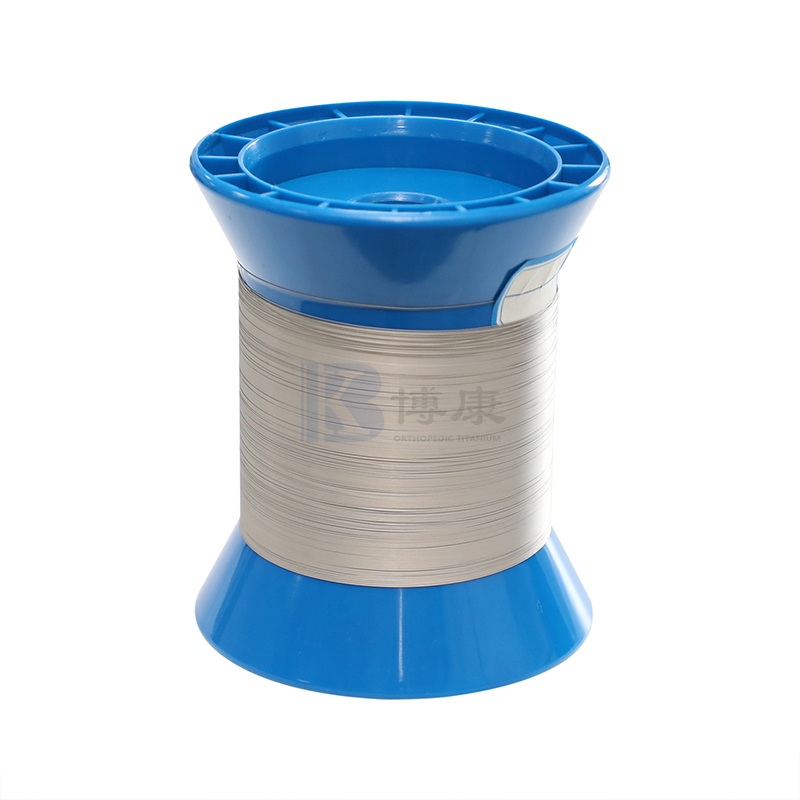
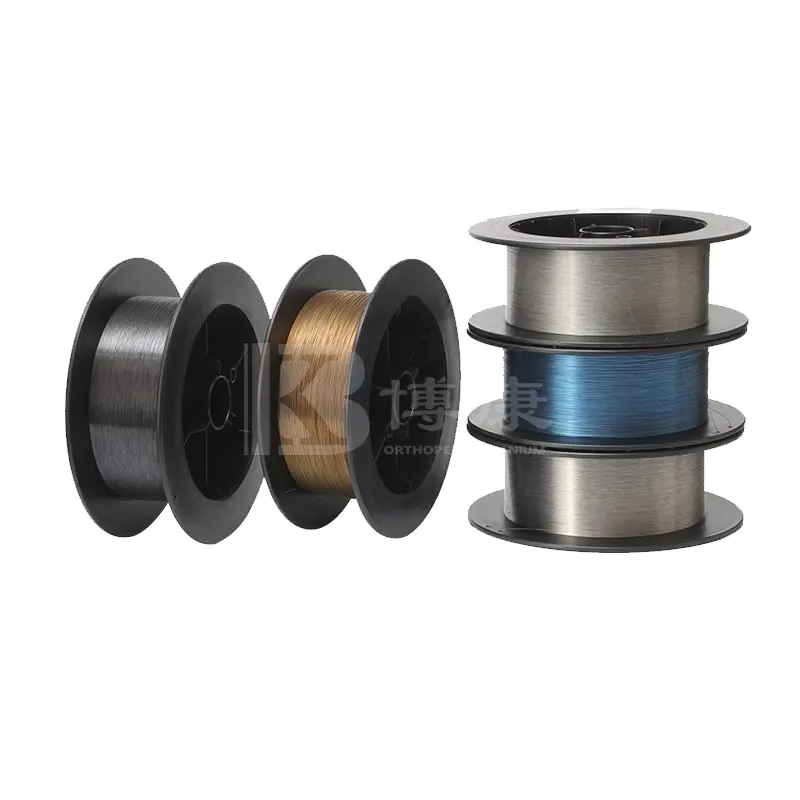
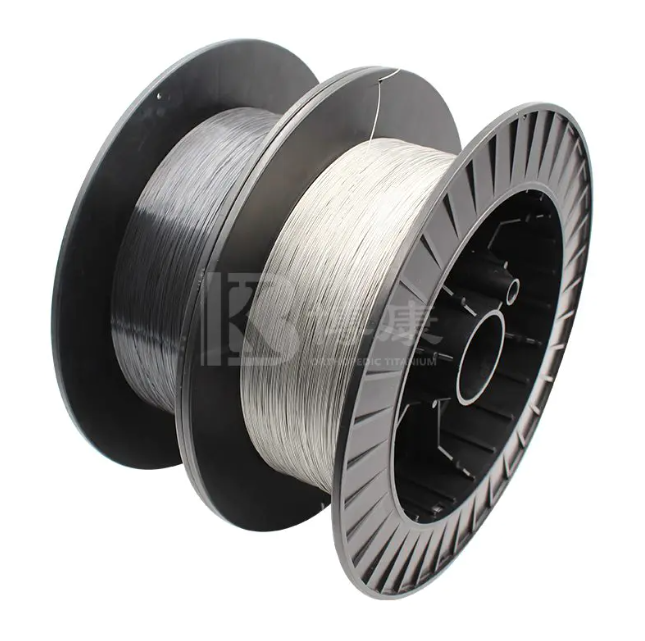
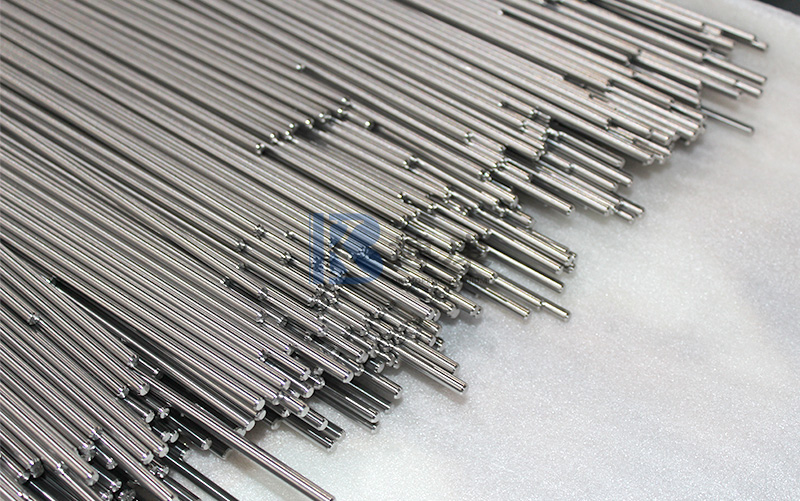
A: Yes. Titanium wire can be supplied with custom diameters, straightened or coiled forms, surface finishes, and mechanical property requirements. Customization is often used to meet specific standards, fabrication processes, or performance expectations in specialized industries.
Q7: What mechanical properties characterize Titanium Wire?
A: Key mechanical properties of titanium wire include high tensile strength, good fatigue resistance, and excellent ductility relative to its weight. These properties allow titanium wire to maintain structural integrity under cyclic loading and in environments involving thermal or chemical stress.
Q8: How does surface finish affect Titanium Wire performance?
A: Surface finish plays a significant role in fatigue life, corrosion resistance, and cleanliness, especially in medical and precision industrial applications. Polished or chemically treated surfaces can reduce surface defects and improve long-term performance.
Q9: Is Titanium Wire difficult to form or weld?
A: Titanium wire can be formed and welded, but it requires controlled processing conditions. Proper shielding during welding and appropriate tooling during forming are necessary to prevent contamination and ensure consistent mechanical properties.
Q10: What certifications are typically associated with Titanium Wire?
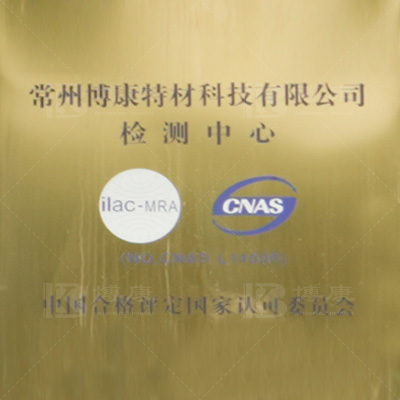
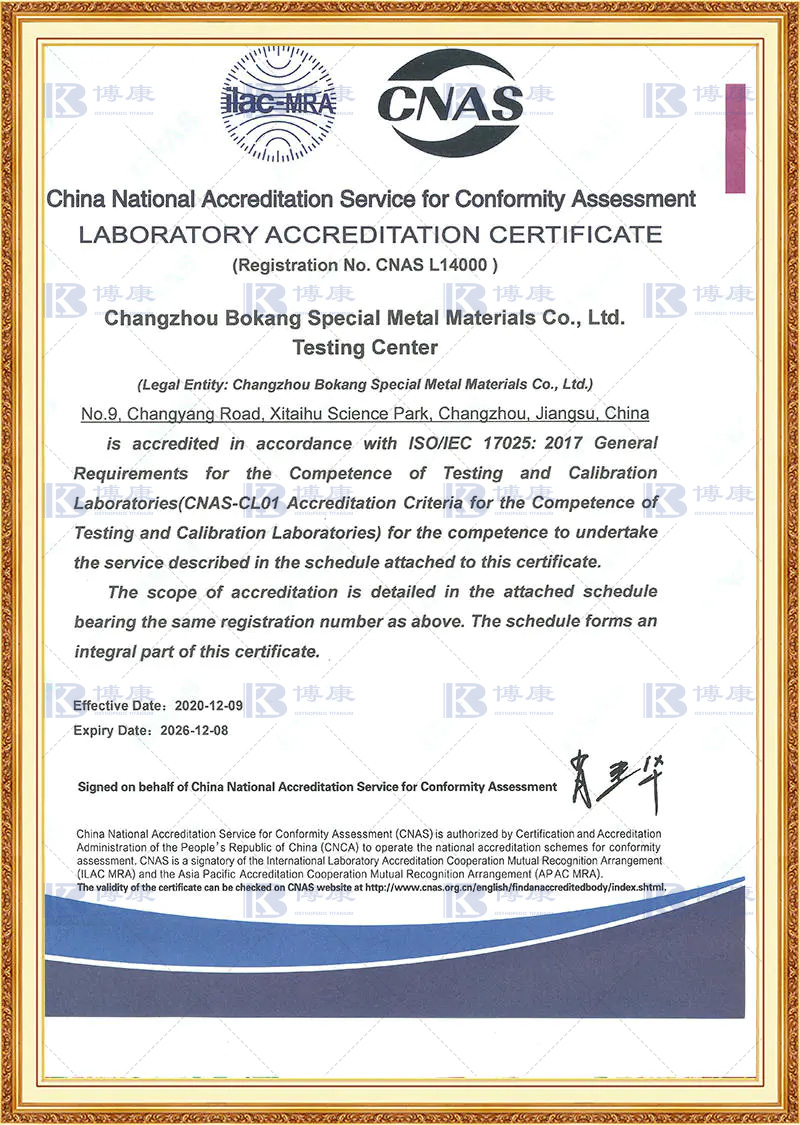
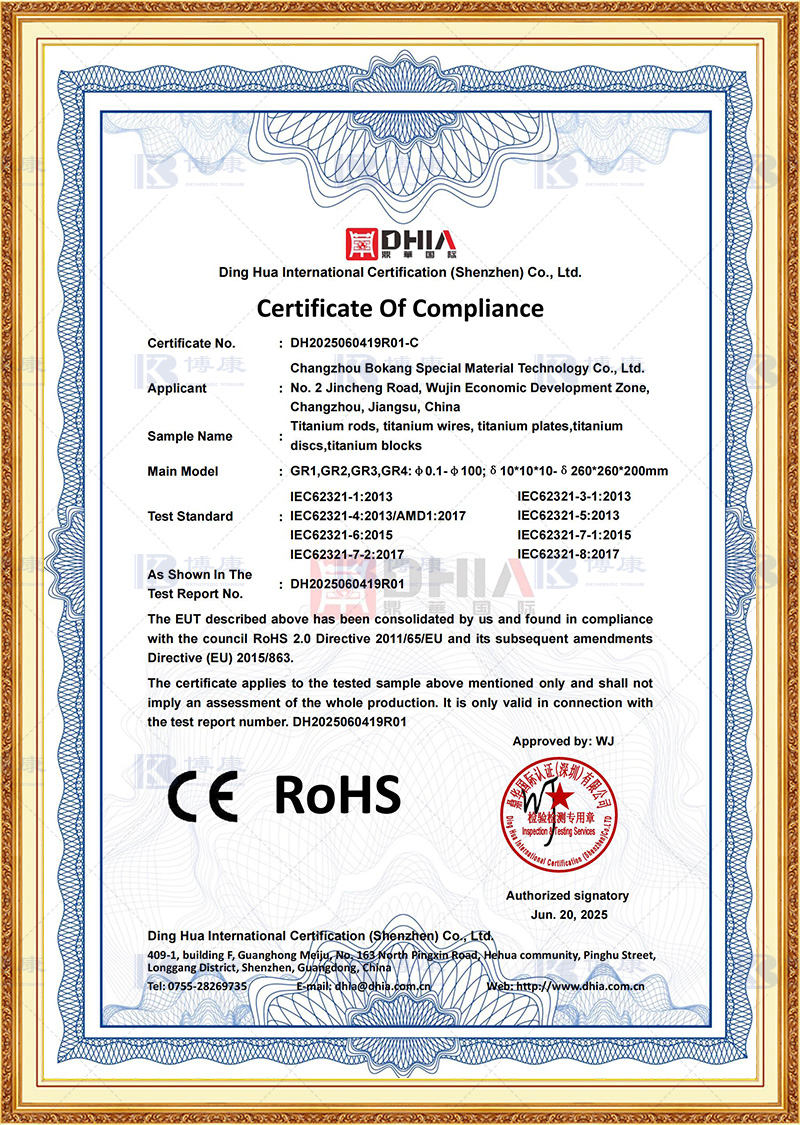
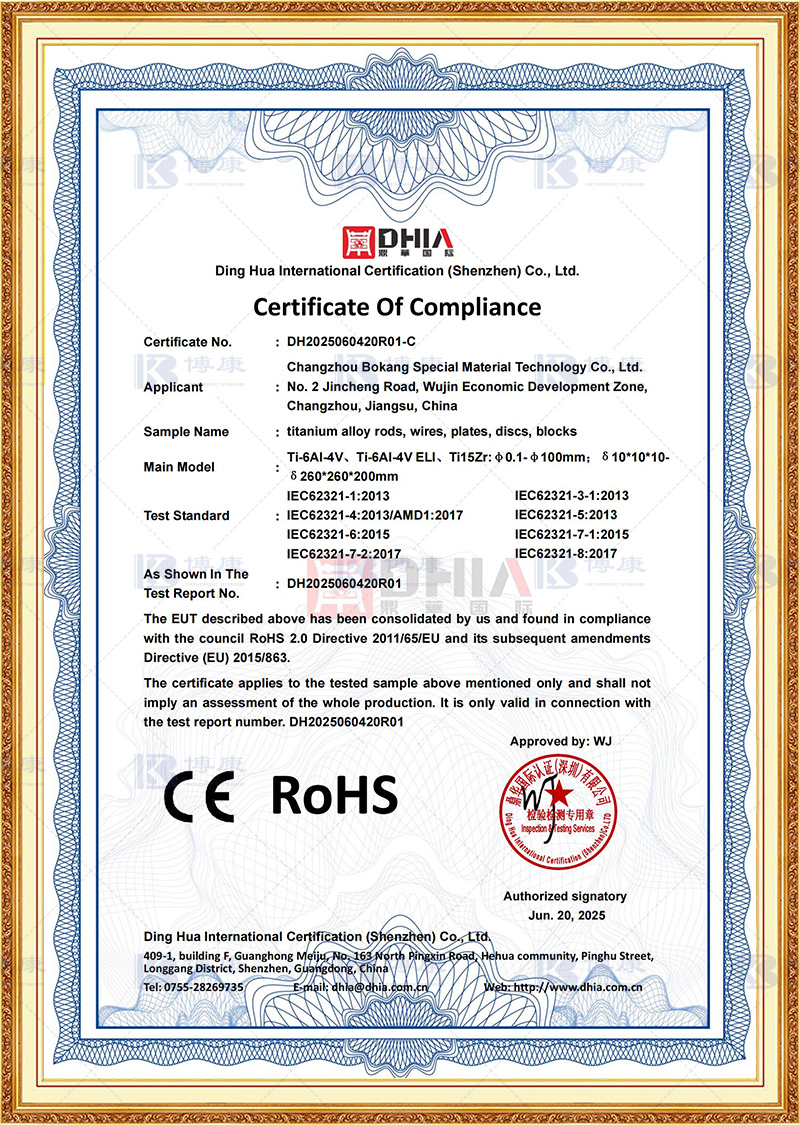
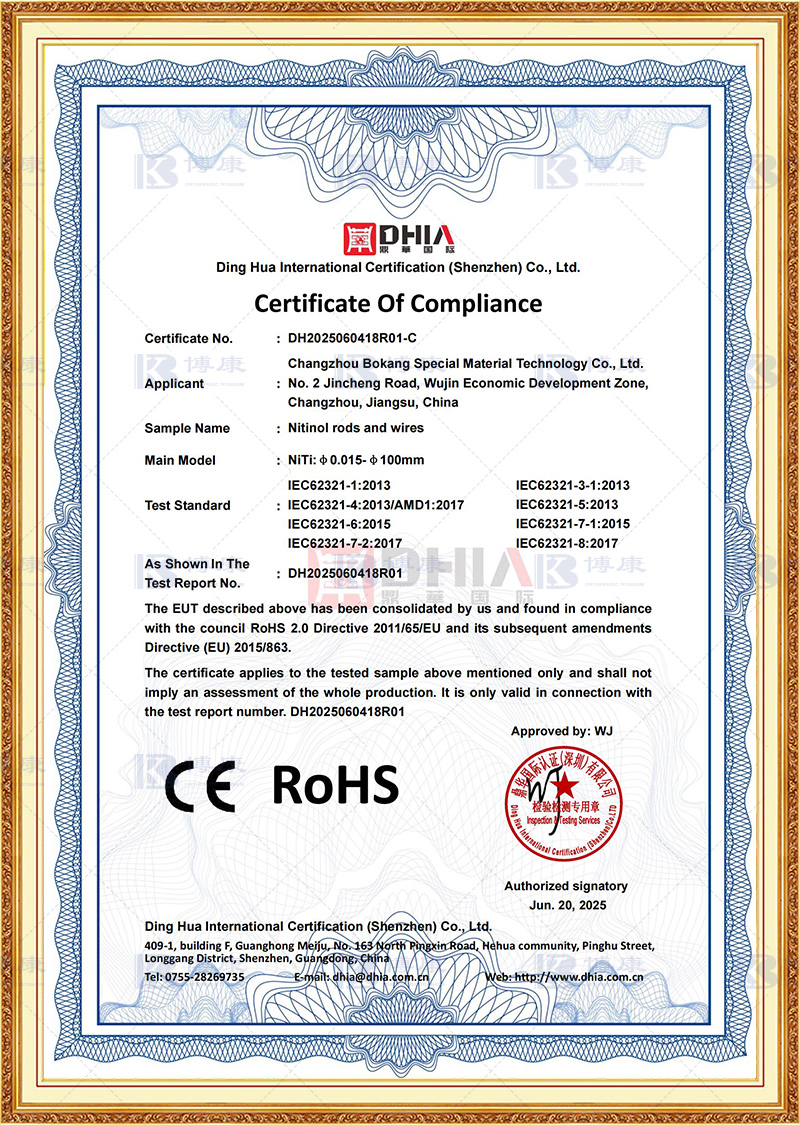
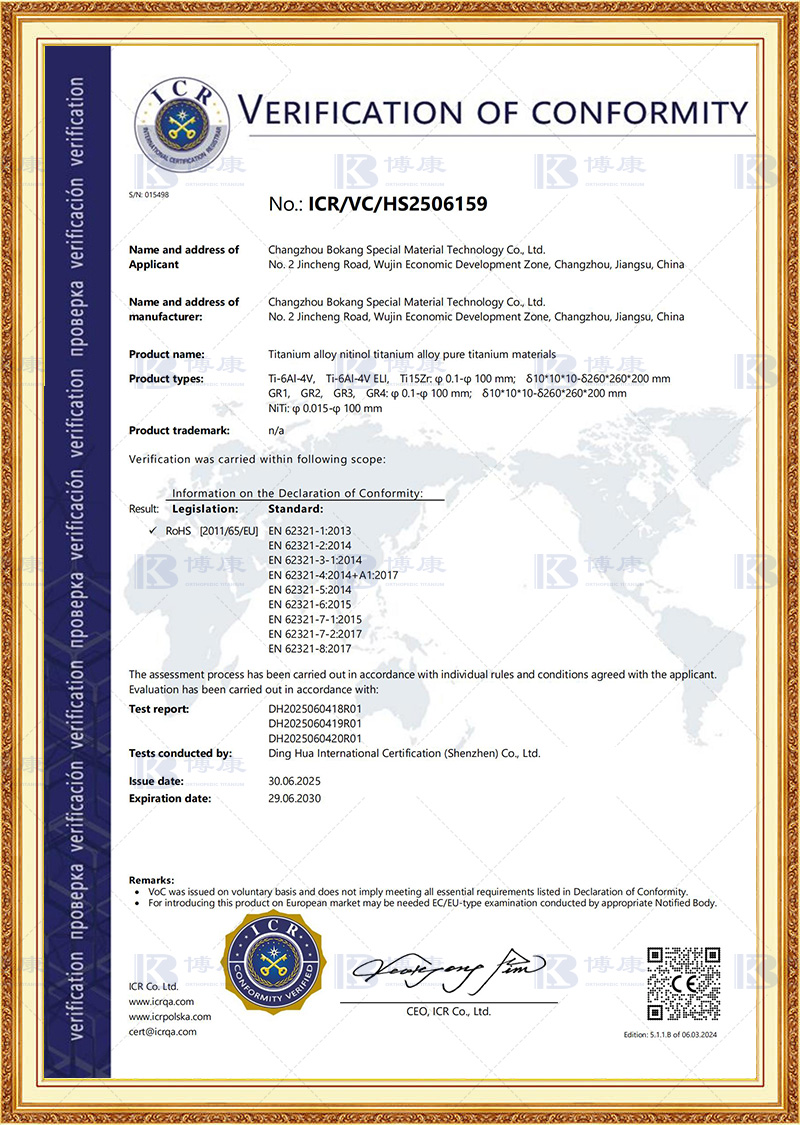
A: High-quality titanium wire is often supplied with certifications such as ISO 13485, CE, and RoHS, depending on the target industry and application. These certifications help ensure material traceability, manufacturing consistency, and compliance with international standards.
Q11: How should Titanium Wire be stored and handled?
A: Titanium wire should be stored in a clean, dry environment and handled with care to avoid surface contamination or mechanical damage. For medical or high-purity applications, additional packaging and cleanliness controls are commonly applied.
Q12: What factors should be considered when selecting Titanium Wire?
A: Key selection factors include grade, diameter, mechanical properties, surface condition, applicable standards, and end-use environment. Evaluating these factors together helps ensure that the titanium wire meets both performance and regulatory requirements.

 Send Inquiry
 EN
EN
 English
 日本語
日本語 한국어
한국어 Español
 عربى
عربى русский
 Deutsch
 中文简体
中文简体