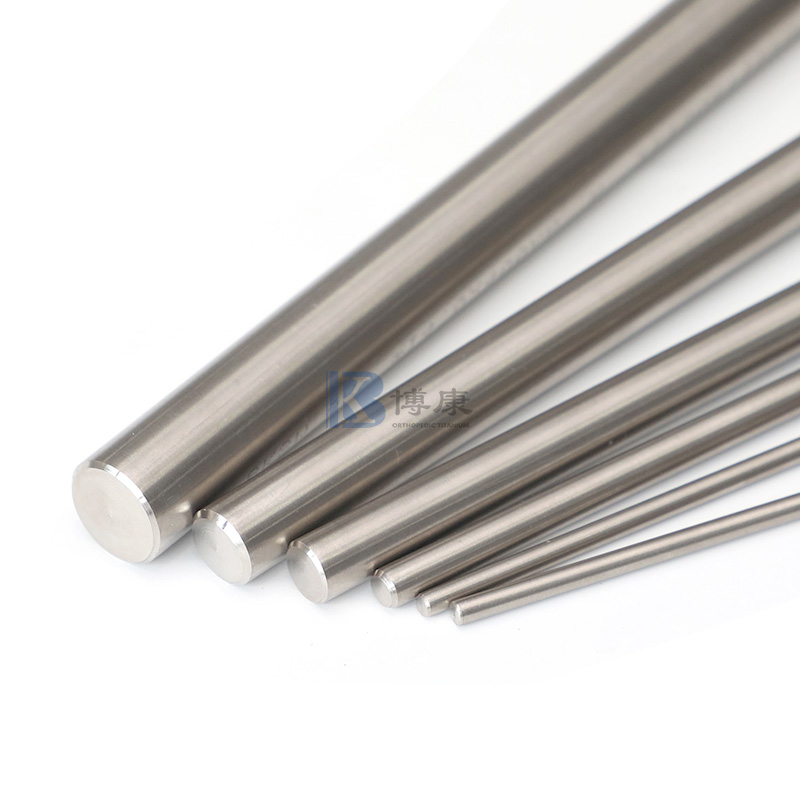
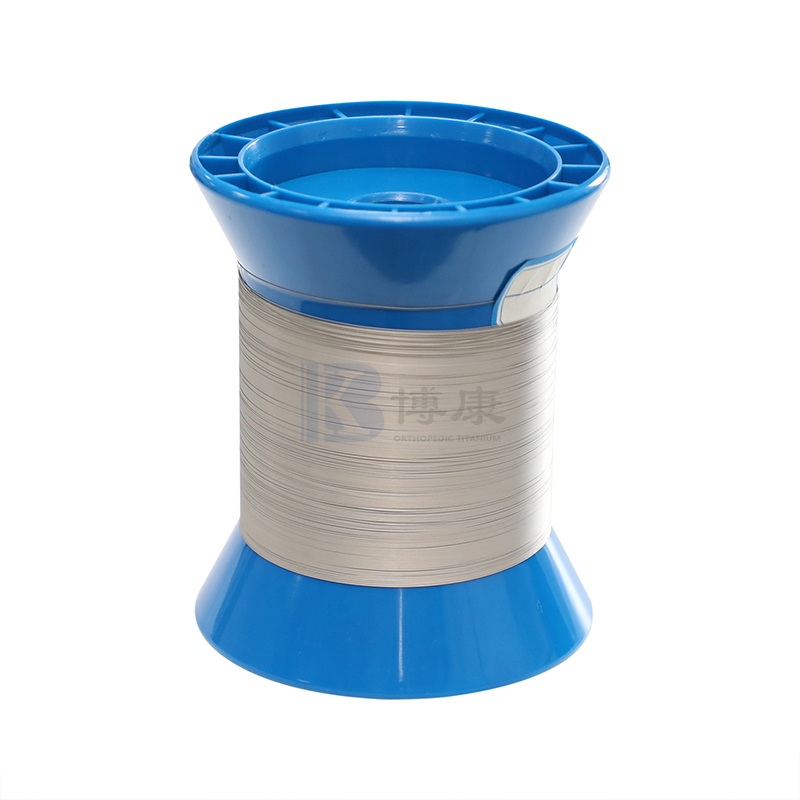
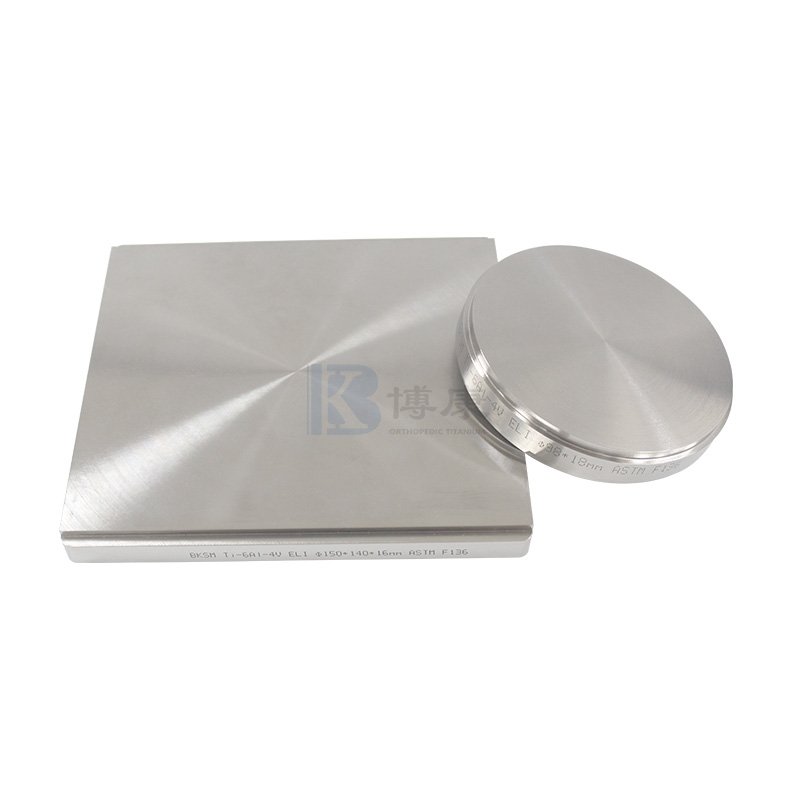
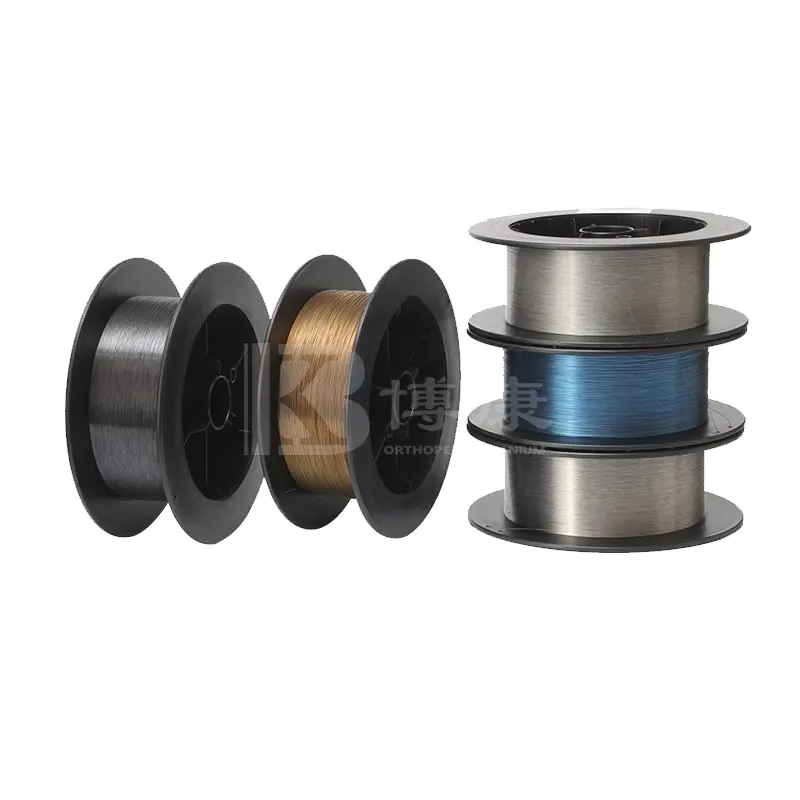
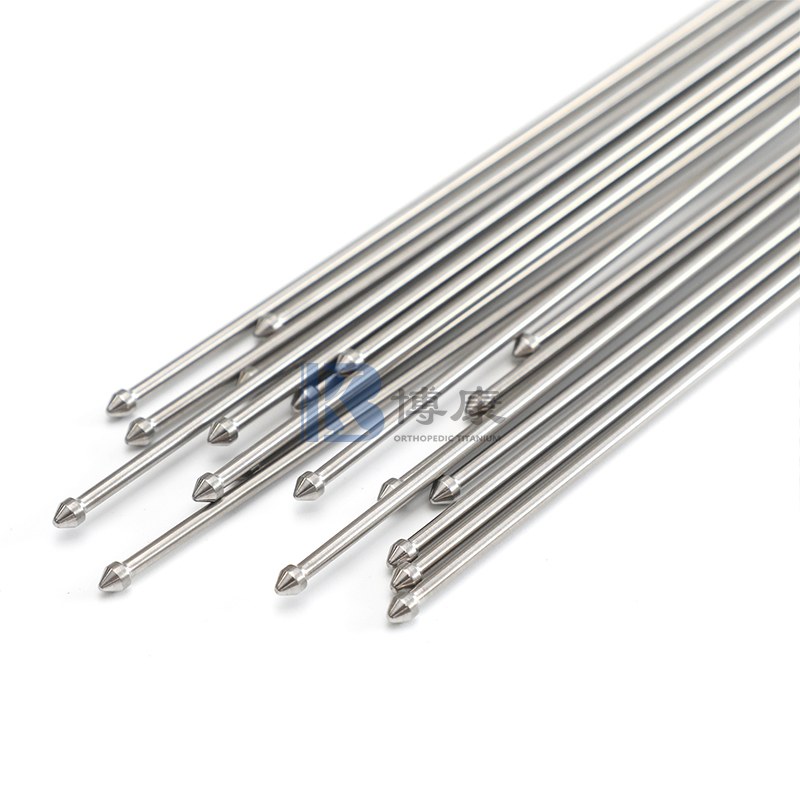
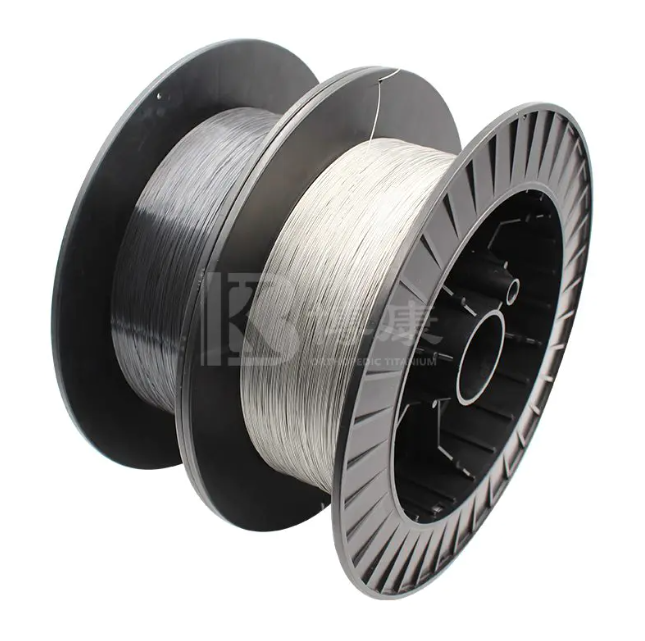
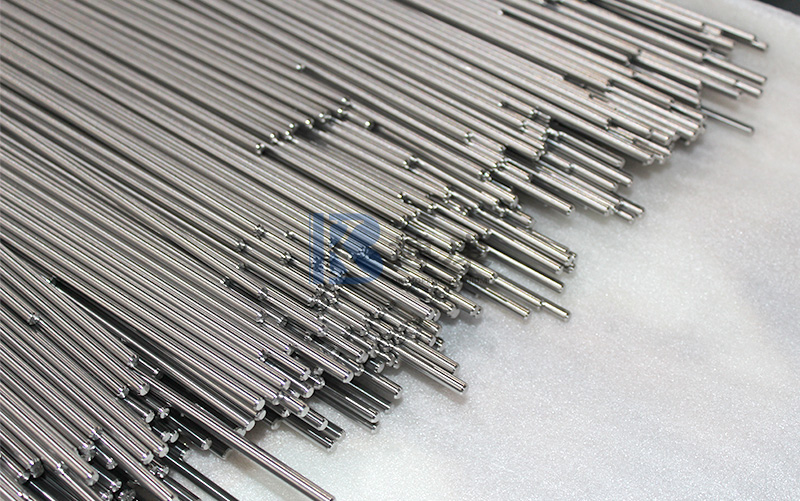
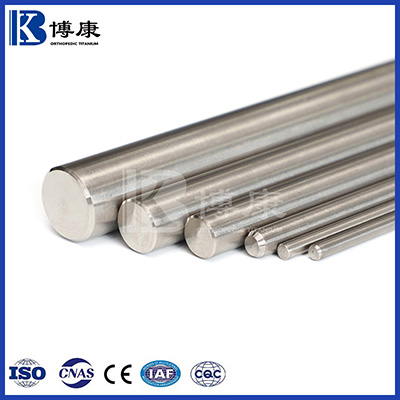
What mechanical properties characterize Titanium Straight Wire?
Understanding the mechanical profile of titanium straight wire
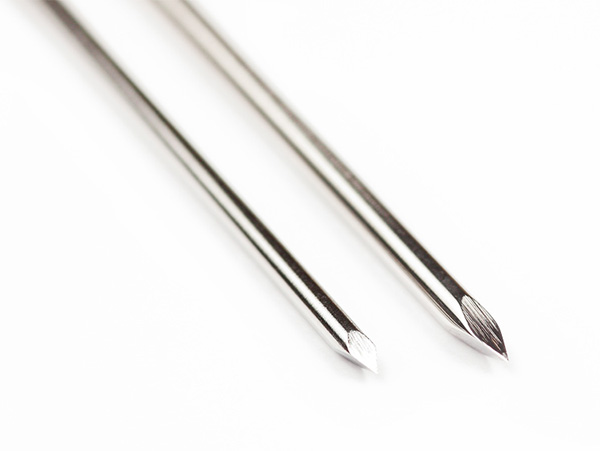
The mechanical properties of titanium straight wire are defined by a balanced combination of strength, ductility, fatigue resistance, and long term stability under demanding service conditions. These properties are not accidental results but the outcome of carefully controlled alloy selection, melting routes, wire drawing processes, straightening accuracy, and inspection systems. In both medical and industrial environments, mechanical reliability is often more critical than nominal strength alone. Components are exposed to cyclic loading, vibration, corrosive media, and complex contact stresses, all of which place strict demands on wire materials.
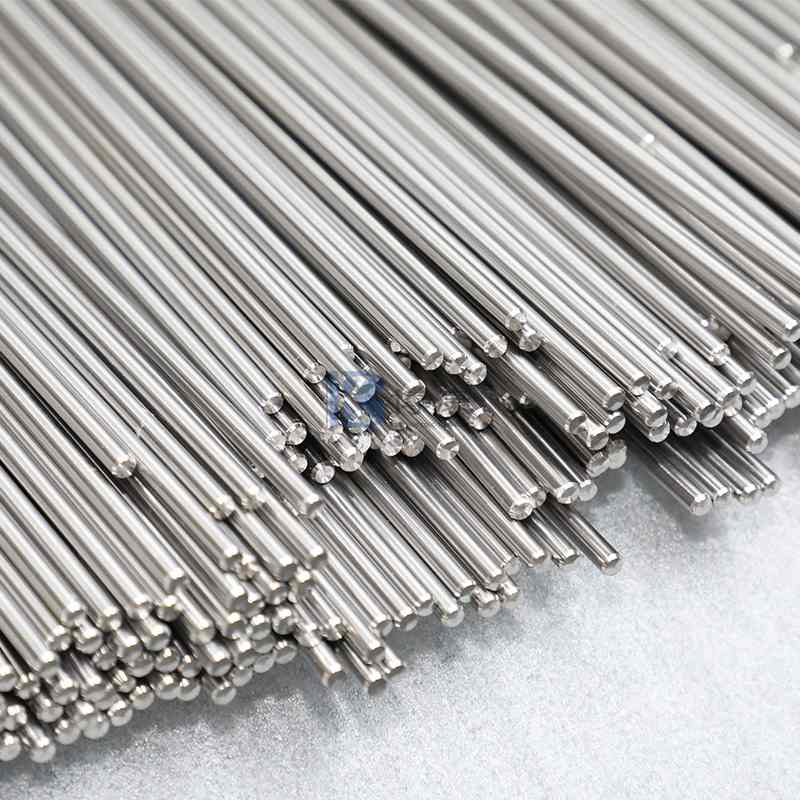
From a materials engineering perspective, titanium straight wire occupies a unique position between traditional metallic wires and advanced functional alloys. Commercially pure titanium grades emphasize ductility and corrosion resistance, while titanium alloys introduce higher strength and enhanced fatigue endurance. When produced in straight wire form, additional requirements apply, including consistent straightness, dimensional uniformity, and surface integrity. These characteristics directly influence mechanical behavior during machining, forming, and in service.
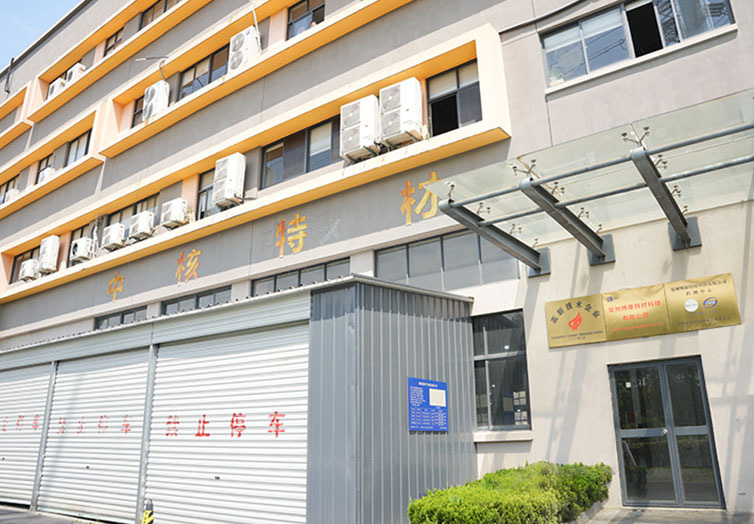
Manufacturers such as Changzhou Bokang Special Material Technology Co., Ltd. focus on controlling these variables through standardized production systems and strict quality management. By aligning raw material selection with international standards and applying repeatable processing routes, mechanical performance can be delivered consistently from batch to batch. This foundation allows titanium straight wire to be used with confidence in applications where failure is not acceptable.
Tensile strength and yield behavior
Tensile strength and yield behavior are among the most fundamental mechanical characteristics of titanium straight wire. These properties determine how the material responds to applied loads and at what point permanent deformation begins. Depending on grade selection, titanium wire can provide a wide range of strength levels while maintaining stable elongation behavior.
Commercially pure titanium grades typically exhibit moderate tensile strength combined with high ductility. This balance allows the wire to undergo secondary processing such as bending, forming, or precision machining without cracking. Titanium alloy grades, including those used in medical and aerospace applications, introduce alloying elements that increase strength while preserving acceptable elongation. This makes them suitable for load bearing components that require reduced cross sections.
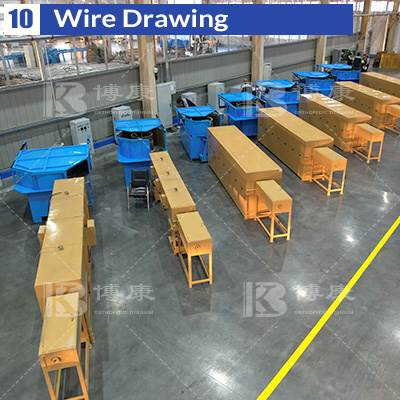
Yield strength is particularly important in straight wire applications because it defines the stress level at which straightness may be compromised. High yield stability ensures that the wire maintains its linear geometry during handling, assembly, and service. Tight control of drawing reduction ratios and intermediate annealing cycles is essential to achieving predictable yield behavior. Changzhou Bokang Special Material Technology Co., Ltd. integrates these controls into its production workflow, ensuring that strength values remain consistent while avoiding excessive work hardening that could reduce reliability.
Elongation and ductility characteristics
Ductility, typically expressed through elongation, is a defining advantage of titanium materials. In titanium straight wire, elongation is not only a measure of formability but also an indicator of resistance to brittle failure. Adequate ductility allows the wire to absorb deformation energy without sudden fracture, an essential property for both medical implants and industrial components.
The elongation behavior of titanium straight wire is influenced by grain size, alloy composition, and thermal treatment. Fine grain microstructures promote uniform deformation, while controlled annealing restores ductility after cold drawing. Excessively coarse grains or uneven microstructures can lead to localized strain concentration, which undermines mechanical reliability.
In medical applications, ductility supports secure fixation and long term stability under physiological movement. In industrial environments, it enables the wire to tolerate assembly stresses and operational deflections. Changzhou Bokang Special Material Technology Co., Ltd. emphasizes microstructure uniformity and process stability to ensure elongation values meet both standard requirements and application specific expectations.
Fatigue resistance under cyclic loading
Fatigue resistance is one of the most critical mechanical properties characterizing titanium straight wire. Many applications expose wire components to repeated loading cycles rather than constant static stress. Over time, even relatively low stress levels can initiate microcracks that grow and lead to failure.
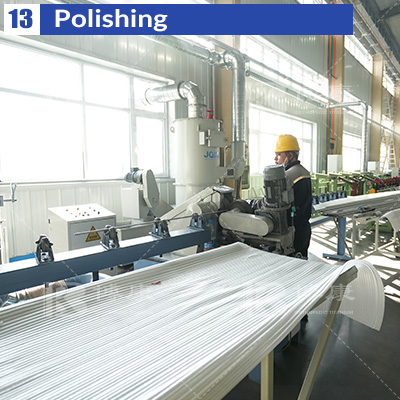
Titanium exhibits favorable fatigue behavior due to its inherent strength to weight ratio and stable oxide surface. However, fatigue performance in straight wire form is highly sensitive to surface quality, straightness, and internal consistency. A smooth, bright surface finish reduces stress concentration points, while excellent straightness ensures uniform stress distribution along the wire length.
Fatigue endurance is especially relevant in medical devices subjected to continuous movement and vibration. It is also essential in industrial systems involving high frequency oscillation or energy transmission. Through precise surface finishing and dimensional control, Changzhou Bokang Special Material Technology Co., Ltd. supports extended fatigue life across a range of titanium grades. The result is a wire material capable of maintaining mechanical integrity throughout long service periods.
Straightness and dimensional stability
Straightness is a mechanical characteristic that directly affects functional performance. In titanium straight wire, straightness is not merely a geometric requirement but a contributor to stress uniformity and load predictability. Deviations from straightness can introduce unintended bending stresses during use, reducing fatigue life and dimensional accuracy.
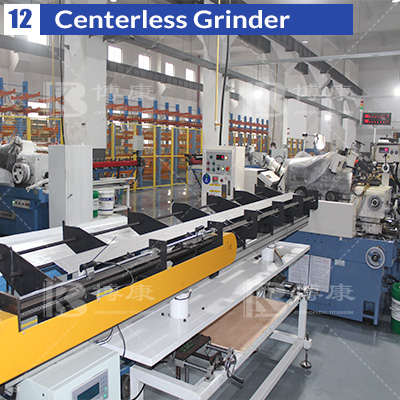
Dimensional stability includes diameter consistency, roundness, and tolerance control. These parameters influence how loads are transferred through the wire and how it interfaces with surrounding components. Tight tolerances reduce assembly variation and ensure predictable mechanical response.
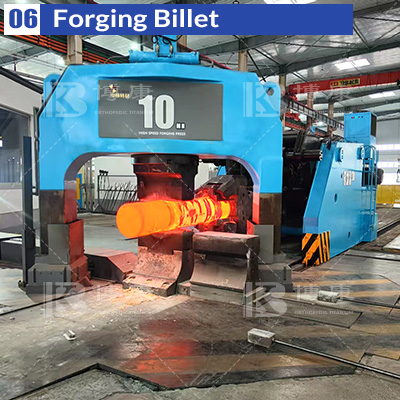
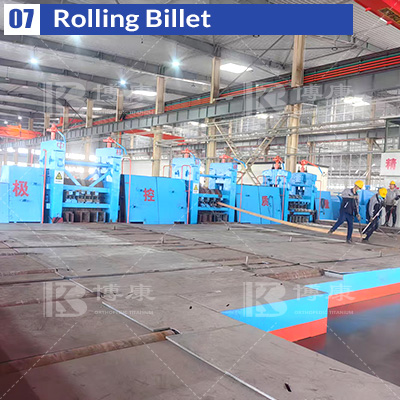
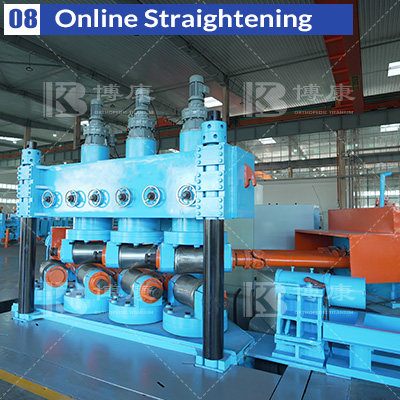
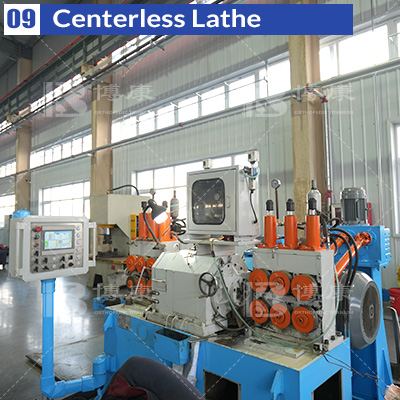
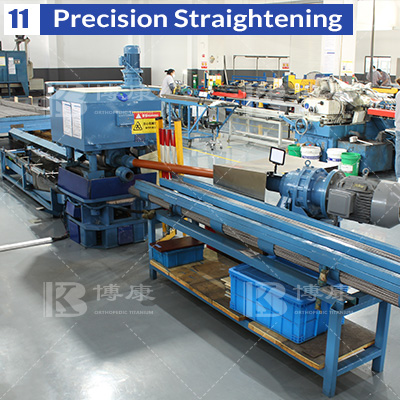
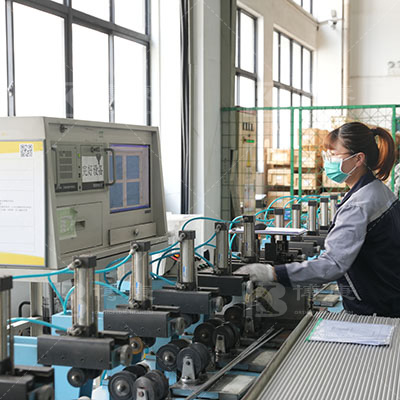
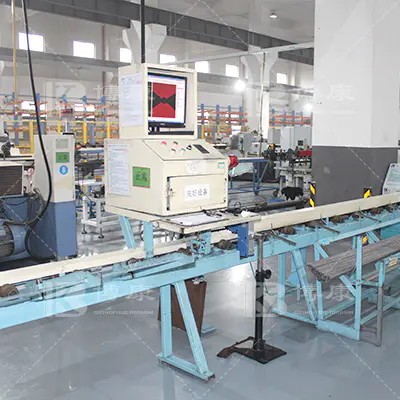
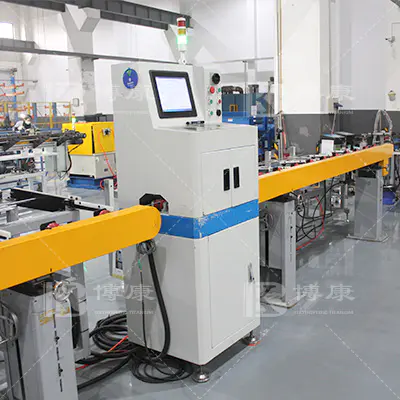
Achieving high straightness requires specialized straightening equipment and process expertise. It also depends on balanced residual stress distribution within the wire. Changzhou Bokang Special Material Technology Co., Ltd. applies controlled straightening methods and post processing inspections to ensure that straightness meets demanding industrial and medical standards without compromising internal stress balance.
Surface condition and its mechanical implications
Surface condition plays a decisive role in defining the mechanical performance of titanium straight wire. Surface imperfections such as scratches, microcracks, or contamination can significantly reduce fatigue resistance and corrosion behavior. A clean, smooth surface minimizes stress raisers and supports long term mechanical stability.
Titanium naturally forms a protective oxide layer, which contributes to corrosion resistance and biocompatibility. However, surface processing must be carefully managed to preserve this layer while achieving the required finish. Bright surface finishes are commonly specified for precision applications because they facilitate inspection and reduce the risk of hidden defects.
In addition to appearance, surface condition affects friction during assembly and wear during operation. Changzhou Bokang Special Material Technology Co., Ltd. integrates surface quality evaluation into its quality control system, ensuring that mechanical performance is supported by consistent surface integrity.
Influence of alloy grades on mechanical properties
Different titanium grades exhibit distinct mechanical profiles, even when produced as straight wire. Commercially pure grades prioritize corrosion resistance and ductility, while alloyed grades offer enhanced strength and fatigue endurance. Selecting the appropriate grade is essential to achieving the desired balance of mechanical properties.
For medical applications, specific alloy compositions are chosen to ensure compatibility with physiological environments while providing sufficient mechanical support. Industrial applications may favor higher strength grades capable of withstanding demanding mechanical loads. In all cases, uniform chemical composition and traceability are necessary to ensure consistent behavior.
Changzhou Bokang Special Material Technology Co., Ltd. produces titanium straight wire across a wide range of grades, aligning mechanical performance with application requirements. By maintaining strict composition control and standardized processing, mechanical properties remain predictable and reliable.
Mechanical reliability in medical and industrial applications
Mechanical reliability encompasses the ability of titanium straight wire to perform consistently over time without degradation. In medical environments, reliability is closely linked to patient safety and long term implant performance. In industrial systems, it influences operational continuity and maintenance intervals.
Key contributors to reliability include stable strength, sufficient ductility, high fatigue resistance, and resistance to environmental degradation. Titanium excels in these areas due to its inherent material properties and compatibility with advanced processing techniques. When combined with rigorous quality management, these attributes support dependable performance across diverse applications.
Changzhou Bokang Special Material Technology Co., Ltd. integrates mechanical testing, dimensional inspection, and traceability into every production stage. This systematic approach ensures that mechanical reliability is not assumed but verified through documented processes.
Quality control and testing of mechanical properties
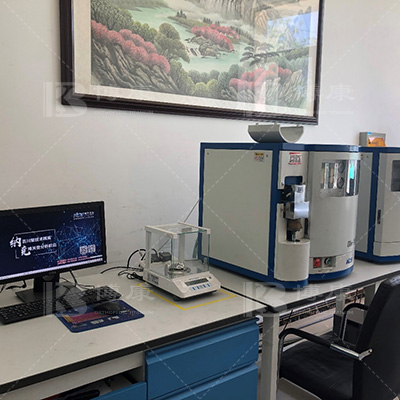
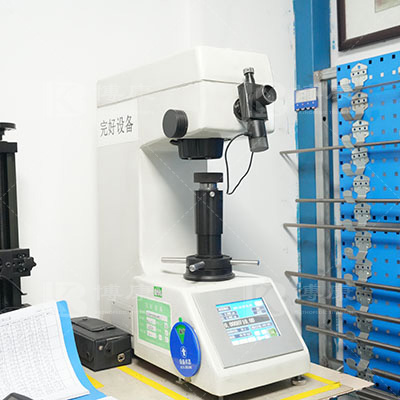
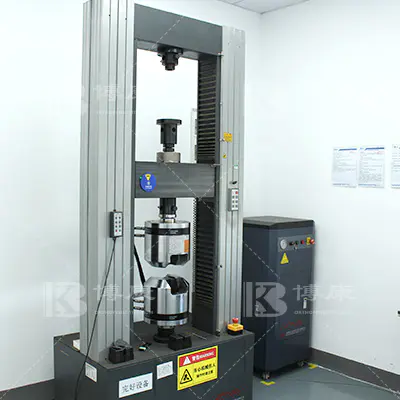
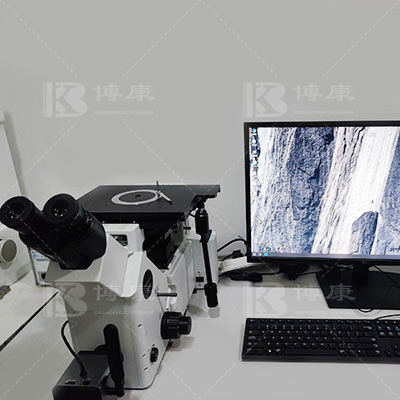
Mechanical properties must be validated through standardized testing rather than inferred from nominal specifications. Tensile testing, dimensional inspection, and surface evaluation are essential tools for confirming performance. Fatigue testing, while more complex, provides valuable insight into long term behavior under cyclic loading.
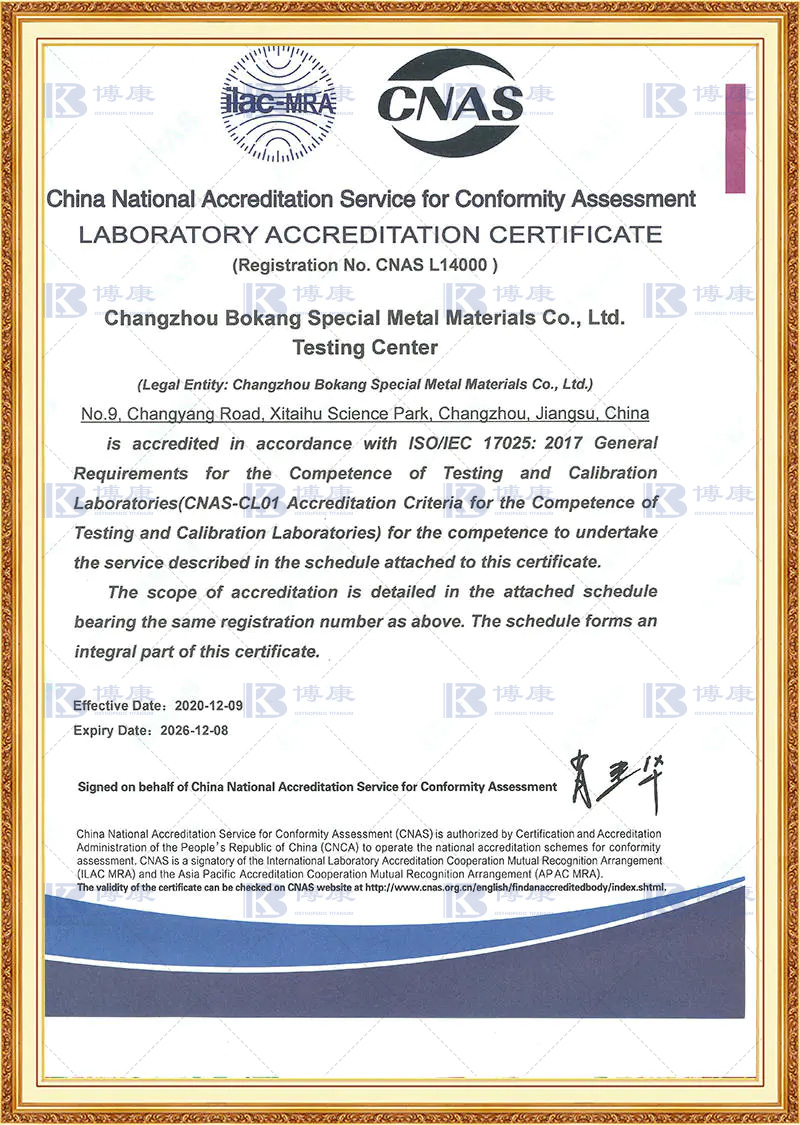
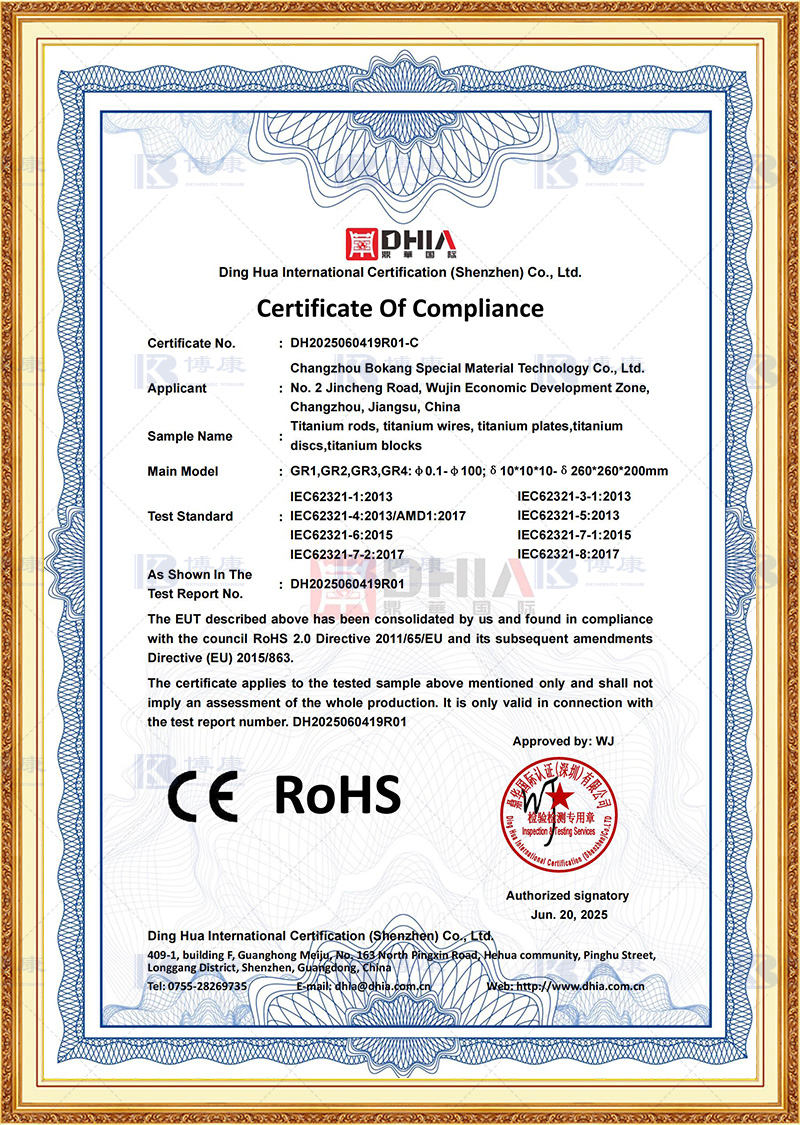
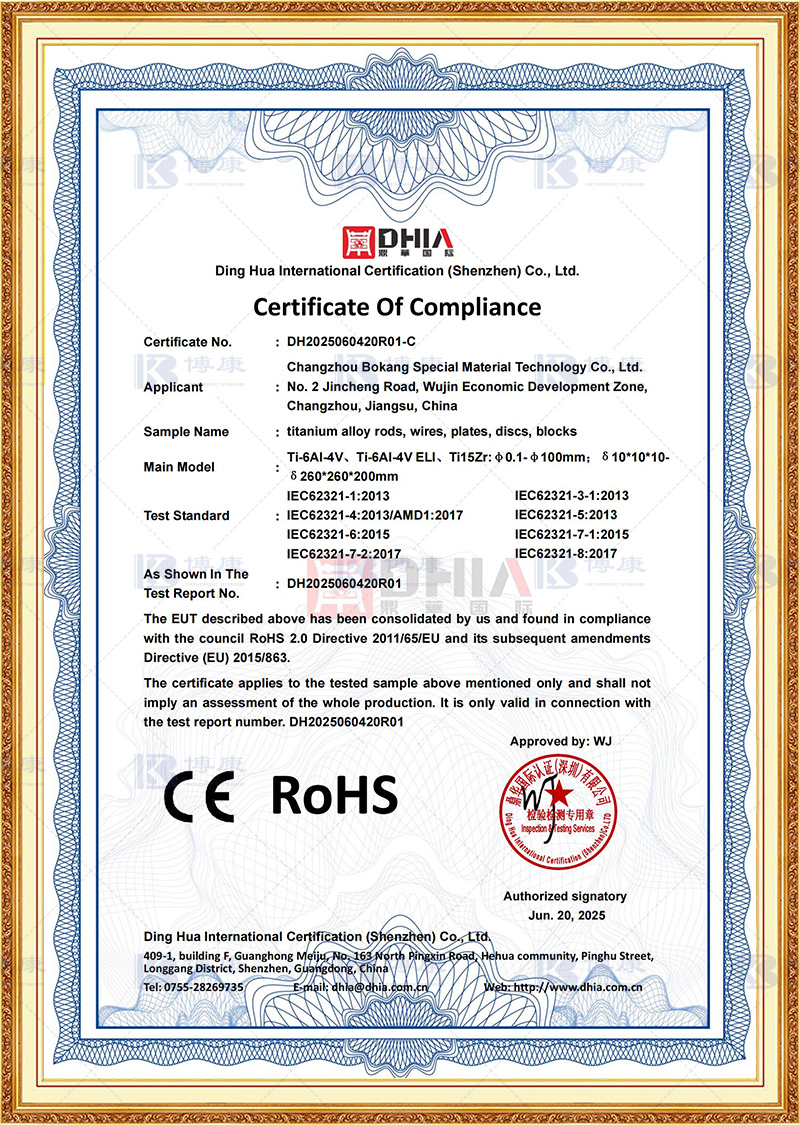
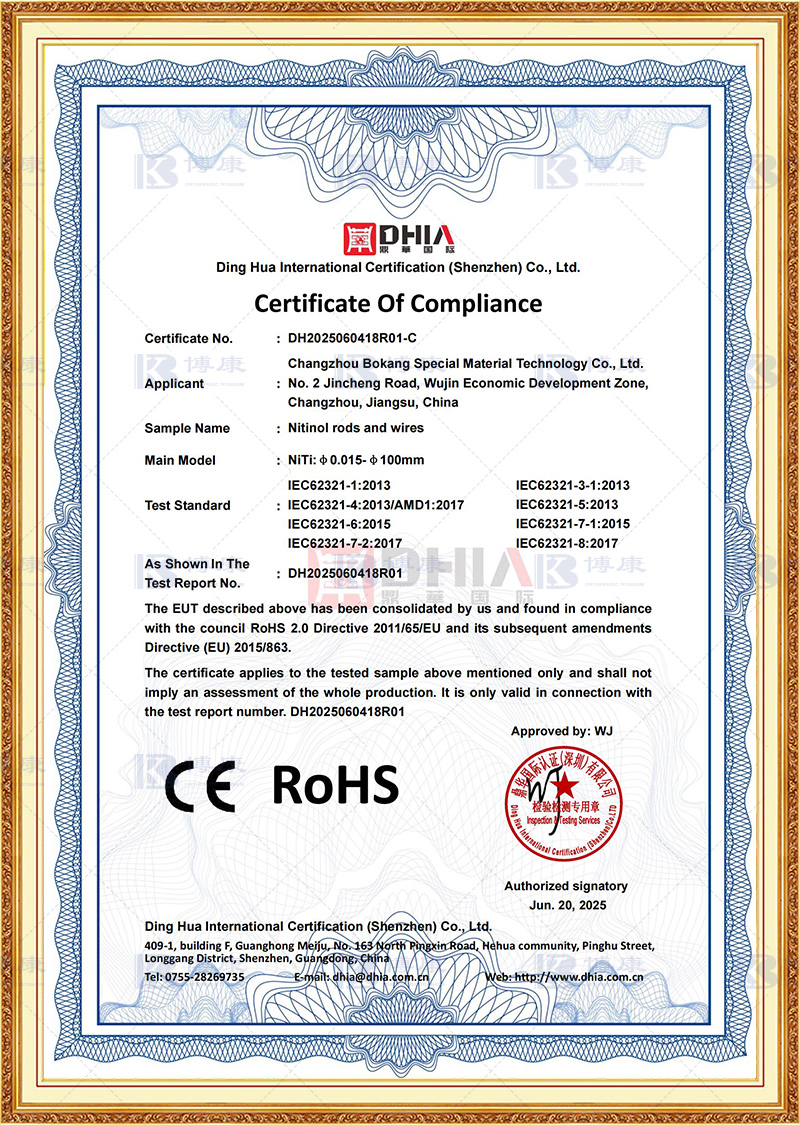
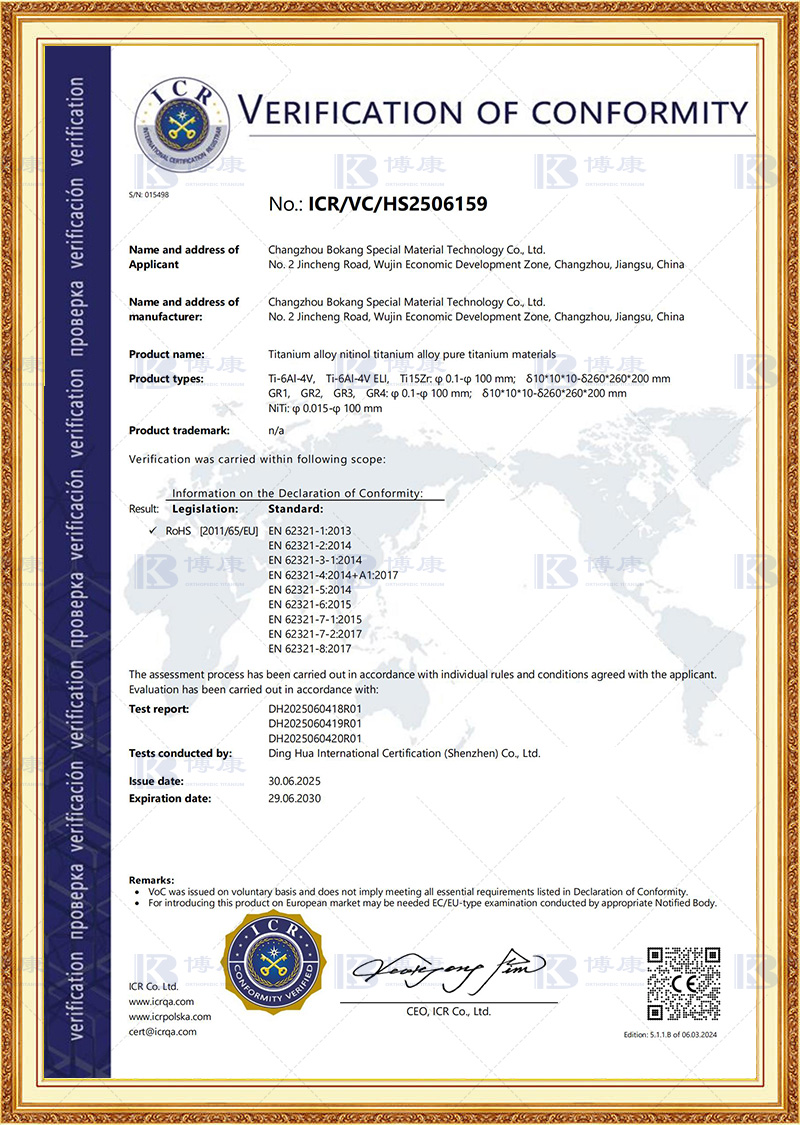
A controlled quality management system ensures that testing results are consistent and traceable. This is particularly important for medical grade materials, where regulatory compliance requires documented evidence of mechanical performance. Changzhou Bokang Special Material Technology Co., Ltd. operates under internationally recognized quality standards, supporting confidence in both test results and production consistency.
The following table summarizes key mechanical properties and their functional relevance.
| Mechanical property |
Functional significance |
| Tensile strength |
Defines load bearing capacity and resistance to fracture |
| Yield strength |
Ensures dimensional stability and straightness under load |
| Elongation |
Supports ductility and resistance to brittle failure |
| Fatigue resistance |
Determines service life under cyclic loading |
| Straightness stability |
Promotes uniform stress distribution and precision assembly |
Summary of defining mechanical characteristics
The mechanical properties that characterize titanium straight wire result from a combination of material selection, processing control, and quality assurance. Strength, ductility, fatigue endurance, straightness, and surface integrity work together to define performance. None of these properties can be considered in isolation, as each influences the others.
Manufacturers with deep experience and integrated quality systems play a critical role in delivering reliable mechanical behavior. Changzhou Bokang Special Material Technology Co., Ltd. exemplifies this approach by aligning production research, testing, and customer focused service. Through continuous optimization and adherence to international standards, titanium straight wire remains a dependable solution for both medical and industrial applications where mechanical performance is essential.

 Send Inquiry
 EN
EN
 English
 日本語
日本語 한국어
한국어 Español
 عربى
عربى русский
 Deutsch
 中文简体
中文简体