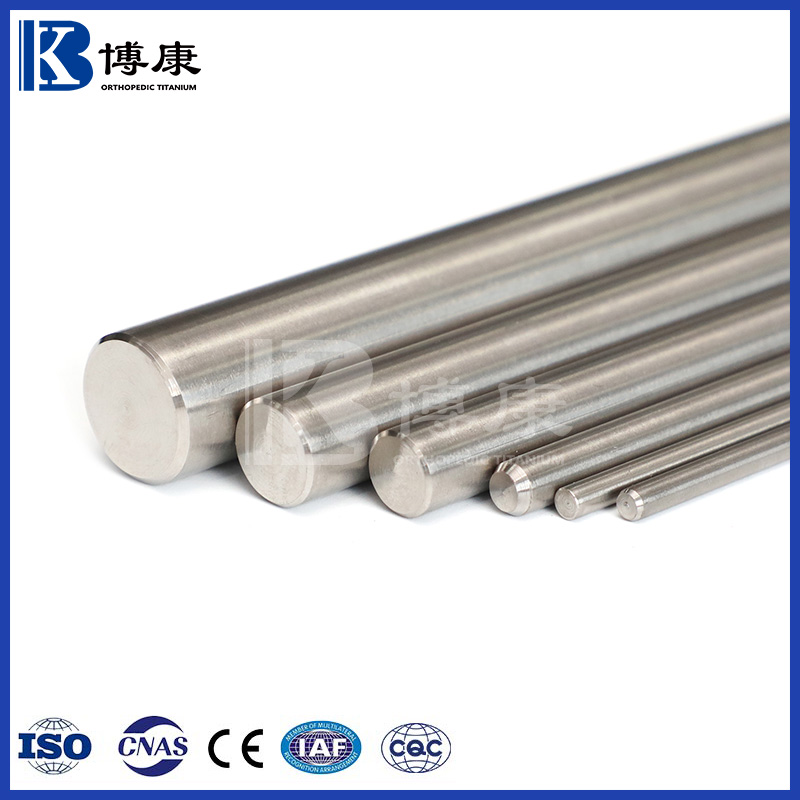
Q: What are the main differences between commercially pure titanium and titanium alloy rods?
A: Commercially available pure titanium bars (grades 1–4) offer excellent corrosion resistance and ductility, but have lower strength. Alloy grades, such as grade 5 titanium bars (Ti-6Al-4V) and grade 23 titanium round bars (Ti-6Al-4V ELI), improve strength, fatigue resistance, and high-temperature performance through the addition of aluminum and vanadium.
Q: How do oxygen and iron content affect the mechanical properties of titanium rods?
A: Higher oxygen and iron content increases strength but reduces ductility. For example, Grade 2 titanium bars have better formability, while Grade 4 titanium bars have higher tensile strength but lower elongation.
Q: How do the density and elastic modulus of titanium rods compare to those of steel and aluminum?
A: The density of titanium rods is approximately 4.51 g/cm³, about 60% that of steel. Its elastic modulus is close to that of human bone, but about 200 GPa lower than that of steel, giving titanium its unique flexibility under load.
Q: How are titanium rods typically manufactured?
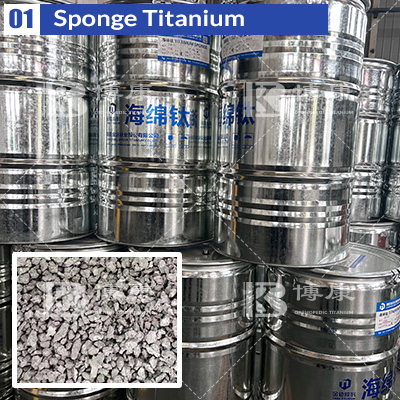
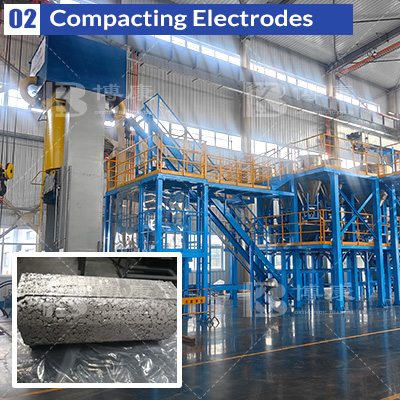
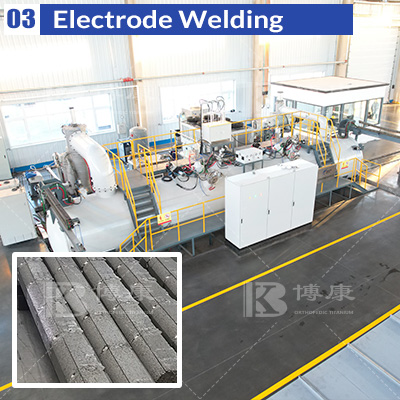
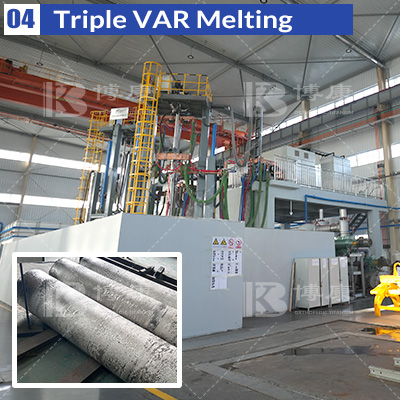
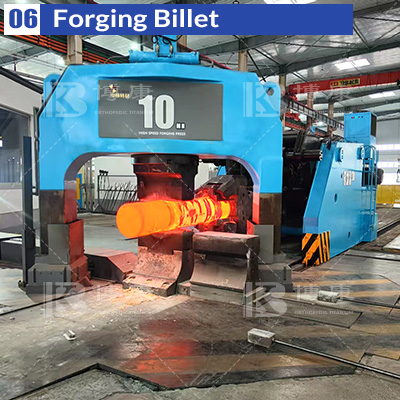
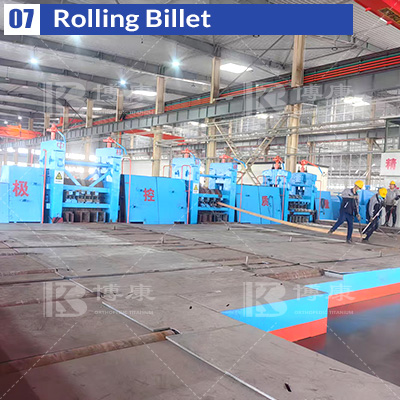
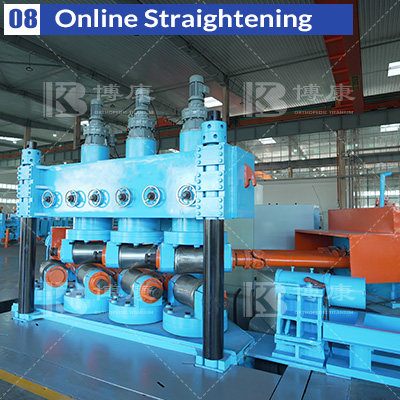
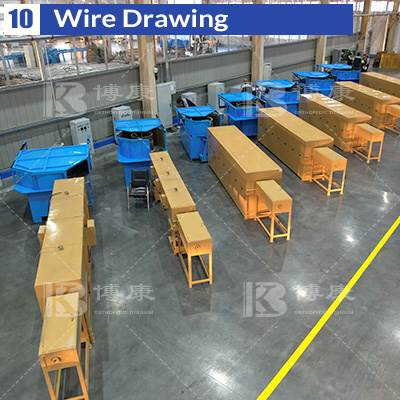
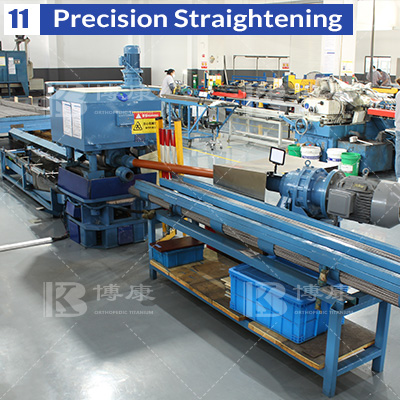
A: Titanium is produced by forging, rolling, or extruding titanium ingots, followed by annealing and surface treatment. Hot working improves the uniformity of mechanical properties, while cold working increases strength through strain hardening.
Q: What are the challenges in processing titanium rods?
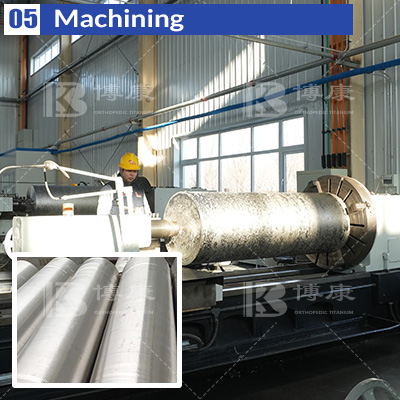
A: Machining titanium bars involves high cutting temperatures and is prone to tool wear due to titanium’s low thermal conductivity and its tendency to react with the tool material. Recommended solutions include using carbide tools, adequate cooling, and low cutting speeds.
Q: Can the properties of titanium round bars be improved through heat treatment?
A: Yes, titanium alloy bars (such as grade 5) can undergo solution treatment and aging (STA) to optimize tensile strength and fatigue resistance. Commercial pure titanium typically only undergoes annealing.
Q: What are some common surface treatment methods for titanium rods?
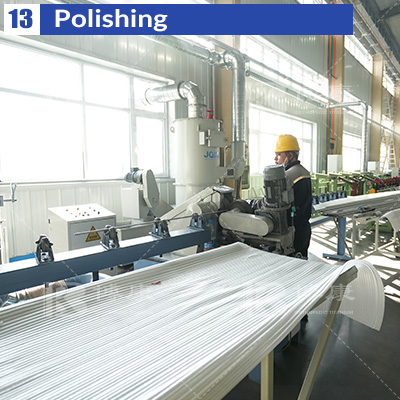
A: Surface treatment methods include pickling, electrolytic anodizing, shot peening, or polishing to enhance corrosion resistance, appearance, and coating adhesion.
Q: How do titanium rods perform under high-temperature conditions?
A: Titanium alloys can maintain their structural integrity at 400–600°C, making them ideal for applications requiring both weight and heat resistance, such as aerospace and power generation components.
Q: Why are titanium rods more favored in marine and chemical environments?
A: Titanium forms a stable oxide film that can self-repair in an aerobic environment. It has extremely high resistance to chlorides, seawater, and oxidizing acids, far surpassing that of stainless steel.
Q: Are titanium rods suitable for medical use?
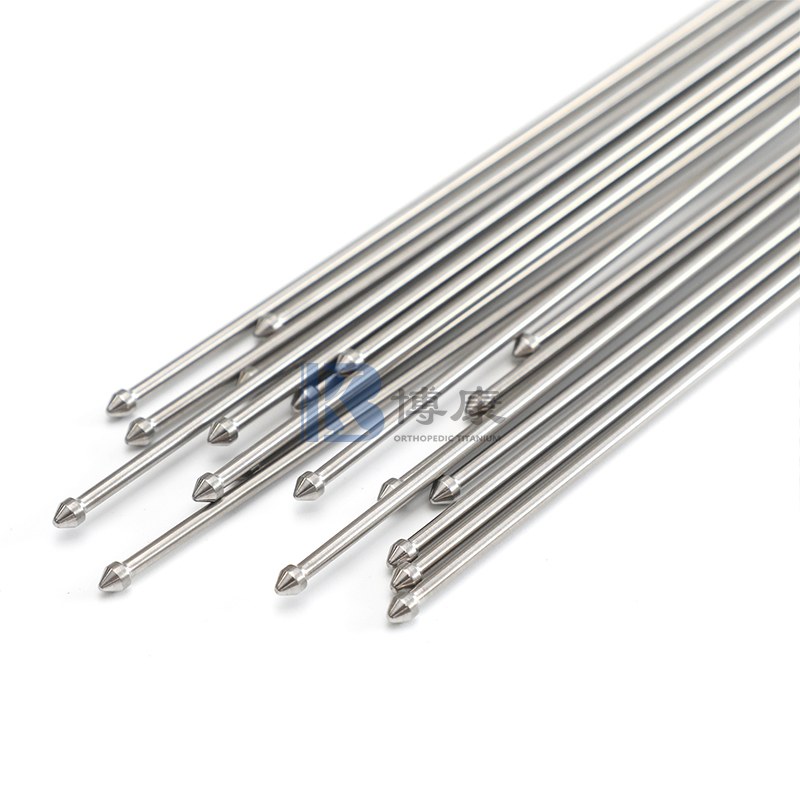
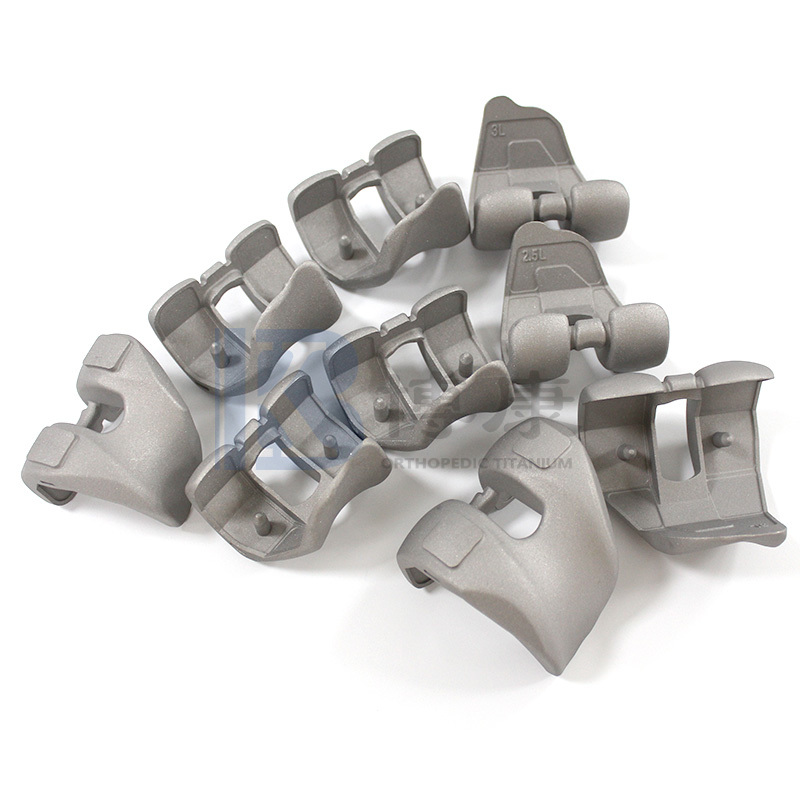
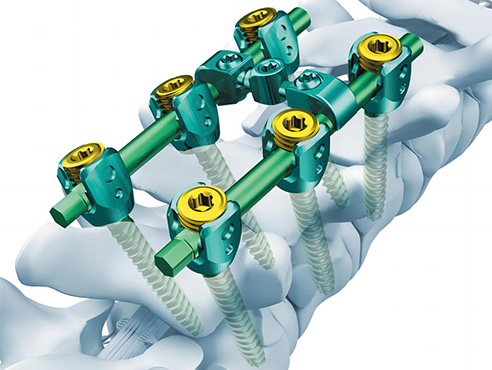
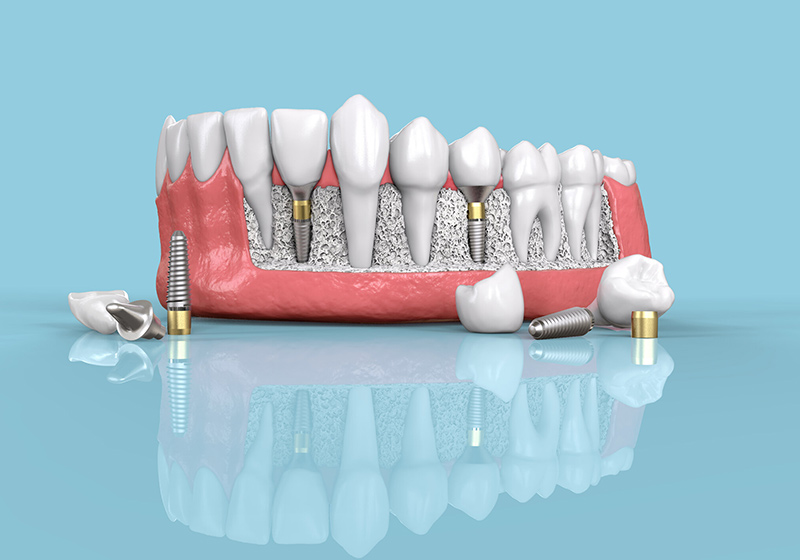
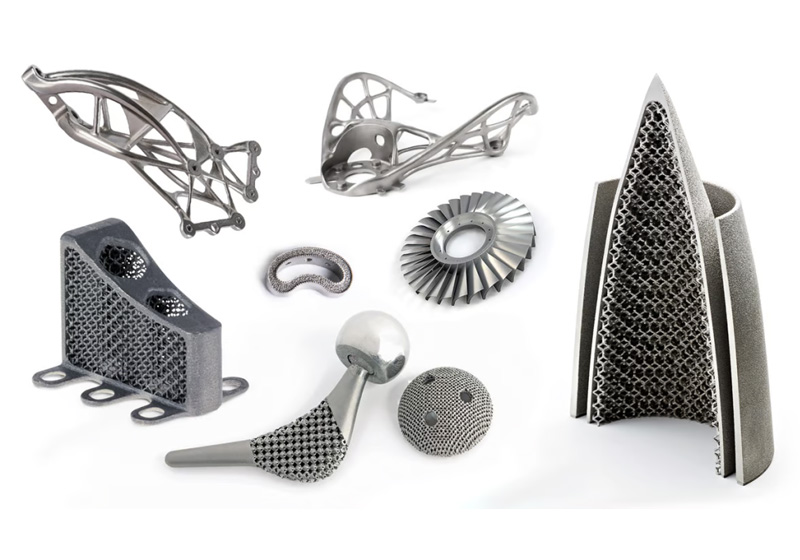
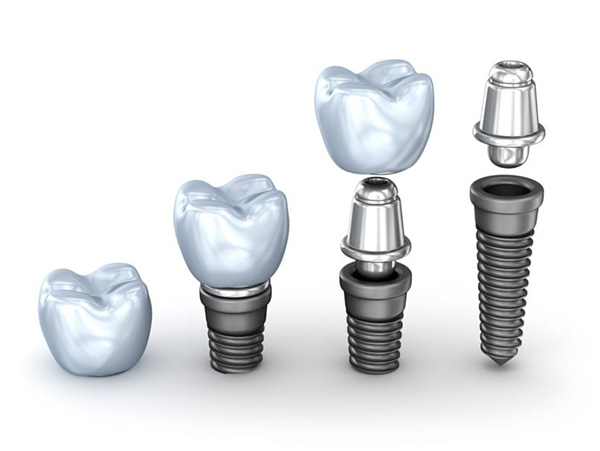
A: Yes, titanium and titanium alloy rods (especially grade 23 ELI) have good biocompatibility, are non-toxic and non-allergenic, and are widely used in surgical implants, dental implants and prosthetic devices.
Q: How do the fatigue properties of titanium compare to those of stainless steel?
A: Titanium round bars exhibit excellent fatigue properties, especially under cyclic loading and corrosive environments, which is crucial for aerospace and medical devices.
Q: What precautions should be taken when welding titanium rods?
A: Titanium readily reacts with oxygen and nitrogen, requiring argon or helium protection during welding. Contamination can lead to brittleness and discoloration. Post-weld cleaning and ensuring a continuous protective gas supply are crucial.
Q: Can titanium rods be joined with dissimilar metals?
A: Yes, but it’s quite difficult. Titanium rods can be joined to steel or nickel alloys via explosive welding, diffusion welding, or transition inserts to avoid the formation of brittle intermetallic compounds.
Q: What international standards are followed in the production of titanium rods?
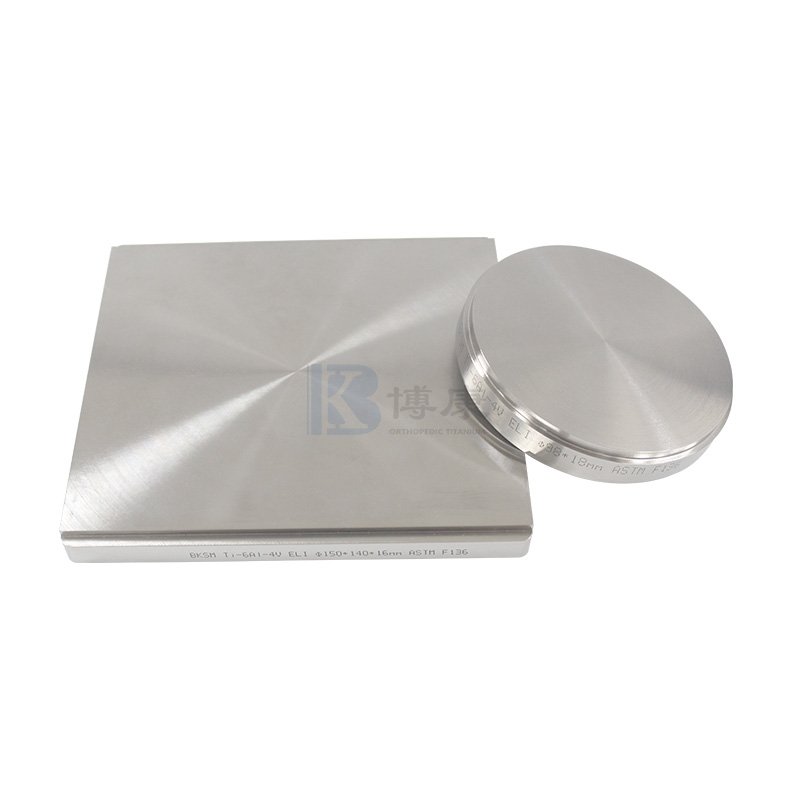
A: Commonly used standards include ASTM B348, AMS 4928, ISO 5832-3 (medical) and ASTM F136, each of which specifies the chemical composition, mechanical properties and test methods.
Q: How is the quality of titanium rods tested?
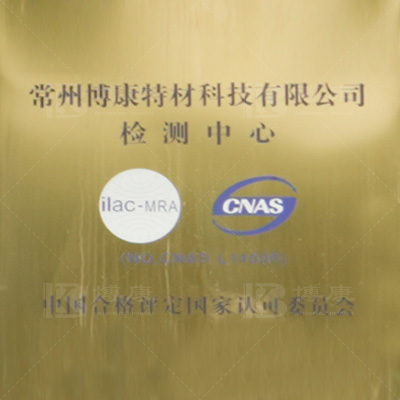
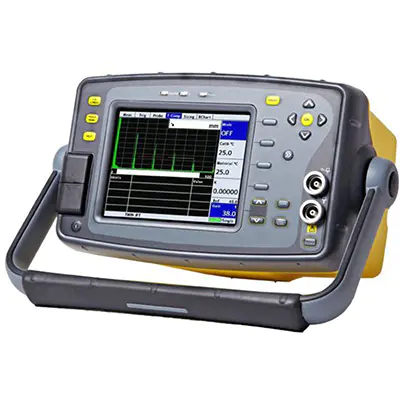
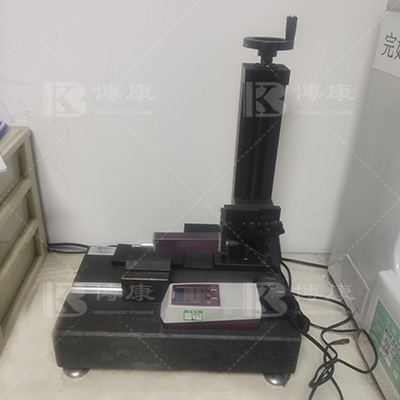
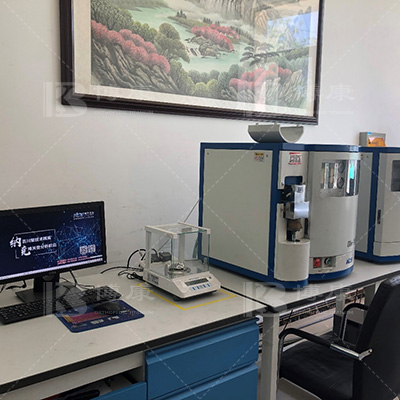
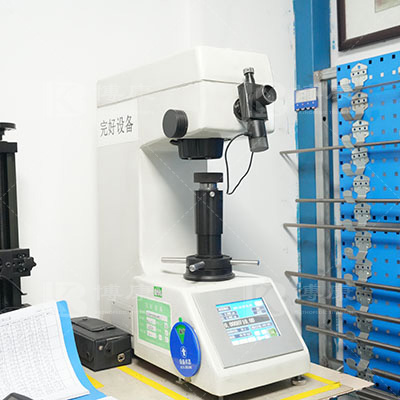
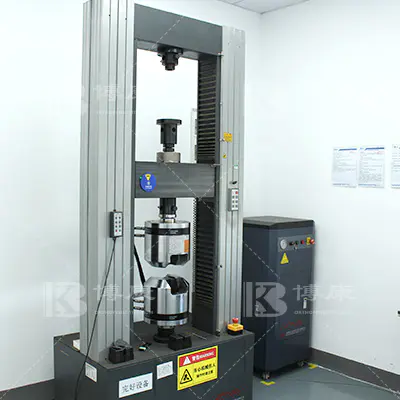
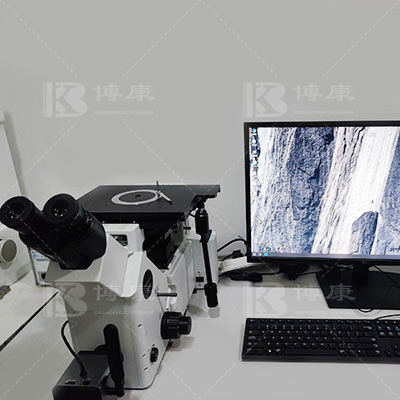
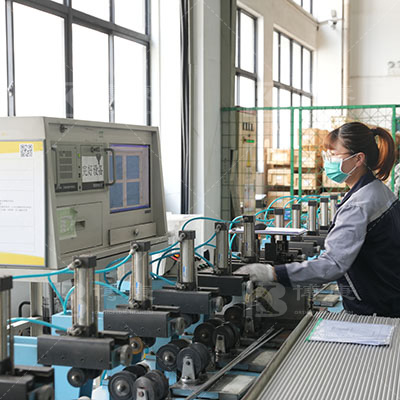
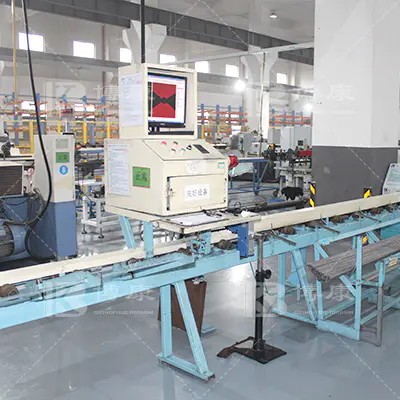
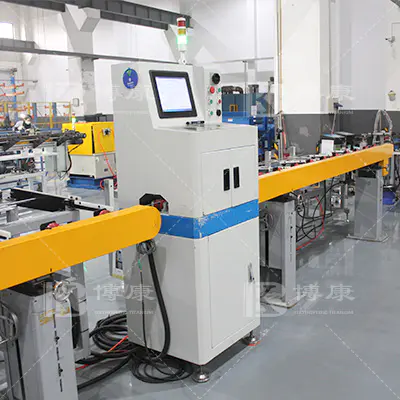
A: Quality inspection of titanium bars typically includes several aspects: ultrasonic testing (UT) is used to detect internal defects, eddy current testing (ET) is used to detect surface defects, metallographic analysis and chemical composition testing ensure that the material structure and composition meet the standards, fully automatic diameter measuring instruments are used to accurately measure the diameter and tolerances, and mechanical properties are verified through tensile, yield strength and elongation tests to ensure that the titanium bars meet the requirements in terms of strength, toughness and dimensional accuracy.
Q: How should titanium rods be stored to prevent contamination?
A: It should be stored in a clean, dry, non-metallic environment and kept away from carbon steel and lubricants to prevent surface embrittlement or electrochemical corrosion.
Q: How do supply methods affect costs and processability?
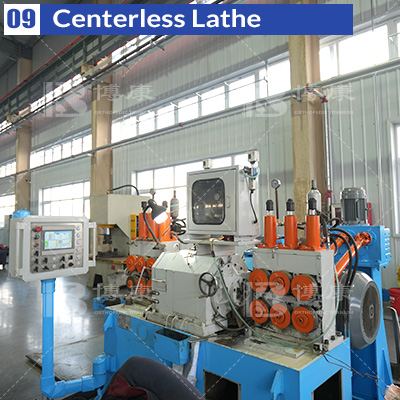
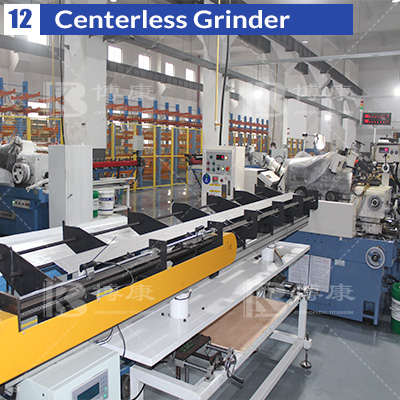
A: Hot-rolled titanium round bars are cheaper, but have lower precision; centerless ground or polished bars are more expensive, but have better processing performance and surface quality.
Q: What is the difference between titanium bars and titanium ingots?
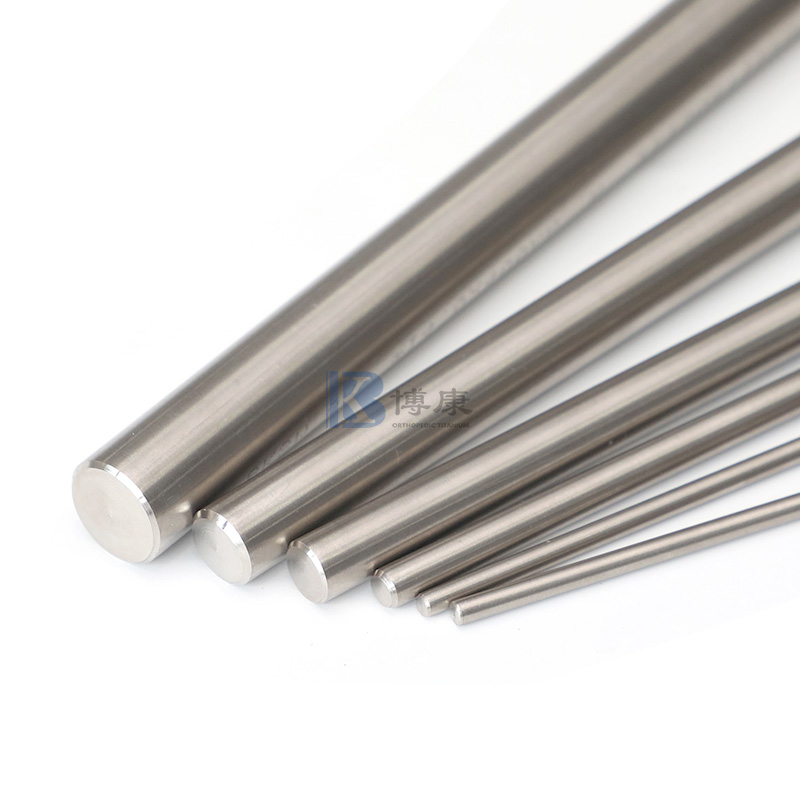
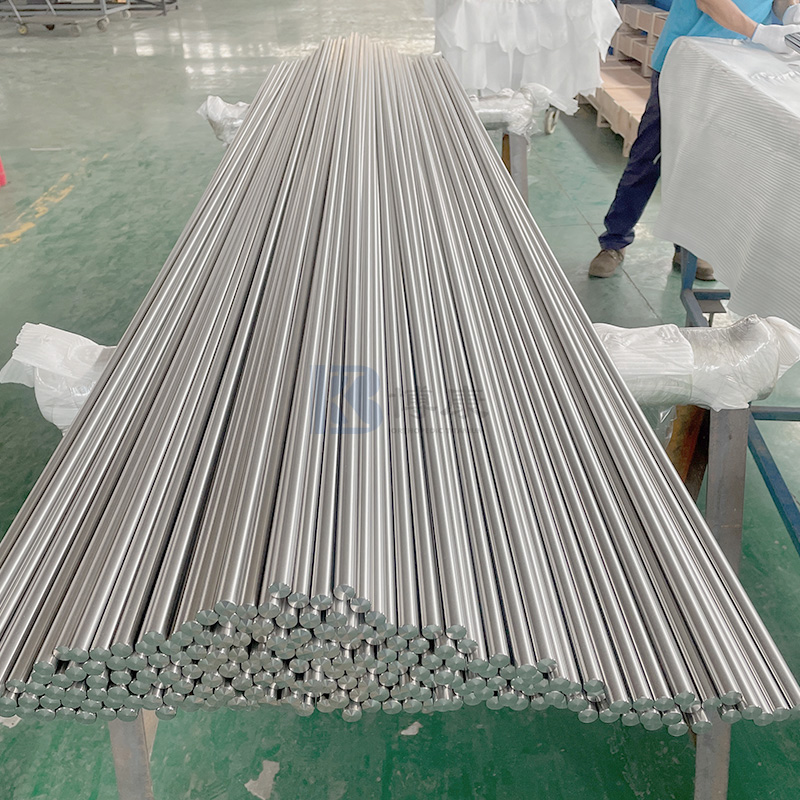
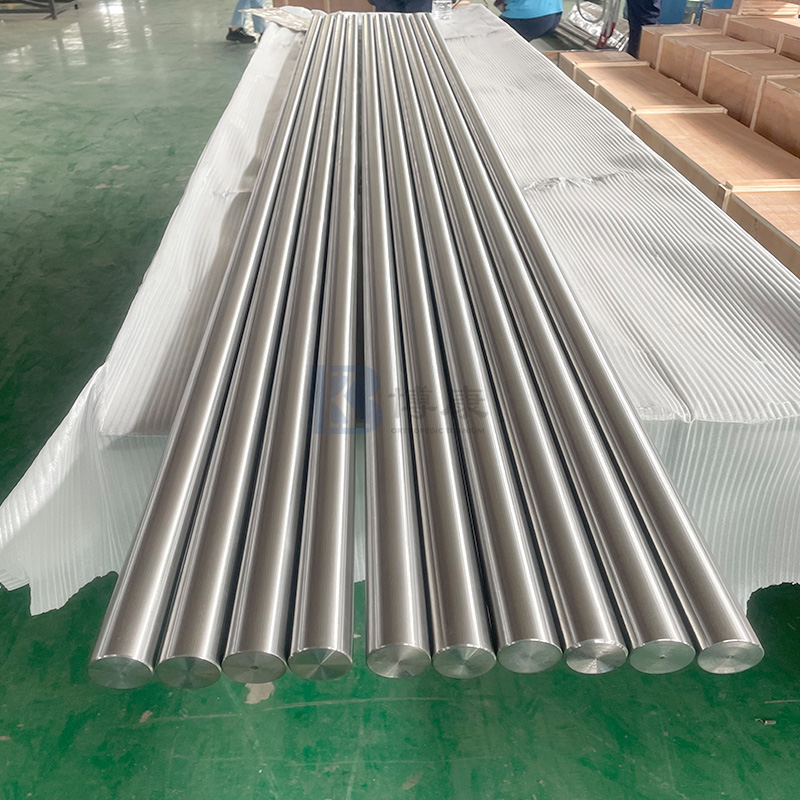
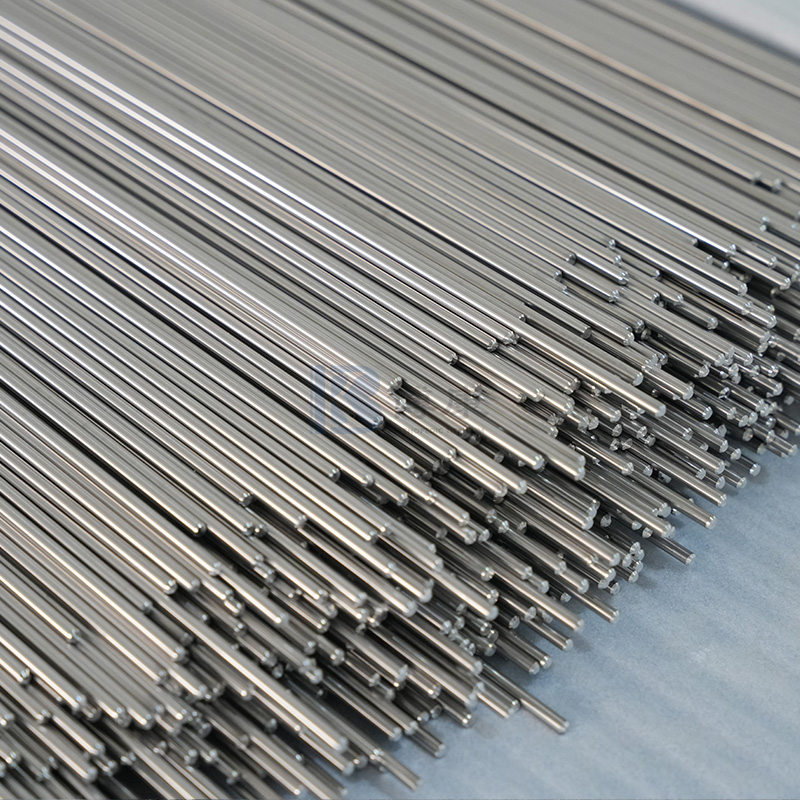
A: Titanium ingots are semi-finished products used for further rolling or forging; titanium bars or round bars are finished products that can be directly used for processing or assembly.

 Send Inquiry
 EN
EN
 English
 日本語
日本語 한국어
한국어 Español
 عربى
عربى русский
 Deutsch
 中文简体
中文简体