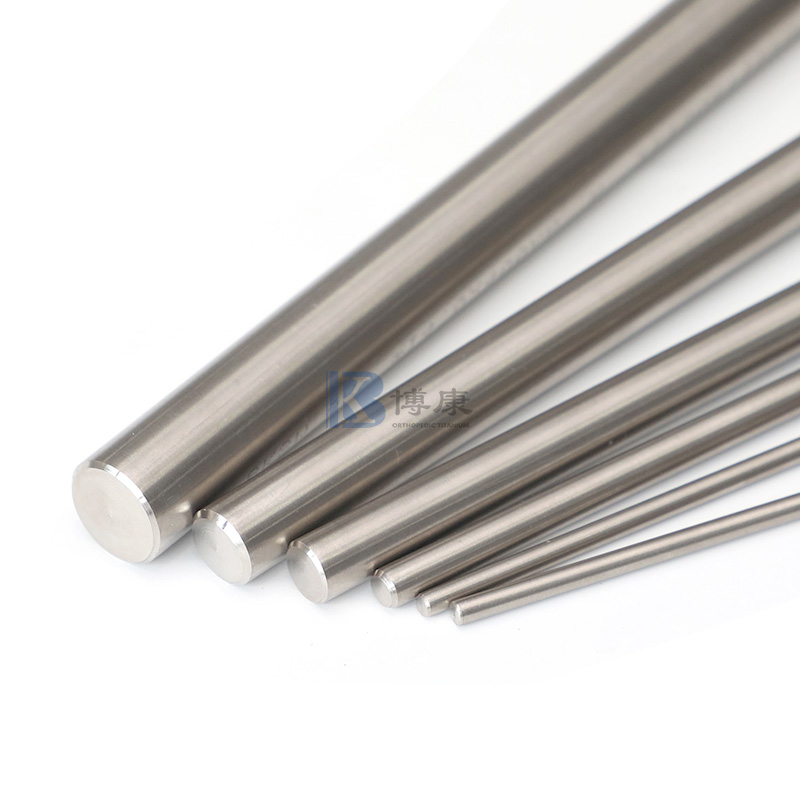
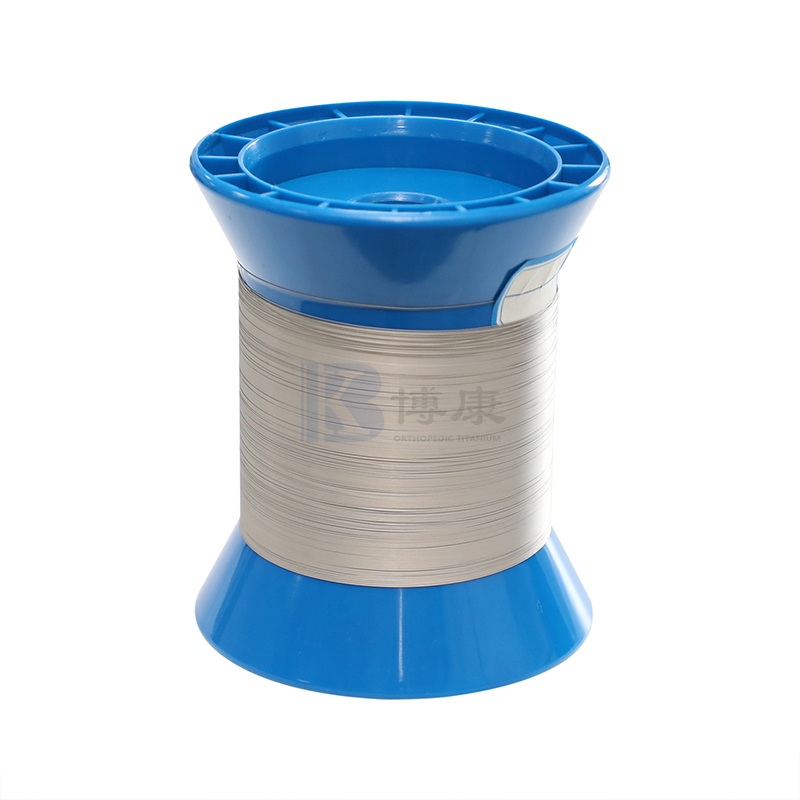
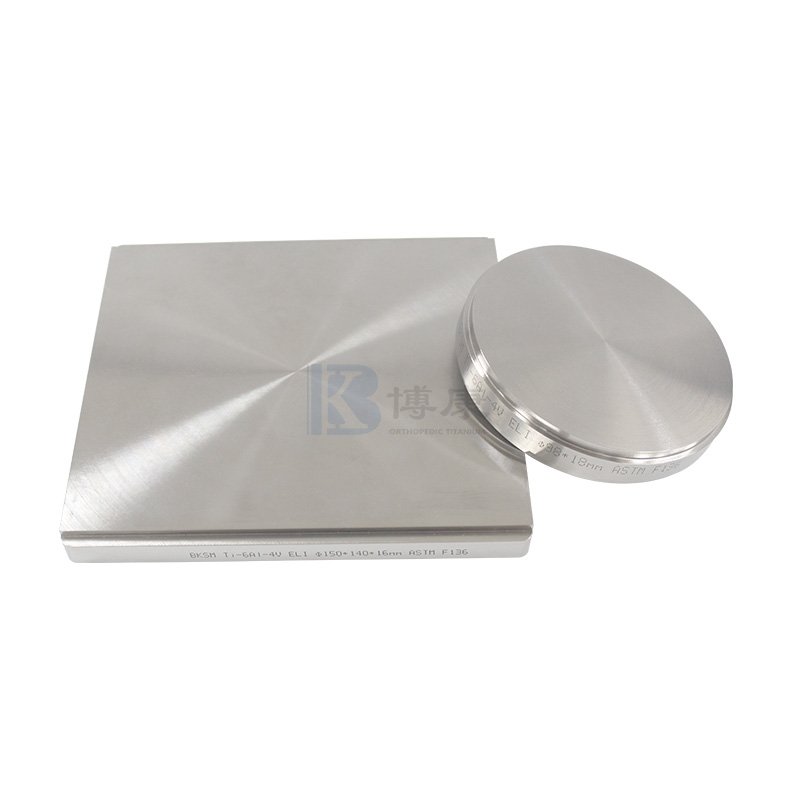
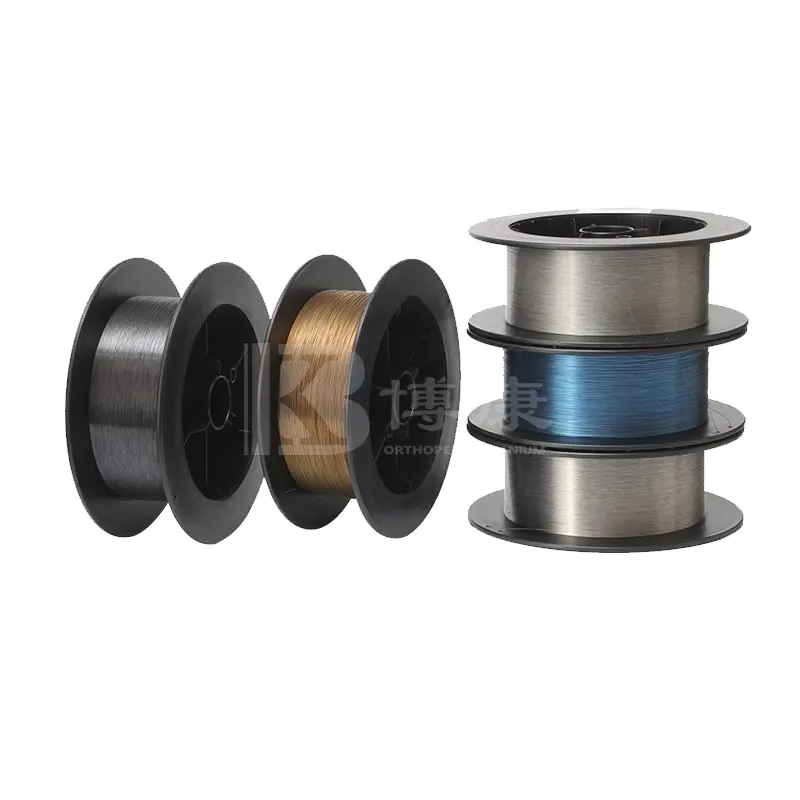
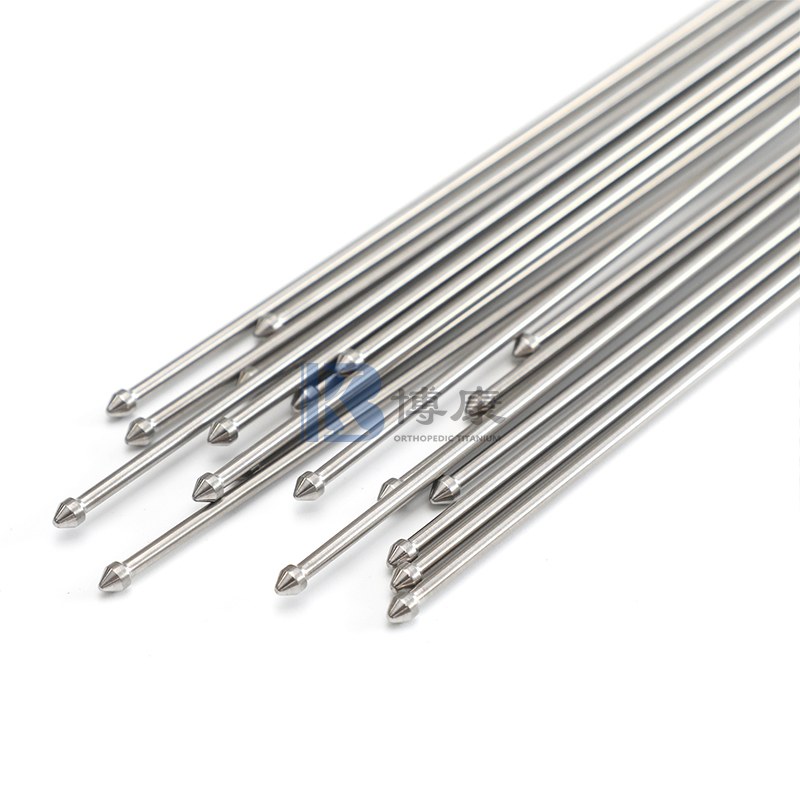
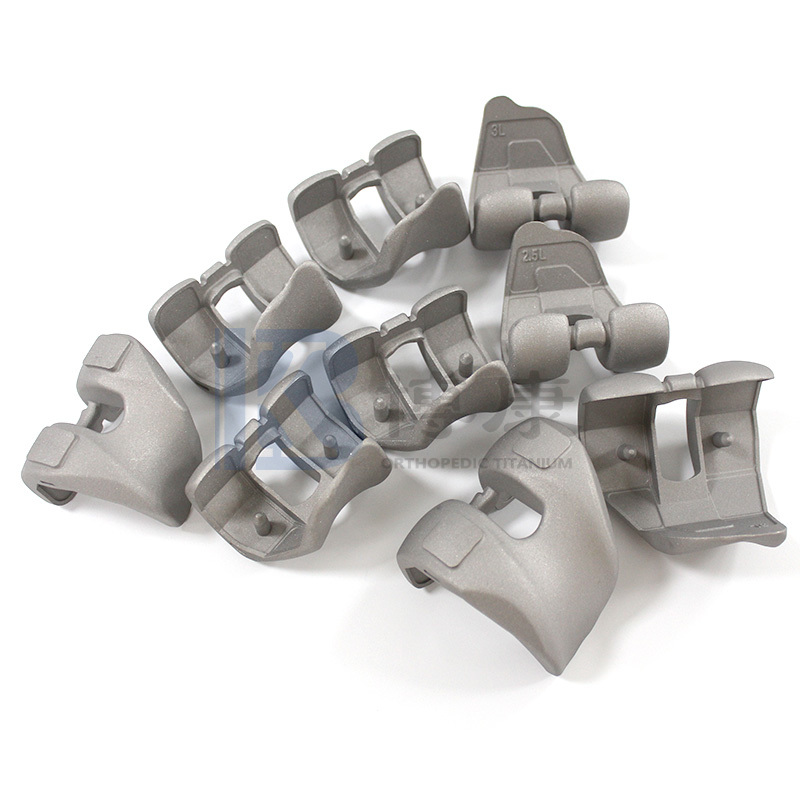
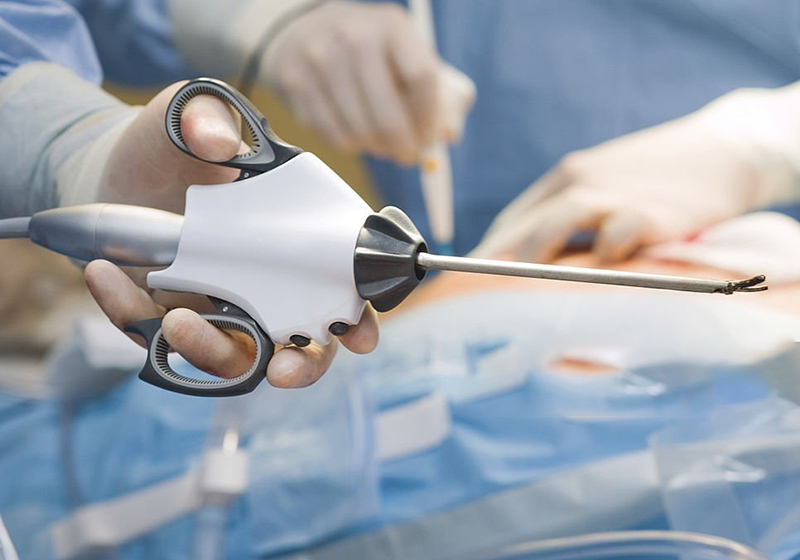
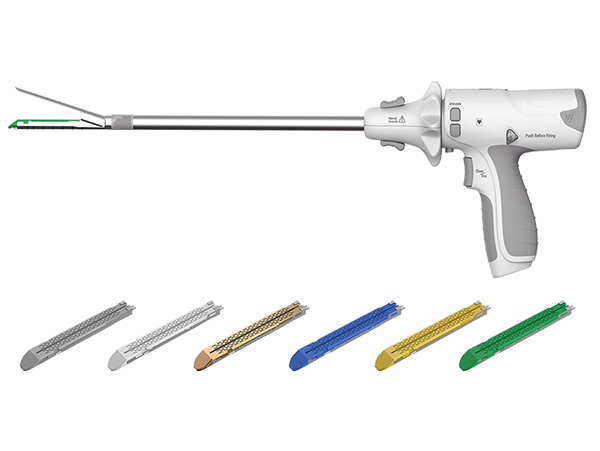
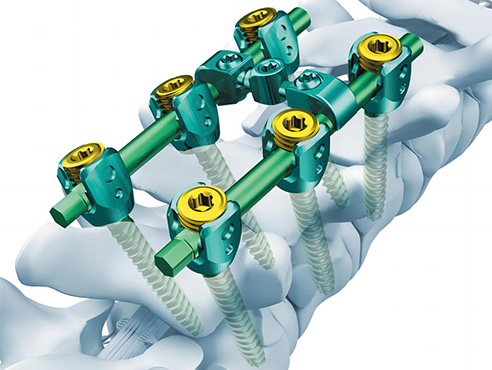
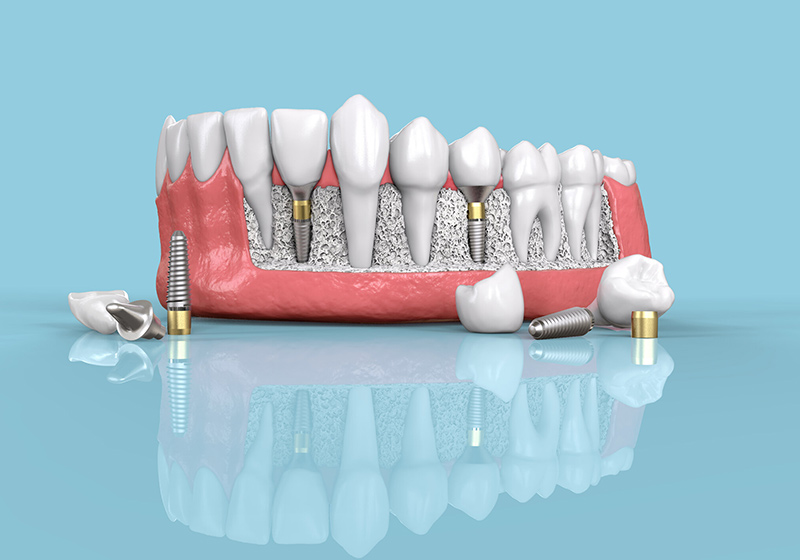
Medical titanium wire refers to precision metal wire manufactured from commercially pure titanium or titanium alloys that meet medical device material standards. It is widely used in surgical instruments, orthopedic implants, suture systems, ligation clips, staplers, and minimally invasive surgical devices.
As minimally invasive surgery, precision medicine, and high-end implantable devices continue to advance, medical titanium wire has become one of the critical foundational materials in the medical device supply chain. Compared with standard industrial titanium wire, medical-grade titanium wire must satisfy not only mechanical performance requirements, but also biocompatibility, corrosion resistance, dimensional accuracy, surface quality, and supply chain traceability.
The most widely adopted standard for commercially pure titanium in the global medical device industry is ASTM F67 — Standard Specification for Unalloyed Titanium for Surgical Implant Applications.
Surgical instruments and implantable products typically require prolonged contact with human tissue and body fluids while withstanding complex static and dynamic loads, placing stringent demands on material performance.
Commercially pure titanium naturally forms a stable titanium dioxide (TiO₂) passive film on its surface, providing strong chemical stability and tissue compatibility.
During medical device development, its biological safety is typically evaluated in accordance with the ISO 10993 series of standards, covering:
As a result, commercially pure titanium has become one of the most important metallic biomaterials for long-term contact with human tissue.
Human body fluids contain high concentrations of chloride ions and electrolytes, which can corrode metallic materials. Commercially pure titanium maintains a stable passive state under physiological conditions, helping to minimize the risk of metallic ion release, making it widely used in long-term implantable medical devices.
Commercially pure titanium is a non-ferromagnetic material. Compared with certain ferrous materials, it typically produces no significant magnetic displacement in magnetic resonance imaging (MRI) environments and reduces image artifacts. It is therefore widely used in medical devices that require postoperative MRI examination.
The elastic modulus of commercially pure titanium is approximately 107 GPa. Compared with 316L medical-grade stainless steel at approximately 193 GPa, pure titanium more closely matches the mechanical properties of human bone tissue. The lower elastic modulus helps reduce the stress shielding effect, giving it a distinct advantage in orthopedic fixation systems and implantable products.
ASTM F67 is the most widely adopted standard for commercially pure titanium in the global medical device industry. As oxygen content increases, material strength gradually rises while ductility and cold-forming performance decrease accordingly.
| ASTM F67 Grade | Key Characteristics | Common Applications |
|---|---|---|
| Grade 1 | Highest ductility, excellent formability | Surgical sutures, precision-formed components |
| Grade 2 | Balanced strength and plasticity | Staples, ligation clips, minimally invasive instruments |
| Grade 3 | Higher strength | Orthopedic auxiliary fixation structural components |
| Grade 4 | Highest strength | Orthopedic cerclage wire, long-term load-bearing structural components |
Note: Actual material selection should be based on a comprehensive assessment of device design, loading conditions, manufacturing processes, and clinical requirements. Selection based solely on wire diameter is not recommended.
Titanium suture wire is primarily used in:
Typically manufactured from ASTM F67 Grade 1 pure titanium.
Key control parameters:
For ultra-fine gauge products, surface defects can act as stress concentration sites, making surface quality particularly critical.
Surgical staples are widely used in:
Grade 2 pure titanium is currently one of the most common material choices.
Key control parameters:
Consistent material properties help improve staple forming quality and product uniformity.
Pure titanium ligation clips are widely used in:
Primarily for closure of vascular and biliary structures. Grade 2 pure titanium is the industry standard material.
Common tolerance range: ±0.005 mm to ±0.01 mm
Key control parameters:
Orthopedic cerclage wire is primarily used in:
Typically manufactured from Grade 3 or Grade 4 pure titanium.
Key control parameters:
For implantable products subjected to long-term cyclic loading, fatigue resistance is generally more critical than static strength.
With the advancement of minimally invasive surgery, medical titanium wire is increasingly applied in:
Typically manufactured from Grade 2 or Grade 3 pure titanium.
Key control parameters:
Suppliers should be able to provide:
Ensuring full compliance with ASTM F67 requirements.
Long-term stable control of wire diameter tolerances and dimensional consistency is a critical foundation for ensuring the quality of end-use medical devices.
Surface quality directly affects:
It is therefore a key audit criterion.
A comprehensive traceability system should typically cover:
Medical device supply chains typically require suppliers to establish a quality management system in compliance with ISO 13485, in order to satisfy regulatory and customer audit requirements.
Enhancing material performance through surface nano-structural engineering and functional coatings has become one of the important R&D directions for medical titanium materials.
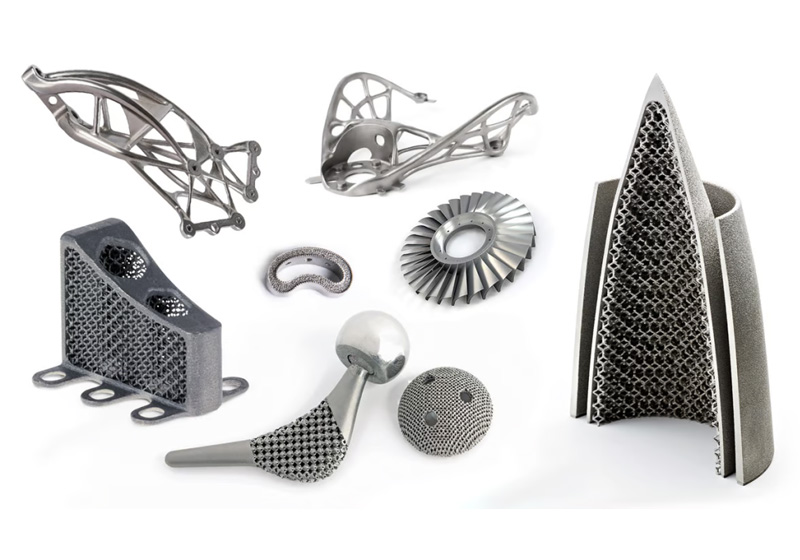
The combined application of titanium wire with 3D-printed titanium structural components is increasing, offering greater design possibilities for complex medical devices.
Titanium wire woven meshes and porous structures are receiving growing attention in:
The EU MDR, U.S. FDA, and other major markets continue to strengthen requirements in:
This places higher demands on medical titanium wire suppliers.
Medical device companies are advised to prioritize the following aspects during supplier qualification audits:
Ability to provide complete material test reports and technical documentation.
System coverage encompassing medical titanium wire production and quality control processes.
In particular, stable production capability for diameters of 0.2 mm and below.
Ability to provide heat numbers, lot numbers, and complete production records.
Familiarity with medical device regulatory requirements and supply chain audit processes.
As a manufacturer of medical titanium materials, Changzhou Bokang Special Materials Technology Co., Ltd. supplies commercially pure titanium wire products compliant with ASTM F67, covering applications including sutures, surgical staples, ligation clips, orthopedic fixation, and minimally invasive instruments. The company has established a quality management system in compliance with ISO 13485, and is capable of providing material test reports, batch traceability documentation, and customized specification services.
As medical devices continue to evolve toward minimally invasive, precision-oriented, and high-reliability applications, the importance of medical titanium wire continues to grow. For R&D, procurement, and quality management teams, a thorough understanding of ASTM F67 standard requirements, a command of the performance characteristics of different grades, and the establishment of a stable and reliable supply chain system are essential foundations for ensuring product quality and reducing compliance risk.
From surgical sutures, staples, and ligation clips to orthopedic cerclage wire and minimally invasive instrument components, medical titanium wire will continue to play an important role in future medical device innovation and the advancement of surgical technology.
Copyright © 2024 Changzhou Bokang Special Material Technology Co., Ltd. All Rights Reserved.
Custom Round Pure Titanium Rod Manufacturers Privacy