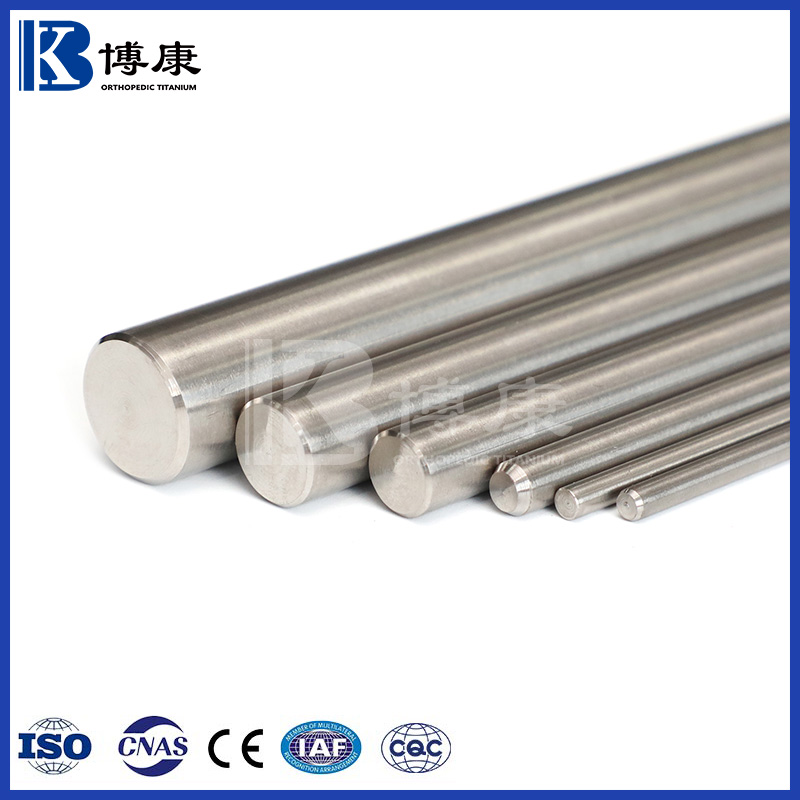
Growing Applications of Nitinol Guide Pins in Orthopedic Surgery
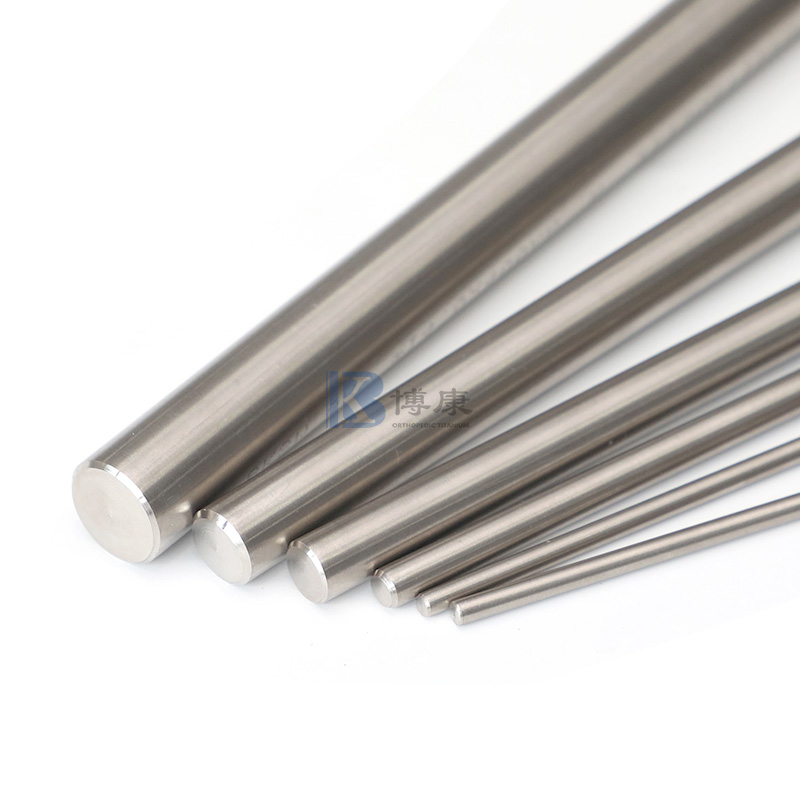
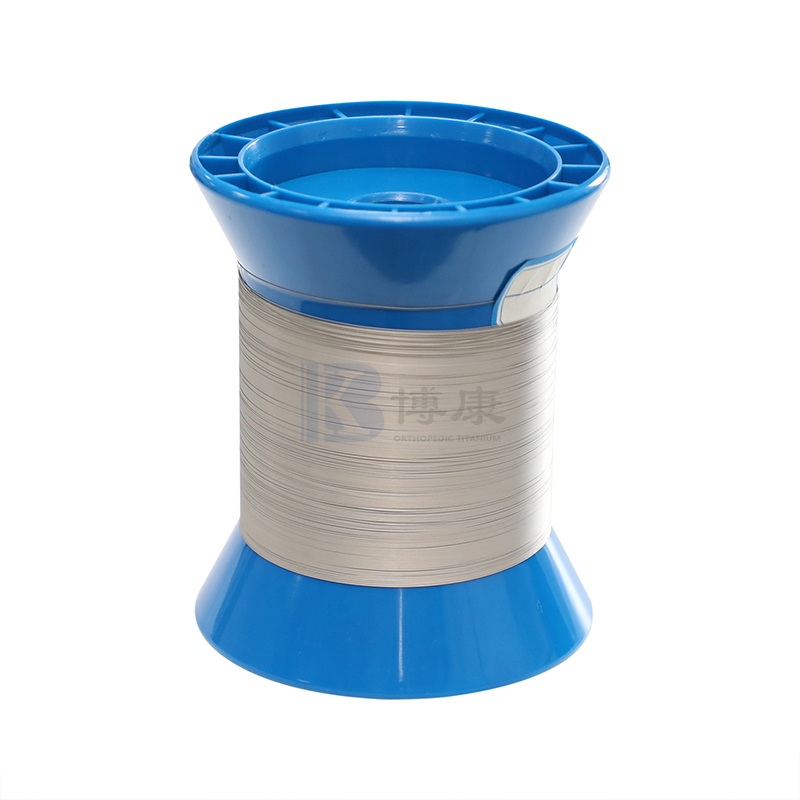
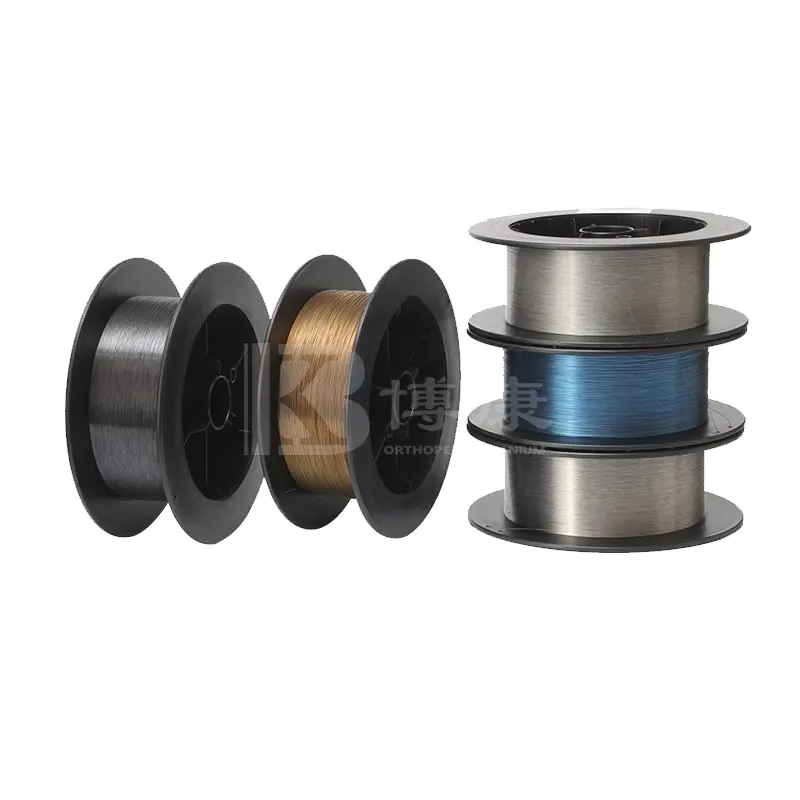
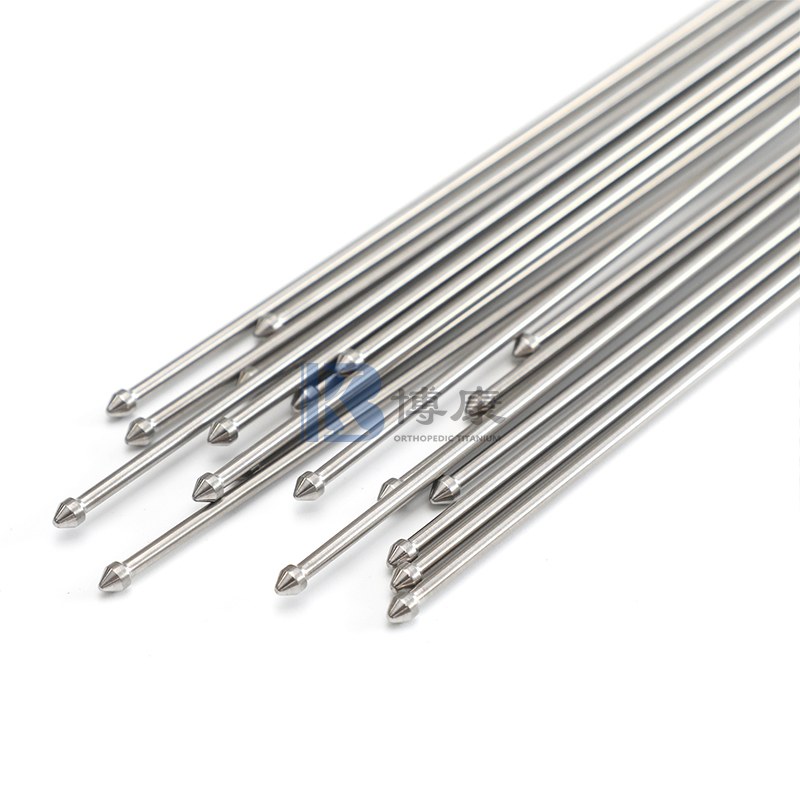
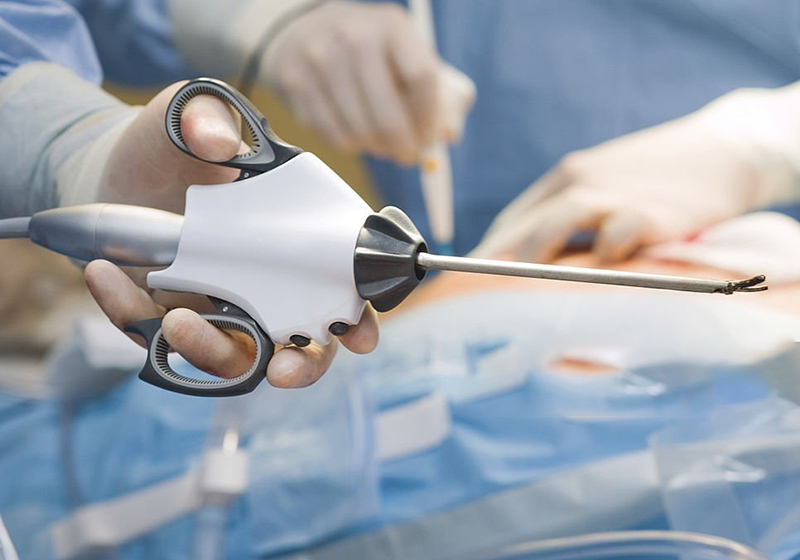
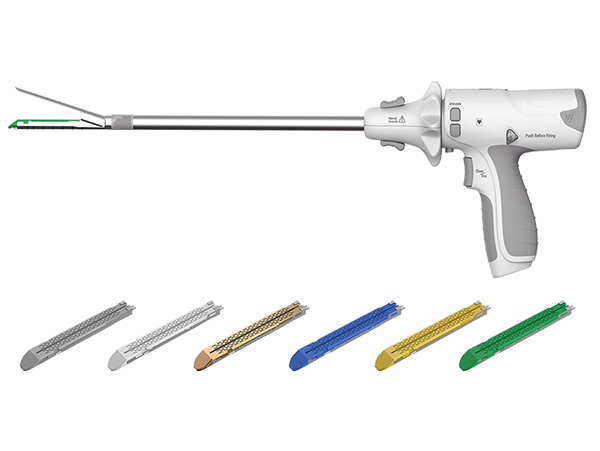
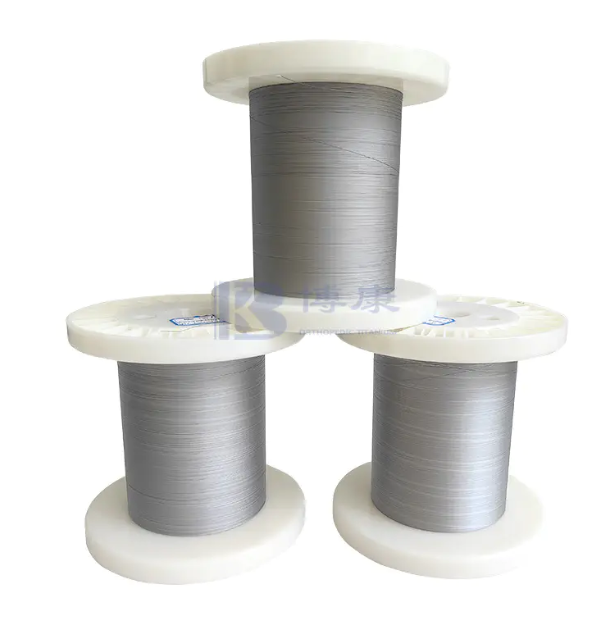
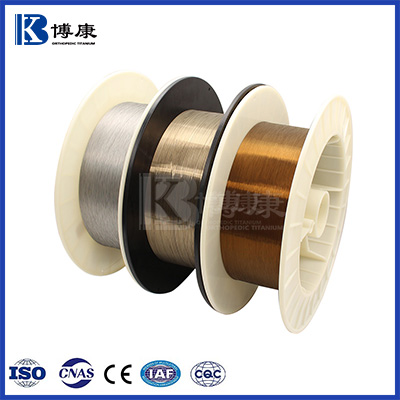
In recent years, the demand for Nitinol guide pins has significantly increased within the global medical device market, especially in the field of orthopedic implant surgery. Nitinol, also known as nickel-titanium alloy, is widely recognized for its superelasticity, biocompatibility, and shape memory properties, which make it an ideal material for minimally invasive surgical instruments.
Rising Demand in Orthopedic Implants
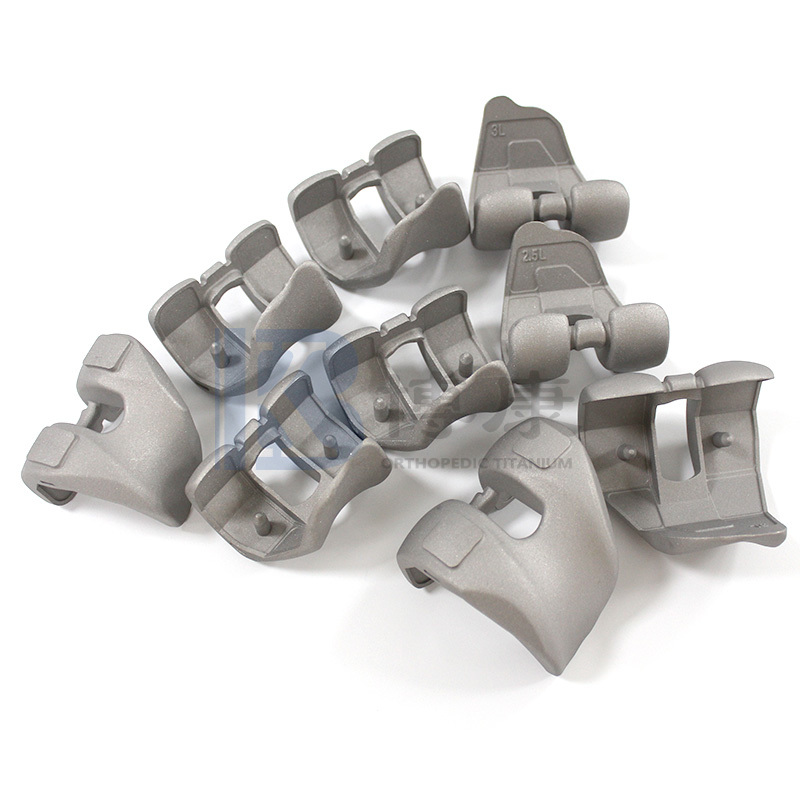
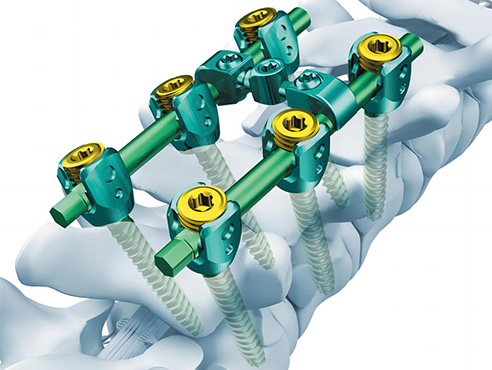
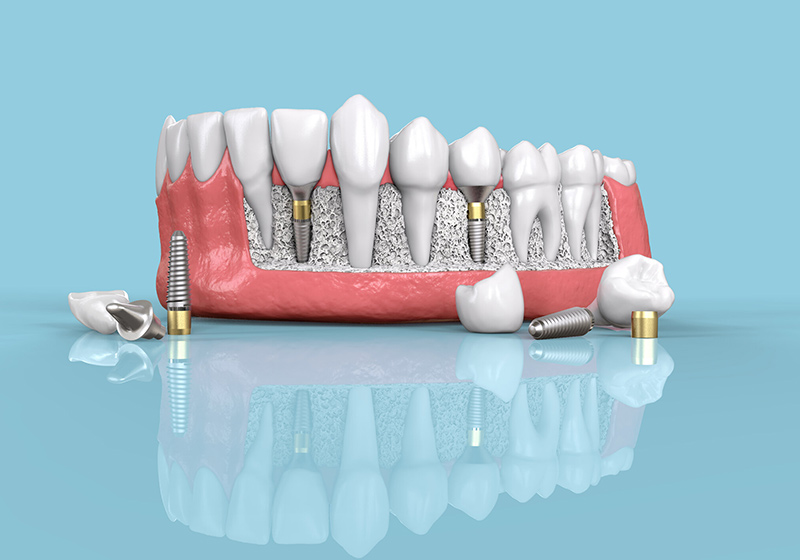
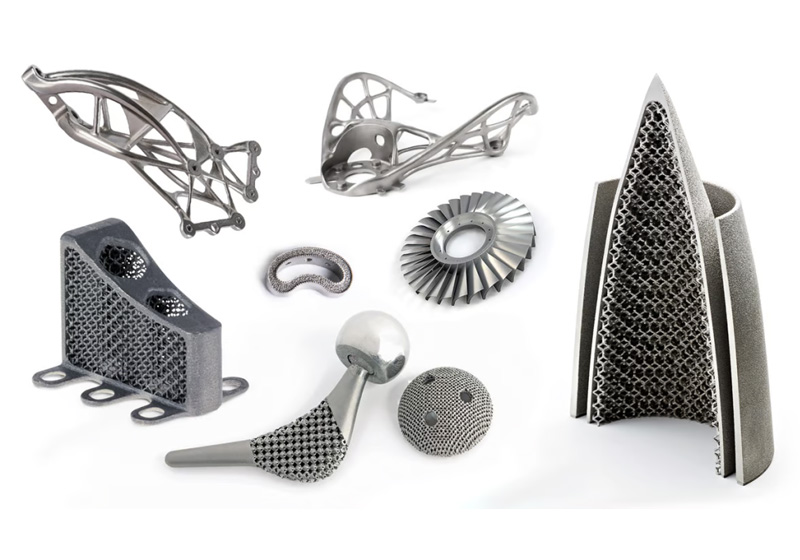
As the global population ages, the need for orthopedic implants—such as joint replacements, bone plates, and spinal fixation systems—continues to grow. Surgeons require reliable guide instruments that ensure accurate drilling and implant positioning, and Nitinol guide pins have emerged as the preferred choice. Their flexibility and durability allow them to perform under demanding conditions without risk of fracture, reducing complications and improving surgical outcomes.
Compliance With International Standards
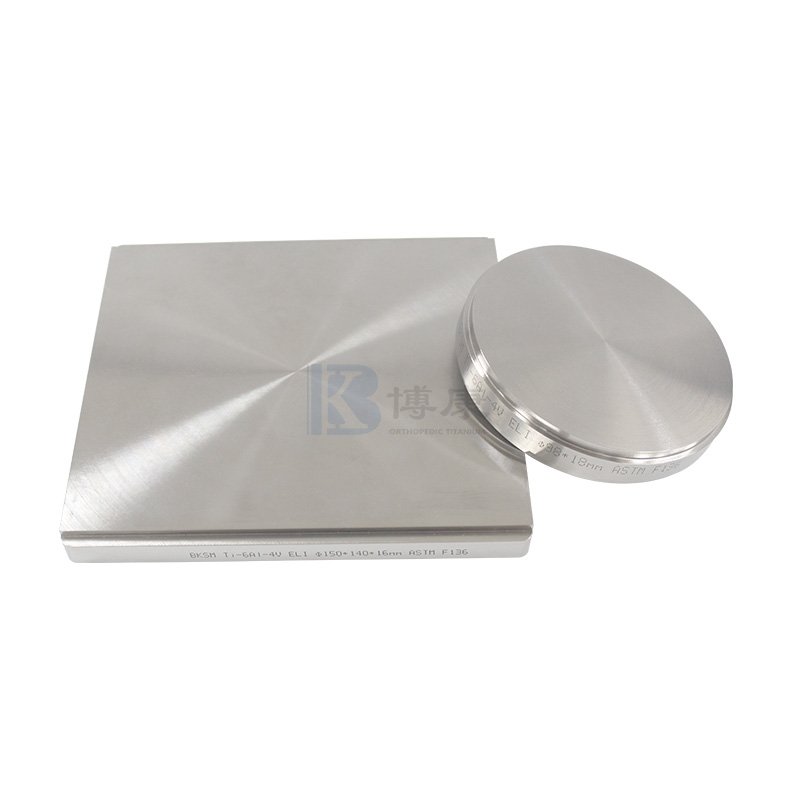
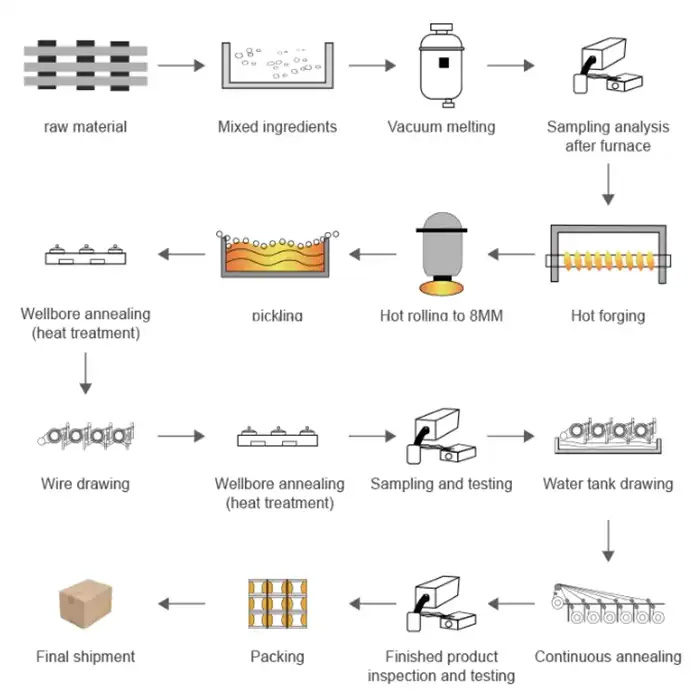
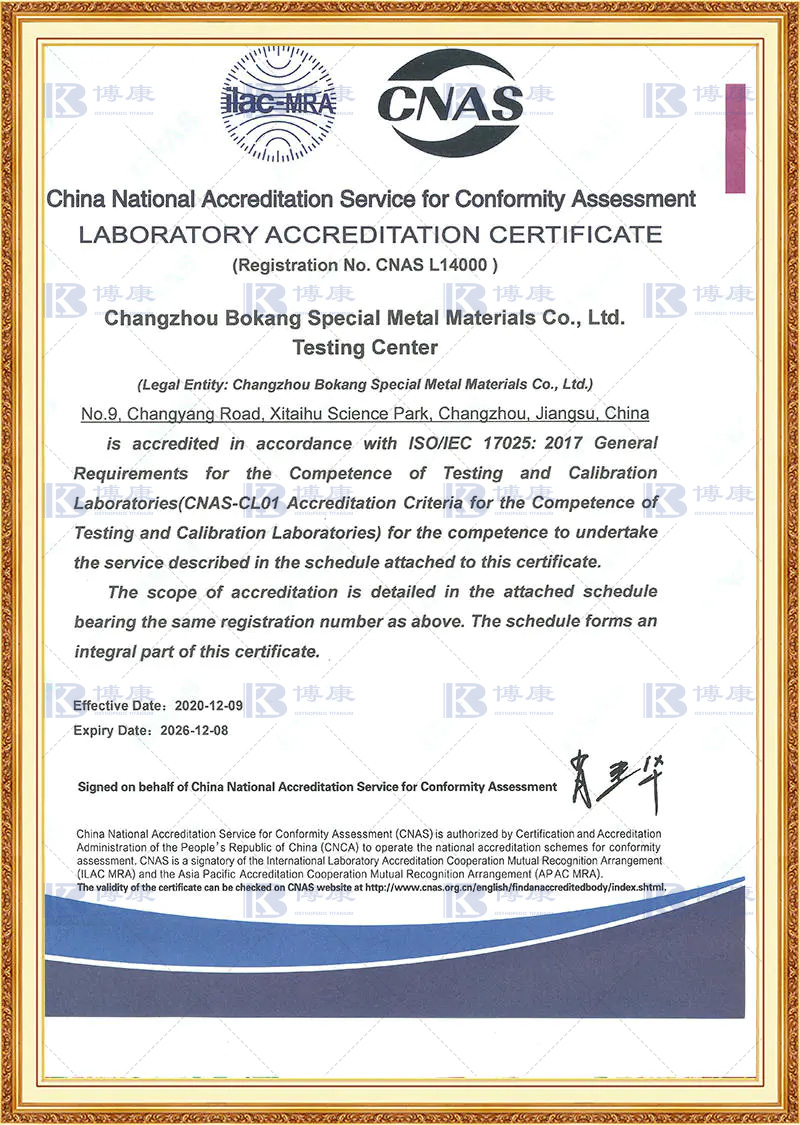
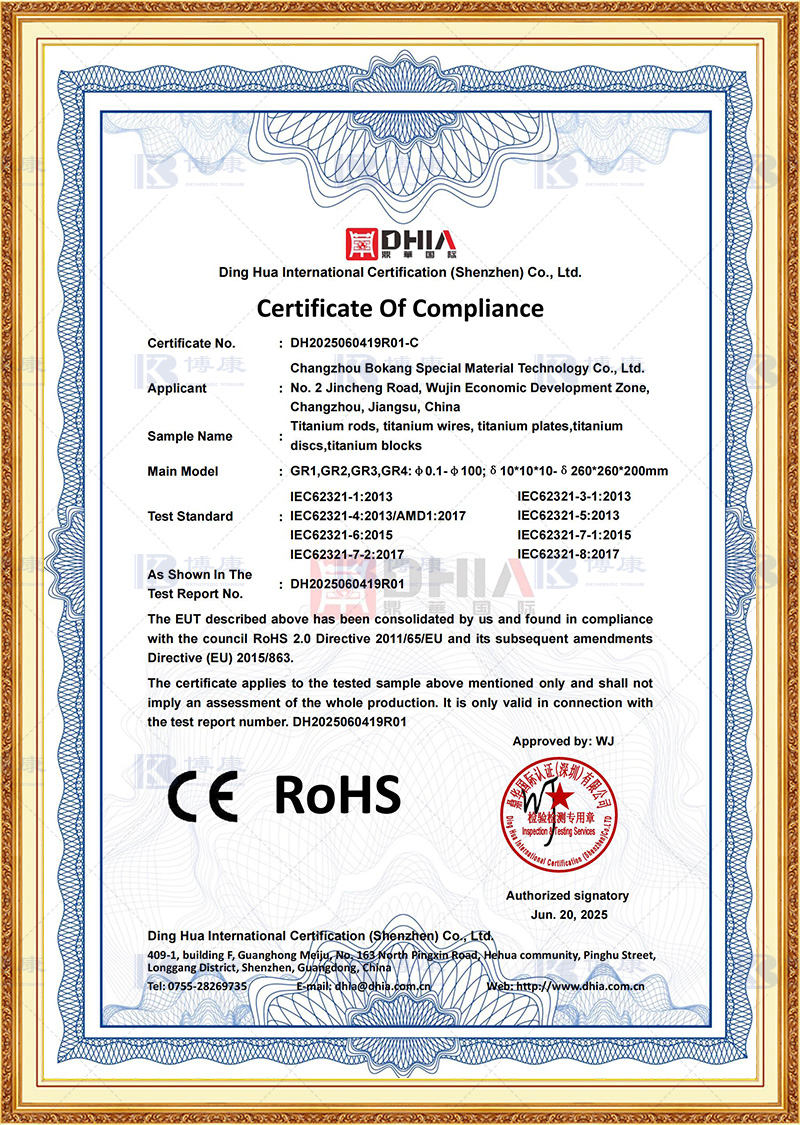
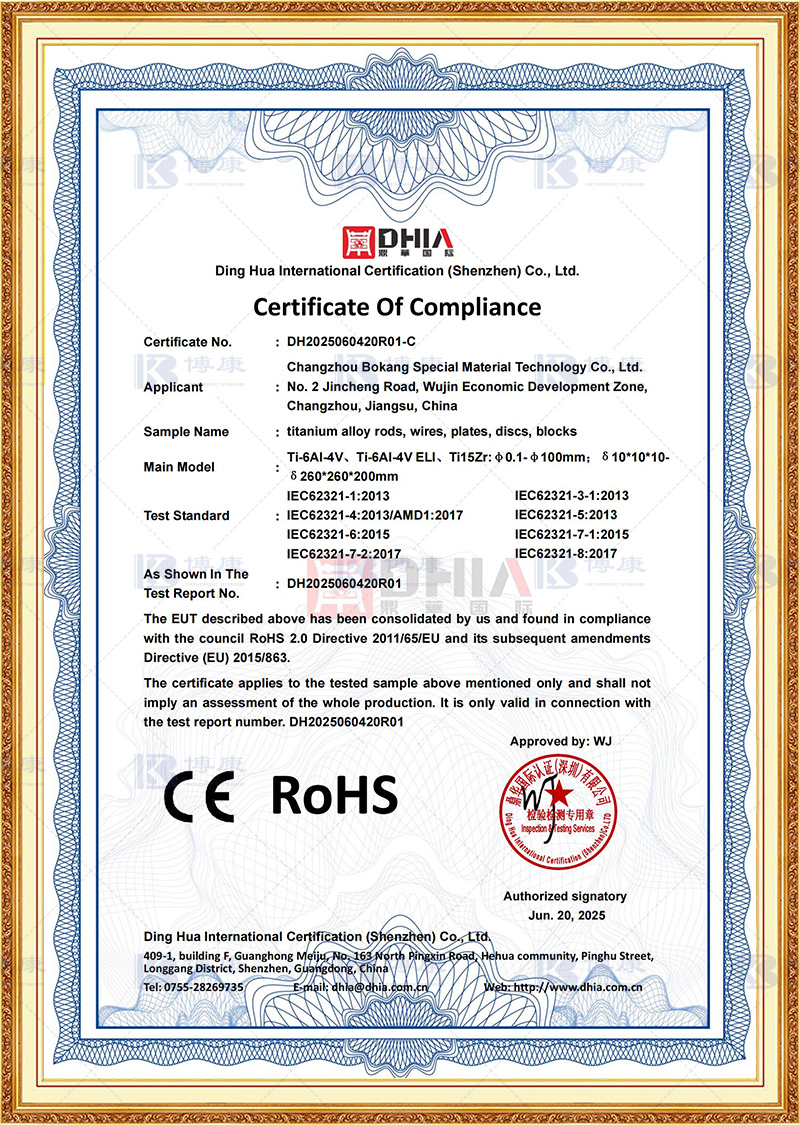
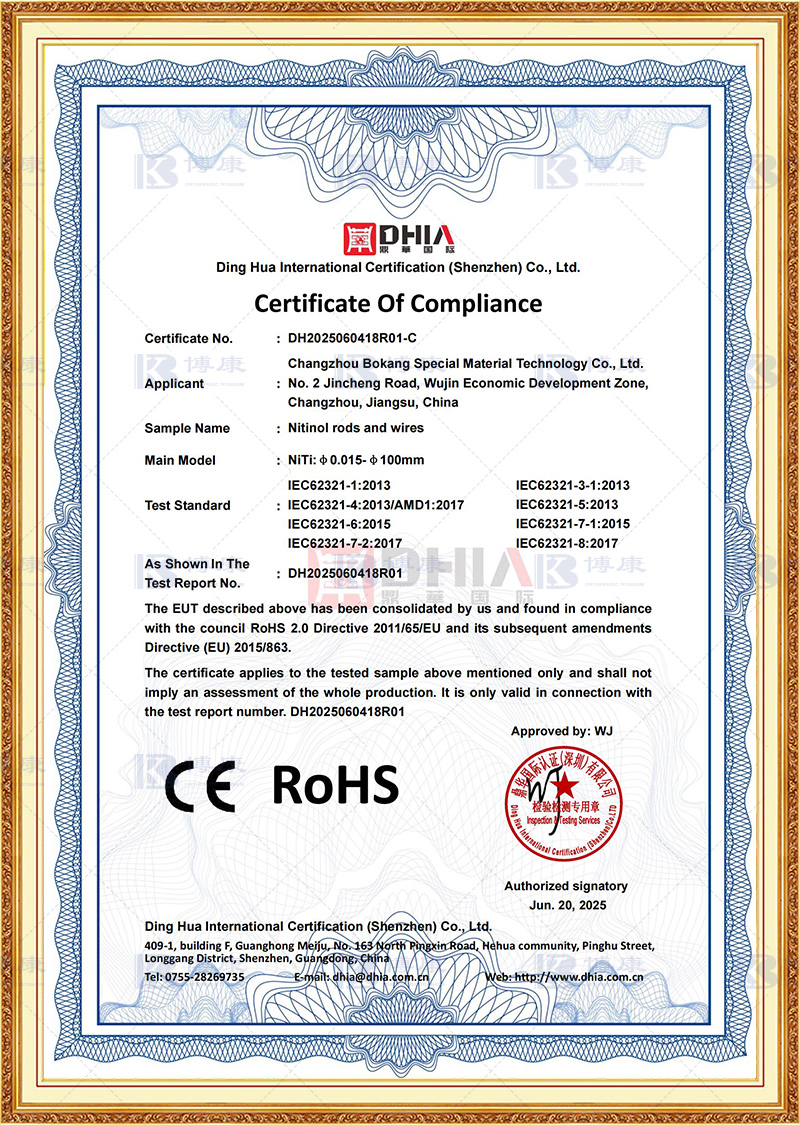
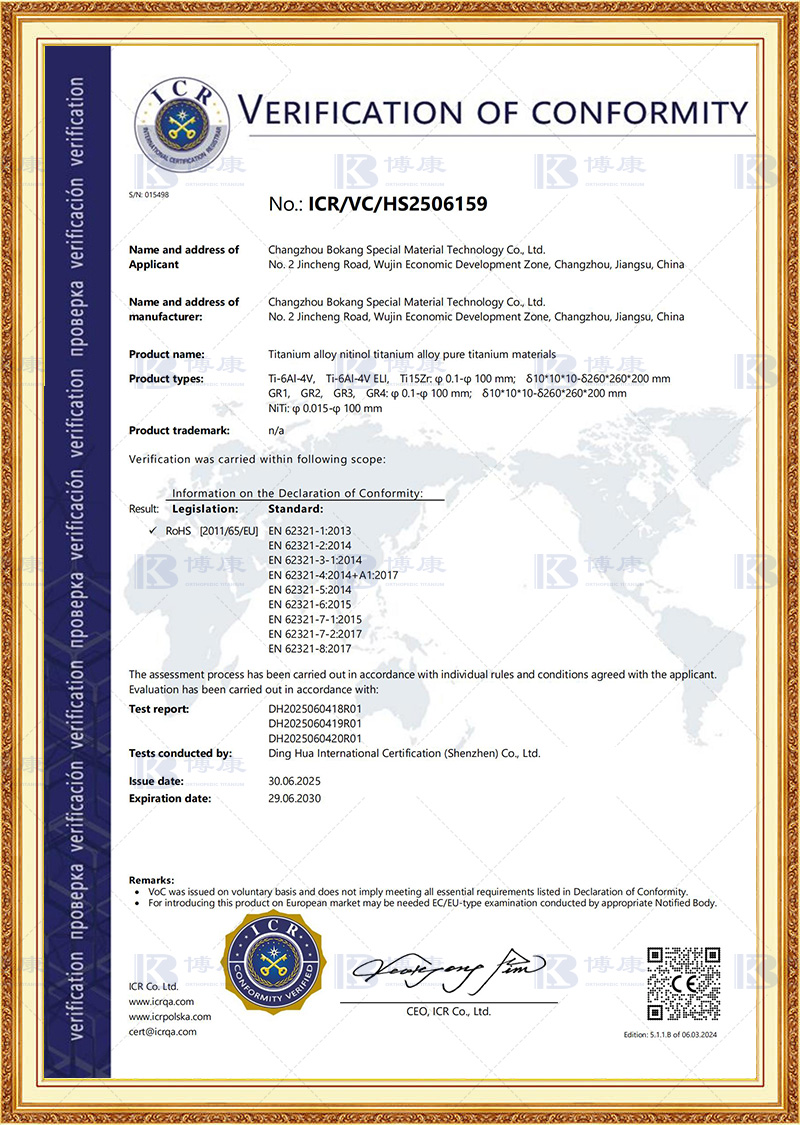
Manufacturers of Nitinol guide pins emphasize strict compliance with international standards such as ASTM F2063 and ISO 13485. Meeting these standards not only guarantees material consistency and mechanical performance, but also ensures that the devices are safe for clinical use. Hospitals and distributors increasingly prioritize products with certified quality systems, making standard-compliant Nitinol instruments highly competitive in the global marketplace.
Technological Advantages Over Traditional Materials
Compared to stainless steel guide pins, Nitinol guide pins offer several key advantages:
-
Superior Flexibility – Enables smooth navigation and precise positioning during surgery.
-
Radiopacity – Provides clear visibility under X-ray and fluoroscopy, assisting surgeons in real-time monitoring.
-
High Fatigue Resistance – Extends product lifespan and reduces risk of instrument failure.
-
Patient Comfort – Minimizes tissue trauma, lowering pain levels and recovery time.
These features contribute to a higher surgical success rate, making Nitinol a transformative material in modern medicine.
Expanding Market and Future Outlook
Industry reports forecast strong growth in the global Nitinol medical device market, driven not only by orthopedic applications but also by cardiovascular stents, orthodontic wires, and other minimally invasive tools. With its proven track record in surgery, the Nitinol guide pin is expected to remain at the forefront of innovation, supporting hospitals and medical professionals in delivering safer, faster, and more effective treatments.

 Send Inquiry
 EN
EN
 English
 日本語
日本語 한국어
한국어 Español
 عربى
عربى русский
 Deutsch
 中文简体
中文简体