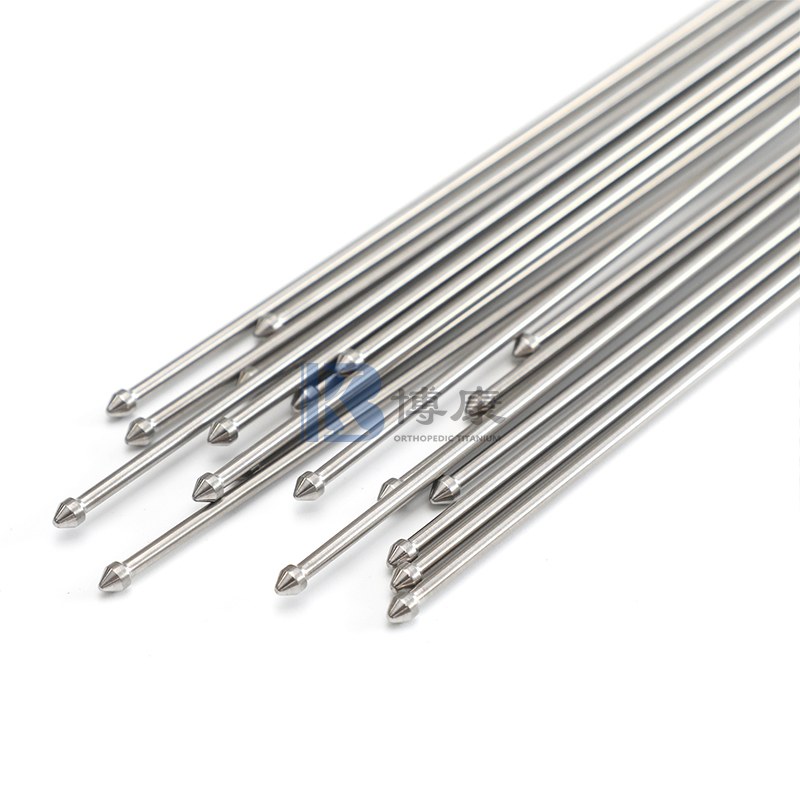
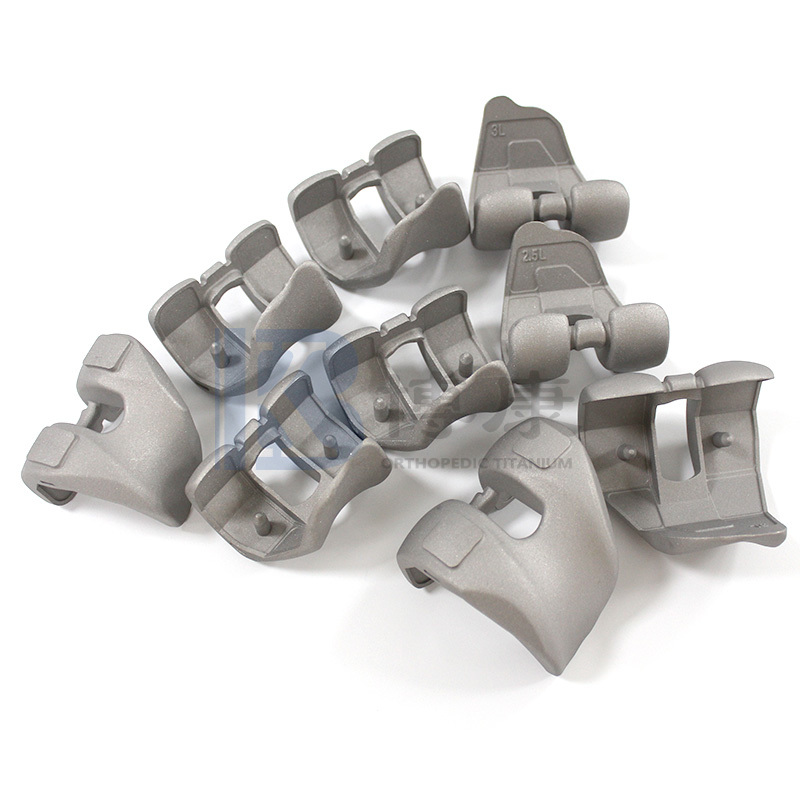
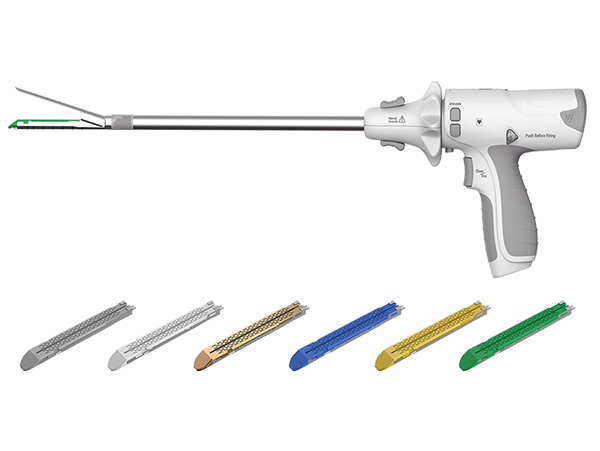
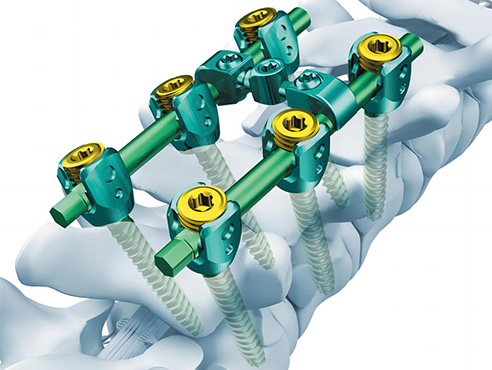
When selecting commercially pure titanium wire (CP titanium wire), many procurement professionals and engineers face the same question: what exactly is the difference between Grade 1, Grade 2, Grade 3, and Grade 4?
By material classification, all four grades are commercially pure titanium. By application, they are widely used in medical devices, dentistry, orthopedic implants, chemical processing equipment, and corrosion-resistant industrial applications. So why are there four distinct grades within the same pure titanium family — and how should you choose between them in practice?
In reality, most products do not require the highest-strength Grade 4, nor is Grade 1 appropriate for every project. The differences between grades go beyond tensile strength — they extend to formability, ductility, springback, fatigue behavior, processing difficulty, and supply stability.
This article provides a systematic analysis of the chemical composition, mechanical properties, and typical applications of Grade 1 through Grade 4 per ASTM F67, and offers practical selection guidance for procurement professionals and product engineers.
All four grades belong to the commercially pure titanium (CP titanium) family. None of them contain alloying additions such as aluminum or vanadium, and the titanium content itself is not meaningfully different between grades.
What actually drives performance differences is the permitted level of interstitial impurity elements — primarily oxygen (O) and iron (Fe). Oxygen is the most significant strengthening element in commercially pure titanium.
As oxygen content increases progressively from Grade 1 to Grade 4, the material follows a consistent pattern:
Importantly, this strength increase is not achieved through alloying — it is achieved by controlling the permitted impurity content. Grade 1 through Grade 4 therefore remain commercially pure titanium, not titanium alloys.
Note: The data in the table below is based on ASTM F67 annealed condition. Actual mechanical properties of titanium wire products will vary depending on supply condition (annealed or cold-drawn), wire diameter, and applicable standard. Confirm against the specific product specification when ordering.
| Grade | Max O (wt%) | Max Fe (wt%) | Min UTS (MPa) | Min YS 0.2% (MPa) | Min Elongation (%) |
|---|---|---|---|---|---|
| Grade 1 | 0.18 | 0.20 | 240 | 170 | 24 |
| Grade 2 | 0.25 | 0.30 | 345 | 275 | 20 |
| Grade 3 | 0.35 | 0.30 | 450 | 380 | 18 |
| Grade 4 | 0.40 | 0.50 | 550 | 483 | 15 |
Two patterns stand out from this data.
First, strength increases are approximately equal across grade transitions. The minimum UTS increments from Grade 1 to Grade 2, Grade 2 to Grade 3, and Grade 3 to Grade 4 are approximately 105 MPa, 105 MPa, and 100 MPa respectively. No single grade transition delivers a disproportionate performance step-change.
Second, ductility decreases gradually but remains workable throughout. Minimum elongation falls from 24% at Grade 1 to 15% at Grade 4 — a total reduction of only 9 percentage points. Compared to titanium alloys such as Ti-6Al-4V, all four CP titanium grades maintain good ductility and cold workability. For most applications, elongation is therefore not the primary selection differentiator within this grade family.
Grade 1 offers the highest ductility and lowest strength of the four CP titanium grades. It is appropriate for applications where formability is the primary design requirement and tensile load-bearing capacity above 240 MPa is not a constraint.
At diameters of approximately 0.2–0.4 mm, suture wire must withstand extremely tight bend radii and repeated bending during knot tying. The critical requirement is resistance to fracture at the knot zone — not tensile load capacity. Because Grade 1 has the lowest oxygen content, it produces a more ductile microstructure that tolerates tight bend radii without initiating cracks, making it the established choice for fine suture wire and certain flexible medical device components.
Lower yield strength means less elastic energy stored during cold forming, resulting in less springback after the forming tool is released. For components that must hold their formed geometry without secondary straightening — such as precision bent elements in minimally invasive instruments or flexible fixation parts — Grade 1 typically delivers more predictable dimensional outcomes than higher grades.
Is Grade 1 always better than Grade 2? No. If the product must carry structural load, Grade 1's lower strength may become a limiting factor. Grade 1 is the right choice only when the design explicitly requires maximum ductility and minimum springback.
In medical devices, dentistry, and industrial corrosion-resistant applications, Grade 2 is the most widely specified CP titanium wire grade. For the majority of new product development projects, Grade 2 should be the starting point — not the result of eliminating other options.
Grade 2 delivers a minimum UTS of 345 MPa and minimum yield strength of 275 MPa, while maintaining a minimum elongation of 20%. This combination satisfies the mechanical requirements of the vast majority of medical and industrial wire applications, providing a well-balanced trade-off between strength and formability.
Grade 2 has the highest global demand of the four CP titanium grades, which translates into a more established supply chain. Particularly in the fine-diameter range of 0.2–1.0 mm, Grade 2 typically offers:
For medical device manufacturers requiring long-term supply stability, this is a significant practical advantage.
Grade 2 is sufficient for the following typical product categories:
If the product drawing or applicable standard does not specify a minimum UTS above 345 MPa, Grade 2 is typically the most cost-effective and supply-stable choice.
The decision to specify Grade 3 or Grade 4 should not be based simply on wanting "higher strength" — it should be driven by a documented design requirement that Grade 2 cannot reliably meet. As oxygen content increases, the material gains strength but also becomes:
Higher-grade CP titanium is therefore not a routine upgrade from Grade 2 — it is an engineering selection decision made for specific application requirements.
Grade 3 provides a minimum UTS of 450 MPa. It is primarily used in:
Note that some Grade 2 production lots may achieve actual UTS values above 400 MPa — but medical device designs are typically validated against the standard's minimum property values, not against a single batch's measured performance. When a regulatory or design requirement sets a minimum UTS floor at 450 MPa, Grade 3 should be specified directly, rather than relying on Grade 2 to incidentally exceed its standard minimum.
Grade 4 provides a minimum UTS of 550 MPa — the highest within the CP titanium family. It is used in:
Although Grade 4 offers significantly higher strength than Grade 2, its minimum elongation is only 15%, and it places greater demands on surface quality and process control during drawing. Grade 4 is a deliberate engineering specification — not a routine default upgrade.
Grade 4 represents the upper limit of the CP titanium family. If a product design requires a minimum UTS above 550 MPa, continuing to compare Grades 1 through 4 is no longer productive — the transition to a titanium alloy must be considered.
It is important to note that transitioning from CP titanium to a titanium alloy is not simply a material substitution — it may require changes to product design, manufacturing processes, and validation protocols. The decision should be made based on a comprehensive evaluation of the application's service environment, regulatory requirements, and performance targets.
Grade 5 is one of the most widely used titanium alloys, with a minimum UTS typically reaching 895 MPa — approximately 2.6 times that of Grade 2. Its excellent strength-to-weight ratio makes it a standard material for aerospace structural components, high-load industrial parts, and certain medical devices. However, because it contains aluminum and vanadium, Grade 23 is generally preferred for long-term implantable applications.
Grade 23 is the Extra Low Interstitial version of Grade 5 and is the most widely used implant-grade titanium alloy. Compared to Grade 5, it offers:
For implantable devices requiring both high strength and long-term biocompatibility, Grade 23 is typically the preferred choice.
Grade 9 provides a minimum UTS of approximately 620 MPa — positioned between Grade 4 and Grade 5. Compared to Grade 5, Grade 9 offers better cold workability and is easier to bend, coil, and draw, making it a common choice for titanium tubing, mid-strength precision components, and industrial products with higher formability requirements. If a product needs only a moderate strength increase above Grade 4 without the more demanding processing requirements of Grade 5, Grade 9 is a practical intermediate option.
| Application | Recommended Grade | Primary Selection Driver |
|---|---|---|
| Surgical suture wire (0.2–0.4 mm) | Grade 1 | Maximum ductility, reduced knot fracture risk |
| Fine flexible medical wire | Grade 1 | Minimal springback, easy forming |
| Surgical staples | Grade 2 | Optimal strength-ductility balance |
| Surgical ligation clips | Grade 2 | Forming consistency, dimensional uniformity |
| Endoscopic instrument components | Grade 2 | Covers most load-bearing requirements |
| Medical device connector elements | Grade 2 | Cost, supply stability, and processing advantages |
| Industrial corrosion-resistant wire | Grade 2 | Stable performance, best cost-effectiveness |
| Orthopedic cerclage wire | Grade 3 | Higher minimum strength guarantee |
| High-load orthopedic fixation components | Grade 4 | Maximum CP titanium strength |
| Long-term load-bearing implant components | Grade 4 or Grade 23 | Select CP titanium or alloy based on design load |
Grade 2 covers the overwhelming majority of use cases. Grade 3 and Grade 4 are not replacements for Grade 2 — they are options that provide a higher minimum strength floor for specific design requirements.
The ability to produce Grade 2 reliably does not guarantee equivalent capability for Grade 3 or Grade 4. The higher oxygen content reduces ductility, which places greater demands on the drawing process, intermediate annealing, and surface control — particularly when producing fine-diameter wire below 0.5 mm.
Before confirming a supplier order, verify the following:
Ask the supplier for the minimum diameter they have achieved in production volume for Grade 3 and Grade 4 — not laboratory sample specifications.
Beyond a Certificate of Conformance (COC), request a Mill Test Report (MTR) from an actual production lot. The report should include:
For medical device manufacturers, consistency across lots is typically more important than single-lot peak performance. Confirm whether the supplier has a robust process control system in place to ensure long-term supply stability.
Medical-grade titanium wire suppliers should operate a quality management system certified to ISO 13485, with complete material traceability from raw material to finished product.
If the product design requires a minimum UTS no higher than 345 MPa, Grade 2 is generally suitable. If the design requires 550 MPa, Grade 2 cannot substitute for Grade 4.
No. Grade 4 only means a higher minimum strength floor — it does not make it suitable for all products. For the majority of medical and industrial applications, Grade 2 already meets the requirements and offers better formability and more stable supply availability.
Because Grade 2 achieves the best overall balance of strength, ductility, formability, supply stability, and cost — covering the vast majority of application scenarios.
Grade 1 is most appropriate for products requiring high ductility, minimal springback, and very tight bend radii — such as fine-diameter surgical suture wire and certain flexible medical device components.
When a product requires not only high strength but also long-term implantability, excellent fatigue performance, and higher fracture toughness, Grade 23 should be evaluated directly — rather than continuing to compare CP titanium grades.
Cold-drawn wire has higher strength and hardness but lower ductility. Annealed wire offers better elongation and formability. When ordering, confirm the supply condition based on the product's downstream processing requirements and in-service performance targets.
Changzhou Bokang Special Material Technology Co., Ltd. specializes in the research and manufacture of medical-grade and industrial titanium materials, supplying Grade 1, Grade 2, Grade 3, and Grade 4 commercially pure titanium wire in compliance with ASTM F67.
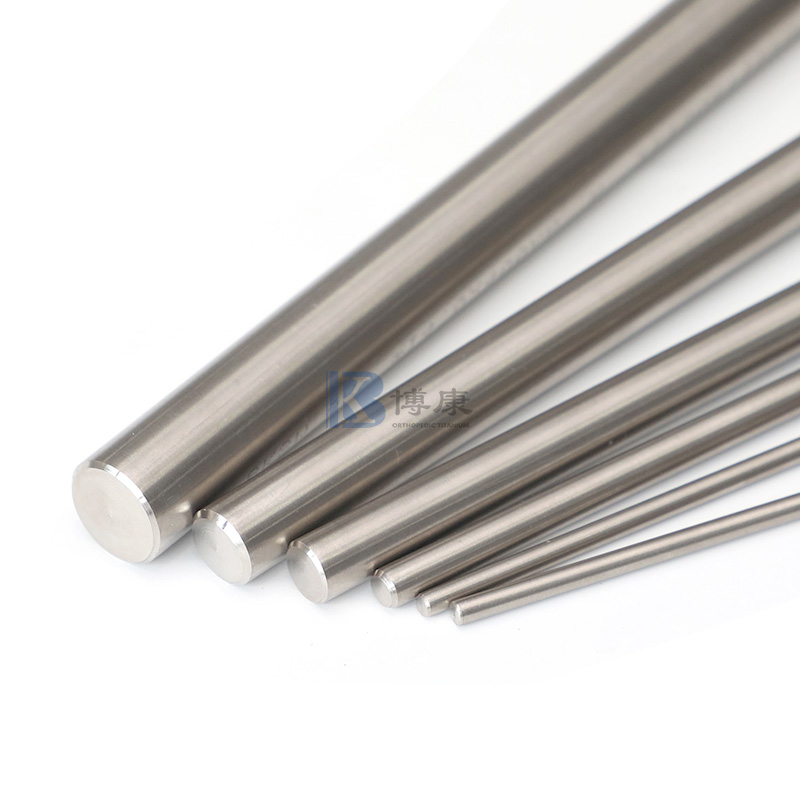
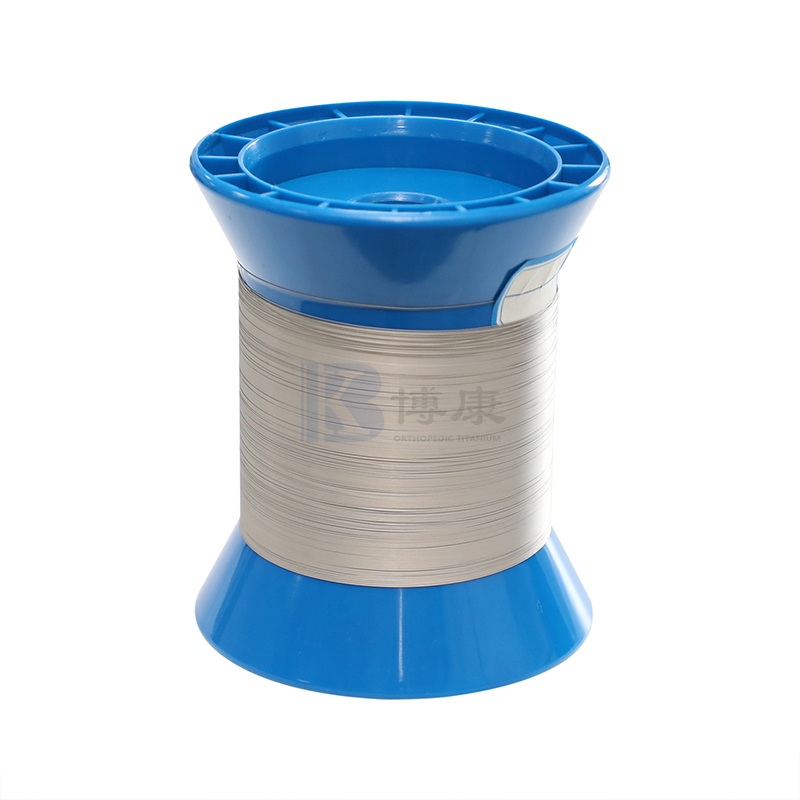
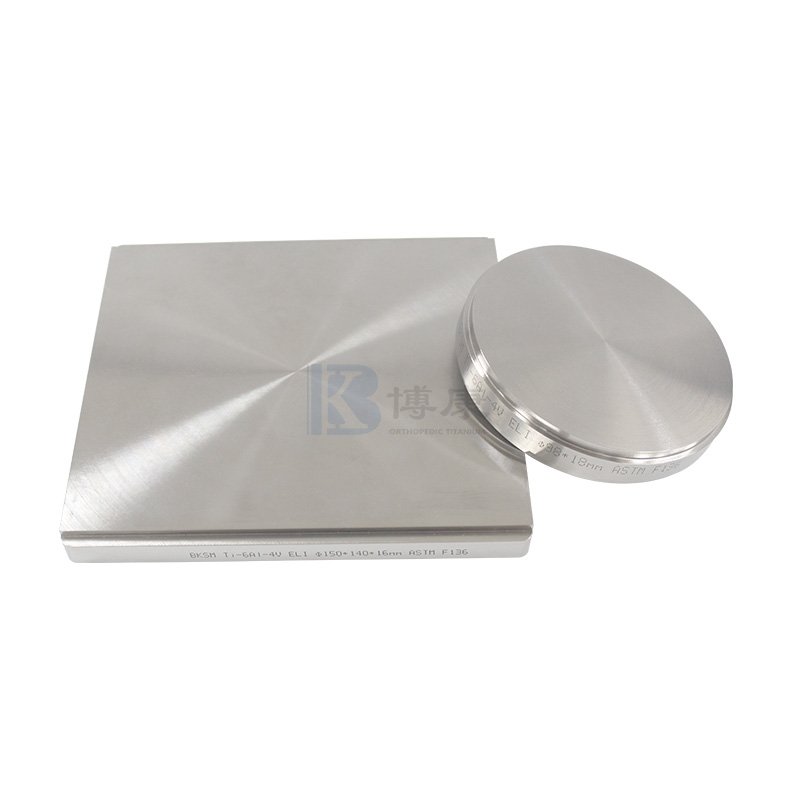
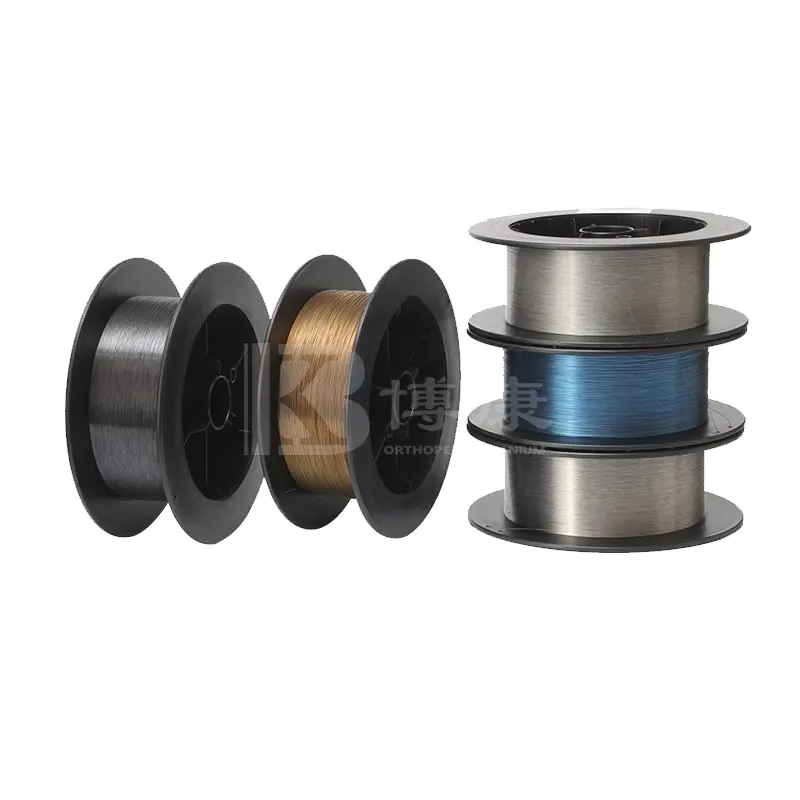
Available product forms include:
Through a fully integrated in-house production system, the company maintains complete quality control from raw material to finished product inspection, supported by a comprehensive batch traceability system. All products are supplied with lot-specific Mill Test Reports (MTR) covering chemical composition, mechanical properties, and other key parameters — providing medical device and advanced industrial customers with stable, fully traceable material supply.
Although Grade 1 through Grade 4 all belong to the commercially pure titanium family, they are not simply a strength ladder — they represent distinct material solutions for different design requirements.
For the vast majority of medical and industrial applications, Grade 2 is the best overall choice, balancing performance, formability, supply stability, and cost. When the product requires a higher minimum strength guarantee, Grade 3 or Grade 4 can be specified based on the actual design requirement. When CP titanium can no longer meet the performance target, implant-grade alloys such as Grade 23 should be considered.
In the material selection process, looking beyond the standard grade label matters. A comprehensive evaluation that considers product structure, manufacturing process, regulatory requirements, and supplier production capability will lead to more reliable outcomes. Choosing a supplier with consistent batch performance and a complete quality traceability system reduces downstream validation risk and supports long-term production stability.
Copyright © 2024 Changzhou Bokang Special Material Technology Co., Ltd. All Rights Reserved.
Custom Round Pure Titanium Rod Manufacturers Privacy