EN
EN
 English
 日本語
日本語 한국어
한국어 Español
 عربى
عربى русский
 Deutsch
 中文简体
中文简体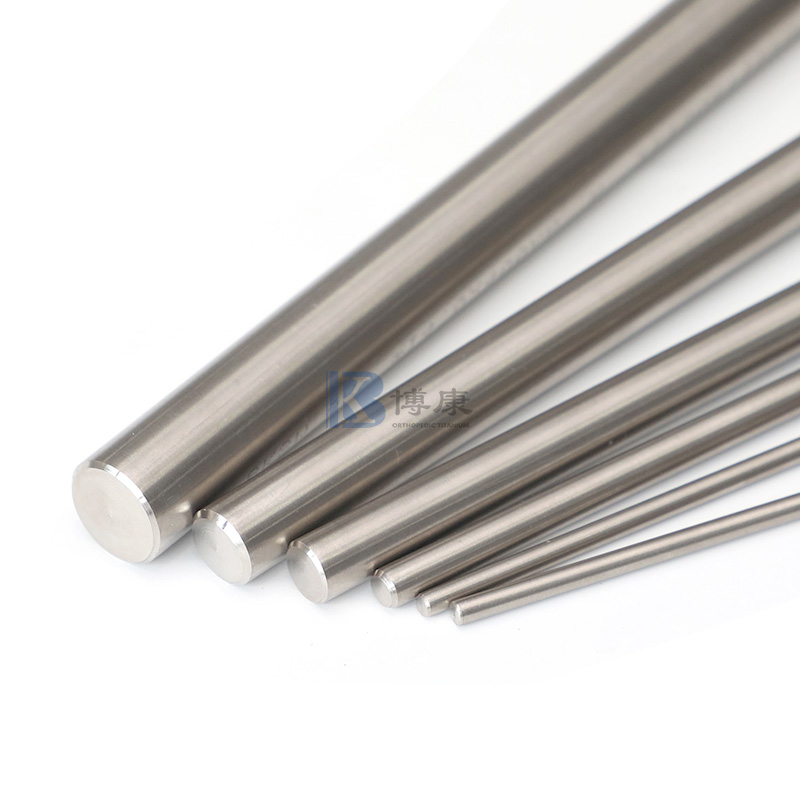
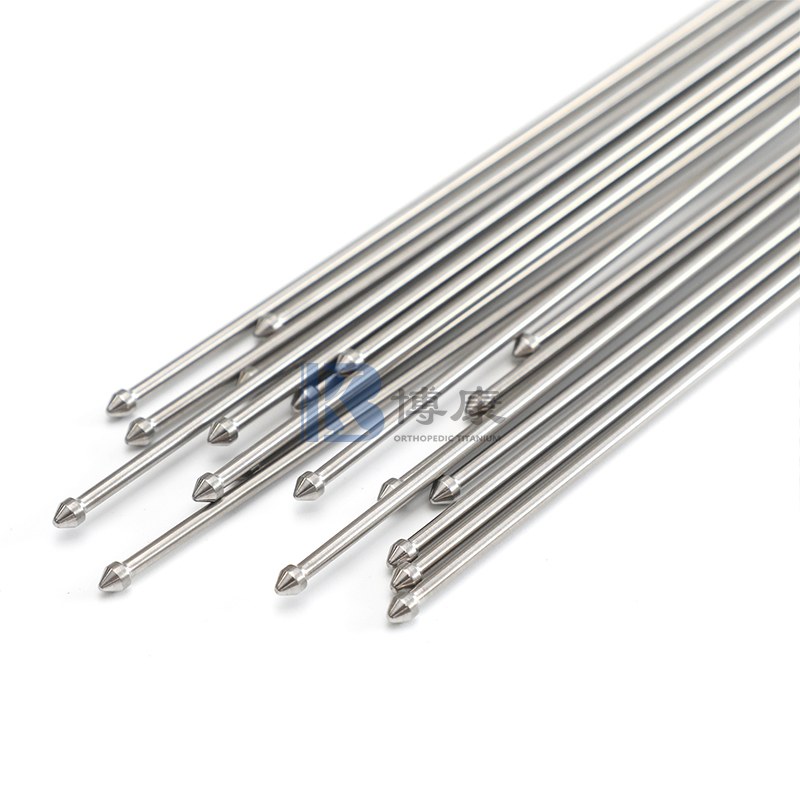
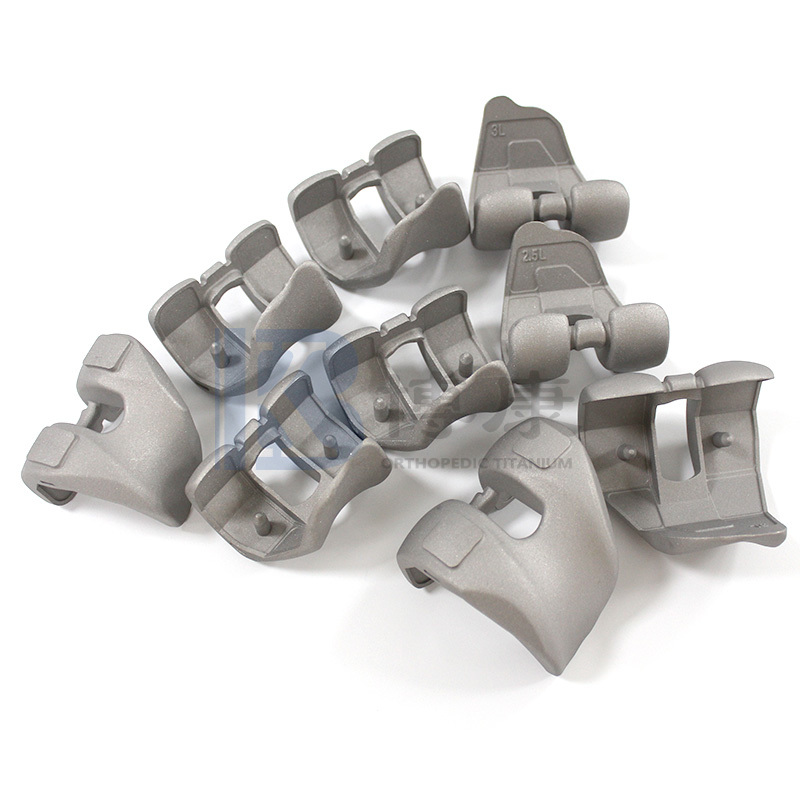
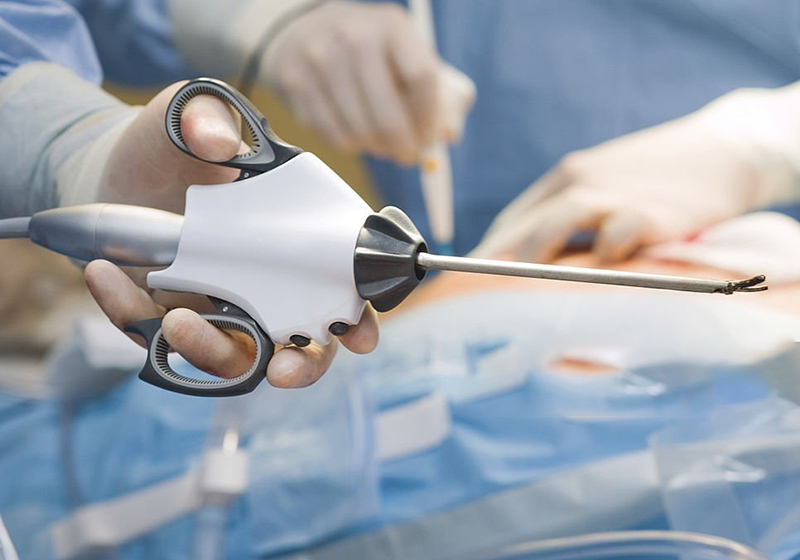
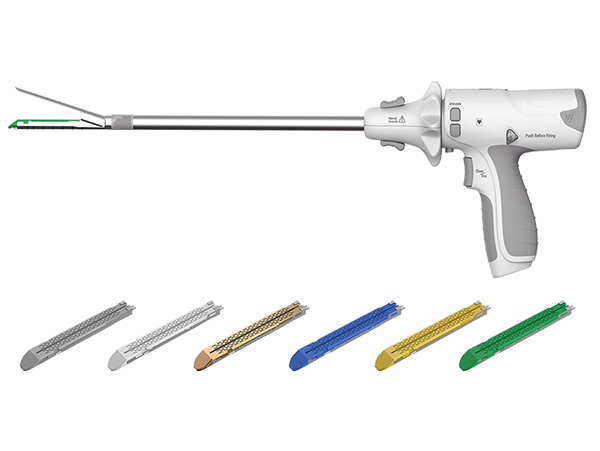






Nitinol Guide Pin
Common Specifications
-
φ2.5×660 mm
-
φ2.5×900 mm
-
φ2.5×1000 mm
-
φ2.5×1200 mm
-
Other custom sizes available upon request
E-mail: [email protected]
Send Inquiry

 Send Inquiry
φ2.5×660 mm
φ2.5×900 mm
φ2.5×1000 mm
φ2.5×1200 mm
Other custom sizes available upon request
|
Grade |
NiTi |
|
Standard |
ASTM F2063-18,Customized |
|
Common Specifications |
φ2.5×660, φ2.5×900, φ2.5×1000, φ2.5×1200 |
|
Diameter Tolerance |
h6, h7, h8 |
|
Surface Finish |
Bright |
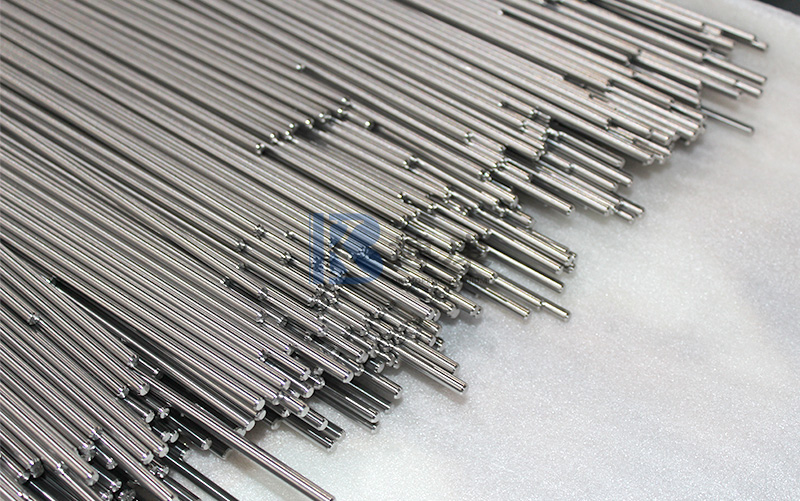
High-quality nitinol products with various diameters, tolerances and performances can be customized according to requirements
The Integrated Nitinol Guide Pin can be manufactured in different shapes and dimensions based on customer requirements. This flexibility ensures compatibility with a wide range of orthopedic implant instruments and surgical techniques.
Excellent Flexibility – Allows smooth navigation and reduces the risk of breakage.
High Precision Positioning – Ensures accurate guidance for drilling and implant placement.
Clear Radiopacity – Provides sharp imaging for real-time surgical monitoring.
Patient-Friendly Performance – Significantly reduces patient discomfort and increases surgical success rates.
Nitinol Guide Pin Features:
Fully Independent Processing – Complete in-house production ensures consistent quality and precision at every stage.
Integrated Design – One-piece manufacturing enhances durability and eliminates weak points.
High Pull-Out Resistance – Tested with resistance greater than 1200 MPa, offering stability and security during procedures.
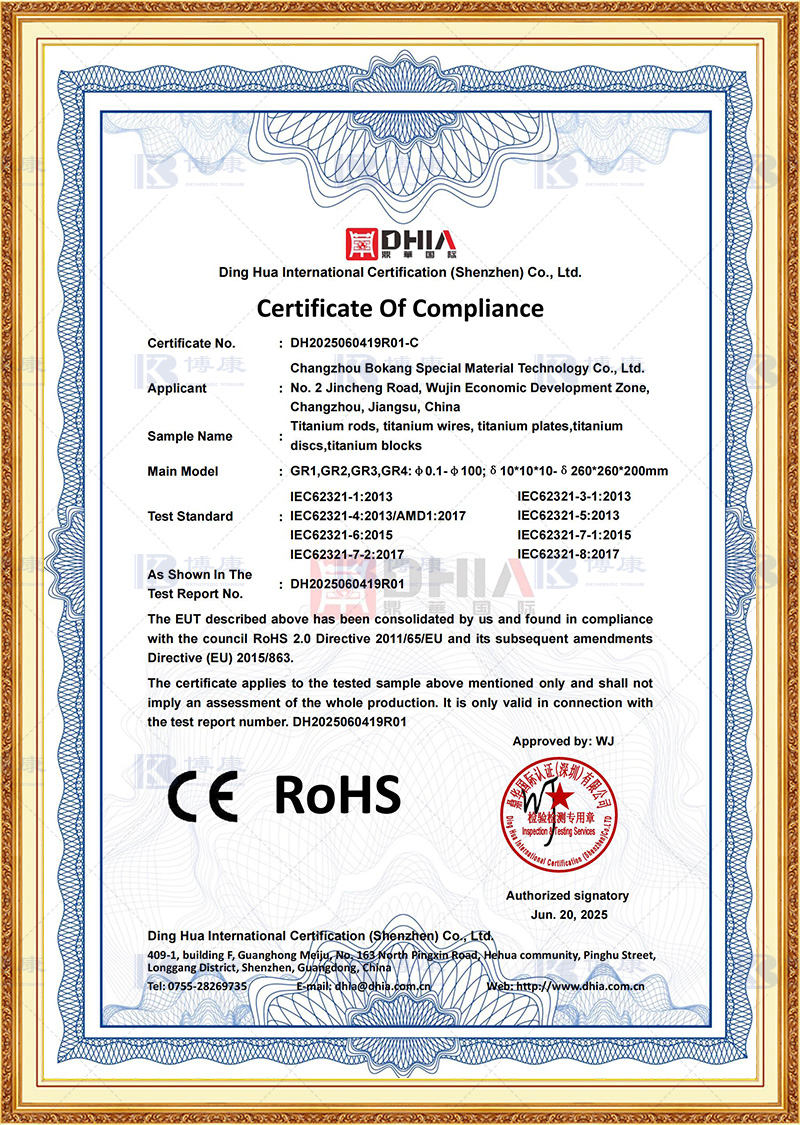
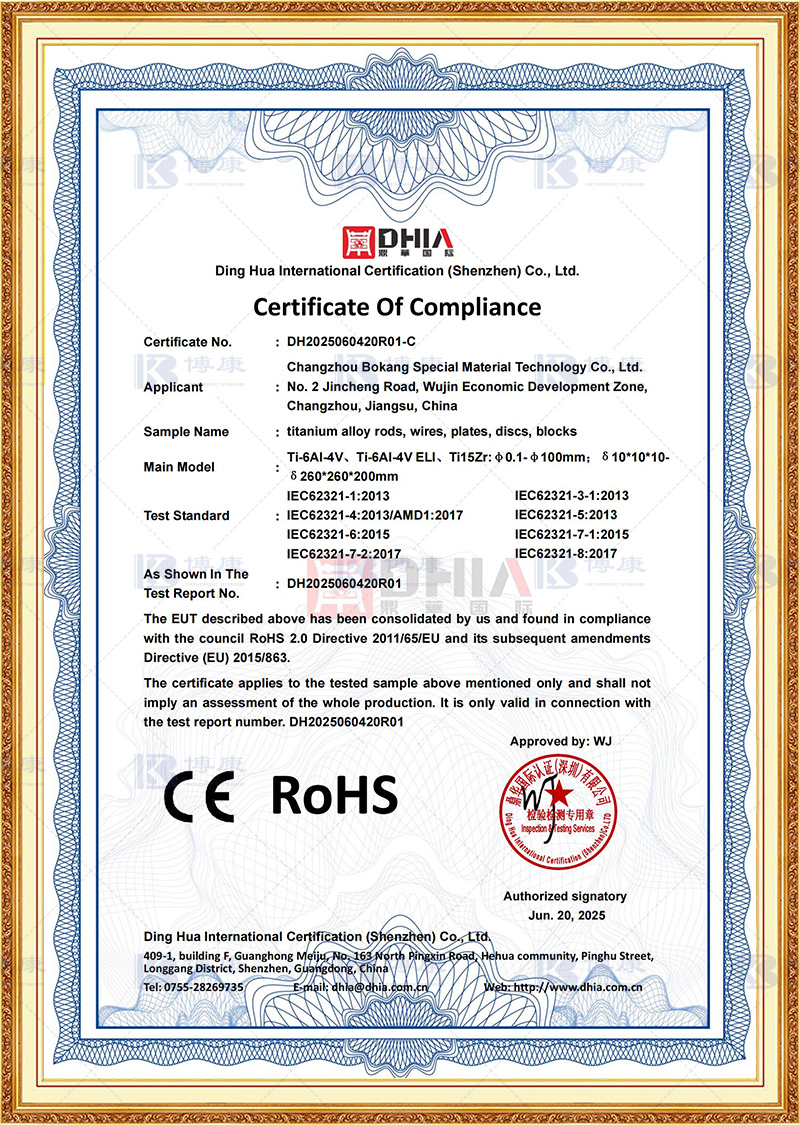
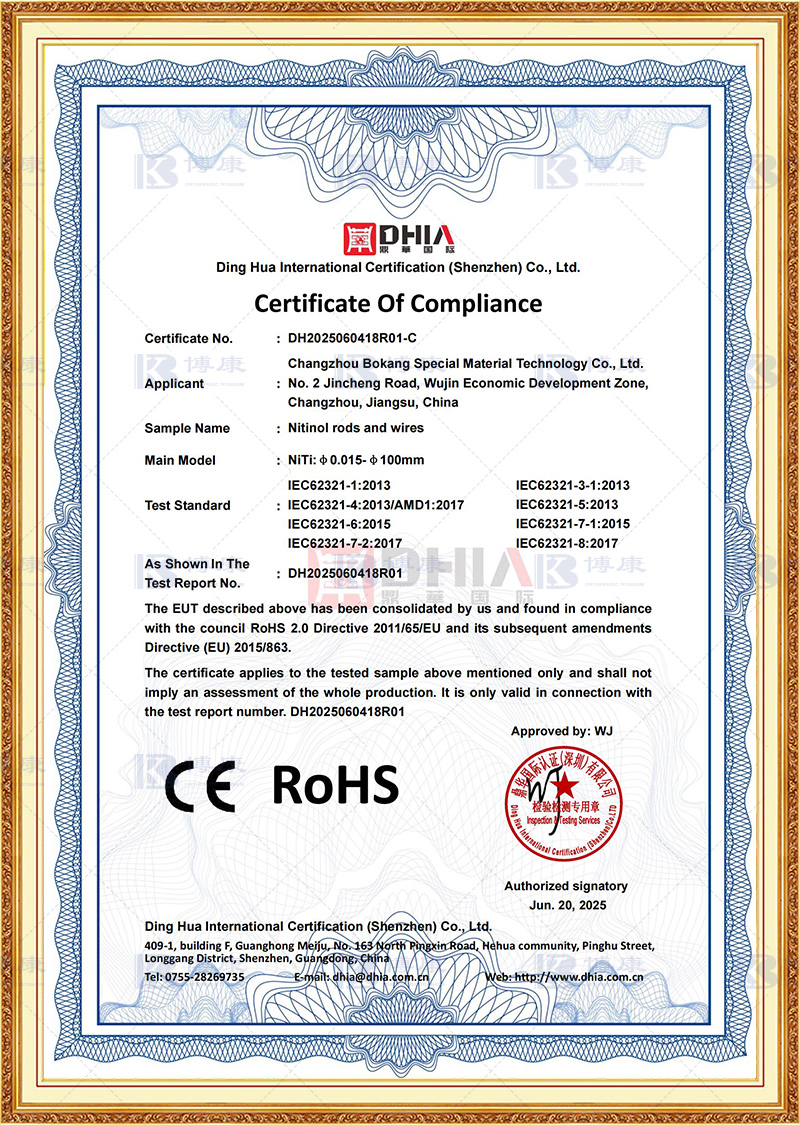
With strong R&D capabilities, strict compliance to international standards, and a commitment to quality, we provide reliable Nitinol guide pins that meet the demands of modern orthopedic surgery. Our products combine durability, precision, and biocompatibility—making them the preferred choice for global medical device manufacturers and hospitals.
ASTM F2063-12 Chemical Requirements:
|
Element |
Composition,% (mass/mass) |
|
Nickel |
54.5 to 57.0 |
|
Carbon (Maximum) |
0.050 |
|
Cobalt (Maximum) |
0.050 |
|
Copper (Maximum) |
0.010 |
|
Chromium(Maximum) |
0.010 |
|
Hydrogen(Maximum) |
0.005 |
|
Iron (Maximum) |
0.050 |
|
Niobium (Maximum) |
0.025 |
|
Nitrogen plus Oxygen(Maximum) |
0.050 |
|
Titanium |
Balance |
ASTM F2063-12 Standard mechanical properties:
|
Diameter Mm(in) |
Tensile strength MPa, Minimum |
Elongation in 50.0 mm [1.97 in.] or 4 D, % Minimum |
|
≤50 (<1.97 in) |
551 (79.9 KSI) |
15 |
|
>50(>1.97 in) |
551 (79.9 KSI) |
10 |
DISCLAIMER: The use of this information should be considered strictly voluntary. Information on this page or across the domain may contain typographical errors and are for reference only. The information presented is purely generalizations and is not a substitution for ASTM specifications.
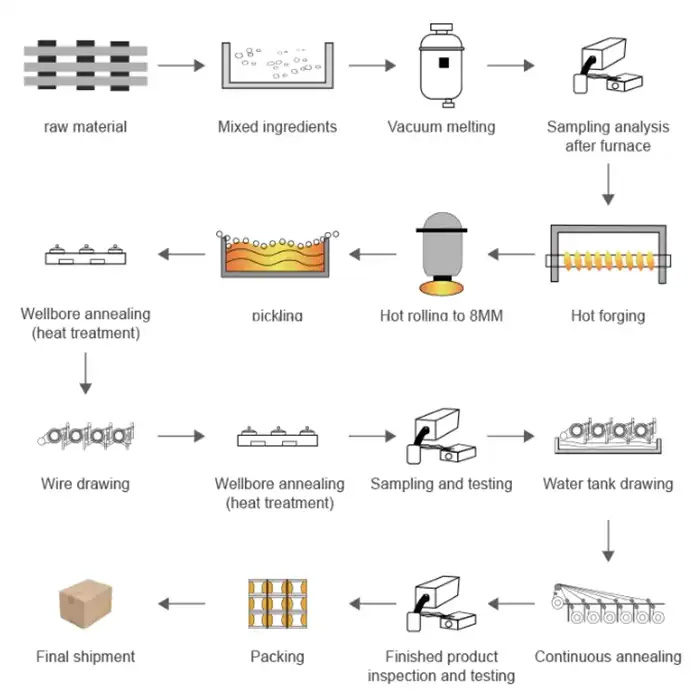
Nitinol Production Process
Raw material → Mixed ingredients → Vacuum melting → Sampling analysis after furnace → Hot forging → Hot rolling to 8MM → Pickling → Wellbore annealing (heat treatment) → Wire drawing → Wellbore annealing (heat treatment) → Sampling and testing → Water tank drawing → Continuous annealing → Finished product inspection and testing → Packing → Final shipment
Bokang is committed to being a leading supplier of materials for medical, aerospace, and industrial markets, operating with the highest standards to meet our goals.
Quality First Philosophy
We adhere to a Quality First philosophy, where the integrity of our products and reputation depend on the highest standards of conduct. Our quality management system continuously evolves to comply with and exceed industry standards.
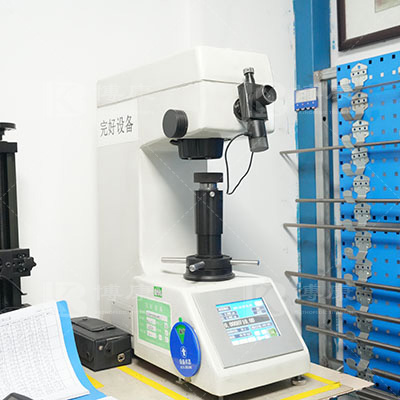
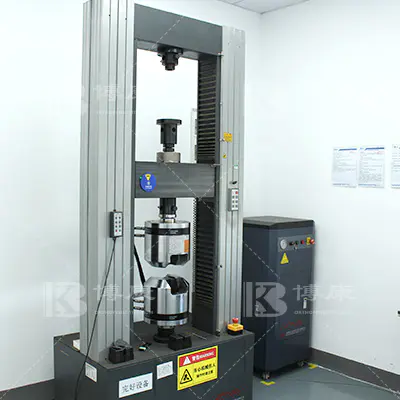
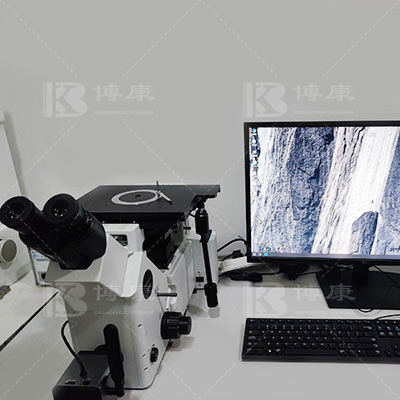
Rigorous Testing Process
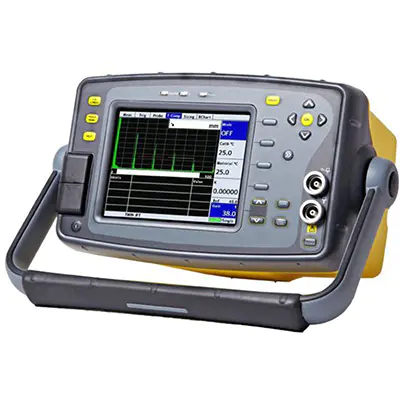
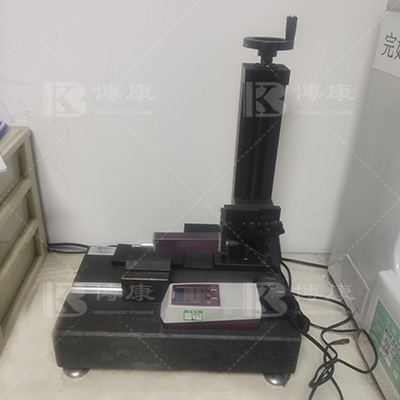
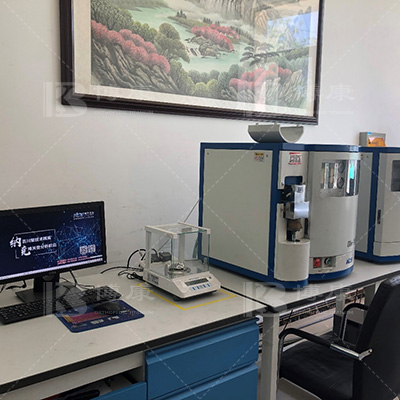
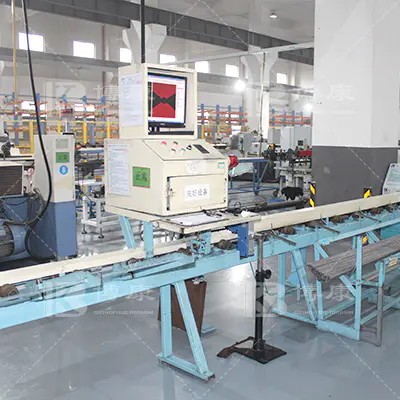
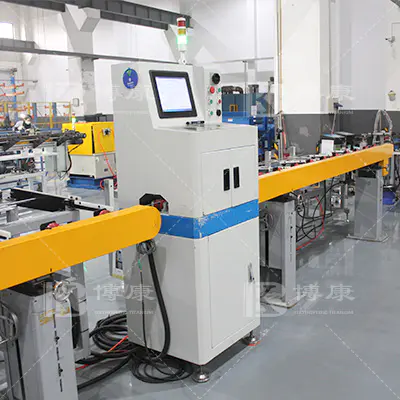
Before shipment, every product undergoes a strict testing process to ensure zero defects:
Our rigorous inspection process guarantees that each product meets the highest quality and performance standards.
|
|
|
|
|
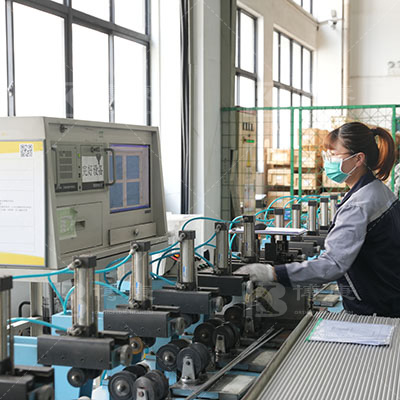
Full-process independent production |
Super high-quality guarantee |
Professional R&D team with rich experience |
|
Full independent production with high-end equipment for the whole process from melting raw materials to finished products. Ensure that every material can meet standards. |
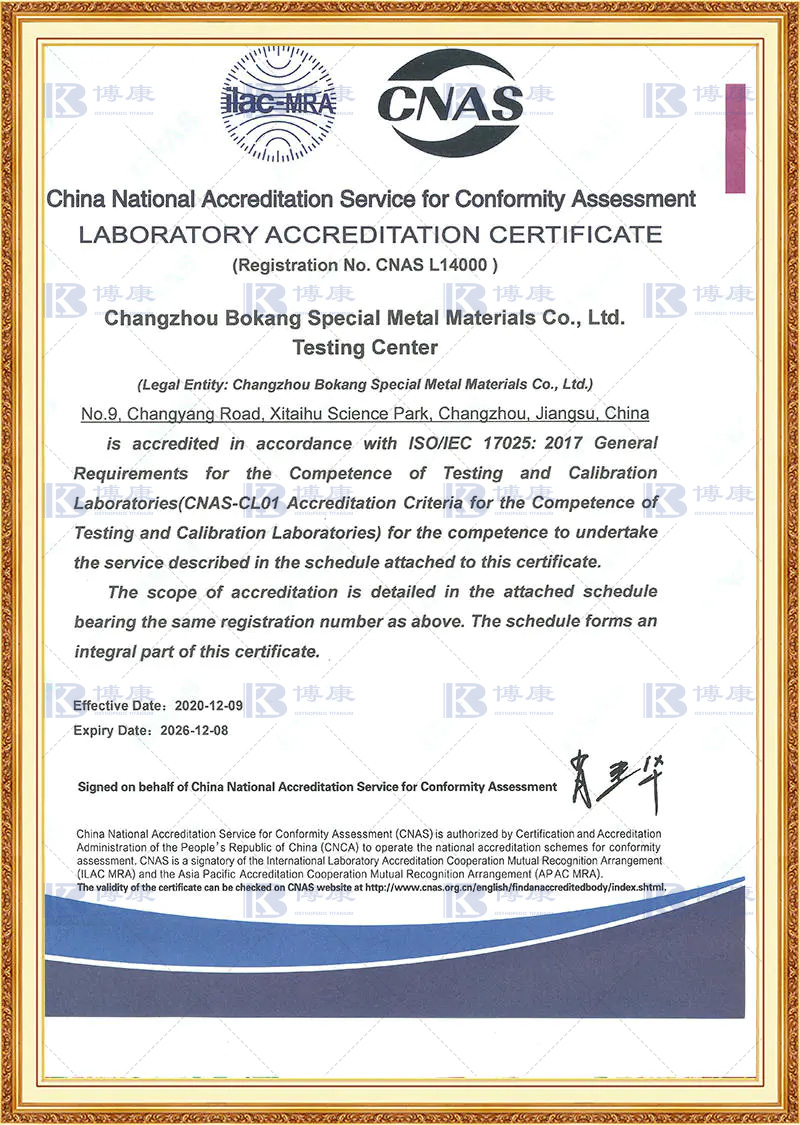
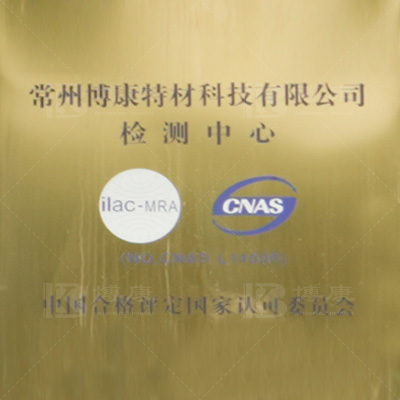
Certified by ISO13485:2016, and ISO 9001:2015 international quality management system, the company's laboratory is certified by ISO/IEC 17025:2017 |
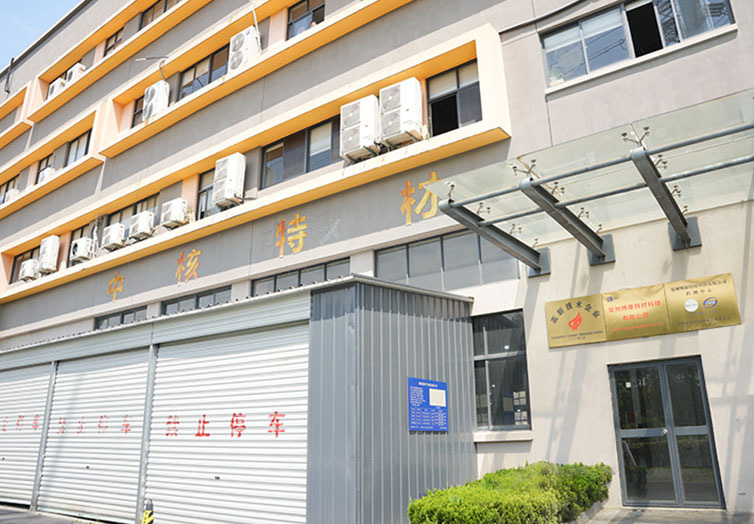
With our own factory and more than 18 years of experience in the titanium and Nitinol alloy industry, we have an experienced and skilled R&D team and skilled workers. |
|
|
|
|
|
Rigorous testing process |
Strong production capacity |
Support OEM/ODM customization |
|
Our precise testing instruments, effectively remove unqualified products, to ensure that all products fully meet customer's requirements before delivery. |
Our annual production capacity is over 500 tons, we can meet the needs of different customers with different purchase quantities. |
We have a strong R&D team, and we can develop and produce products according to the drawings or samples the customers offer. |
Nitinol Application:
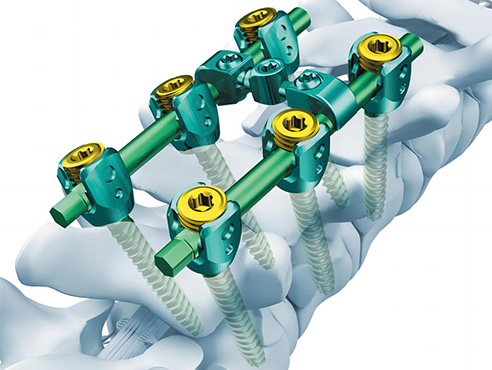
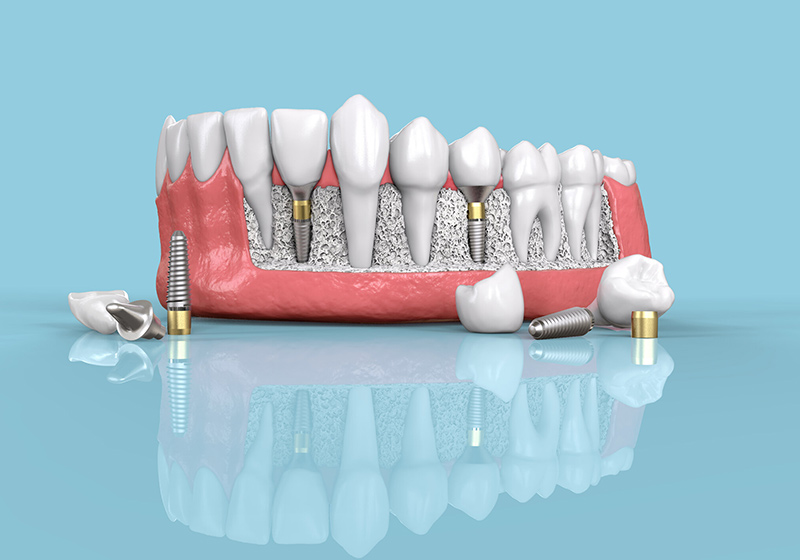
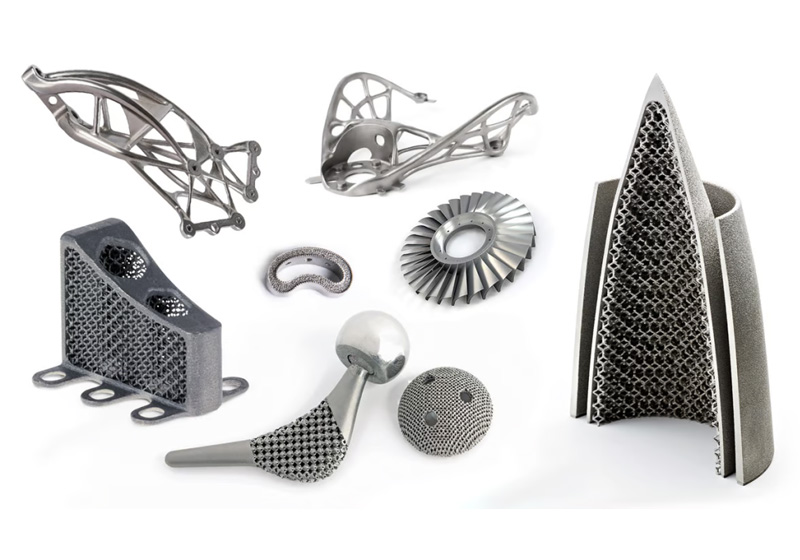
Orthopedic implant surgeries
Minimally invasive surgical procedures
Guide and positioning tools for drilling or implant insertion
A: A Nitinol Guide Pin is a medical device component made from a nickel-titanium alloy (Nitinol). It is highly flexible, corrosion-resistant, and exhibits shape memory, making it ideal for precise guidance in minimally invasive procedures.
A: Nitinol Guide Pins offer superior flexibility, high fatigue resistance, biocompatibility, and shape memory properties. These characteristics allow them to navigate complex anatomical pathways without permanent deformation.
A: Nitinol Guide Pins are available in various diameters and lengths, typically ranging from 0.5mm to 3.0mm in diameter and 50mm to 300mm in length. Custom sizes can also be manufactured to meet specific clinical requirements.
A: Yes. Nitinol Guide Pins are compatible with X-ray, fluoroscopy, and MRI imaging. Their radiopacity can be adjusted by adding markers to ensure clear visualization during procedures.
A: They can be sterilized using standard medical sterilization methods such as autoclaving or gamma irradiation. It is important to follow the manufacturer’s guidelines to avoid damage to the shape memory properties.
A: Most Nitinol Guide Pins are intended for single use to ensure sterility and optimal performance. Reuse is generally not recommended due to the risk of deformation or contamination.
A: Nitinol Guide Pins are commonly used in orthopedic, cardiovascular, and minimally invasive surgical procedures. They guide catheters, stents, or implants through tortuous anatomical pathways safely.
A: They are highly durable due to Nitinol’s excellent fatigue resistance and corrosion resistance. Proper handling and storage will maintain their functionality over time.
A: Nitinol is generally biocompatible and widely used in medical devices. High-purity Nitinol with appropriate surface treatment minimizes nickel ion release and reduces the risk of adverse reactions.
A: Store them in a clean, dry environment, preferably in their original packaging. Avoid bending or applying excessive force to maintain their shape memory and mechanical integrity.
During medical device procurement, Nitinol wire is often treated as a standardized commodity. Buyers frequently focus only on alloy designation and overlook critical performance parameters such as Au...
READ MORETitanium is one of the most widely used metal materials in modern medical implant manufacturing due to its excellent biocompatibility, corrosion resistance, high strength-to-weight ratio, and long-ter...
READ MOREWith the continuous advancement of minimally invasive surgical technology, ultrasonic scalpels are now widely used across general surgery, gynecology, urology, thoracic surgery, orthopedics, and othe...
READ MOREIn recent years, the demand for Nitinol guide pins has significantly increased within the global medical device market, especially in the field of orthopedic implant surgery. Nitinol, also known as nickel-titanium alloy, is widely recognized for its superelasticity, biocompatibility, and shape memory properties, which make it an ideal material for minimally invasive surgical instruments.
As the global population ages, the need for orthopedic implants—such as joint replacements, bone plates, and spinal fixation systems—continues to grow. Surgeons require reliable guide instruments that ensure accurate drilling and implant positioning, and Nitinol guide pins have emerged as the preferred choice. Their flexibility and durability allow them to perform under demanding conditions without risk of fracture, reducing complications and improving surgical outcomes.
Manufacturers of Nitinol guide pins emphasize strict compliance with international standards such as ASTM F2063 and ISO 13485. Meeting these standards not only guarantees material consistency and mechanical performance, but also ensures that the devices are safe for clinical use. Hospitals and distributors increasingly prioritize products with certified quality systems, making standard-compliant Nitinol instruments highly competitive in the global marketplace.
Compared to stainless steel guide pins, Nitinol guide pins offer several key advantages:
Superior Flexibility – Enables smooth navigation and precise positioning during surgery.
Radiopacity – Provides clear visibility under X-ray and fluoroscopy, assisting surgeons in real-time monitoring.
High Fatigue Resistance – Extends product lifespan and reduces risk of instrument failure.
Patient Comfort – Minimizes tissue trauma, lowering pain levels and recovery time.
These features contribute to a higher surgical success rate, making Nitinol a transformative material in modern medicine.
Industry reports forecast strong growth in the global Nitinol medical device market, driven not only by orthopedic applications but also by cardiovascular stents, orthodontic wires, and other minimally invasive tools. With its proven track record in surgery, the Nitinol guide pin is expected to remain at the forefront of innovation, supporting hospitals and medical professionals in delivering safer, faster, and more effective treatments.


Copyright © 2024 Changzhou Bokang Special Material Technology Co., Ltd. All Rights Reserved.
Custom Nitinol Guide Pin Privacy