During medical device procurement, Nitinol wire is often treated as a standardized commodity. Buyers frequently focus only on alloy designation and overlook critical performance parameters such as Austenite Finish Temperature (Af), thermomechanical processing condition, dimensional tolerance, and surface finish.
In practice, different medical devices impose significantly different material requirements on Nitinol wire. A qualified medical Nitinol wire supplier can offer a range of diameter, Af temperature, dimensional tolerance, and surface finish options tailored to the specific design requirements of each device.
Interventional guidewire mandrels, stone retrieval baskets, rotary endodontic files, and orthodontic archwires all rely on Nitinol alloy — primarily exploiting the superelasticity (Superelasticity) of the material at working temperature to deliver clinical function. The shape memory effect (Shape Memory Effect) is more commonly applied in devices that require thermally triggered deformation, such as certain vascular stents and occluders. This article therefore focuses on superelastic Nitinol wire selection principles across different medical device categories.
Beyond satisfying the baseline material requirements of ASTM F2063 (Standard Specification for Wrought Nickel-Titanium Shape Memory Alloys for Medical Devices and Surgical Implants), Nitinol wire should be comprehensively optimized for Af temperature, thermomechanical processing condition, dimensional tolerance, surface quality, and mechanical properties in accordance with each device's design — rather than applying a single uniform specification across applications.
The overwhelming majority of wrought Nitinol wire for medical devices references ASTM F2063 as its baseline material standard. This standard defines chemical composition, phase transformation characteristics, and basic mechanical property requirements for wrought nickel-titanium shape memory alloys for medical use — but it does not constrain the final functional performance of specific products.
Within the boundaries of ASTM F2063 compliance, suppliers can tune the material's microstructure, Af transformation temperature, and overall mechanical performance through melting control, cold working, and thermomechanical processing (Thermomechanical Processing) to suit different device working environments.
Material selection for different devices typically revolves around the following four key parameters.
The diameter range of medical Nitinol wire spans considerably — from ultrafine stone retrieval basket wire below 0.10 mm to endodontic file blanks at approximately 1.20 mm. Wire diameter and dimensional tolerance directly affect device flexibility, stiffness, and handling performance, and also determine the consistency of downstream grinding, heat-setting, and precision machining operations.
Af temperature determines whether the material fully enters the austenitic state at the actual working temperature, enabling stable superelastic behavior. Different devices have clearly different Af requirements due to their working environments. For example:
Af temperature should therefore be designed comprehensively based on the device's working environment and clinical function — not applied as a uniform parameter across all products.
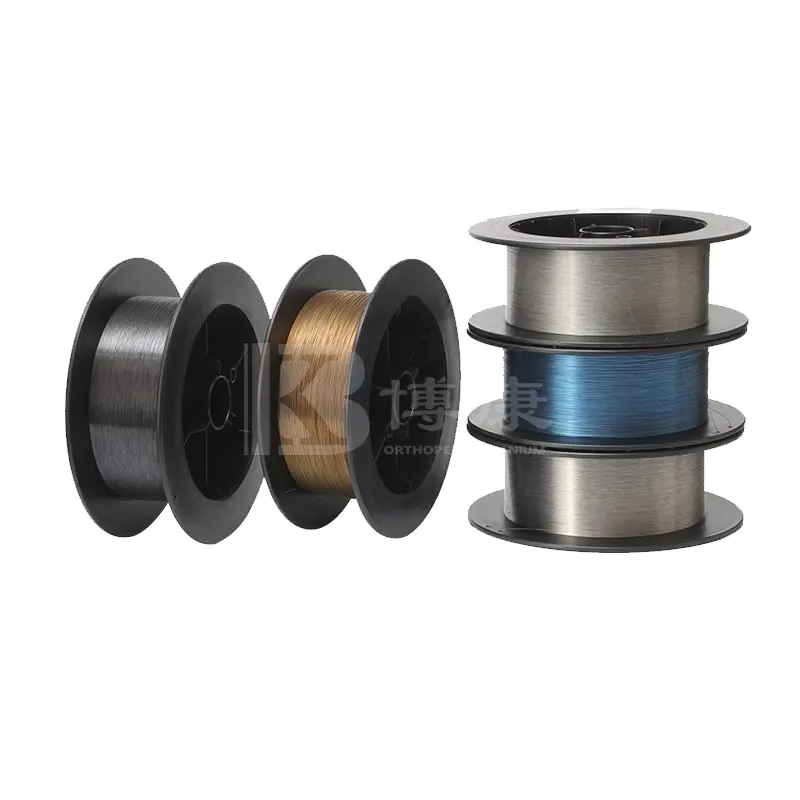
Common surface finishes for medical Nitinol wire include black oxide, light oxide, bright pickled surface, and mechanically polished surface. Surface finish affects not only product appearance but also fatigue life, corrosion resistance, frictional characteristics, and downstream processing operations such as heat-setting, coating, electroplating, and laser machining. Selection should be made according to the intended device application.
Different medical devices place different emphasis on mechanical performance. Interventional guidewires and rotary endodontic files, for example, require good torque transmission (Torque Transmission), torsional resistance, and cyclic fatigue performance; whereas certain structural components serving primarily a support function are more concerned with formability and dimensional stability. Nitinol wire selection should therefore account comprehensively for the device's loading mode, cyclic load conditions, and working environment — not simply default to a universal specification.
The guidewire mandrel is one of the most important applications of superelastic Nitinol wire, imposing demanding requirements on overall material performance. As a guidewire is repeatedly advanced and retracted through tortuous vascular anatomy, the material must provide good straightness, stable torque transmission, and excellent superelasticity to ensure intraoperative maneuverability and shape recovery.
Guidewire mandrels are typically produced from round wire with diameters of 0.10–0.35 mm, which is then precision-ground into a tapered profile that balances proximal handling stiffness with distal flexibility. Mandrel dimensions for different guidewire specifications are adjusted according to product design.
Depending on wire diameter, guidewire mandrels are typically produced to dimensional tolerances of ±0.002 mm to ±0.010 mm to ensure uniform flexibility throughout the guidewire and consistent torque feedback. For high-precision interventional devices, dimensional consistency is typically more important than any single strength metric.
Guidewires typically require an Af temperature below body temperature to ensure the material remains in a stable austenitic state and delivers full superelastic performance after insertion into the body. Based on published literature and various product designs, common Af ranges for guidewires are approximately 5–25°C; actual parameters should be determined by product design requirements.
For mandrels requiring subsequent grinding or hydrophilic coating application, bright pickled or light oxide surfaces are typically specified. Where the wire will be in direct contact with catheter lumens or human tissue, a mechanically polished surface is commonly used to further reduce surface roughness and frictional resistance, improving pushability.
Guidewire mandrels undergo high-precision grinding during processing, making dimensional uniformity, microstructural consistency, and surface quality equally important. Non-uniform grain structure distribution can result in:
For interventional guidewire manufacturers, long-term, stable material consistency typically carries more practical significance than single-lot mechanical test results.
Stone retrieval baskets are typically formed from superelastic Nitinol wire heat-set into three-dimensional mesh structures. During surgery, the device collapses to fit within a delivery sheath, then recovers its preset shape upon reaching the target site — a ureter, bile duct, or similar location — to capture stones. Nitinol wire for stone retrieval baskets must therefore combine good superelasticity with stable heat-setting performance and excellent cyclic fatigue resistance to withstand repeated open-close cycles.
Stone retrieval baskets commonly use Nitinol wire in the 0.10–0.30 mm diameter range. The specific specification should be determined based on basket size, grasping force, and device channel diameter, balancing capture performance with device flexibility and deliverability.
Stone retrieval baskets typically require an Af below body temperature to ensure stable superelastic behavior after deployment in the body. Some published sources report Af temperatures of approximately 8°C for certain established products, though parameters vary between manufacturers and product designs; final values should be confirmed based on product performance requirements.
Basket structures are heat-treated into ring, helical, pear, and other geometries, requiring the material to have good heat-setting capability and to maintain its designed shape over long-term use after heat treatment. The thermomechanical processing condition of the material directly affects dimensional stability after heat-setting and long-term in-service performance.
A stone retrieval basket typically undergoes multiple collapse-and-expansion cycles in a single procedure; reusable devices must withstand substantially more cyclic loading. Cyclic fatigue performance is therefore one of the critical material evaluation criteria for stone retrieval basket applications.
Wire surface condition affects inter-wire friction, device opening and closing smoothness, and downstream processability. Different device manufacturers typically specify a surface finish based on their product design requirements, rather than using as-drawn wire without post-processing.
Rotary and reciprocating Nitinol endodontic files must continuously sustain combined bending and torsional loading within curved root canals during clinical use, making them one of the most demanding applications for Nitinol material performance in dentistry. Raw material for endodontic files typically conforms to ASTM F2063; finished instrument performance — including torque and fracture angle — is evaluated in accordance with ISO 3630-1.
Rotary endodontic files are typically machined from round wire blanks of 1.00–1.20 mm diameter, which are then precision-ground into the required taper, cutting edges, and dimensional specifications to satisfy ISO 3630 series standards and product design requirements.
Endodontic files must withstand torsional loading during clinical use and require stable torsional performance from the material. For automated production, consistent torsional performance across different melt batches is typically more important than achieving high strength values in individual specimens.
As an endodontic file rotates continuously within a curved canal, it is subjected to alternating bending stresses. Extensive research has shown that cyclic fatigue life is influenced not only by wire diameter but also by thermomechanical processing protocol, microstructure, and instrument geometry. Appropriate material specification and heat treatment condition selection can contribute to improved cyclic fatigue performance and clinical reliability.
Endodontic files are produced from round wire blanks by precision grinding. Non-uniform microstructure can cause local variation in machining hardness, stress concentration, and reduced dimensional consistency — all of which affect manufacturing stability and in-service performance. High-quality endodontic files therefore require raw material with uniform, stable microstructure and good machinability.
For endodontic file manufacturers, high mechanical performance in a single specimen does not fully reflect material quality. Stable long-term control of torsional performance, cyclic fatigue performance, and dimensional consistency across different melt batches is more beneficial for ensuring automated production stability and finished product consistency.
Orthodontic archwires must apply a relatively constant, gentle corrective force to teeth over weeks or months. As teeth gradually move, the archwire undergoes significant elastic deformation, requiring the material to maintain relatively stable force output across a wide deformation range. Superelastic Nitinol alloy is one of the most widely adopted materials in contemporary orthodontic treatment for precisely this reason.
Round orthodontic archwires are commonly supplied in diameters of approximately 0.35–0.51 mm. In addition to round wire, various rectangular cross-section specifications are used at different treatment stages to meet different orthodontic requirements.
Orthodontic archwires are typically designed with an Af close to or slightly below oral working temperature (approximately 20–35°C). This allows the material to fully express superelasticity in the oral environment and deliver relatively stable corrective force throughout tooth movement. Specific Af parameters should be optimized according to different product designs and clinical requirements.
For orthodontic products, consistency of the superelastic plateau stress is typically more important than simply maximizing strength. Stable plateau stress helps to:
Plateau stress control is therefore typically one of the key evaluation criteria for orthodontic Nitinol wire.
As orthodontic archwires are in continuous contact with the oral environment, bright pickled or mechanically polished surfaces are commonly specified. Appropriate surface treatment helps reduce surface roughness, improve corrosion resistance, and enhance wearing comfort and aesthetics.
Different medical devices impose different requirements on Nitinol wire diameter, tolerance, Af temperature, mechanical properties, and surface condition. The table below summarizes the common material selection ranges for four typical medical device categories and may serve as a reference during product development.
Note: The parameters in this table are for material selection reference only. Final specifications should be determined in accordance with device design drawings, technical specifications, and product validation results, including confirmation via Differential Scanning Calorimetry (DSC), mechanical property testing, and product verification. Specific parameters may vary between manufacturers and product models.
| Application | Common Diameter | Typical Af Temperature | Primary Performance Requirements | Common Surface Finish |
|---|---|---|---|---|
| Interventional guidewire mandrel | 0.10–0.35 mm | ~5–25°C (per product design) | Good torque transmission, straightness, and superelasticity | Bright pickled, light oxide |
| Stone retrieval basket | 0.10–0.30 mm | Below body temperature | Heat-setting stability, cyclic fatigue performance | Light oxide, mechanically polished |
| Rotary endodontic file blank | 1.00–1.20 mm | Per product design | Torsional resistance, rotary cyclic fatigue performance | Bright pickled, black oxide |
| Orthodontic archwire | 0.35–0.51 mm | ~20–35°C | Consistent corrective force output, plateau stress consistency | Bright pickled, mechanically polished |
Note: Parameters are for material selection reference only. Final specifications should be confirmed against device design drawings, technical specifications, and product validation results.
For medical Nitinol wire, surface finish affects not only product appearance but also fatigue life, corrosion resistance, frictional characteristics, biocompatibility, and downstream manufacturing processes. Surface condition should therefore be selected based on a comprehensive evaluation of device application, manufacturing process, and performance requirements — not on appearance alone.
Black oxide treatment forms a relatively thick oxide layer on the material surface, providing a degree of corrosion resistance and allowing easy identification of different process states. This surface condition is applicable to certain endodontic files and medical devices with specific surface requirements. Note that if subsequent coating, polishing, or other surface processing is required, appropriate pre-treatment steps are generally needed.
Light oxide treatment produces a thinner, more uniform oxide film that balances corrosion resistance with a relatively low coefficient of friction. This surface condition is widely used in superelastic medical devices such as interventional guidewires and stone retrieval baskets, and offers good compatibility with downstream processing operations.
Bright pickling removes the oxide scale from the material surface through chemical processing, leaving the metal substrate in a relatively clean state. This surface condition typically serves as the base surface for subsequent PVD coating, electroplating, laser machining, and precision polishing operations, making it widely used in medical device manufacturing.
Mechanical polishing further reduces surface roughness and minimizes surface defects introduced during processing. For medical devices in long-term direct contact with human tissue, or for those requiring high cyclic fatigue performance, mechanical polishing can improve surface quality and help reduce the risk of fatigue crack initiation from surface defects, while also improving device pushability and user experience.
Extensive research has shown that minor surface defects can serve as fatigue crack initiation sites under cyclic loading, affecting the cyclic service life of a product. In medical device development, surface treatment selection should therefore be evaluated comprehensively against fatigue life requirements, downstream manufacturing processes, and intended use — rather than based solely on appearance.
During new product development, material substitution, or supplier qualification activities, a systematic evaluation of medical Nitinol wire against the following criteria is recommended to ensure material performance meets device design requirements.
First confirm the primary load type the device will experience, including bending, torsion, or combined bending-torsion. Combine this with product design requirements to define cyclic load conditions or target fatigue life, providing a basis for subsequent material selection.
Determine the target Af temperature based on the device's actual working environment, such as the human body environment (~37°C), oral environment, room temperature environment, or other specialized working conditions. Properly designed Af temperature helps ensure the material fully expresses its superelastic or shape memory properties in the working state.
Based on device drawings and manufacturing processes, define: nominal diameter, dimensional tolerance, roundness requirements, and straightness requirements (where applicable). Dimensional consistency directly affects the quality of downstream grinding, heat-setting, and automated manufacturing operations.
Based on the product manufacturing workflow, select the appropriate surface treatment — such as heat-setting, coating, laser machining, electroplating, or polishing. Different processes impose different surface condition requirements; compatibility with downstream processing and final product performance should both be considered.
Suppliers should be requested to provide complete material testing documentation, including:
These documents support verification that materials meet product technical requirements and provide documentation for medical device registration and quality management systems.
Beyond sample performance compliance, assess whether the supplier has stable long-term production capability, including: stable Af temperature control, dimensional tolerance control, mechanical property consistency, surface quality consistency, and material lot traceability. For medical device manufacturers, long-term, stable lot-to-lot consistency typically carries more practical significance than single-lot test results, and is a key factor in ensuring product quality and scalable production.
The overall performance of medical Nitinol wire depends not only on alloy composition but also on the full-process manufacturing chain — melting, hot working, cold drawing, thermomechanical processing, surface treatment, and testing capability. Whether a supplier possesses stable, traceable full-process manufacturing capability is the key factor in ensuring product consistency and long-term supply stability.
A qualified supplier typically maintains a complete production process including vacuum melting (Vacuum Melting), hot forging and hot working, precision cold drawing, thermomechanical processing (Thermomechanical Processing), surface treatment, and finished product inspection. An integrated manufacturing system supports stable control of material composition, microstructure, and mechanical properties, and improves lot-to-lot product consistency.
For minimally invasive devices such as interventional guidewires and stone retrieval baskets, dimensional consistency directly affects downstream processing and product performance. Suppliers should have high-precision cold-drawing capability across different Nitinol wire specifications and maintain dimensional tolerance control appropriate to the product specification. For ultrafine wire, some manufacturers can achieve dimensional control at the ±0.001 mm level; larger-diameter products are held to tolerances appropriate to their dimensional requirements.
Different medical devices impose clearly different Af temperature requirements. Suppliers should be capable of adjusting Af temperature to meet product design requirements, typically through alloy composition control, cold working process optimization, thermomechanical processing, and heat treatment protocol control — enabling customization across different Af ranges to satisfy guidewire, stone retrieval basket, endodontic file, and orthodontic archwire applications.
Different devices typically require different surface conditions. An established supplier should be able to provide black oxide, light oxide, bright pickled, and mechanically polished surfaces, with selection based on product manufacturing process and performance requirements.
Medical device raw material suppliers should maintain a well-established quality management system, such as ISO 13485 Medical Device Quality Management System certification, a material lot traceability system, and full-process quality control from raw materials through finished product inspection. A robust quality system supports product consistency and satisfies medical device regulatory and customer quality audit requirements.
Testing capability is an important component in evaluating supplier technical competence. Common testing capabilities include: DSC phase transformation testing, tensile property testing, dimensional inspection, metallographic microstructure analysis, and surface quality inspection. The ability to provide complete test reports on request supports product development, process validation, and medical device registration activities.
Changzhou Bokang Special Material Technology Co., Ltd. specializes in the research and manufacture of medical-grade titanium and Nitinol shape memory alloy materials, providing high-quality medical metal material solutions to medical device manufacturers worldwide.
The company operates an integrated manufacturing system encompassing vacuum melting, hot working, precision cold drawing, thermomechanical processing, surface treatment, and finished product inspection. It holds ISO 13485 Medical Device Quality Management System certification and maintains complete material lot traceability capability alongside a professional testing laboratory.
Bokang supplies ASTM F2063-compliant medical Nitinol wire across a diameter range of 0.10–2.50 mm, with support for customized Af temperature, dimensional tolerance, and surface finish — including black oxide, light oxide, bright pickled, and mechanically polished surfaces.
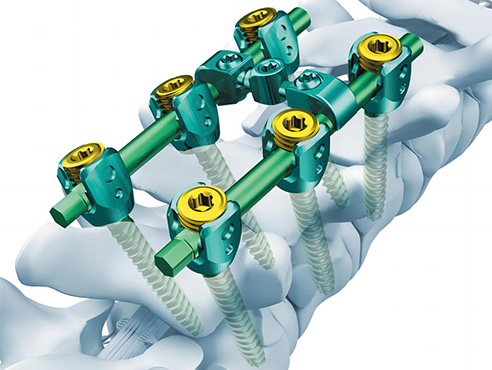
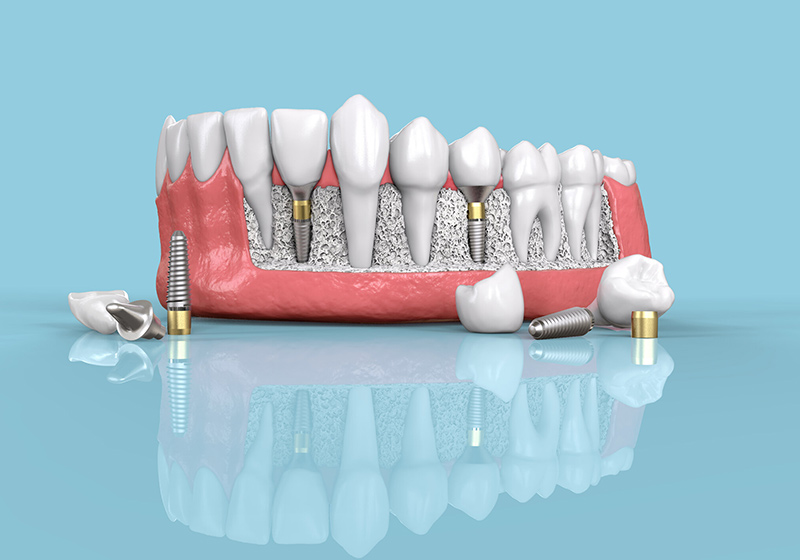
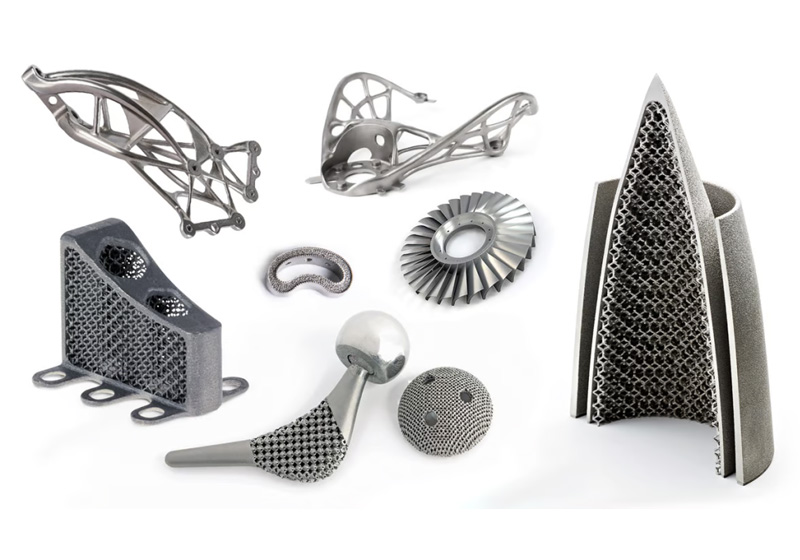
Products are widely used in:
Mill Test Certificates (MTC), DSC phase transformation test reports, mechanical property test reports, and dimensional inspection reports are available to support product development, product validation, and scalable production.
Although medical Nitinol wire universally conforms to ASTM F2063, different medical devices have clearly different design objectives, working environments, and manufacturing processes. Material selection should therefore account comprehensively for wire diameter, tolerance, Af temperature, thermomechanical processing condition, surface finish, and mechanical properties — rather than selecting on alloy designation alone.
For medical device R&D engineers and procurement teams, establishing a complete material technical specification early in the project development phase — and selecting a supplier with stable manufacturing capability, a robust quality management system, and reliable long-term supply capacity — helps improve product consistency, reliability, and manufacturing stability, providing a dependable material foundation for subsequent product development and scalable production.
Although both use medical Nitinol alloy conforming to ASTM F2063, their material requirements are not the same. Interventional guidewires prioritize straightness, torque transmission (Torque Transmission), and superelasticity, whereas rotary endodontic files prioritize torsional resistance, cyclic fatigue performance, and machinability. The two product categories therefore typically require Nitinol wire with different specifications and performance profiles.
Stone retrieval baskets commonly use wire diameters of approximately 0.10–0.30 mm. Dimensional tolerances are typically controlled within ±0.002–0.005 mm to ensure good collapse performance, consistent deployment, and stable stone capture.
Orthodontic archwires operate continuously in the oral environment. Af temperature determines whether the material can fully express its superelasticity at oral temperature, and influences the stability of corrective force output and the predictability of tooth movement — making it one of the important design parameters for orthodontic materials.
Endodontic file raw materials typically conform to ASTM F2063. Finished instrument torque performance and fracture angle testing are typically evaluated in accordance with ISO 3630-1.
Yes. Surface condition affects not only appearance but may also influence fatigue life, corrosion resistance, frictional characteristics, and downstream processing performance. Surface finish should therefore be selected appropriately based on device application and manufacturing process.
Yes. Bokang can supply medical Nitinol wire in different specifications according to medical device design requirements, with support for customization of Af temperature, dimensional tolerance, and surface finish, along with complete material test reports and technical support.
Copyright © 2024 Changzhou Bokang Special Material Technology Co., Ltd. All Rights Reserved.
Custom Round Pure Titanium Rod Manufacturers Privacy