Titanium is one of the most widely used metal materials in modern medical implant manufacturing due to its excellent biocompatibility, corrosion resistance, high strength-to-weight ratio, and long-term reliability.
From dental implants and orthopedic fixation devices to spinal systems and maxillofacial reconstruction implants, titanium materials provide stable performance for medical devices designed for long-term use inside the human body.
For medical device manufacturers, selecting the appropriate titanium grade is essential to ensure implant safety, mechanical performance, manufacturing reliability, and long-term clinical success.
Medical implants must withstand complex biological environments, repeated mechanical loading, and long-term exposure to body fluids. Titanium meets these demanding requirements through its unique material properties.
Titanium has excellent compatibility with human tissues and can form a stable oxide layer on its surface, providing outstanding corrosion resistance and supporting long-term implantation.
This makes titanium a preferred material for dental implants, orthopedic implants, and other medical devices requiring direct contact with the human body.
Titanium alloys offer an excellent combination of strength and low density compared with many traditional implant metals.
This high strength-to-weight ratio allows manufacturers to produce lightweight implants while maintaining sufficient mechanical strength.
Medical titanium maintains stable performance in body fluid environments and provides long-term resistance against corrosion, helping extend implant service life.
Many orthopedic implants experience continuous cyclic loading during daily activities. Titanium alloys, especially Ti-6Al-4V ELI (Grade 23), provide excellent fatigue performance for demanding implant applications.
Titanium materials are widely used in dental, orthopedic, spinal, trauma, and maxillofacial applications.
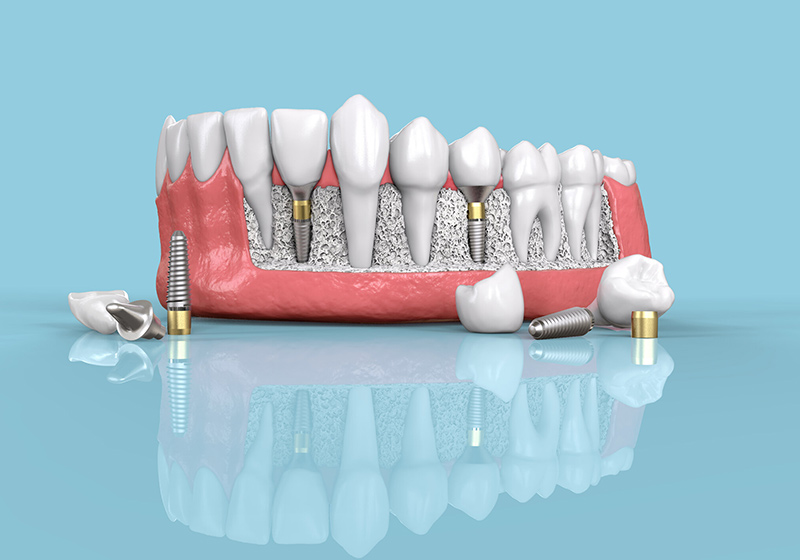
Dental implants are among the most common applications of titanium materials.
Titanium is widely used for:
Commercially pure titanium, especially Grade 4 titanium, is commonly selected for dental implant systems because of its excellent biocompatibility and suitable mechanical properties.
Titanium alloys such as Grade 5 (Ti-6Al-4V) and Grade 23 (Ti-6Al-4V ELI) are also used for dental components requiring higher strength and fatigue resistance.
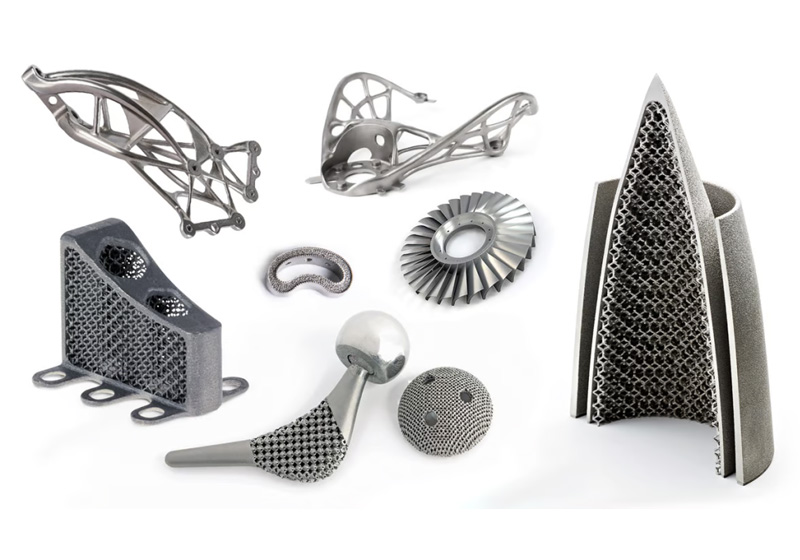
Orthopedic implants require materials with high strength, excellent fatigue resistance, and reliable mechanical performance.
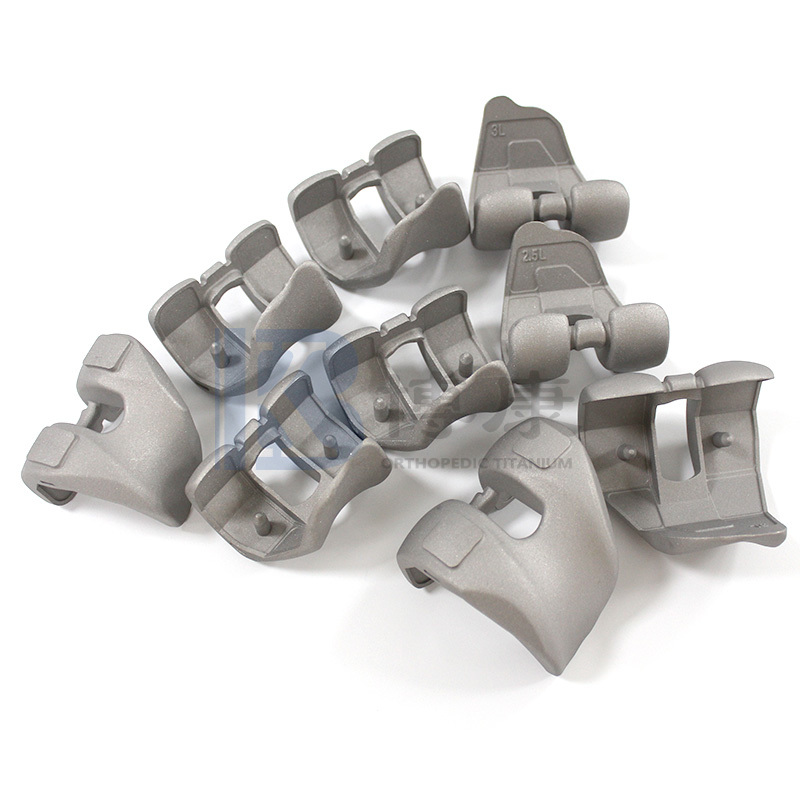
Common titanium orthopedic applications include:
Titanium alloys are widely selected for these applications because they can withstand repeated mechanical stress while maintaining structural stability.
Grade 5 and Grade 23 titanium alloys are commonly used for load-bearing orthopedic implant components.
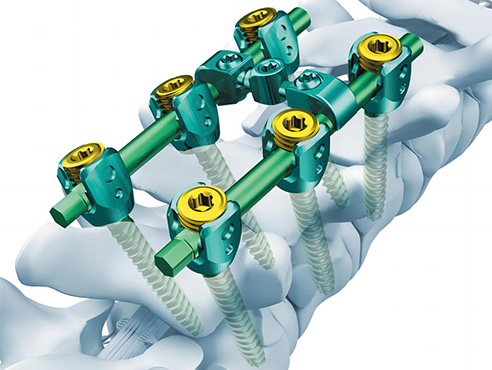
Spinal implants require exceptional fatigue resistance because they are exposed to continuous movement and loading after implantation.
Titanium materials are commonly used for:
Grade 23 titanium (Ti-6Al-4V ELI) is widely preferred for spinal applications due to its excellent toughness, fatigue performance, and implant compatibility.
Joint replacement implants require materials with high mechanical strength and long-term reliability.
Titanium alloys are used in:
Ti-6Al-4V titanium alloy provides excellent mechanical properties for applications requiring high load-bearing capability.
Titanium plays an important role in cranio-maxillofacial surgery because of its excellent biocompatibility, corrosion resistance, and lightweight characteristics.
Typical applications include:
Titanium allows surgeons and medical device manufacturers to develop reliable solutions for complex reconstruction procedures.
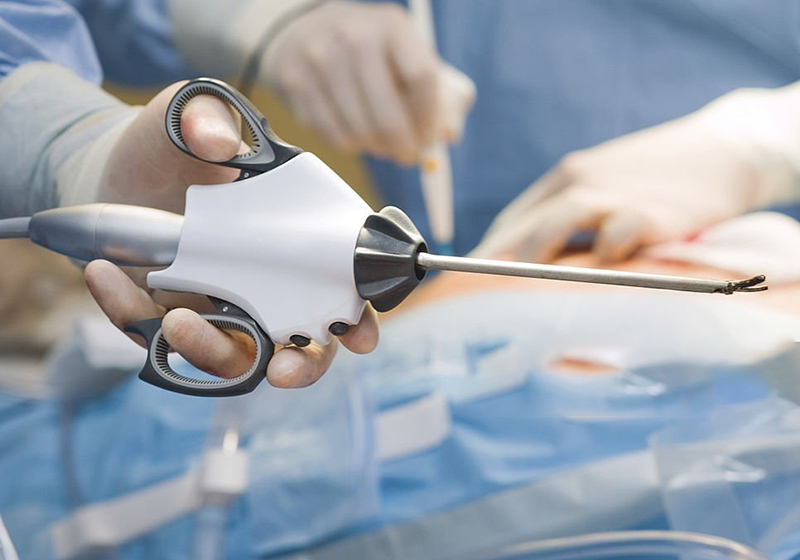
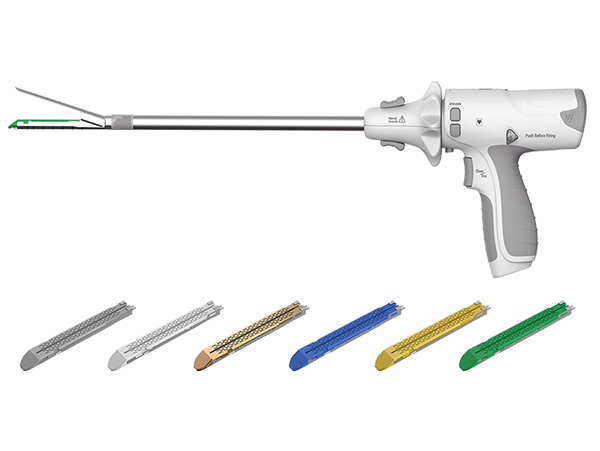
In addition to implantable devices, titanium materials are also widely used in precision medical instruments and components.
Applications include:
Titanium provides excellent strength, corrosion resistance, and machining performance for advanced medical equipment manufacturing.
Different implant applications require different titanium materials.
CP Titanium is known for excellent biocompatibility and corrosion resistance.
Typical applications:
Grade 4 titanium is widely used where higher strength among commercially pure titanium grades is required.
Grade 5 titanium alloy provides higher strength and excellent mechanical performance.
Typical applications:
Grade 23 titanium alloy is an extra-low interstitial version of Ti-6Al-4V and provides improved ductility, fracture toughness, and fatigue performance.
Typical applications:
Medical titanium materials are manufactured according to internationally recognized standards to ensure consistent quality and performance.
Common standards include:
Medical device manufacturers should also consider supplier capabilities including:
For medical device manufacturers, selecting a reliable titanium supplier is as important as selecting the correct material grade.
A professional medical titanium supplier should provide:
Consistent chemical composition, mechanical properties, and surface quality are essential for implant manufacturing.
Medical-grade materials require complete production records and traceability from raw material to finished product.
Different implant designs may require customized:
A qualified supplier should operate under strict quality management systems and provide inspection documentation.
Bokang Titanium specializes in manufacturing implant-grade titanium and nitinol materials for global medical device manufacturers.
With more than 20 years of experience in titanium material production, Bokang provides high-performance materials for dental, orthopedic, surgical, and medical applications.
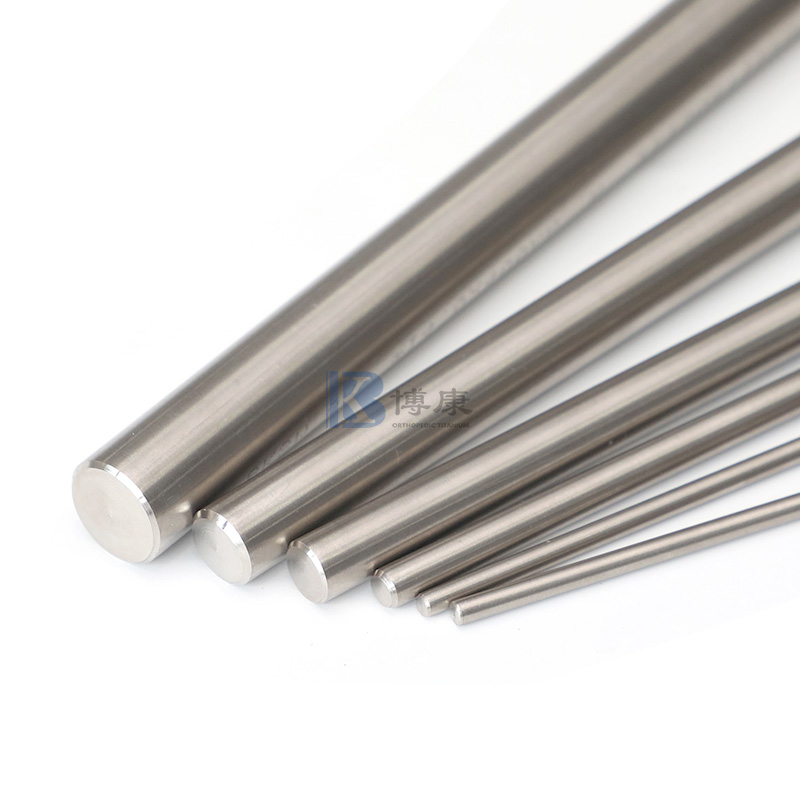
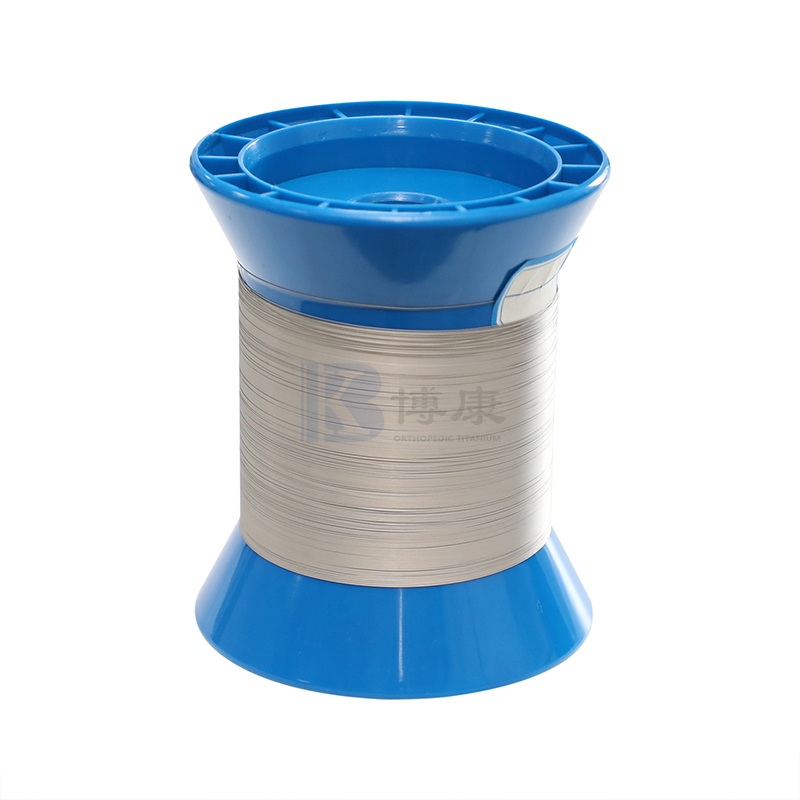
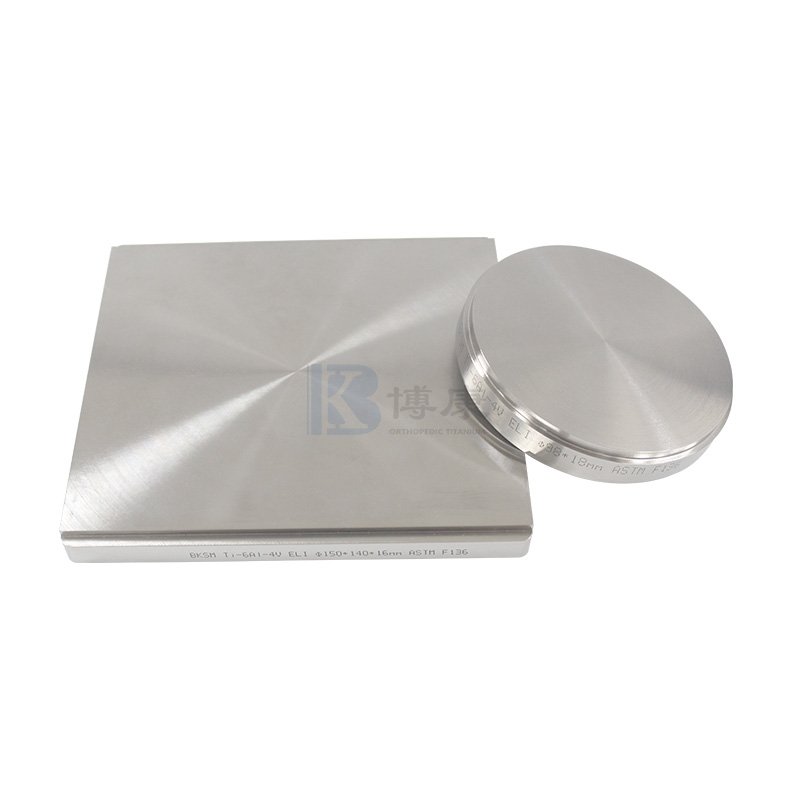
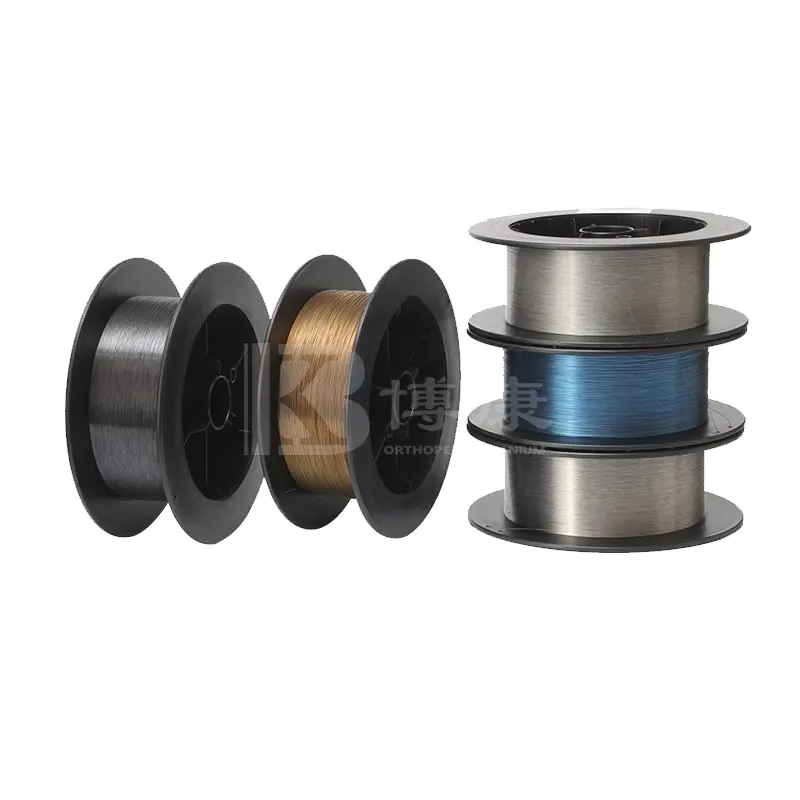
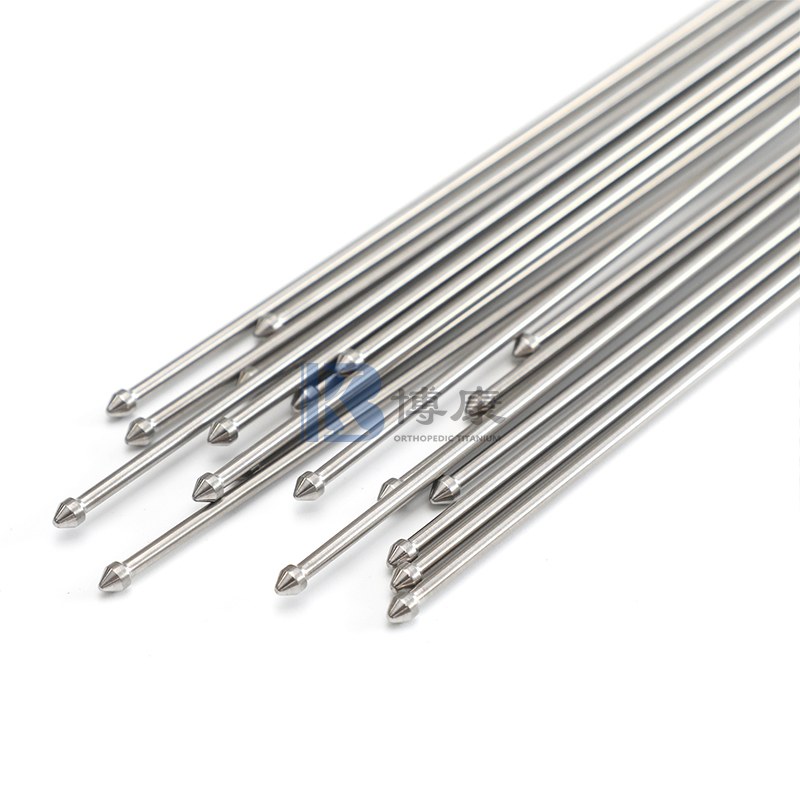
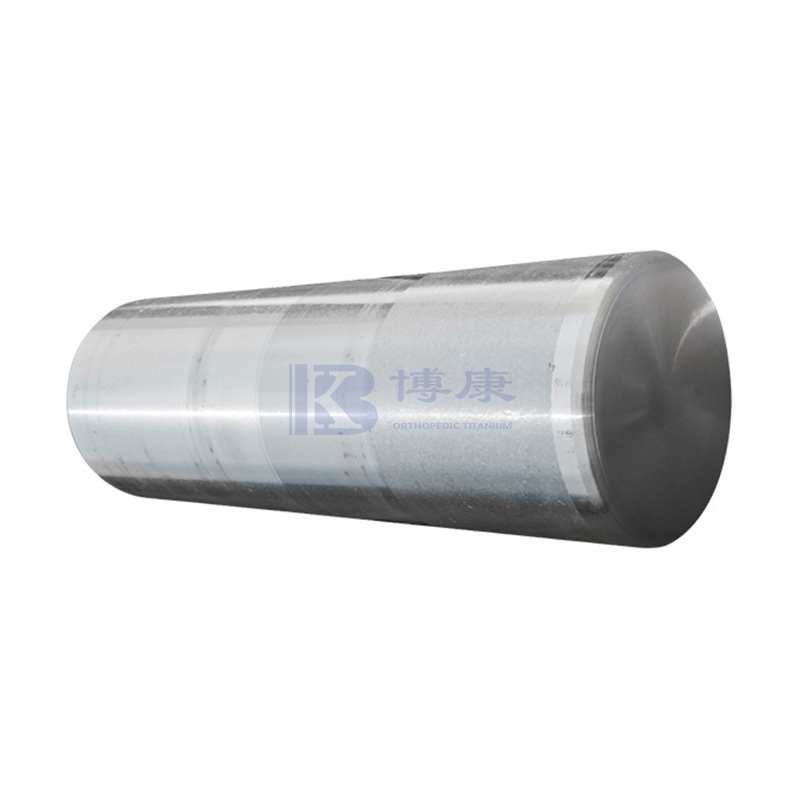
Our medical titanium products include:
Available titanium grades include:
Manufactured under an ISO 13485 quality management system, Bokang Titanium products comply with international standards including ASTM F67, ASTM F136, ASTM F1472, and ISO 5832 requirements.
With full material traceability, precision manufacturing capability, and OEM customization support, Bokang Titanium provides reliable material solutions for medical device manufacturers worldwide.
Titanium has become a key material for modern medical implants because of its excellent biocompatibility, corrosion resistance, strength, and long-term reliability.
From dental implants and orthopedic fixation devices to spinal systems and maxillofacial reconstruction implants, titanium materials support a wide range of advanced medical applications.
Choosing the right titanium grade according to implant requirements is essential for achieving safe, durable, and high-performance medical devices.
As an experienced medical titanium manufacturer, Bokang Titanium continues to provide implant-grade titanium materials and customized solutions for medical device companies around the world.
Copyright © 2024 Changzhou Bokang Special Material Technology Co., Ltd. All Rights Reserved.
Custom Round Pure Titanium Rod Manufacturers Privacy