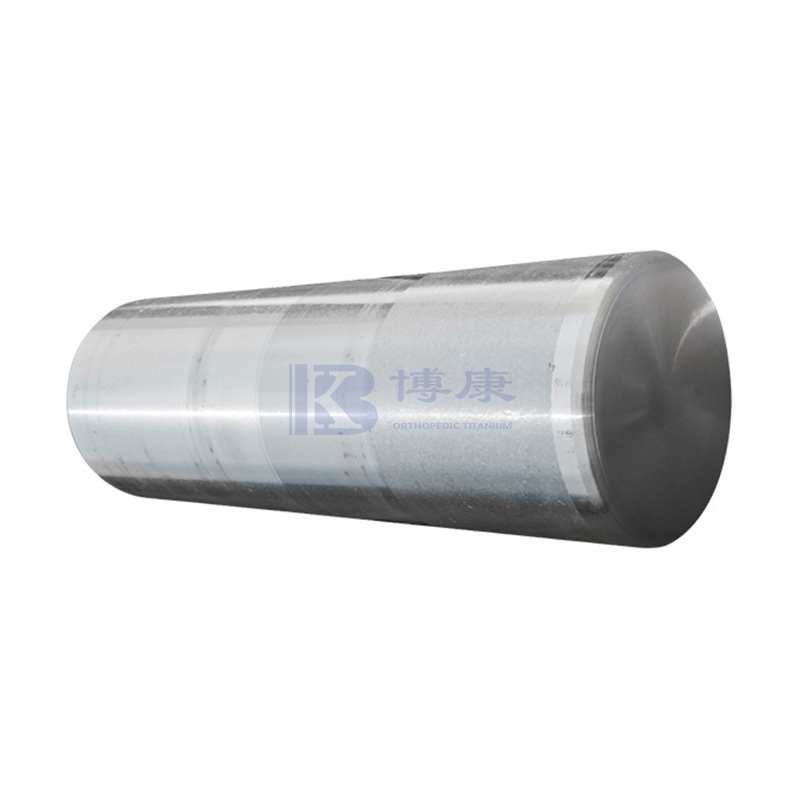
In modern dental implantology, titanium and titanium alloys are among the most widely used and clinically validated implant materials available. Thanks to their outstanding biocompatibility, osseointegration capability, corrosion resistance, and mechanical performance, titanium materials have long dominated the dental implant market.
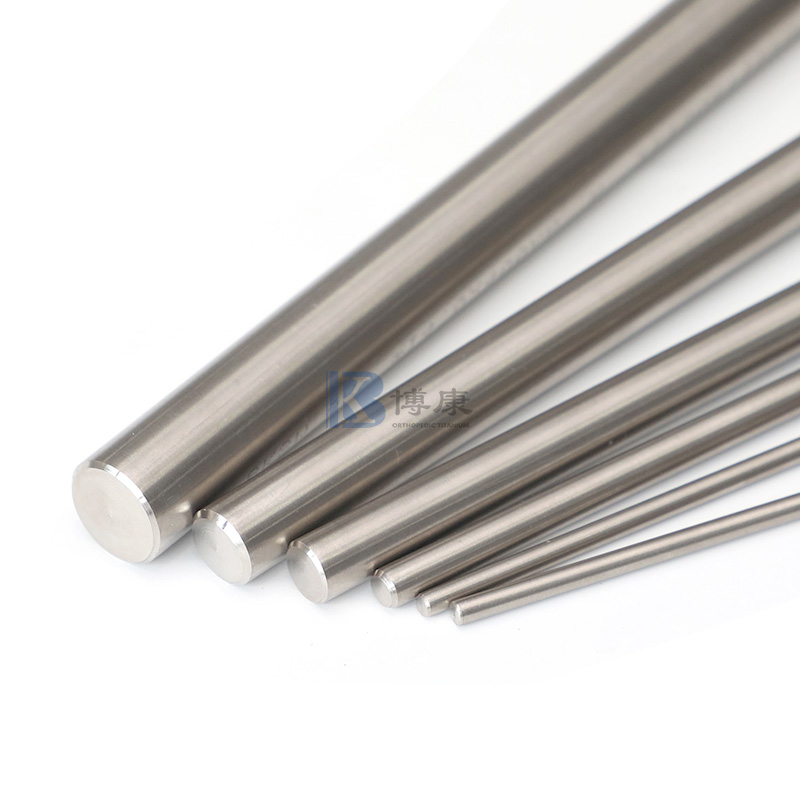
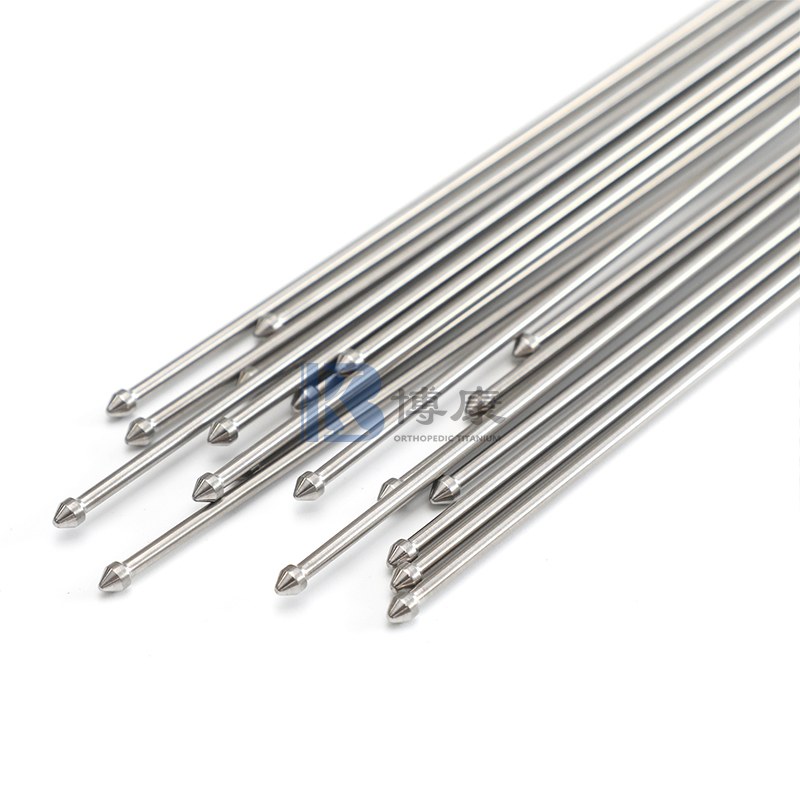
Whether for single-tooth implant restoration, multi-implant-supported bridge restorations, or full-arch fixed restorations, selecting the right medical Titanium bar is a critical foundation for achieving long-term clinical success.
Since Swedish researcher Per-Ingvar Brånemark first proposed the theory of osseointegration in the 1950s–1960s, titanium has become the benchmark material in modern dental implantology.
| Grade | Standard | Characteristics & Applications |
|---|---|---|
| Grade 4 (CP Ti Grade 4) | ASTM F67 | Excellent biocompatibility with extensive clinical validation; suitable for standard threaded implants, narrow-diameter mini implants, and implant body blanks |
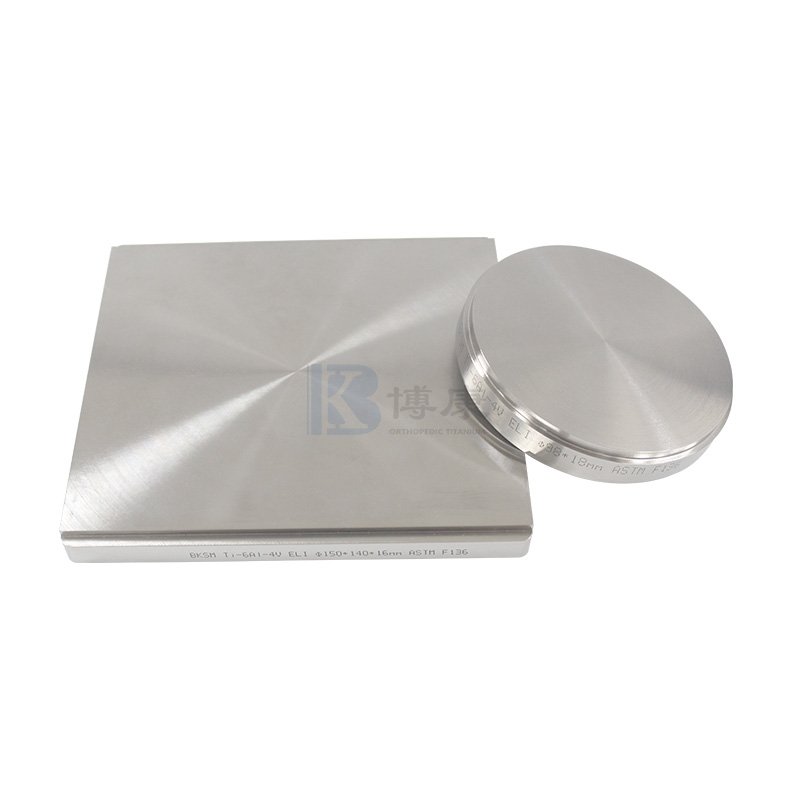
| Grade 23 (Ti-6Al-4V ELI) | ASTM F136 / ISO 5832-3 | High strength and fatigue resistance; preferred for high-load posterior teeth, full-arch connecting bars, and CAD/CAM restoration frameworks |
| Grade 5 (Ti-6Al-4V) | ASTM F1472 | High strength, good machinability, lower cost; commonly used for non-permanent implant accessories, temporary frameworks, and milling blanks |
| Grade 2 (TA2) | ASTM F67 | High ductility and corrosion resistance, lower yield strength; suitable for non-load-bearing abutment blanks and surface modification specimens |
| TiZr Alloy (Ti-15Zr) | — | Next-generation high-strength material; strength exceeds Grade 4 while maintaining excellent biocompatibility and osseointegration; ideal for narrow-diameter mini implants |
| Property | Value |
|---|---|
| Tensile Strength | ≥860 MPa |
| Yield Strength | ≥795 MPa |
| Elongation at Break | ≥10% |
| Vickers Hardness | 300–360 HV |
| Density | 4.43 g/cm³ |
Suppliers should provide the following documentation:
Requirement: All reports must include the Heat Number and Lot Number to ensure full traceability throughout the supply chain.
| Application | Common Diameter |
|---|---|
| Mini implants (narrow diameter) | Φ1.8–3.5 mm |
| Standard implant bodies | Φ3.3–6.0 mm |
| Wide-diameter / special implants | Φ6.0–8.0 mm |
| Abutment components | Φ8–20 mm |
| Connecting bars and frameworks | Φ20–50 mm |
| Type | Tolerance | Application |
|---|---|---|
| Turned (as-machined) | h8–h9 | General CNC roughing or semi-finishing blanks |
| Centerless Ground | h6–h7 | High-precision finishing with low surface roughness |
Full-arch titanium connecting bars are produced via CAD/CAM CNC milling, offering the following advantages:
Primary material: Grade 23 (Ti-6Al-4V ELI)
Common diameter range: Φ20–50 mm, customized according to arch span and occlusal load requirements
| Comparison Criteria | Grade 23 (Ti-6Al-4V ELI) | Y-TZP Zirconia |
|---|---|---|
| Core Strength | Tensile strength ≥860 MPa | 3-point flexural strength 900–1200 MPa |
| Fracture Toughness | High; excellent fatigue resistance | Lower; prone to brittle fracture |
| Clinical Track Record | Over 40 years | ~20 years |
| Aesthetics | Metallic gray; crown coverage required | Natural tooth color; superior aesthetics |
| Long-Span Restorations | Clear fatigue resistance advantage | Limited; not commonly used for long spans |
| Machining Process | Mature CNC workflow, high production tolerance | High-temperature sintering; distortion control challenging |
| Raw Material Cost | Moderate to low | Higher |
Titanium sensitization is extremely rare, far less common than with nickel-based or cobalt-chromium alloys.
Depending on grade, specification, surface condition, and stock availability, reputable suppliers can accommodate sample orders and small R&D batches.
Yes, titanium offcuts can be recycled. After sorting, remelting, and testing, recycled titanium is typically used in industrial or non-implant applications. Because medical implant-grade materials require extremely strict control of chemical composition, mechanical properties, purity, and traceability, implant manufacturing generally uses virgin medical-grade titanium compliant with ASTM F67, ASTM F136, and equivalent standards.
From Grade 4 commercially pure titanium and Grade 23 (Ti-6Al-4V ELI) medical titanium alloy to Ti-Zr titanium-zirconium alloy, titanium materials remain the most widely used and clinically validated foundational materials in modern dental implantology.
Selecting high-quality medical Titanium bars that comply with ASTM F67, ASTM F136, ASTM F1472, and the ISO 5832 series, and establishing a robust quality control and material traceability system, is the critical foundation for ensuring implant machining quality, product consistency, and long-term clinical success rates.
Copyright © 2024 Changzhou Bokang Special Material Technology Co., Ltd. All Rights Reserved.
Custom Round Pure Titanium Rod Manufacturers Privacy