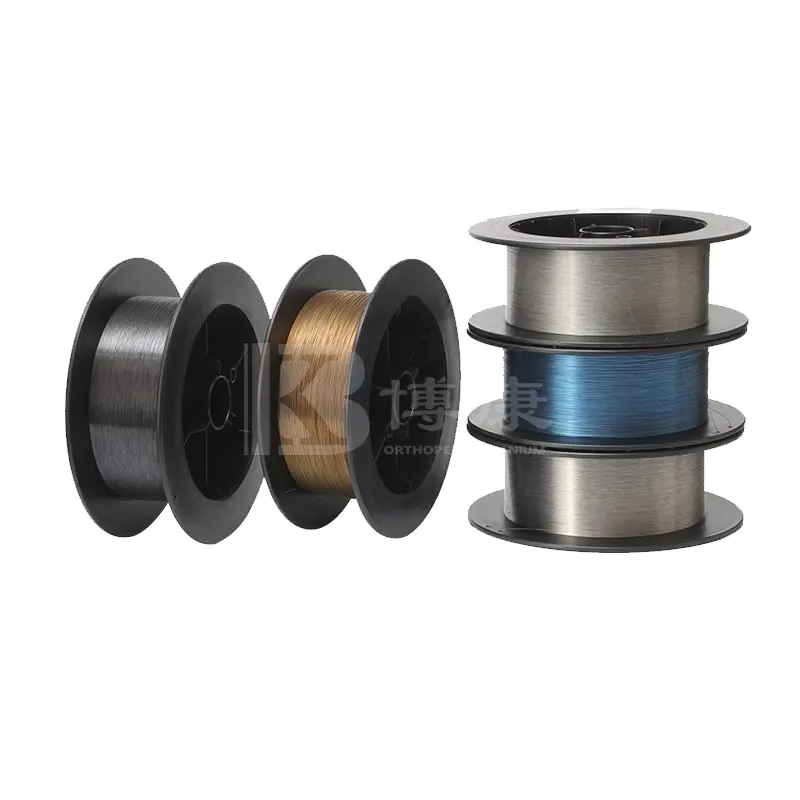
Nitinol wire is a key functional material in modern medical devices. As a nickel-titanium shape memory alloy, it combines outstanding superelasticity, biocompatibility, and fatigue resistance, and is widely used in cardiovascular intervention, neurointerventional devices, urological stone retrieval instruments, orthopedic implants, and dental appliances.
In minimally invasive applications requiring high flexibility, kink resistance, and long-term cyclic stability, Nitinol wire offers clear advantages over conventional stainless steel and medical-grade titanium alloys. Medical-grade Nitinol can achieve 6%–8% recoverable strain, whereas standard stainless steel typically recovers less than 1%. The material also features low stiffness well-matched to human tissue, though it does not offer advantages in tensile strength, surface hardness, or material cost.
The two defining characteristics of Nitinol alloys — the Shape Memory Effect (SME) and Superelasticity (SE) — arise from a reversible phase transformation between austenite and martensite crystal structures. This unique mechanism allows the material to recover its original shape after large deformation, making it the preferred material for complex minimally invasive devices such as guidewires and vascular stents. Since the mid-1990s, Nitinol wire has become an indispensable material in the medical device industry.
Nitinol (NiTi) is an intermetallic alloy composed primarily of nickel and titanium. Medical-grade Nitinol contains 54.5–57.0 wt.% nickel, with the balance being titanium. Per ASTM F2063, no intentional alloying elements are added to medical-grade Nitinol wire; impurities such as iron and chromium are strictly controlled, with limits of Fe ≤ 0.05 wt.% and Cr ≤ 0.025 wt.%, to avoid interference with transformation temperatures and biosafety.
Nitinol wire for medical device applications must comply with ASTM F2063 (Standard Specification for Wrought Nickel-Titanium Shape Memory Alloys for Medical Devices and Surgical Implants), with the corresponding domestic standard being GB/T 24627. The specification establishes rigorous requirements for chemical composition, transformation temperature, material homogeneity, and microstructure. Carbon content must be controlled at ≤ 0.05 wt.% (500 ppm), with strict impurity management to ensure stable material performance and in vivo biocompatibility.
| Property | Nitinol Wire | 316L Stainless Steel | TC4 Titanium Alloy (Grade 5) |
|---|---|---|---|
| Tensile Strength | 700–1100 MPa | 485–620 MPa | 895–1000 MPa |
| Recoverable Elastic Strain | 6%–8% | ≈ 0.2% | ≈ 0.8% |
| Biocompatibility | Excellent | Good | Excellent |
| Corrosion Resistance | Excellent | Good | Excellent |
| Shape Memory Effect | Yes | No | No |
Nitinol wire can be engineered for two distinct functional modes to meet the working requirements of different medical devices.
In shape memory mode, Nitinol wire can undergo significant deformation in the martensitic state. When heated above the austenite finish temperature (Af), the material recovers its pre-programmed original shape.
Primary applications include:
In a typical application, a bone fixation clip is cooled before implantation and gradually recovers its preset shape under body temperature, generating continuous compressive force to stabilize the fracture site.
Superelastic Nitinol wire is designed to operate above its Af temperature. The Af of medical superelastic Nitinol is typically set below body temperature, so the material remains predominantly in the austenitic phase in vivo.
Under applied load, the material can undergo approximately 6%–8% recoverable strain and rapidly return to its original shape upon unloading. Owing to this exceptional large-deformation recovery capability, superelastic Nitinol wire is extensively used in vascular stents, interventional guidewires, and various catheter components.
The combination of superelasticity, shape memory effect, resistance to repeated bending, and excellent biocompatibility makes Nitinol wire broadly applicable across the medical device industry.
Cardiovascular intervention is one of the most important application areas for Nitinol wire. Representative products include self-expanding stents, interventional guidewires, and catheter braided reinforcement layers.
Nitinol stents can be compressed into small-diameter delivery catheters and self-expand to the intended working diameter upon deployment, relying on the material's own elastic recovery — in most cases without the need for balloon dilation, though balloon post-dilation may be used in complex lesions.
Nitinol guidewires offer excellent conformability and kink resistance, enabling navigation through tortuous vascular anatomy without buckling or permanent deformation.
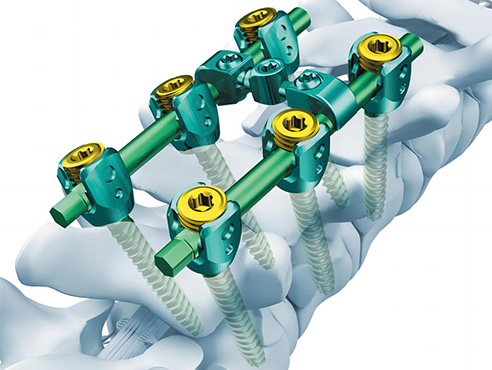
Nitinol is used in orthopedic and spinal devices primarily through its shape memory effect, with representative products including memory bone staples, tissue compression clips, and dynamic spinal fixation systems.
Compared with conventional rigid fixation structures, Nitinol components feature a lower elastic modulus, which helps improve stress distribution and reduce stress concentration.
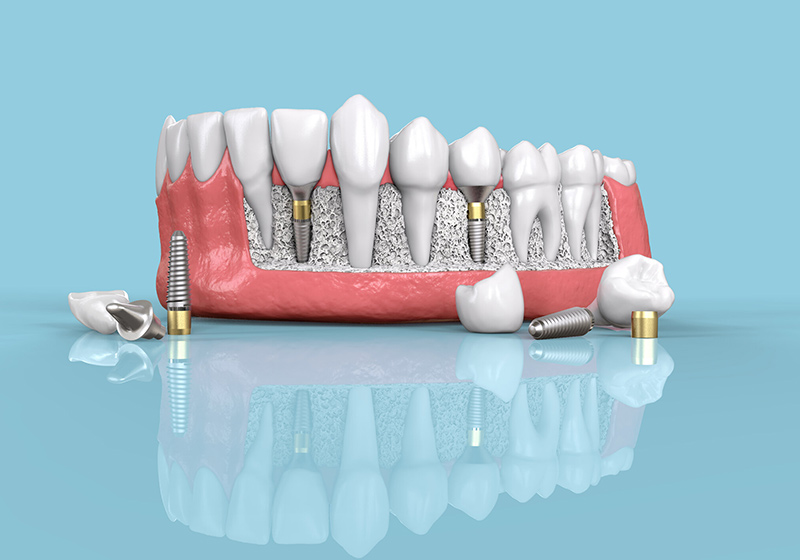
Superelastic Nitinol archwire is one of the most important archwire materials in modern orthodontics.
Compared with traditional stainless steel archwires, Nitinol archwires deliver lighter, more consistent continuous forces, improving patient comfort and enabling smoother, more controlled tooth movement. Even under significant deflection caused by malpositioned teeth or irregular arch forms, Nitinol archwires progressively recover to their preset arch shape.
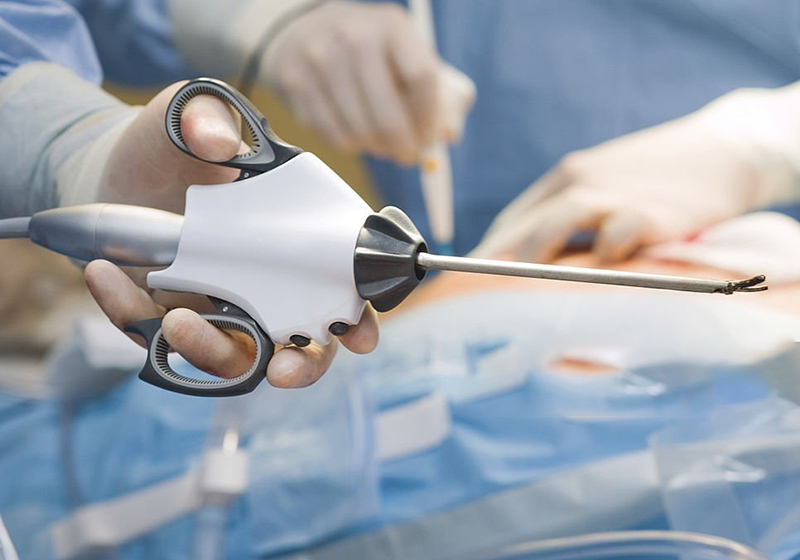
Nitinol wire is widely used in minimally invasive instruments such as stone retrieval baskets, snares, and soft tissue graspers.
These devices can be collapsed within the working channel of an endoscope and recover to their preset working configuration upon reaching the target site. The material's excellent kink resistance ensures stable performance in complex luminal environments.
Fine Nitinol wire (0.040–0.080 mm) is widely used in cerebrovascular interventional devices such as flow diverters and intracranial stents.
Wire of this diameter can be braided into high-coverage mesh structures, which are clinically employed for the treatment of cerebrovascular diseases such as intracranial aneurysms.
Typical applications:
A natural oxide layer formed during processing and heat treatment, providing a degree of surface protection.
Partial removal of the surface oxide layer; an intermediate surface condition.
Clean surface free of thick oxide scale and processing defects, with a uniform, dense passive film. Offers superior corrosion resistance and favorable biocompatibility; commonly specified for implantable devices.
Higher dimensional precision; suitable for applications requiring tight dimensional consistency.
Work-hardened through cold drawing; higher strength but without stable phase transformation behavior. Typically requires subsequent shape-setting heat treatment by the customer.
Superelastic heat treatment already completed; stable transformation behavior, ready for downstream device processing or direct assembly.
Nitinol wire can be manufactured into stranded constructions such as 1×3, 1×7, and 1×19, primarily used in guidewire mandrels, catheter torque reinforcement layers, and similar device components.
Stranded structures further enhance overall flexibility, kink resistance, and torque transmission performance.
Nitinol alloys spontaneously form a stable, dense titanium dioxide (TiO₂) passive layer on the surface, which effectively suppresses nickel ion release and renders the material suitable for implantation in the human body.
Biological safety is typically evaluated in accordance with the ISO 10993 series of standards, with specific requirements depending on device type and nature of contact.
Standard testing and compliance documentation typically includes:
Additional biocompatibility and third-party testing documentation may be provided upon customer request or as required by applicable device regulations.
In FDA technical reviews of Nitinol medical devices, transformation temperature is typically a key parameter of focus. Cold working, shape-setting, and heat treatment processes can all significantly affect the final Af temperature; therefore, transformation temperature is typically evaluated for both the raw material and the finished device.
The austenite finish temperature (Af) directly determines whether a Nitinol wire exhibits superelasticity or the shape memory effect.
Af is typically designed at 20–30 °C, ensuring the material is predominantly austenitic at body temperature (37 °C) for stable superelastic performance.
Af is typically designed at 30–36 °C, so that body temperature triggers the shape memory function after implantation.
Nitinol implants must withstand cyclic loading over extended periods in the body. For example, peripheral vascular stents are subject to approximately 36.8 million theoretical loading cycles per year due to pulsatile blood flow, with actual effective alternating cycles generally lower than this figure.
Within the superelastic strain range permitted by design, Nitinol alloys generally exhibit superior cyclic fatigue performance compared with conventional stainless steel, making them well-suited for high-cycle implantable applications.
Electropolishing reduces surface micro-defects and thereby effectively improves fatigue life.
Additional biocompatibility and third-party testing documentation may be provided upon customer request or as required by applicable device regulations.
Nitinol wire offers a significantly larger recoverable elastic strain range, superior cyclic fatigue performance, and superelasticity — a property entirely absent in stainless steel.
Self-expanding Nitinol stents deploy through the material's intrinsic elastic recovery, eliminating the need for balloon dilation in most clinical scenarios.
Nitinol provides both shape memory effect and superelasticity — functional properties that conventional titanium alloys generally do not possess.
Nitinol combines metallic structural strength, outstanding fatigue performance, and the capability for complex structural fabrication, making it better suited for load-bearing implantable devices.
Nitinol is a weakly paramagnetic material and is generally classified as MRI Conditional. Final compatibility must be confirmed through whole-device testing in accordance with standards such as ASTM F2182 and ASTM F2052.
Yes. Mainstream processing techniques include laser welding and laser cutting; both Nd:YAG laser and fiber laser systems are capable of high-precision machining of Nitinol.
Leading manufacturers can produce Nitinol wire as fine as 0.025 mm (25 μm), primarily used in micro-sensors, micro-electrodes, and other precision components. Cerebrovascular braided devices typically use wire of 0.040 mm and above.
Af is primarily determined by the alloy's nickel-to-titanium ratio. Minor variations in nickel atomic fraction can significantly shift Af — a composition change on the order of 0.1 at.% typically results in a shift of several to over ten degrees Celsius. Subsequent cold working and heat treatment further tune the final transformation temperature; therefore, DSC testing is typically required on each lot to confirm the actual Af value.
Copyright © 2024 Changzhou Bokang Special Material Technology Co., Ltd. All Rights Reserved.
Custom Round Pure Titanium Rod Manufacturers Privacy