Medical Titanium Rod: Grades, Standards & Applications
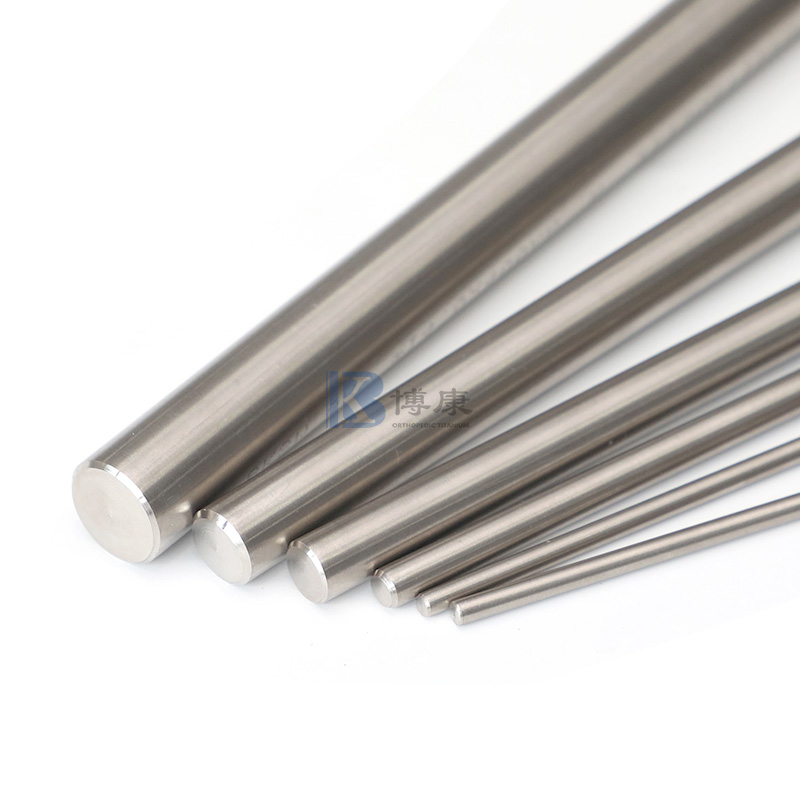
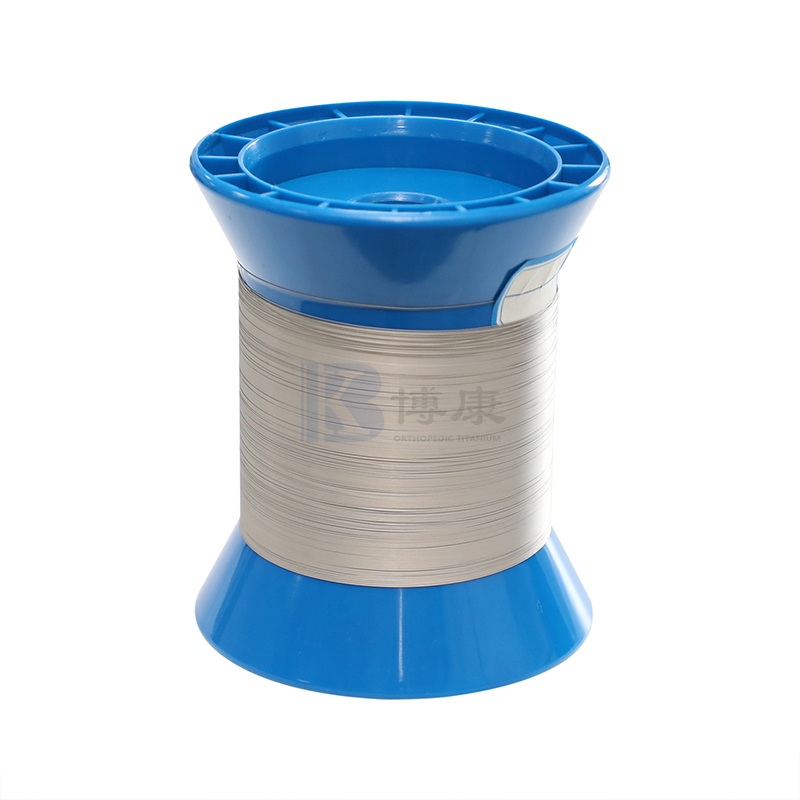
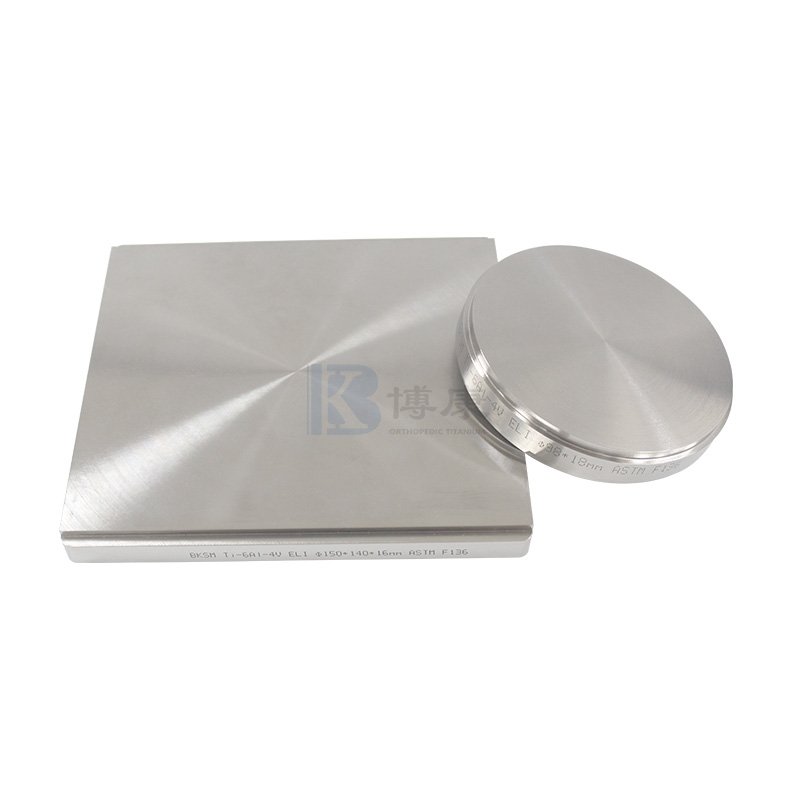
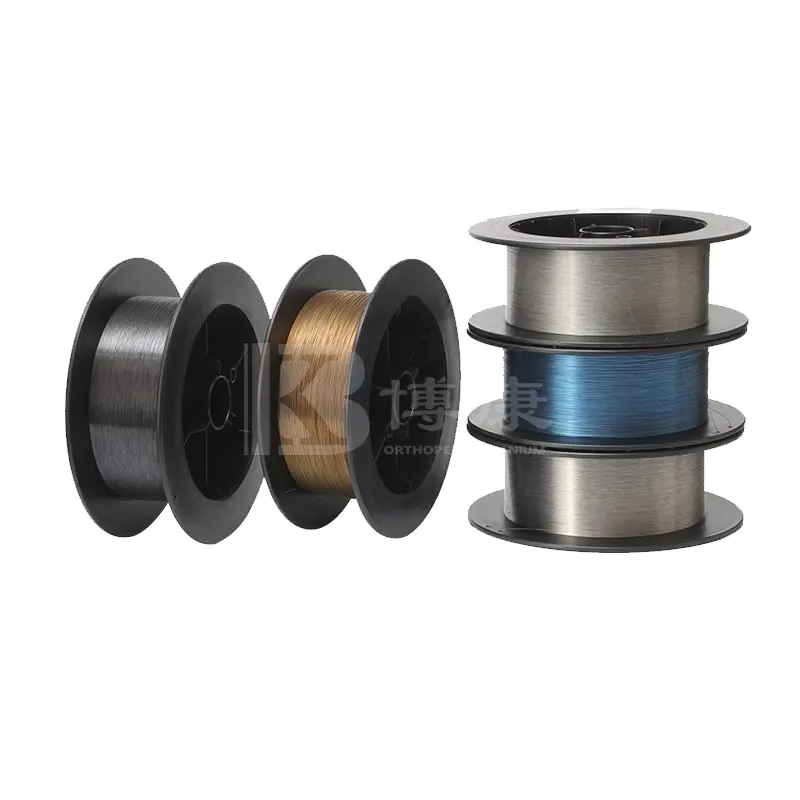
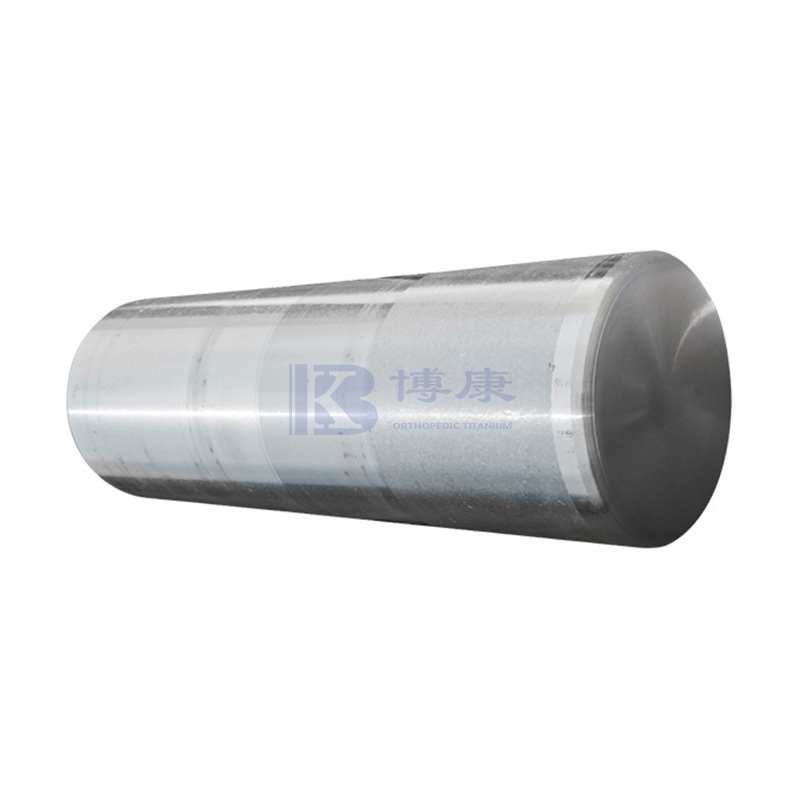
Medical titanium rods are cylindrical bar stock manufactured from medical-grade commercially pure titanium and titanium alloys renowned for their exceptional biocompatibility. Key material grades include Grade 1–4 Commercially Pure (CP) Titanium, Ti-6Al-4V (Grade 5), and Ti-6Al-4V ELI (Grade 23). These rods are widely used in orthopedic implants, spinal fixation systems, dental implants and CAD/CAM restorative systems, as well as surgical instrument manufacturing.
Titanium rod combines high specific strength, outstanding corrosion resistance, and favorable osseointegration characteristics, making it one of the core metallic materials for modern load-bearing medical implant applications. For procurement engineers, medical device manufacturers, and regulatory compliance professionals, a thorough understanding of material grades, mechanical properties, and applicable medical standards is of critical importance.
Why Titanium Is the Material of Choice for Medical Rods
The physiological environment of the human body is both complex and corrosive. Implant materials must withstand prolonged cyclic mechanical loading, bodily fluid corrosion, and immune responses. Compared with medical-grade stainless steel and cobalt-chromium alloys, titanium and its alloys offer distinct advantages across several key performance parameters:
Outstanding Biocompatibility: Titanium surfaces form a stable, inert TiO₂ oxide layer that effectively inhibits metallic ion release and reduces the risk of inflammatory responses.
Superior Corrosion Resistance: Titanium exhibits excellent resistance to corrosion in chloride-rich physiological environments, maintaining stable performance under long-term implant conditions.
Elastic Modulus Closer to Human Bone: The elastic modulus of Ti-6Al-4V is approximately 110 GPa, closer to cortical bone (~20 GPa) and significantly lower than cobalt-chromium alloys (~230 GPa), helping to reduce the "stress shielding" effect.
MRI Compatibility: Titanium is non-ferromagnetic, producing significantly fewer magnetic susceptibility artifacts during MRI examinations compared to stainless steel and cobalt-chromium alloys, facilitating postoperative imaging assessment.
Low Density and High Specific Strength: With a density of approximately 4.51 g/cm³ — roughly 45% lighter than medical stainless steel — titanium delivers strength while minimizing implant weight.
These advantages have established titanium as one of the core metallic materials in modern orthopedic, spinal, and dental implant applications.
Common Titanium Grades for Medical Round Bar
Different medical titanium grades have distinct chemical compositions, microstructures, and mechanical properties. Medical titanium bars are typically produced in accordance with ASTM and ISO standards, with round bar being the most commonly used feedstock form for precision machining of medical implants and surgical instruments.
High-strength orthopedic components, trauma fixation systems
Grade 23 (Ti-6Al-4V ELI)
α+β ELI Titanium Alloy
≥825–860 MPa
≥760–795 MPa
High-fatigue implants, spinal implant systems
The mechanical property data above are compiled in accordance with ASTM F67, ASTM F136, and ASTM F1472. Minimum mechanical property requirements may vary depending on diameter, product form, and delivery condition.
Grade 23 (Ti-6Al-4V ELI, Extra Low Interstitial) features tighter controls on interstitial elements such as oxygen and iron content compared to standard Grade 5, resulting in superior fracture toughness, ductility, and fatigue resistance. It is therefore widely adopted for long-term load-bearing implant applications. While maintaining excellent overall mechanical properties, Grade 23 effectively reduces the risk of fatigue failure under long-term cyclic loading. Its governing standard, ASTM F136, is one of the most important international standards for surgical-implant-grade Ti-6Al-4V ELI alloy, widely applied in spinal implants, bone fixation systems, and high-fatigue medical device manufacturing.
Applicable Standards and Certification Requirements
Medical titanium round bars must simultaneously comply with multiple levels of specification — including material standards, dimensional tolerance requirements, and quality management systems — to ensure material performance, product consistency, and safety in medical applications.
ISO 5832-2 / ISO 5832-3 — ISO standards for unalloyed titanium and Ti-6Al-4V alloy for surgical implants
AMS 4928 / AMS 4967 — Aerospace-grade Ti-6Al-4V material standards, also referenced in certain high-performance medical and precision machining applications
Quality System Certifications
ISO 13485:2016 — Quality Management Systems for Medical Devices
ISO 9001 — General Quality Management Systems
ISO/IEC 17025:2017 — General Requirements for the Competence of Testing and Calibration Laboratories
Each batch of medical titanium bar should be accompanied by complete material traceability documentation, including:
Heat Number
Mill Test Report (MTR)
Chemical Composition Analysis Report
Mechanical Properties Test Report
Dimensional and Surface Inspection Report
All test data must maintain full traceability to the corresponding heat number to satisfy medical device regulatory and quality management requirements.
Key Manufacturing Requirements for Medical Round Bar
Medical titanium round bars are not simply raw material supply forms. Their dimensional accuracy, surface condition, and microstructural uniformity directly affect machining consistency, fatigue performance, and long-term service stability of finished implants.
Dimensional Accuracy and Geometric Tolerances
Medical titanium round bars intended for precision implant machining are typically supplied in a precision-ground or centerless-ground condition, with dimensional tolerances controlled to ISO 286 h6 or h7 tolerance grades.
Typical specification ranges:
Diameter range: 1.0–100 mm
Diameter tolerance: h6 / h7
Roundness tolerance: <0.005 mm
Straightness: <0.2 mm/m
Tighter dimensional tolerances effectively reduce CNC setup errors, improve machining consistency, and minimize material waste in the production of dental implants, spinal implants, and bone fixation devices.
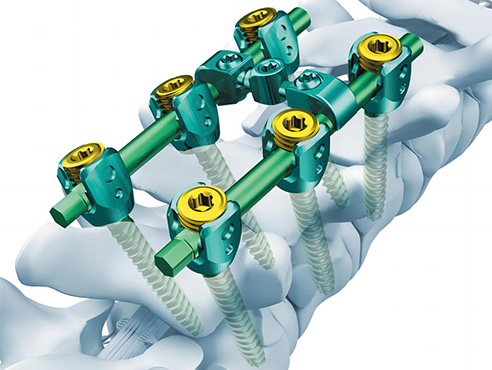
For elongated components such as spinal rods and minimally invasive surgical instruments, strict straightness control is particularly critical, as it reduces assembly misalignment and lowers the risk of long-term fatigue failure.
Surface Condition and Roughness
Bar surface roughness directly affects fatigue crack initiation and downstream machining stability. Medical applications preferentially specify precision-ground or centerless-ground surfaces (Ra ≤ 0.8 μm) to minimize defects such as cracks, laps, surface contamination, and oxygen-enriched alpha case layers.
Compared with hot-rolled black bar, precision-ground surfaces provide significantly improved machining stability and fatigue performance, making them more suitable for high-precision medical implant applications.
Microstructural Uniformity
Forging and drawing processes produce a uniform, refined equiaxed microstructure. In accordance with ASTM F136, Grade 23 (Ti-6Al-4V ELI) material requires good microstructural uniformity and grain size control to meet the fatigue performance and fracture toughness demands of long-term implant applications.
Fatigue Performance
Spinal rods, bone fixation systems, and trauma implants are typically subjected to millions to tens of millions of cyclic loading events over their service life. Ti-6Al-4V ELI is widely used in high-cycle load-bearing implant applications due to its superior fatigue resistance and fracture toughness, and supports compliance with fatigue testing standards such as ASTM F1717 and ISO 12189.
Key Applications of Medical Titanium Round Bar
Medical titanium round bars serve as critical feedstock for medical implants and precision surgical instruments, with broad application across orthopedic, spinal, dental, and surgical instrument manufacturing sectors.
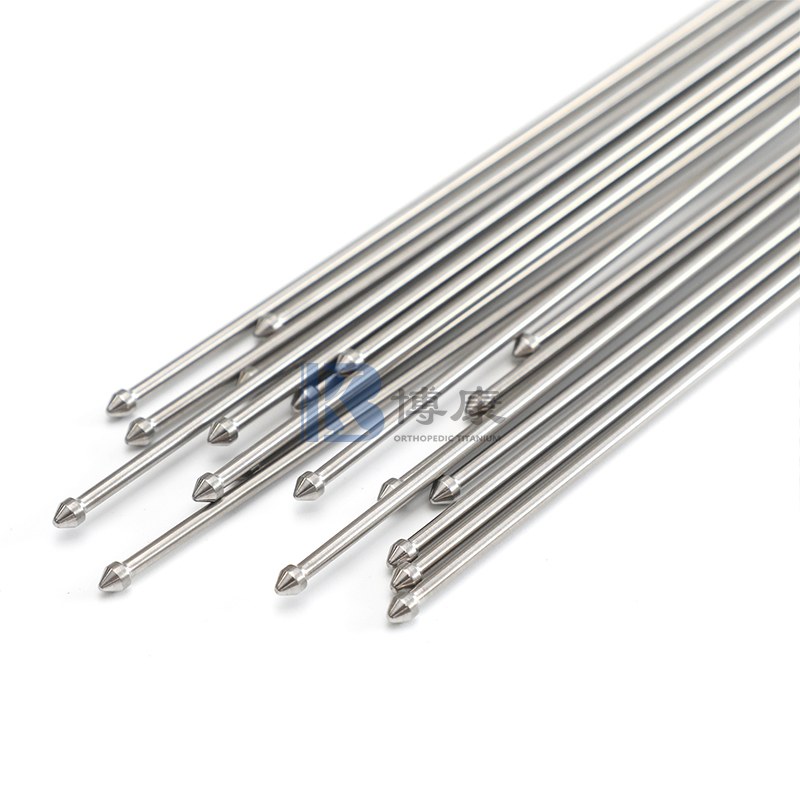
Spinal Fixation Rods: Longitudinal connecting rods in pedicle screw systems, commonly in diameters of 5.5 mm and 6.0 mm.
Bone Screws and Anchors: Cortical screws, cancellous screws, and bone anchors, typically CNC-turned with diameter ranges of approximately 2.0–8.5 mm.
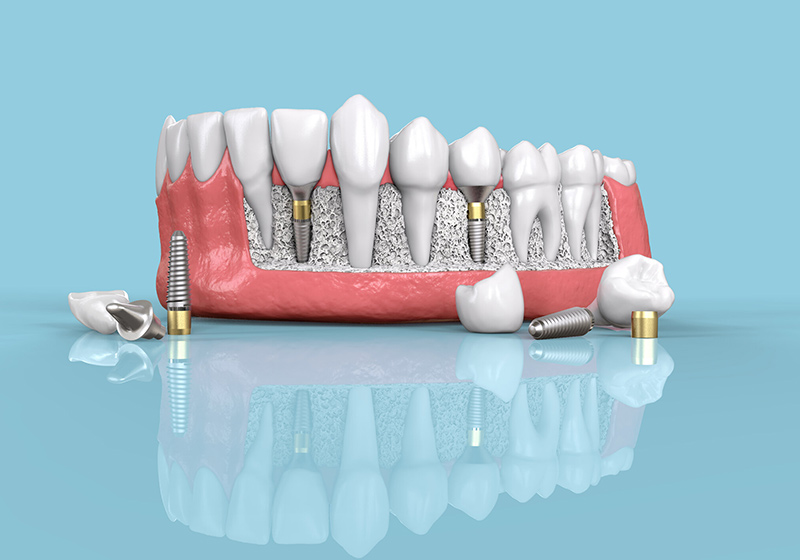
Dental Implants and Abutments: Grade 4 CP Titanium is widely used in dental implant systems due to its excellent osseointegration properties.
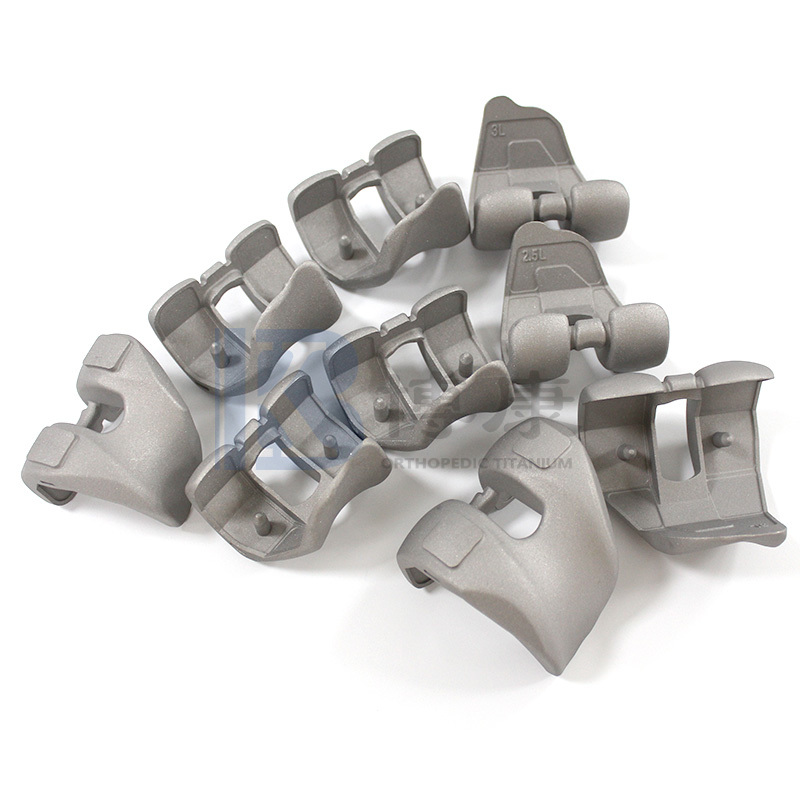
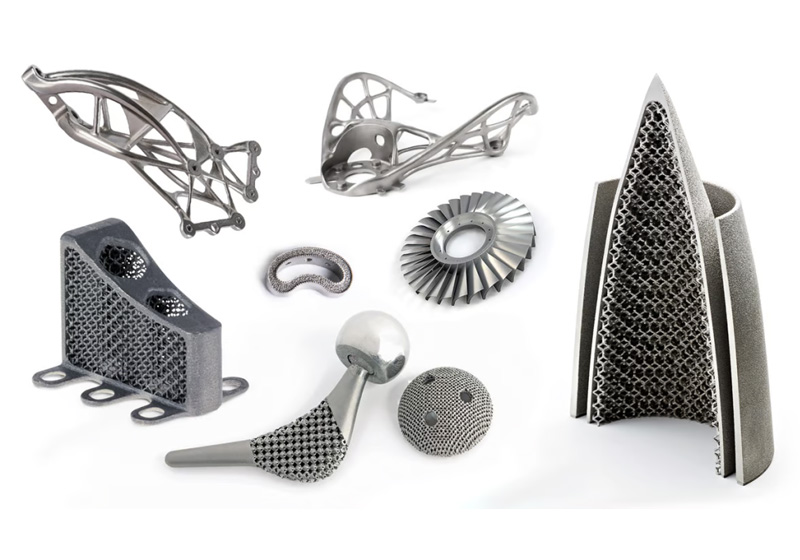
Hip and Knee Joint Components: Femoral stems and tibial knee components, typically machined from large-diameter titanium alloy round bar.
Trauma Fixation Implants: Intramedullary nails, bone plates, and external fixation pins.
Among commonly used metallic implant materials, titanium alloy's elastic modulus most closely approximates that of human bone tissue, providing clear advantages in long-term osseointegration and fixation stability.
Key Checklist When Sourcing Medical Titanium Round Bar
For procurement personnel and quality engineers, the following items must not be overlooked:
Compliance with material standards (ASTM F136, ASTM F67, ASTM F1472)
ISO 13485 Quality Management System certification
Complete material traceability documentation
Chemical composition analysis report
Mechanical properties test report
Dimensional and surface inspection report
Non-destructive testing (UT Ultrasonic inspection)
Packaging and contamination prevention controls
Frequently Asked Questions (FAQ)
What is the difference between Grade 5 and Grade 23?
Both are Ti-6Al-4V alloys, but Grade 23 imposes stricter limits on interstitial elements (such as oxygen) and iron content, resulting in superior fracture toughness and fatigue resistance. This makes it better suited for long-term cyclically loaded implants such as spinal rods and intramedullary nails.
What surface condition is most suitable for medical titanium bar?
A centerless-ground or precision-turned surface (Ra ≤ 0.8 μm) is recommended to effectively reduce the risk of fatigue crack initiation.
Is medical titanium bar compatible with MRI?
Yes. Titanium is a non-ferromagnetic material with excellent MRI environment compatibility and minimal magnetic susceptibility artifacts.
What diameter ranges are available for medical titanium round bar?
Small diameter (1–10 mm): Dental implants, bone screws
Medium diameter (10–50 mm): Spinal rods, trauma fixation implants
Large diameter (50–100 mm): Hip and knee joint components

 Send Inquiry


 EN
EN
 English
 日本語
日本語 한국어
한국어 Español
 عربى
عربى русский
 Deutsch
 中文简体
中文简体