How does industrial titanium round rod & bar differ from other titanium product forms?
Understanding industrial titanium round rod & bar in the titanium product ecosystem
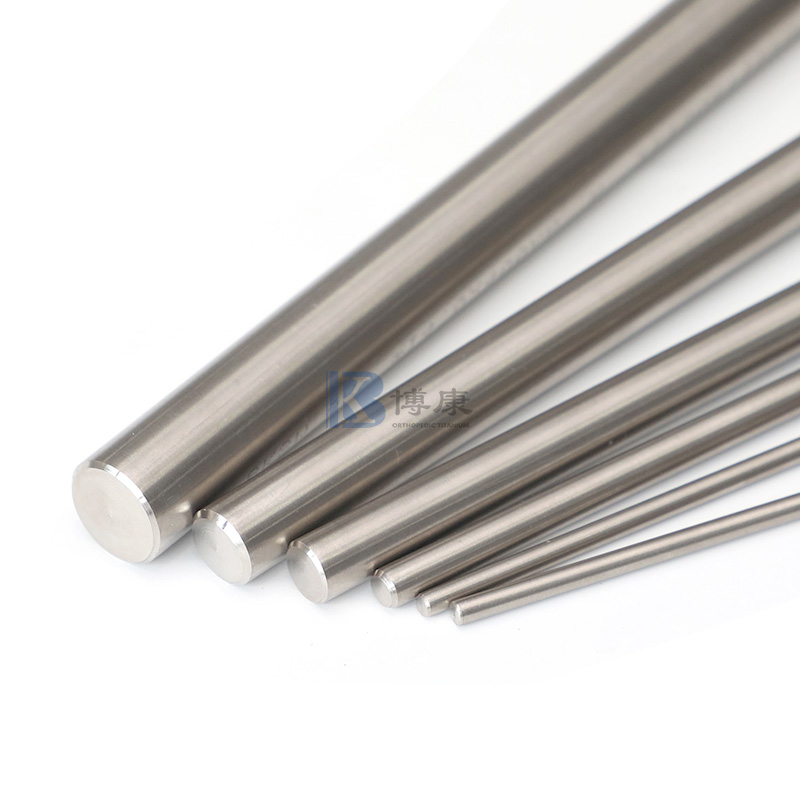
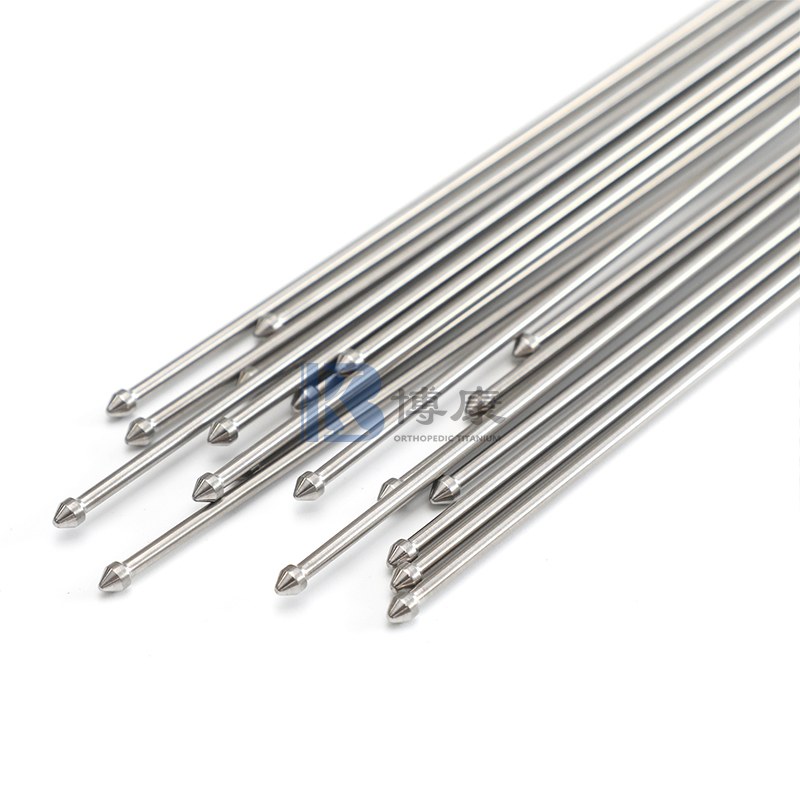
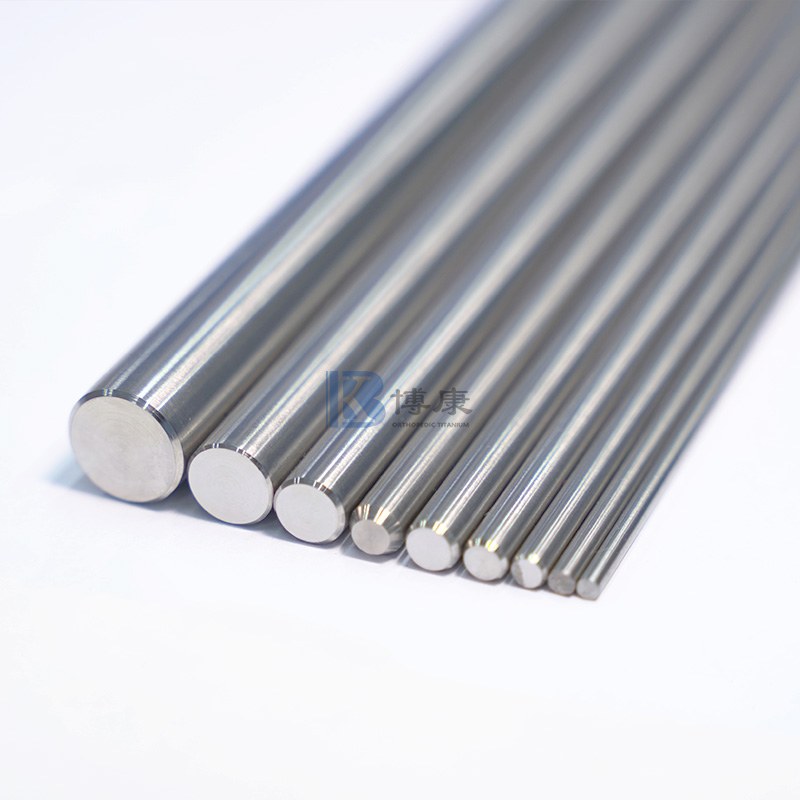
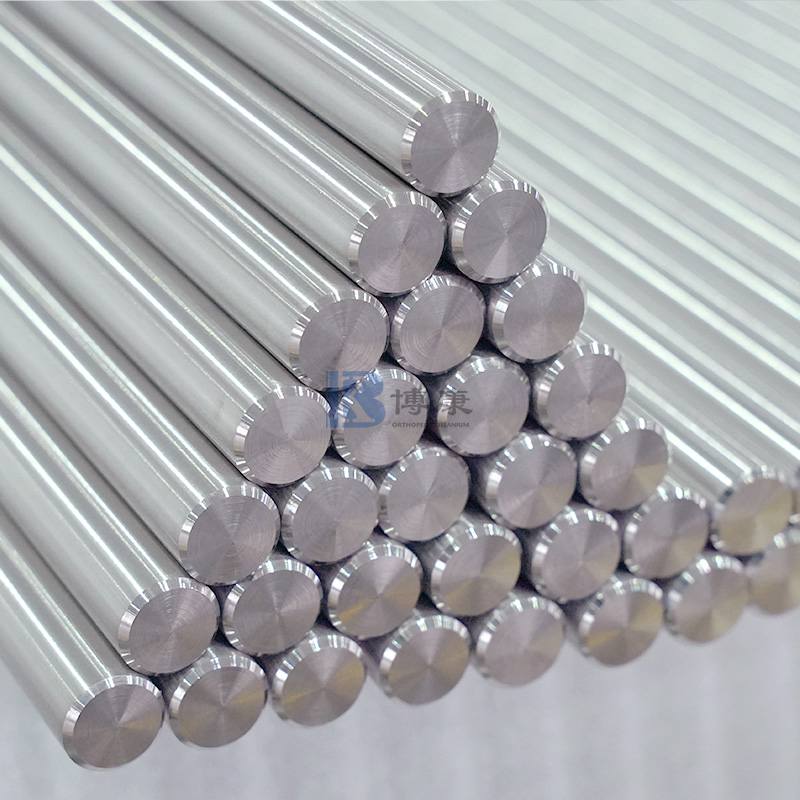
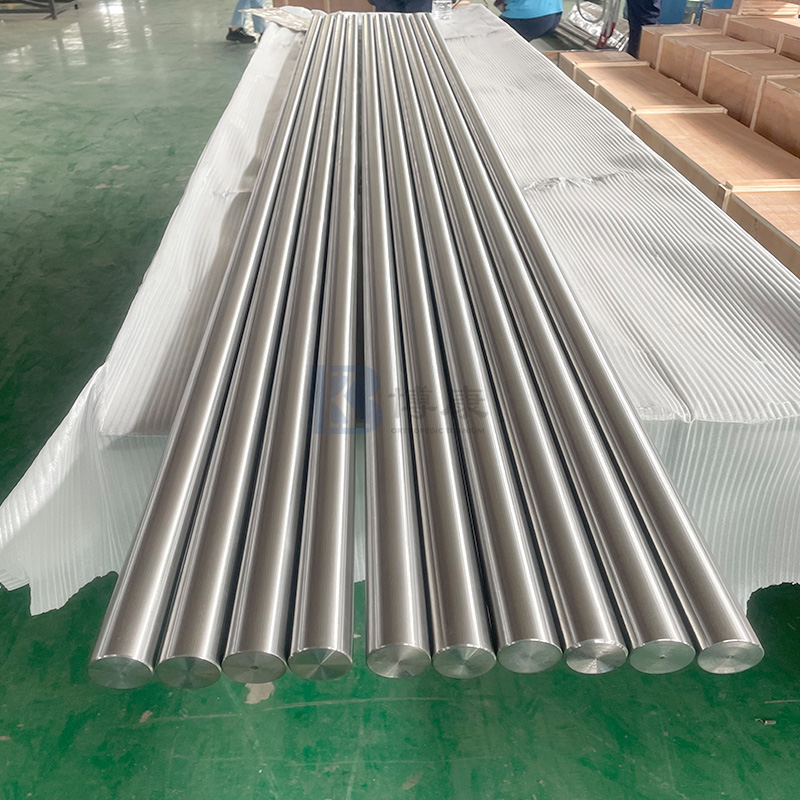
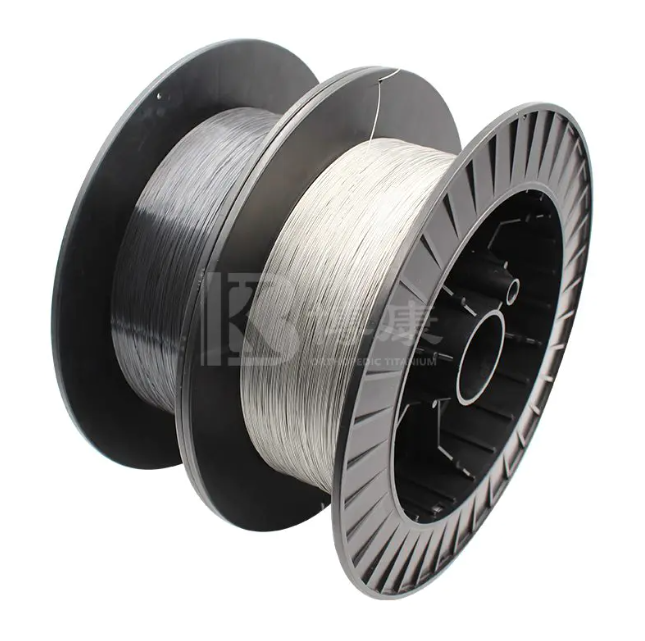
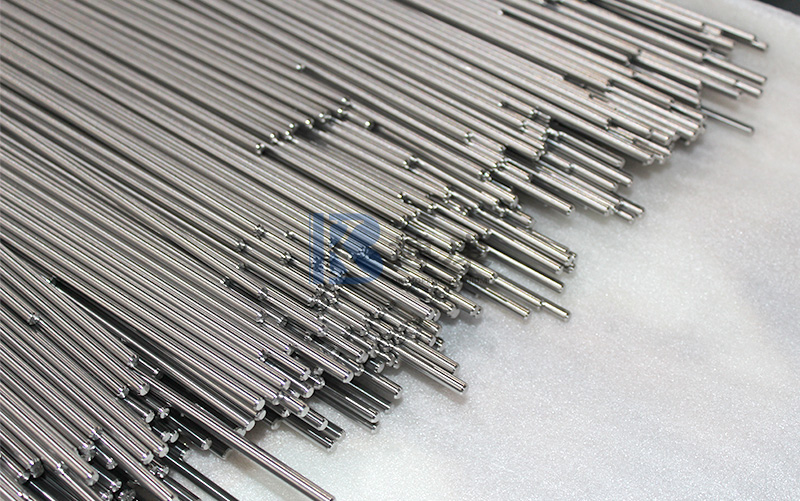
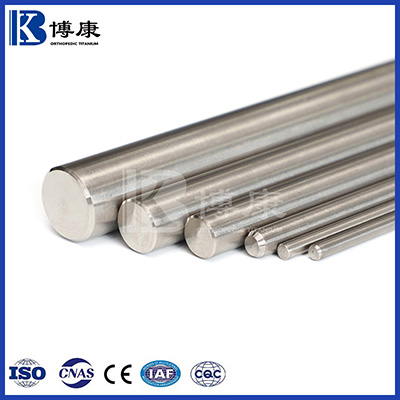
In the broad landscape of titanium materials, product form plays a decisive role in determining performance, manufacturability, and end use. industrial titanium round rod & bar represent one of the most fundamental and versatile forms of titanium products, serving as a primary feedstock for precision components across medical, aerospace, and heavy industrial sectors. Unlike plates, sheets, tubes, or near net shape forgings, round rods and bars are designed to provide consistent cross sectional geometry, stable mechanical behavior, and predictable processing characteristics.
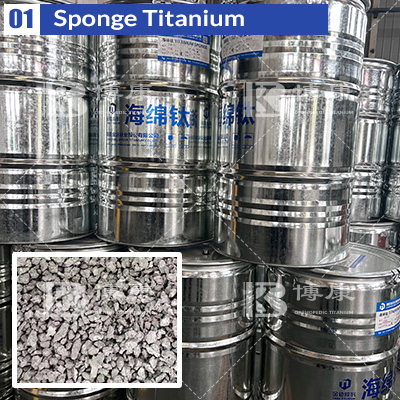
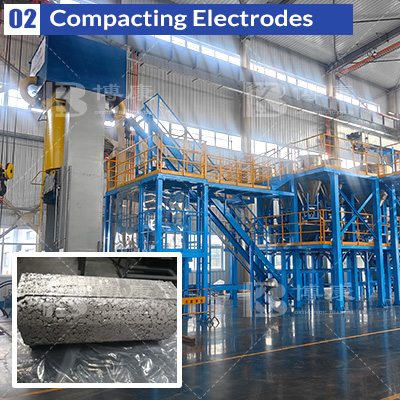
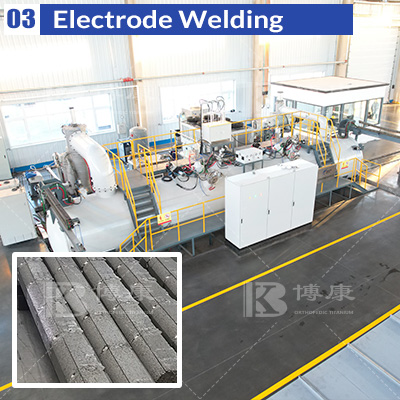
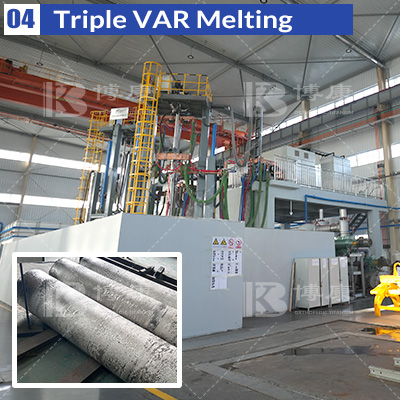
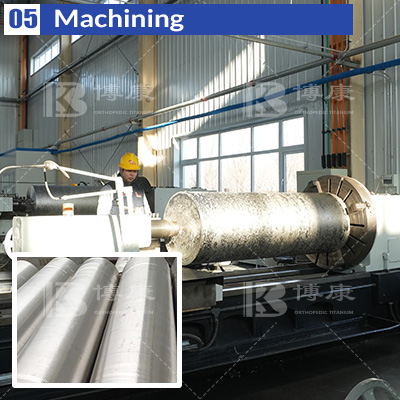
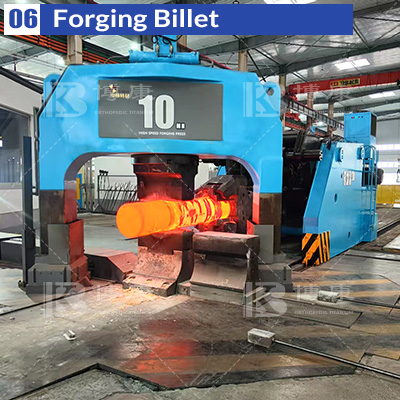
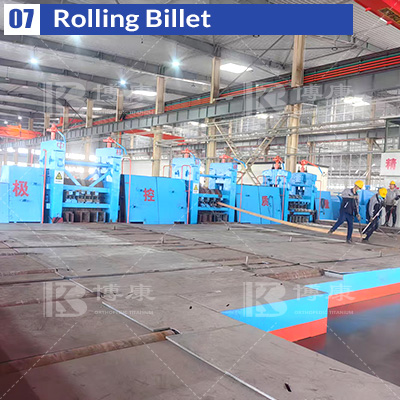
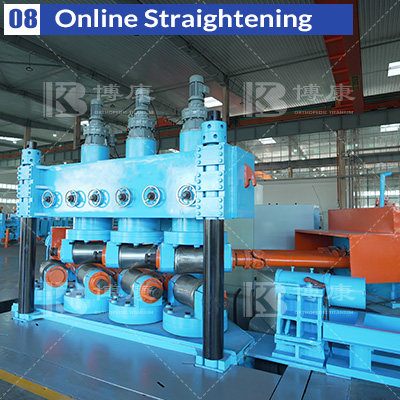
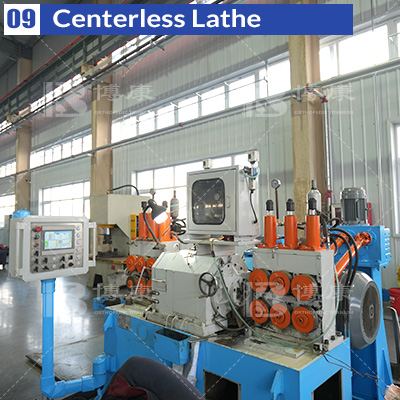
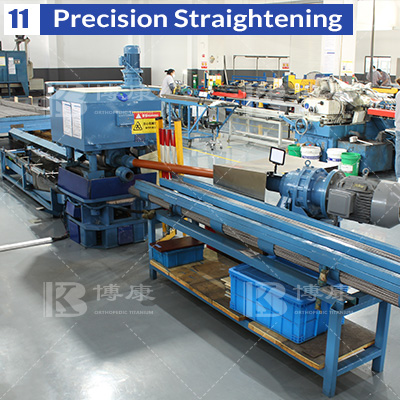
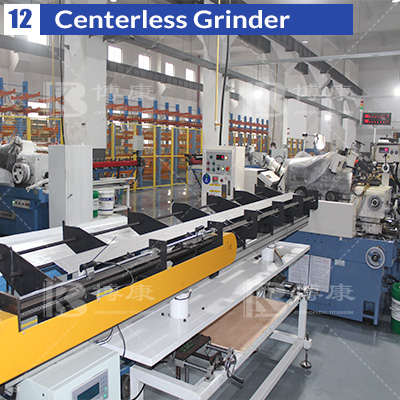
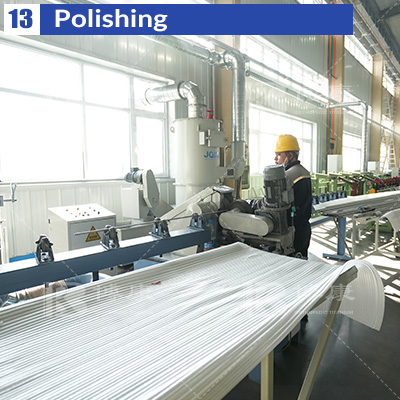
From a materials engineering perspective, industrial titanium round rod & bar are typically produced through a tightly controlled sequence of melting, forging, rolling, straightening, and finishing operations. This process chain ensures uniform chemical composition, refined grain structure, and excellent dimensional consistency along the entire length of the product. These attributes distinguish round rods and bars from flat products, which prioritize surface area, or tubular products, which focus on pressure resistance and fluid transport.
Another defining difference lies in application flexibility. Round rods and bars are widely used as semi finished materials for machining, turning, milling, and grinding into high precision parts. This makes titanium round bars for industrial use especially suitable for components that demand strict tolerances, high fatigue resistance, and reliable long term performance. In contrast, titanium sheets and plates are more often selected for structural panels or formed assemblies, while titanium tubes are optimized for heat exchange or fluid systems.
The role of industrial titanium round rod & bar is therefore closely linked to their ability to serve as a stable and high quality material foundation. This product form enables manufacturers to balance mechanical strength, corrosion resistance, and processing efficiency, which explains its continued importance across demanding industrial environments.
Key material and performance differences compared with other titanium forms
When comparing industrial titanium round rod & bar with other titanium product forms, material performance characteristics become a primary differentiator. Round rods and bars are valued for their isotropic mechanical behavior, meaning their strength and fatigue performance remain consistent in all radial directions. This is particularly important for rotating components, load bearing pins, fasteners, and shafts, where uneven material behavior could compromise safety or service life.
Flat products such as titanium plates and sheets, while offering excellent corrosion resistance and formability, may exhibit directional properties due to rolling processes. Tubes, on the other hand, are optimized for internal pressure and flow, but are less suitable for applications requiring solid cross sections or extensive machining. In contrast, solid titanium round rods and bars provide superior dimensional stability during cutting and shaping, reducing deformation risks during downstream processing.
Surface quality also sets round rods and bars apart. High surface finish and precise roundness allow these products to be directly machined without excessive material removal. This reduces waste and improves production efficiency. For critical applications, such as medical implants or aerospace connectors, precision titanium rod products deliver reliable surface integrity that supports strict quality requirements.
In terms of fatigue resistance, the fine grain structure achieved through advanced forging and finishing processes gives industrial titanium round rod & bar an extended service life under cyclic loading. This advantage is less pronounced in cast or near net shape titanium products, which may prioritize shape complexity over uniform microstructure. As a result, round rods and bars remain the preferred choice where durability and long term reliability are essential.
Manufacturing standards and quality assurance as differentiating factors
Another critical distinction between industrial titanium round rod & bar and other titanium product forms lies in standards compliance and quality control. These products are commonly manufactured in accordance with globally recognized standards such as ASTM, ISO, AMS, ASM, JIS H4600, and DIN 3.7165. Compliance with these standards ensures consistent chemical composition, mechanical performance, and dimensional accuracy across different production batches.
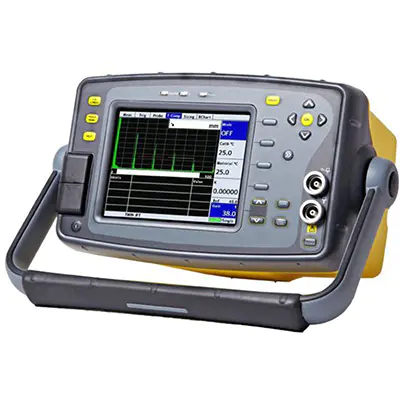
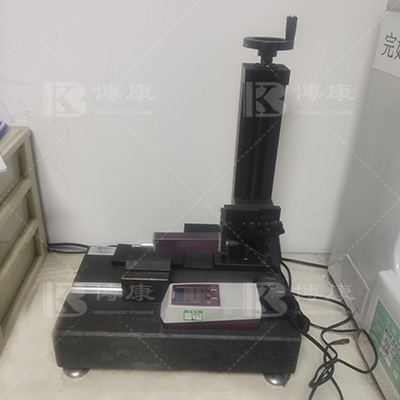
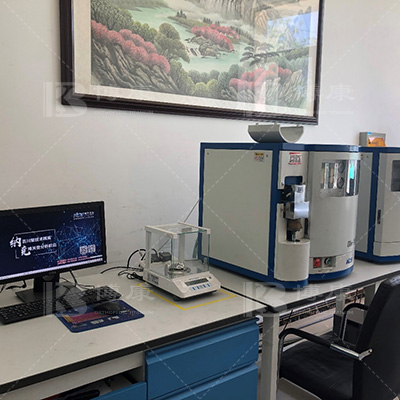
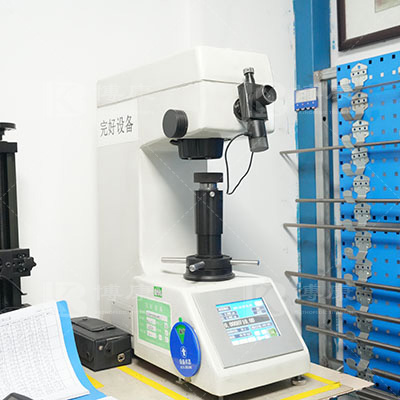
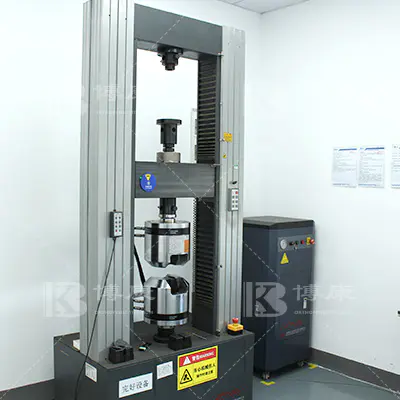
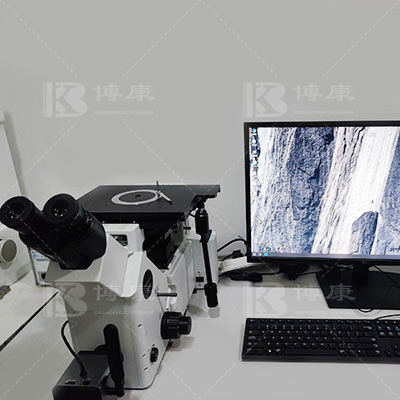
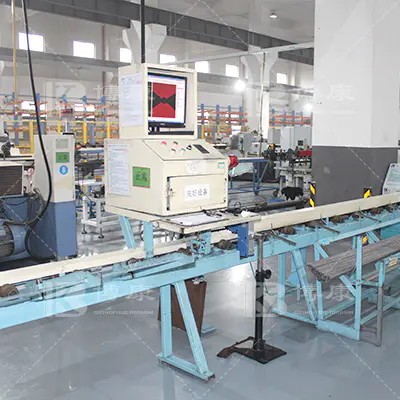
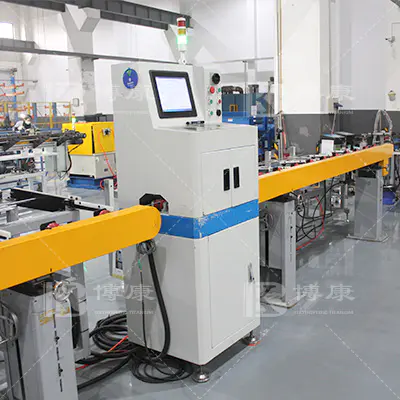
Round rods and bars are often subject to more stringent inspection protocols than some other product forms. These include chemical analysis, ultrasonic testing, dimensional verification, and surface inspection. Such measures are essential because rods and bars frequently serve as the starting material for safety critical components. industrial grade titanium bars must therefore demonstrate a high level of traceability and repeatability.
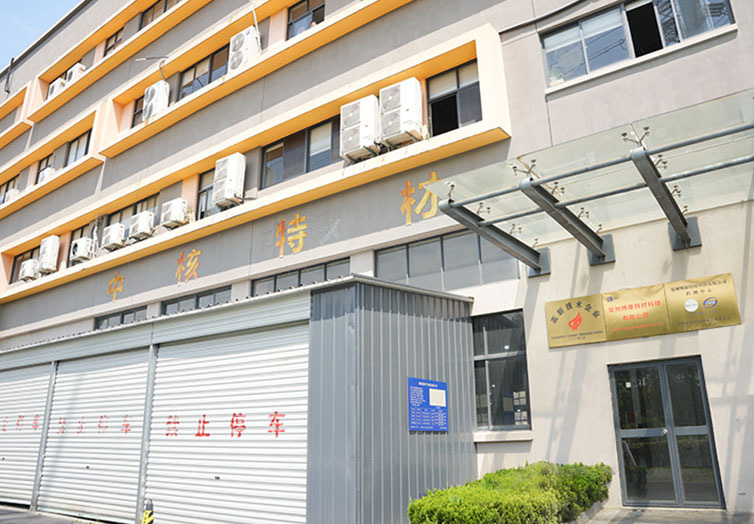
At Changzhou Bokang Special Material Technology Co., Ltd., quality assurance is integrated throughout the entire production process. From raw material selection to final inspection, each stage is designed to support stable and reliable output. This systematic approach reflects the broader industry expectation that industrial titanium round rod & bar must meet not only dimensional requirements, but also long term performance criteria under demanding conditions.
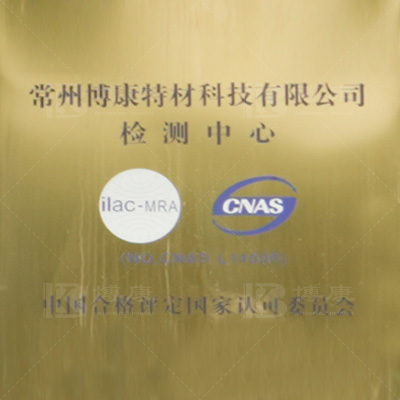
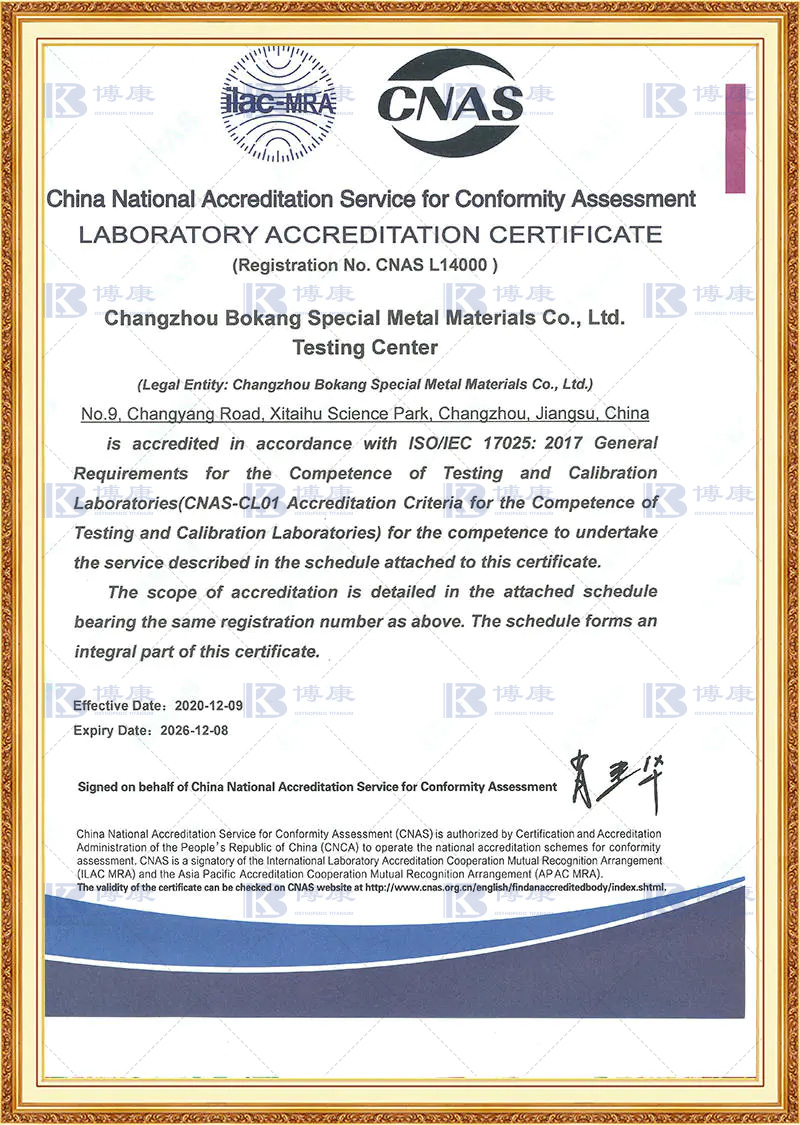
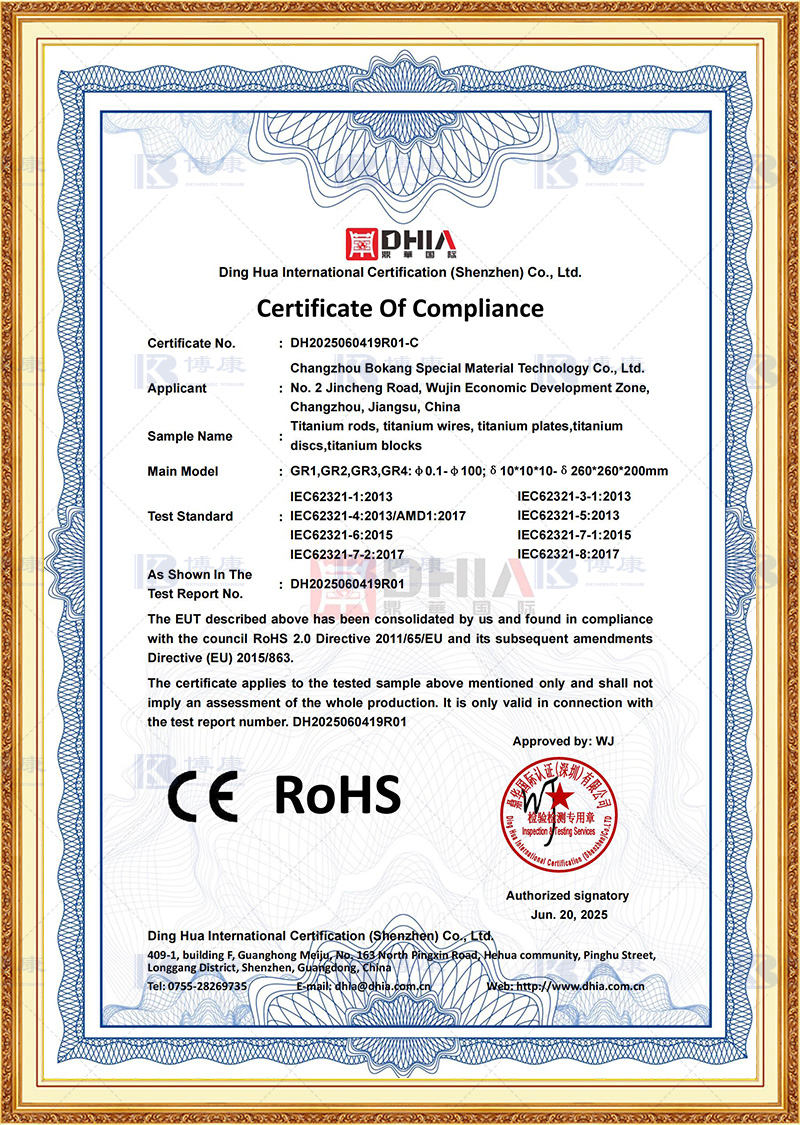
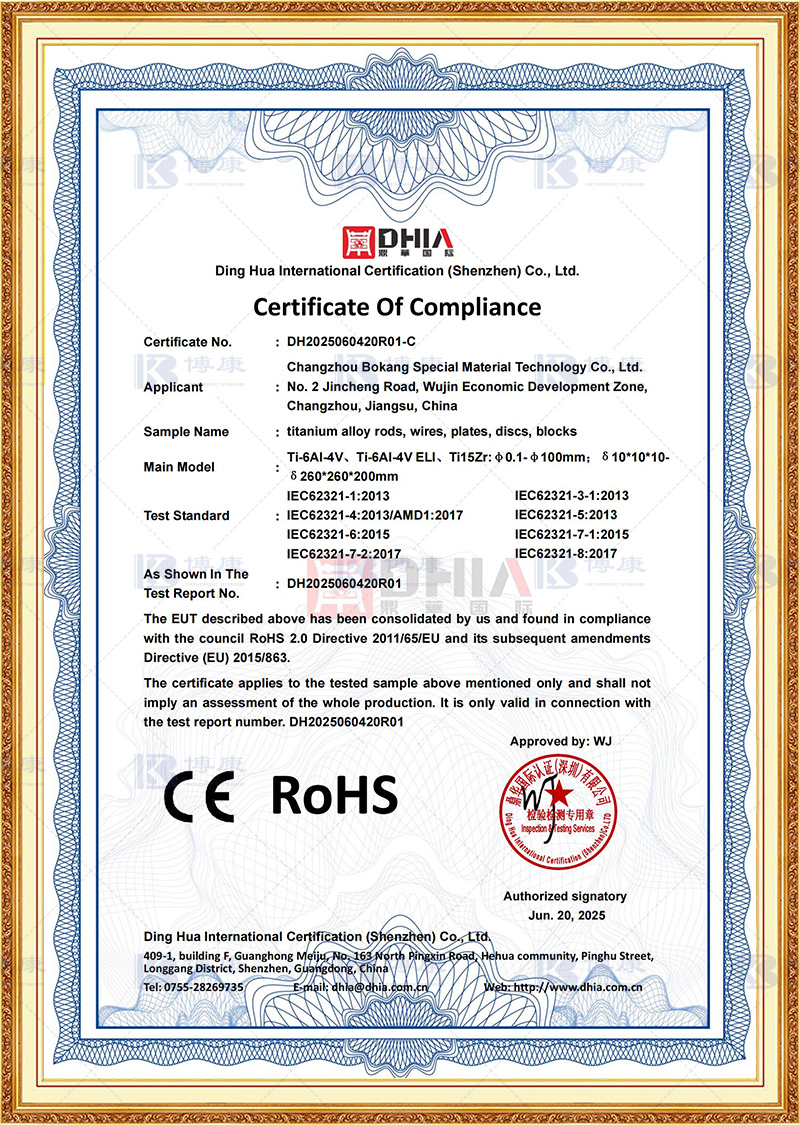
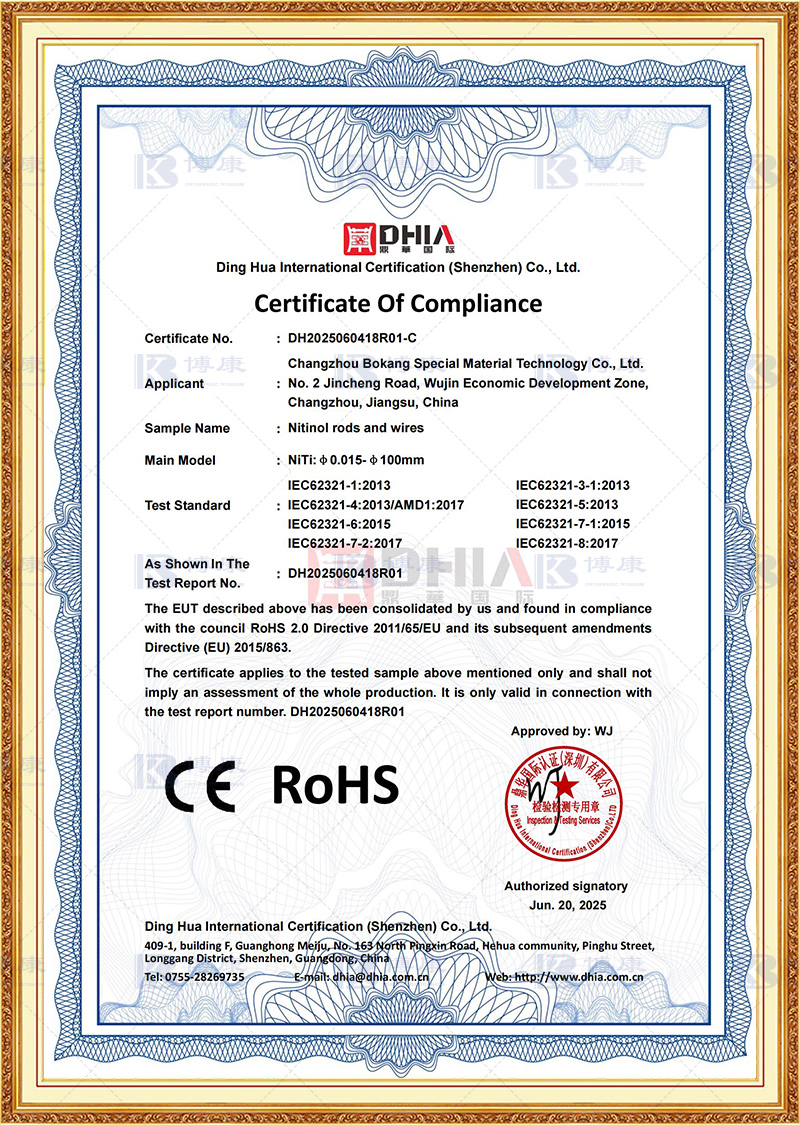
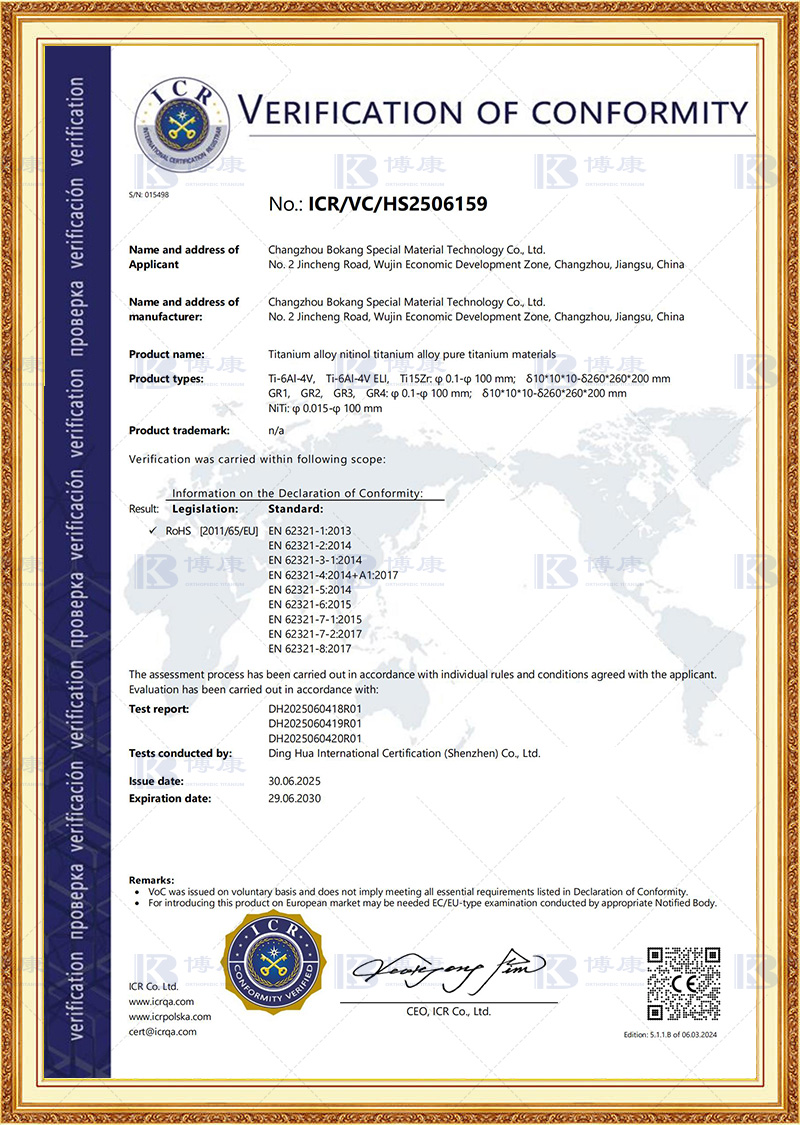
Certifications such as ISO 9001 for quality management, ISO 13485 for medical applications, and ISO IEC 17025 for testing capability further distinguish high quality rod and bar products from less controlled titanium forms. These certifications demonstrate that production and testing processes are aligned with international best practices, reinforcing trust among global customers.
Grade selection and its impact on application suitability
Titanium grade selection represents a major point of differentiation between industrial titanium round rod & bar and other product forms. Round rods and bars are available in a wide range of commercially pure and alloyed grades, allowing precise alignment with application requirements. Commercially pure grades such as Gr1, Gr2, Gr3, and Gr4 are known for excellent corrosion resistance, good ductility, and ease of fabrication.
These grades are commonly used in chemical processing equipment, marine environments, heat exchangers, and energy systems. Their availability in round rod and bar form allows manufacturers to machine complex components while maintaining corrosion performance. By comparison, titanium sheets in similar grades are more suitable for formed structures rather than machined parts.
Titanium alloy round rods, including Gr5, Gr9, and Gr23, introduce enhanced strength, fatigue resistance, and reliability. titanium alloy round bars for industrial applications are particularly valuable in aerospace, automotive, and high performance machinery, where weight reduction and mechanical stability are critical. Gr23, with its enhanced fracture toughness, is especially suited for safety critical and low temperature environments.
Changzhou Bokang Special Material Technology Co., Ltd. provides both pure titanium and titanium alloy round rods with consistent quality and customizable specifications. This flexibility highlights one of the core advantages of rod and bar products: their adaptability to diverse technical demands without compromising material integrity.
Dimensional control and customization advantages
Dimensional control is a defining advantage of industrial titanium round rod & bar when compared with other titanium forms. Precise control over diameter, straightness, and roundness allows these products to be used directly in high precision machining operations. Tight tolerances reduce secondary processing steps, improving efficiency and cost effectiveness.
Customization is another area where round rods and bars excel. Manufacturers can specify custom diameters, lengths, and tolerances to match exact project requirements. This level of customization is more challenging with plates or tubes, which may require additional forming or welding to achieve the desired geometry. custom titanium rod solutions therefore support a broader range of component designs.
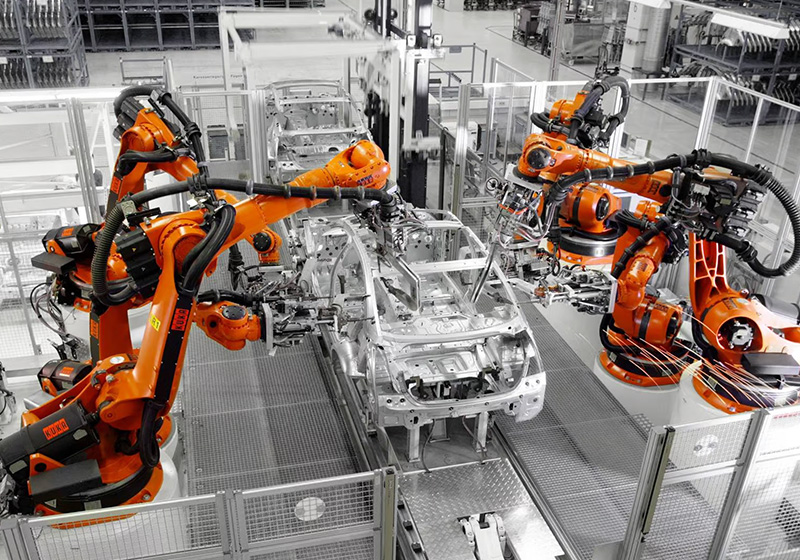
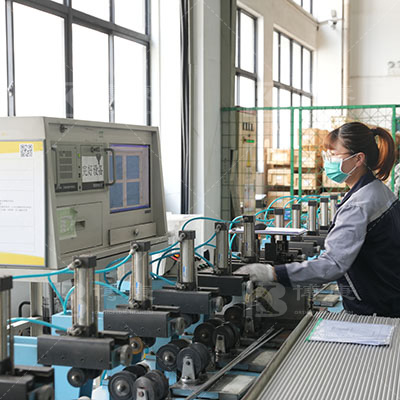
In industrial practice, consistent dimensional performance is closely linked to process stability. Advanced melting, forging, and finishing technologies ensure that each rod maintains uniform properties along its length. This consistency is particularly important for automated machining environments, where variability can lead to tool wear or dimensional deviation.
The ability to provide small minimum order quantities further differentiates industrial titanium round rod & bar from other titanium products. With a low entry threshold, manufacturers can support prototyping, small batch production, and specialized projects without compromising quality or supply reliability.
Application driven comparison across major industries
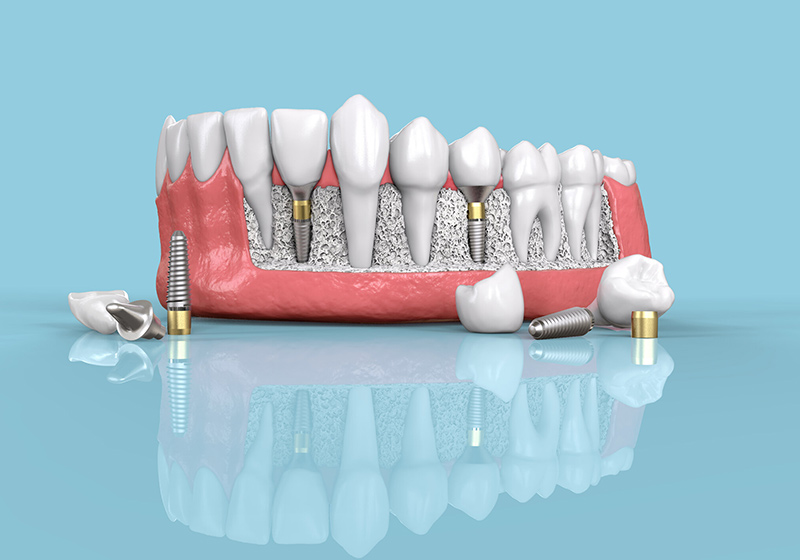
The differences between industrial titanium round rod & bar and other titanium product forms become most apparent when viewed through the lens of real world applications. In the medical sector, round rods are widely used as raw material for orthopedic implants, dental components, and surgical instruments. Their uniform microstructure and surface quality support precise machining and reliable biocompatibility.
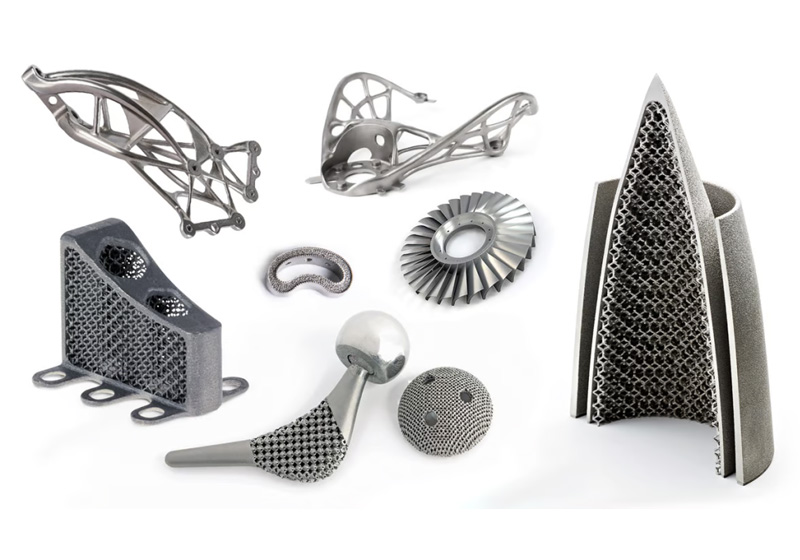
In aerospace applications, titanium round rods and bars serve as the basis for fasteners, connectors, and structural elements. Their high strength to weight ratio and excellent fatigue performance make them preferable to flat products for load bearing components. Tubes may be used for fluid systems, but solid rods are essential for mechanical integrity.
Industrial environments such as offshore platforms, reactors, pumps, and valves place heavy demands on material durability. industrial titanium round rod & bar offer superior corrosion resistance and long service life in aggressive environments, outperforming many alternative materials. Their solid form allows them to withstand complex stress conditions that may challenge thin walled products.
Through continuous process optimization and quality control, Changzhou Bokang Special Material Technology Co., Ltd. supports these industries by supplying titanium materials that align with specific operational requirements and long term reliability expectations.
Quality culture and long term reliability considerations
Beyond physical differences, the distinction of industrial titanium round rod & bar also lies in the quality philosophy behind their production. High quality rods and bars are the result of long term investment in research, skilled personnel, and process control. These elements contribute to material stability and predictable performance over extended service periods.
A strong quality culture emphasizes traceability, documentation, and continuous improvement. Each batch of titanium rod is accompanied by inspection records and material certificates, ensuring transparency and accountability. This level of assurance is essential for industries where failure is not an option.
At Changzhou Bokang Special Material Technology Co., Ltd., quality policy is embedded into daily operations. With a focus on innovation and customer centered solutions, the company delivers titanium materials that meet stringent industrial and medical standards. This approach reinforces the role of industrial titanium round rod & bar as a dependable foundation for high performance components.
Ultimately, long term reliability is achieved through the integration of material science, manufacturing discipline, and quality management. These factors collectively differentiate round rods and bars from other titanium product forms.
Comparative overview of titanium product forms
| Product form |
Primary characteristics |
Typical applications |
| Round rod and bar |
Solid structure, tight tolerances, uniform properties |
Machined parts, implants, fasteners, shafts |
| Plate and sheet |
Flat geometry, good formability |
Structural panels, formed components |
| Tube and pipe |
Hollow section, pressure resistance |
Heat exchangers, fluid systems |
| Forgings |
Near net shape, complex geometry |
Custom structural components |
Conclusion on the unique position of industrial titanium round rod & bar
In conclusion, industrial titanium round rod & bar differ from other titanium product forms through their solid geometry, uniform material properties, precise dimensional control, and broad adaptability. These characteristics make them indispensable in applications where reliability, machinability, and long term performance are critical.
While plates, tubes, and forgings each serve important roles, round rods and bars remain the most versatile option for producing high precision components. Their compatibility with multiple titanium grades, strict standards compliance, and customization potential reinforce their value across medical, aerospace, and industrial sectors.
Supported by experienced manufacturers such as Changzhou Bokang Special Material Technology Co., Ltd., industrial titanium round rod & bar continue to evolve alongside advancing technology and increasingly demanding application environments. Their position as a foundational titanium product form remains both established and essential for modern high performance engineering.

 Send Inquiry
 EN
EN
 English
 日本語
日本語 한국어
한국어 Español
 عربى
عربى русский
 Deutsch
 中文简体
中文简体