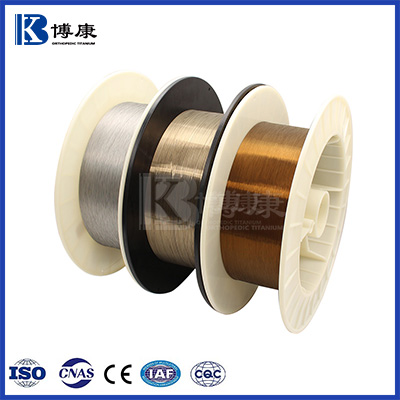
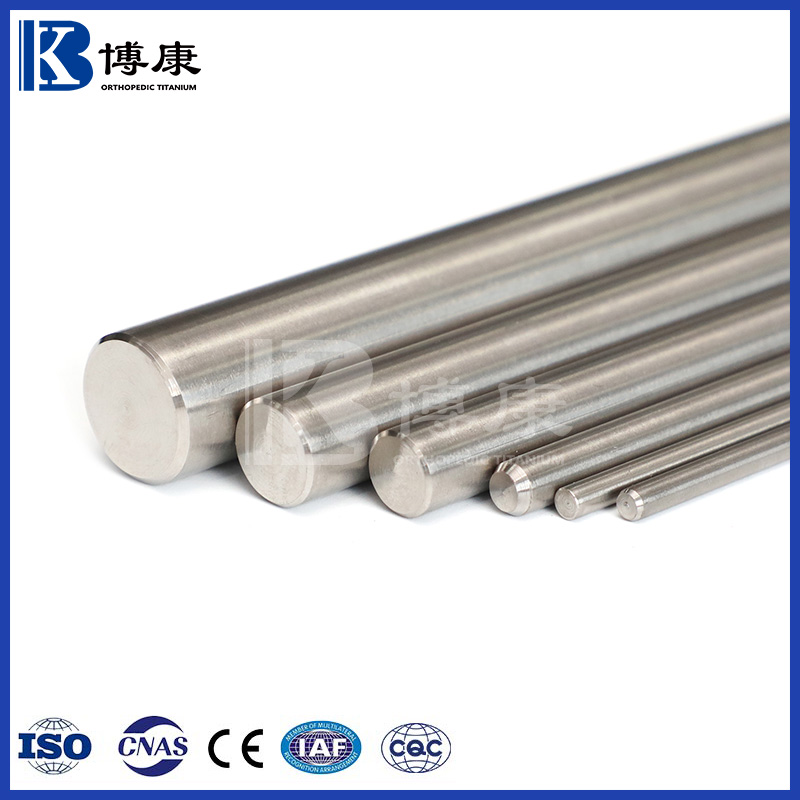
How does Ti15Zr Titanium Zirconium compare to other titanium alloys in terms of strength and ductility?
In the world of advanced materials, titanium alloys represent a pinnacle of engineering, offering a unique combination of properties that are critical for high-stakes industries like medical technology and aerospace. Among these, ti15zr titanium zirconium has emerged as a significant alloy, particularly known for its balanced mechanical profile. A fundamental challenge in materials science is optimizing the often-inverse relationship between strength and ductility; enhancing one typically comes at the expense of the other.
Understanding the Fundamental Properties of Titanium Alloys
Before delving into specific comparisons, it is essential to establish a baseline understanding of what governs the behavior of titanium alloys. The properties of any titanium alloy are predominantly determined by its chemical composition and the subsequent thermomechanical processing it undergoes.
The Role of Alloying Elements
Pure titanium is a lightweight and corrosion-resistant metal, but its mechanical strength for demanding applications is limited. The introduction of alloying elements serves to alter its microstructure, thereby enhancing its properties. Elements like aluminum, vanadium, and zirconium are strategically added to achieve specific outcomes. Aluminum, for instance, is a potent solid-solution strengthener and stabilizer of the alpha phase. Vanadium is a beta stabilizer, which helps in retaining a ductile, body-centered cubic structure at lower temperatures, facilitating heat treatment. Zirconium, the key alloying element in ti15zr titanium zirconium, is a neutral element in the titanium phase diagram, meaning it dissolves extensively in both the alpha and beta phases. This extensive solubility allows zirconium to provide significant solid-solution strengthening without drastically compromising the inherent ductility of the titanium matrix. This foundational principle is key to understanding the performance of the zirconium titanium (ti-zr) alloy.
The Strength-Ductility Trade-Off
The relationship between strength and ductility is a central tenet of materials engineering. Strength refers to a material’s ability to withstand an applied load without deformation or failure, often measured as yield strength and ultimate tensile strength. Ductility, on the other hand, is the material’s ability to undergo significant plastic deformation before fracture; it is a measure of toughness and formability. In many alloy systems, mechanisms that impede dislocation movement to increase strength—such as introducing complex phases or precipitates—also make the material more brittle. The ideal material for many critical applications, particularly in the medical field for devices like dental implants & joint implants, is one that possesses both high strength and adequate ductility to withstand unexpected loads without fracturing.
A Detailed Look at Ti15Zr Titanium Zirconium
Ti15zr titanium zirconium is an alpha-type titanium alloy where zirconium comprises approximately 15% of the composition. This specific formulation is engineered to leverage the strengthening effect of zirconium while maintaining the essential characteristics of the alpha-titanium structure.
Metallurgical Characteristics and Mechanical Performance
The primary mechanism by which ti15zr titanium zirconium gains its properties is solid-solution strengthening. The zirconium atoms, having a different atomic size than titanium atoms, create a strain field in the crystal lattice. This strain field effectively impedes the movement of dislocations, which are line defects responsible for plastic deformation. The result is an increase in the yield and tensile strength compared to unalloyed, commercially pure (CP) titanium grades. Importantly, because zirconium does not form brittle intermetallic compounds and is fully miscible, it does not create severe barriers to dislocation movement that would lead to premature crack initiation. This allows the material to retain a useful level of ductility. In its annealed condition, ti15zr titanium zirconium typically exhibits a favorable balance, making it suitable for subsequent machining or forming operations. Its excellent biocompatibility is a direct result of this stable, single-phase microstructure and the benign nature of its alloying elements.
The following table summarizes the typical mechanical properties of ti15zr titanium zirconium in the annealed condition, providing a reference point for the comparisons that follow.
| Property |
Typical Value for Annealed Ti15Zr |
| Tensile Strength |
650 - 800 MPa |
| Yield Strength (0.2% Offset) |
500 - 650 MPa |
| Elongation at Break |
15% - 25% |
| Modulus of Elasticity |
~105 GPa |
Comparative Analysis with Other Titanium Alloy Families
To properly contextualize the performance of ti15zr titanium zirconium, it is necessary to compare it with other major classes of titanium alloys, namely commercially pure titanium and the widely used alpha-beta alloy, Ti-6Al-4V.
Comparison with Commercially Pure (CP) Titanium
Commercially pure titanium is available in several grades (e.g., Grade 1 to 4), with strength increasing with interstitial oxygen and iron content.
- Strength: Ti15zr titanium zirconium demonstrates a clear and significant advantage in strength over all grades of CP titanium. For example, while Grade 4 CP titanium (the strongest of the unalloyed grades) has a minimum tensile strength of around 550 MPa, ti15zr titanium zirconium typically exceeds 650 MPa. This makes it a superior choice for load-bearing applications such as smaller-diameter dental implants or bone screws that require high mechanical integrity.
- Ductility: Despite its higher strength, ti15zr titanium zirconium maintains ductility that is comparable to, or only slightly less than, that of the stronger CP titanium grades. This retention of formability is its key differentiator. A manufacturer can therefore design a component that is stronger and more fatigue-resistant without needing to worry about excessive brittleness during installation or in service.
Comparison with Ti-6Al-4V (Grade 5) Alloy
Ti-6Al-4V is the most common titanium alloy globally, an alpha-beta type known for its excellent strength-to-weight ratio.
- Strength: In its standard annealed condition, Ti-6Al-4V generally possesses higher strength than annealed ti15zr titanium zirconium, with tensile strengths typically in the range of 900-1000 MPa. This makes Ti-6Al-4V the preferred choice for the most demanding structural applications, such as aerospace components.
- Ductility and Biocompatibility: This is where ti15zr titanium zirconium finds its niche. The ductility of Ti-6Al-4V is often lower than that of ti15zr titanium zirconium. More critically, there are ongoing discussions within the medical community regarding the long-term biological effects of vanadium and aluminum ions released from Ti-6Al-4V implants. Ti15zr titanium zirconium, composed of only titanium and zirconium—both highly biocompatible elements—eliminates this concern. Therefore, for permanent medical implants where excellent biocompatibility is as crucial as mechanical performance, ti15zr titanium zirconium presents a compelling, high-strength alternative free of potentially problematic alloying elements.
Key Applications Leveraging the Balanced Properties
The specific balance of strength and ductility offered by ti15zr titanium zirconium makes it the material of choice for several high-value applications. Its performance is not about being the strongest or the most ductile, but about providing the optimal combination for specific engineering and biological challenges.
Medical Implants and Devices
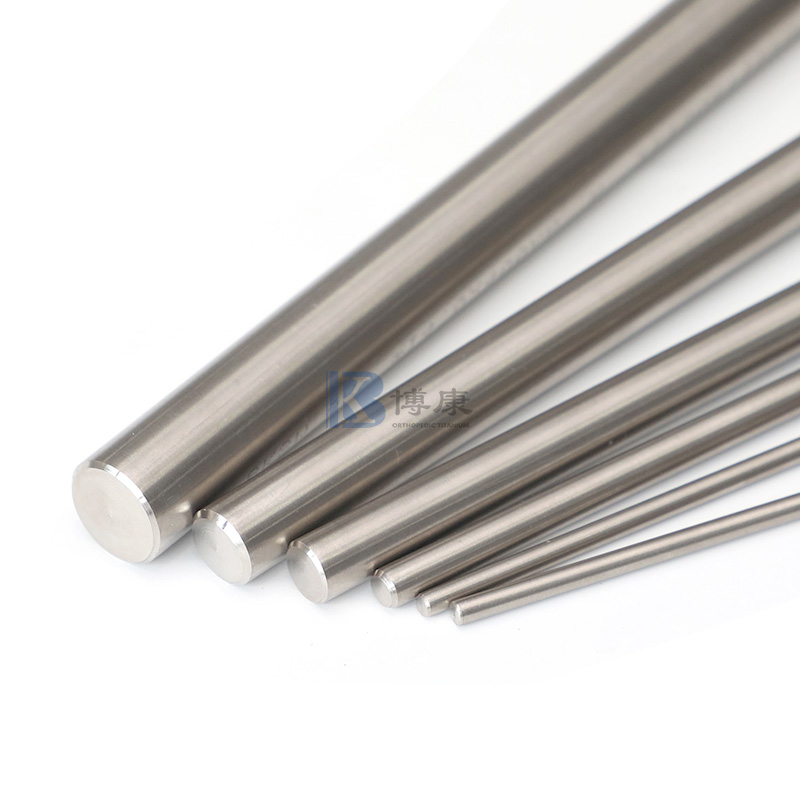
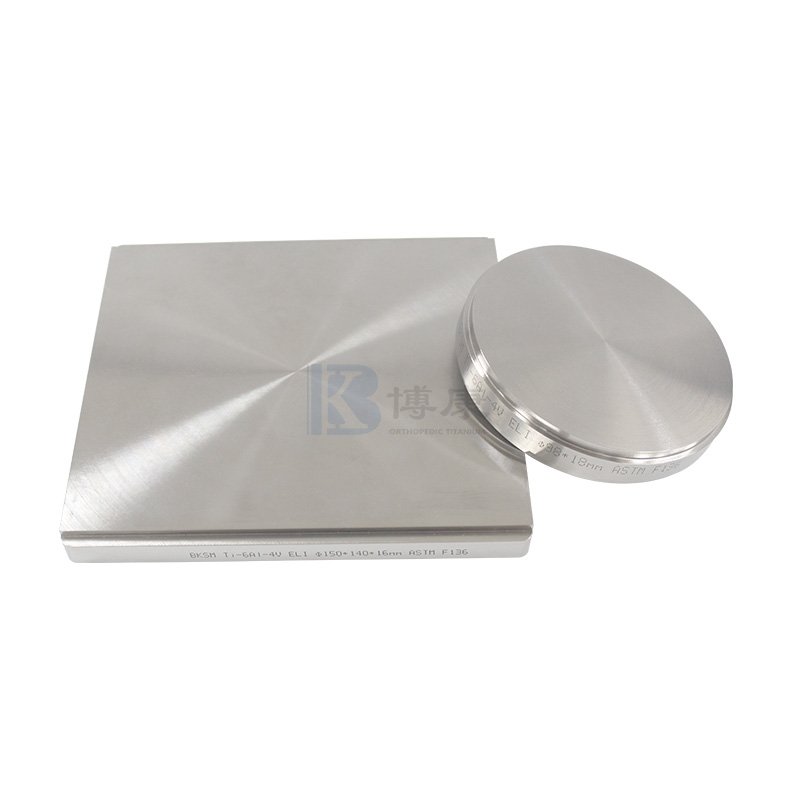
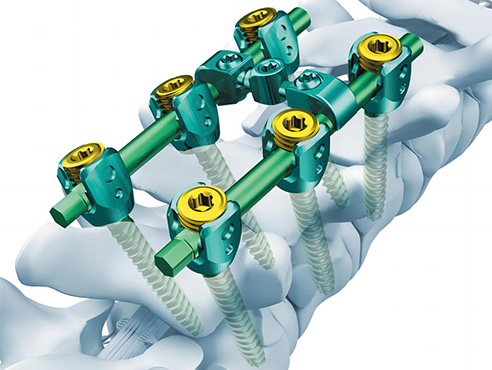
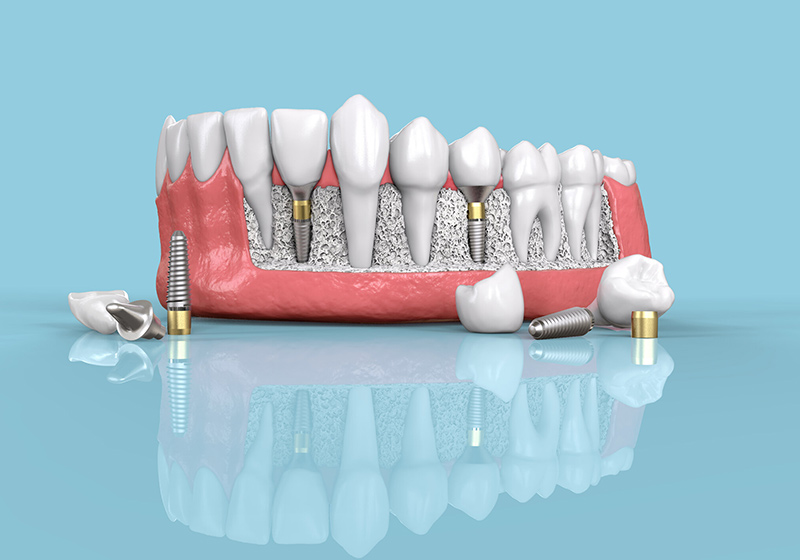
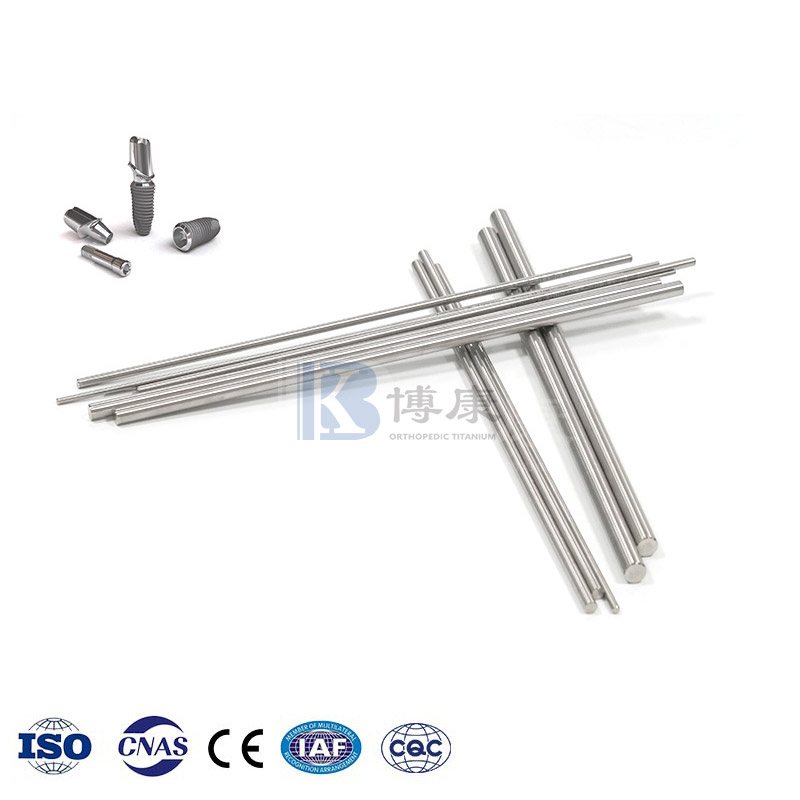
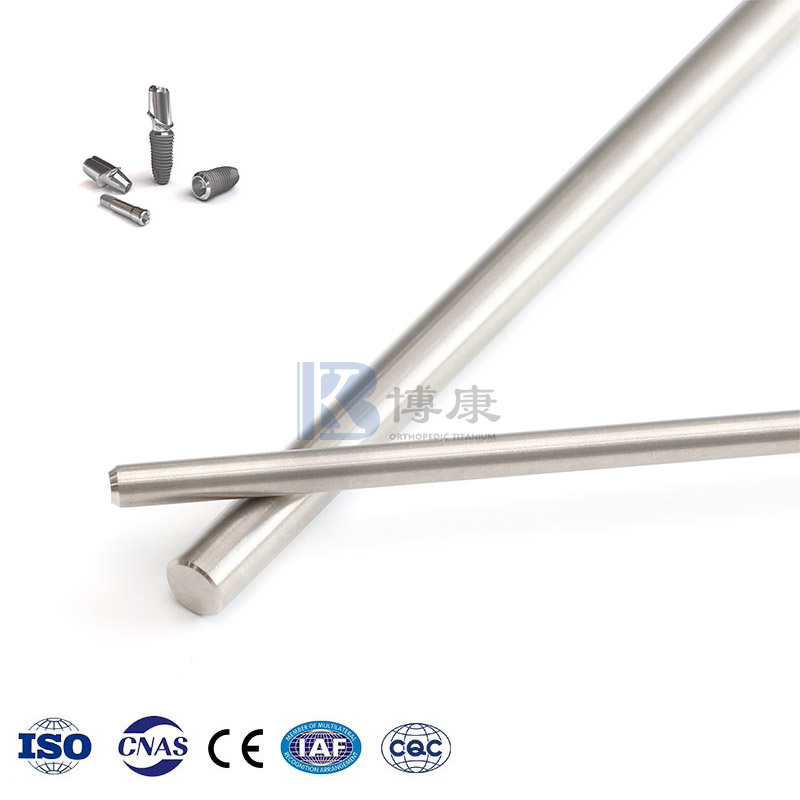
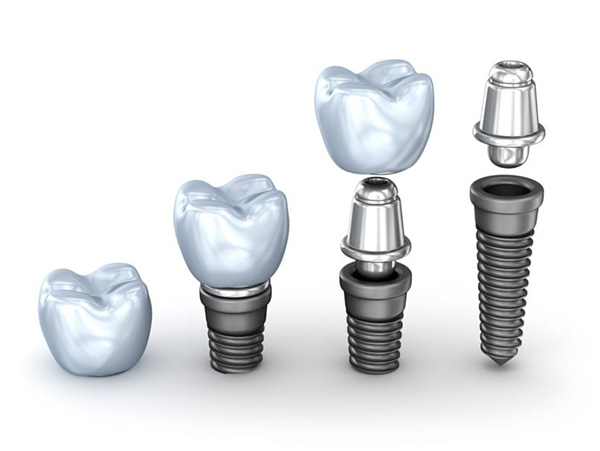
The medical industry is a primary beneficiary of the properties of ti15zr titanium zirconium. Its high strength & toughness allow for the design of smaller, more slender dental and orthopedic implants without sacrificing mechanical reliability. This is particularly important for minimally invasive surgical techniques. The alloy’s ductility ensures that implants like bone plates can be contoured by surgeons to match patient anatomy without cracking. Furthermore, the smooth surface finish & machinability of supplied titanium zirconium (ti15zr) alloy materials is critical for producing the precise threads and complex geometries required for modern dental implants & joint implants. The stable oxide layer formed on the surface, composed primarily of TiO₂ with ZrO₂, contributes to its enhanced corrosion resistance within the harsh, chloride-rich environment of the human body, ensuring long-term stability and safety.
Aerospace and Industrial Applications
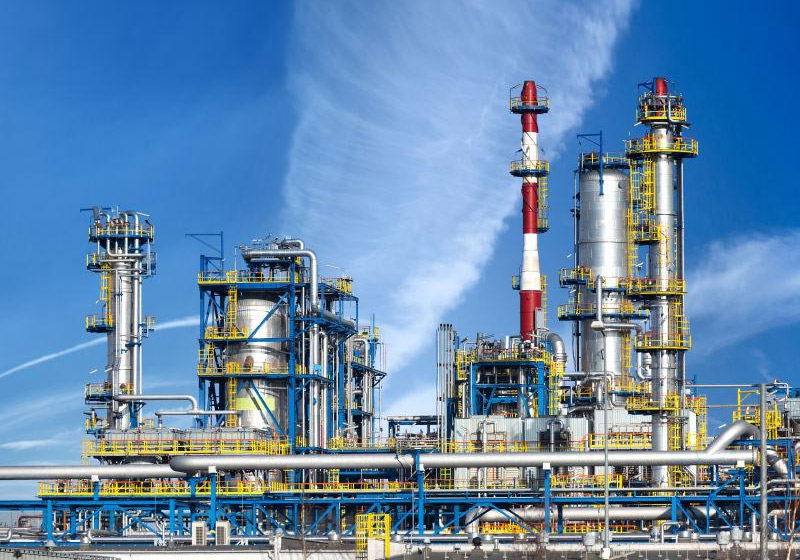
Beyond the medical field, the reliable performance of ti15zr titanium zirconium is valued in other sectors. In aerospace, components that do not require the ultimate strength of Ti-6Al-4V but demand excellent corrosion resistance and good damage tolerance can be well-suited for this alloy. Its resistance to corrosion in chloride-rich environments also makes it an excellent candidate for marine components and chemical processing equipment, such as heat exchangers and pumps, where its combination of strength and fabrication tolerance is advantageous.
In the landscape of titanium alloys, ti15zr titanium zirconium occupies a distinct and valuable position. It does not seek to outperform the ultimate strength of alloys like Ti-6Al-4V, nor does it claim the maximum ductility of commercially pure Grade 1 titanium. Instead, its merit lies in its expert balancing of these two critical properties. Through the solid-solution strengthening effect of zirconium, it achieves strength levels significantly higher than those of CP titanium while retaining substantial ductility and exceptional corrosion resistance. This specific property profile, coupled with its outstanding biocompatibility, makes it an engineered solution for demanding applications where a single-minded pursuit of strength is not feasible or desirable. For engineers and designers working in the medical device sector, particularly on dental implants & joint implants, and for those in aerospace and industrial fields requiring a reliable, corrosion-resistant, and strong-yely-formable material, ti15zr titanium zirconium represents a sophisticated and high-performance choice. As a specialized titanium zirconium (ti15zr) alloy material, it continues to enable innovations that rely on a harmonious blend of mechanical integrity and biological acceptance.

 Send Inquiry
 EN
EN
 English
 日本語
日本語 한국어
한국어 Español
 عربى
عربى русский
 Deutsch
 中文简体
中文简体