What grades are commonly classified as Pure Titanium Wire in industrial standards?
Introduction to industrial classification of pure titanium wire
In industrial material systems, pure titanium wire is defined by a combination of chemical purity, mechanical stability, and compliance with recognized international standards. Unlike titanium alloys, which rely on alloying elements to enhance strength or heat resistance, pure titanium wire focuses on intrinsic material properties such as corrosion resistance, biocompatibility, and consistent formability. These characteristics make it especially relevant for medical, chemical, and precision industrial applications where material stability and predictability are essential.
From an industrial standards perspective, the classification of pure titanium wire is primarily based on controlled impurity levels and mechanical property ranges rather than on compositional complexity. This approach ensures that engineers, procurement teams, and quality managers can clearly distinguish between different grades while maintaining confidence in performance under regulated conditions. Pure titanium wire, when referenced in standards documentation, typically refers to commercially pure titanium that has undergone strict melting, forming, and inspection procedures.
Understanding how grades are defined and why they are grouped under the category of high-purity titanium wire is essential for proper material selection. Industrial standards not only provide technical benchmarks but also act as a shared language across global supply chains.
Overview of commonly recognized grades in pure titanium wire
Industrial standards commonly classify pure titanium wire into four principal grades, known as Grade One, Grade Two, Grade Three, and Grade Four. These grades are distinguished by controlled variations in impurity content and mechanical behavior, while all remain within the category of commercially pure titanium. Despite their differences, they share a consistent metallurgical foundation that supports stable processing and predictable performance.
Grade One is generally recognized for its highest purity and excellent ductility. It is frequently selected when maximum formability and surface integrity are required. Grade Two represents a balance between strength and corrosion resistance, making it the most widely used grade in industrial and medical environments. Grade Three offers increased strength compared to lower grades while retaining acceptable formability. Grade Four provides the highest strength among commercially pure grades, suitable for applications where mechanical stability is prioritized.
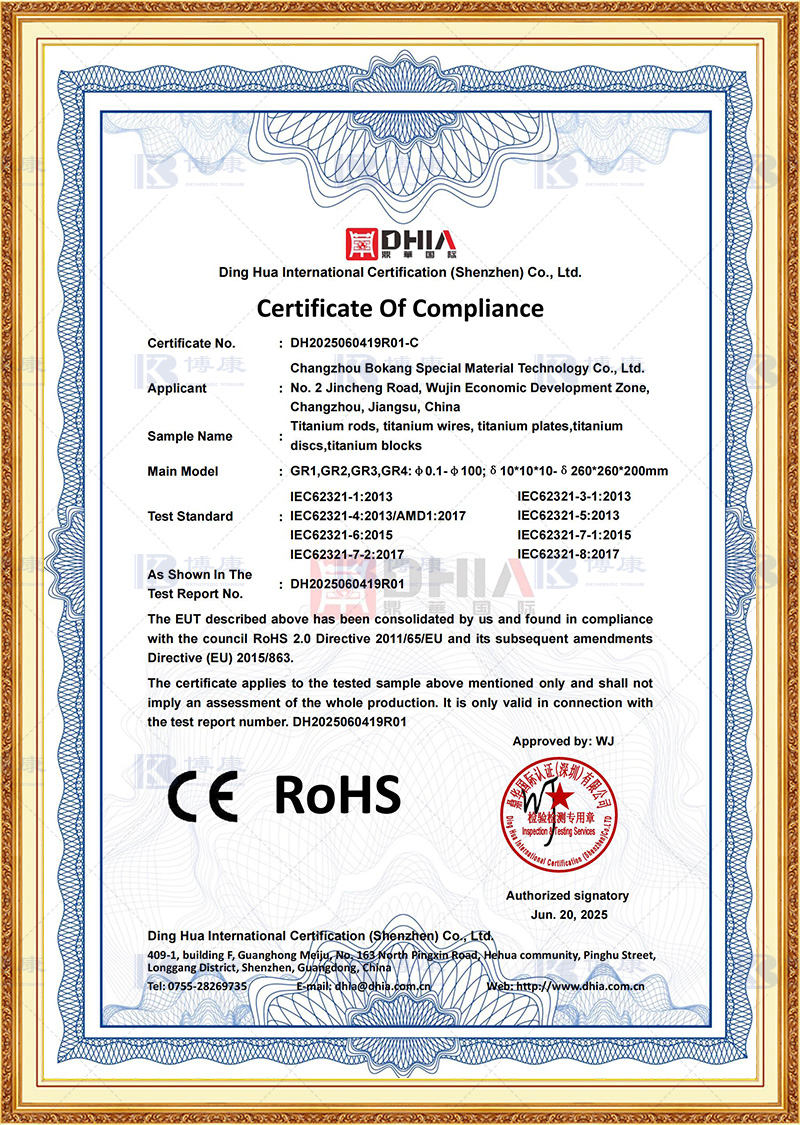
These grades are widely referenced in global specifications such as ASTM F Sixty Seven and ISO Five Eight Three Two Part Two. Such standards ensure consistency in classification, testing, and acceptance criteria across different markets. Pure titanium wire manufactured within these frameworks is expected to meet strict requirements related to composition uniformity, dimensional control, and surface condition.
By grouping these grades together, industrial standards allow engineers to select materials based on performance needs without compromising regulatory compliance. This classification approach supports efficient sourcing, qualification, and long-term reliability in critical applications.
Dimensional specifications and physical form defined by standards
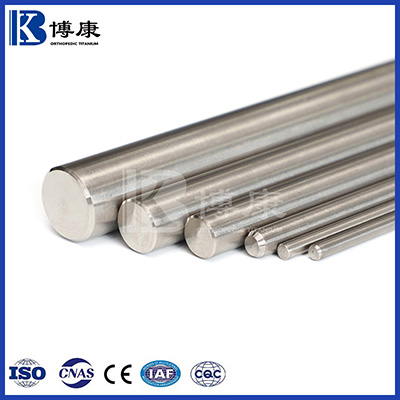
Industrial standards for pure titanium wire define not only grades but also dimensional and physical form requirements. Diameter ranges are carefully specified to support precision applications, particularly in medical and fine mechanical uses. Commonly supplied diameters range from very fine wire suitable for delicate forming processes to larger sizes intended for structural or fastening functions.
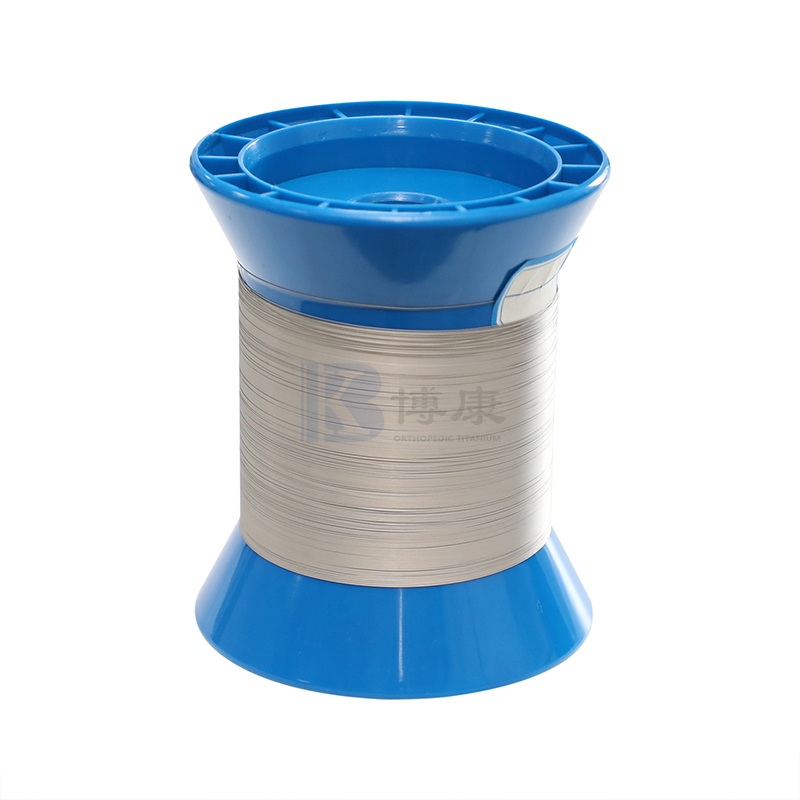
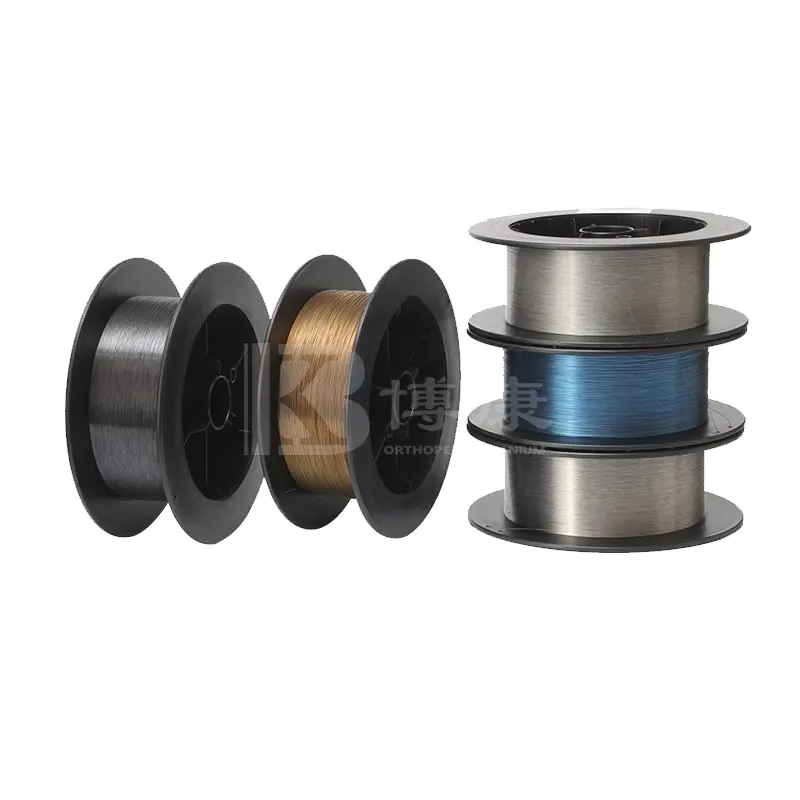
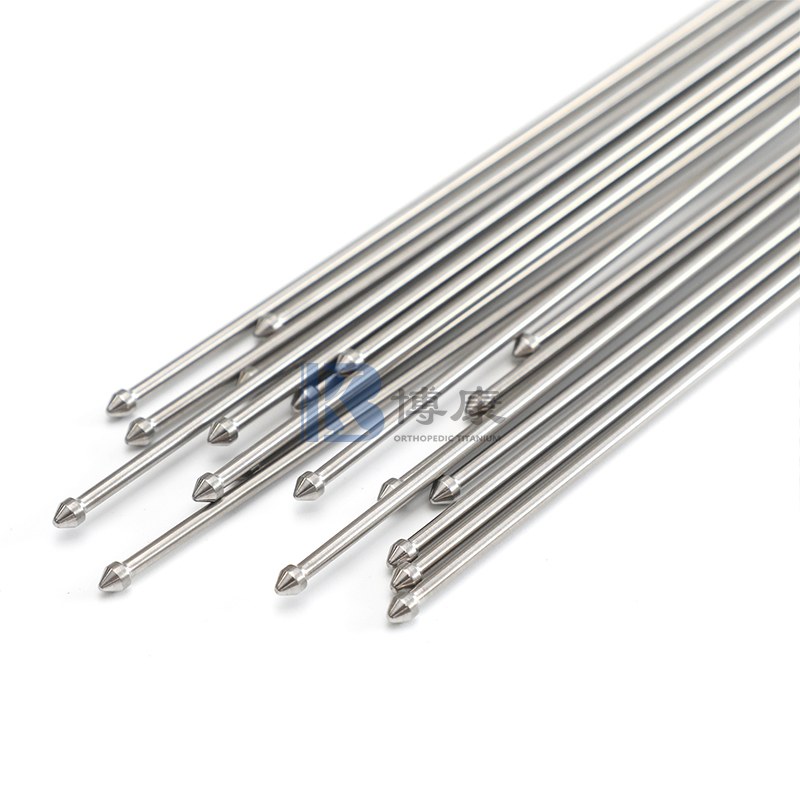
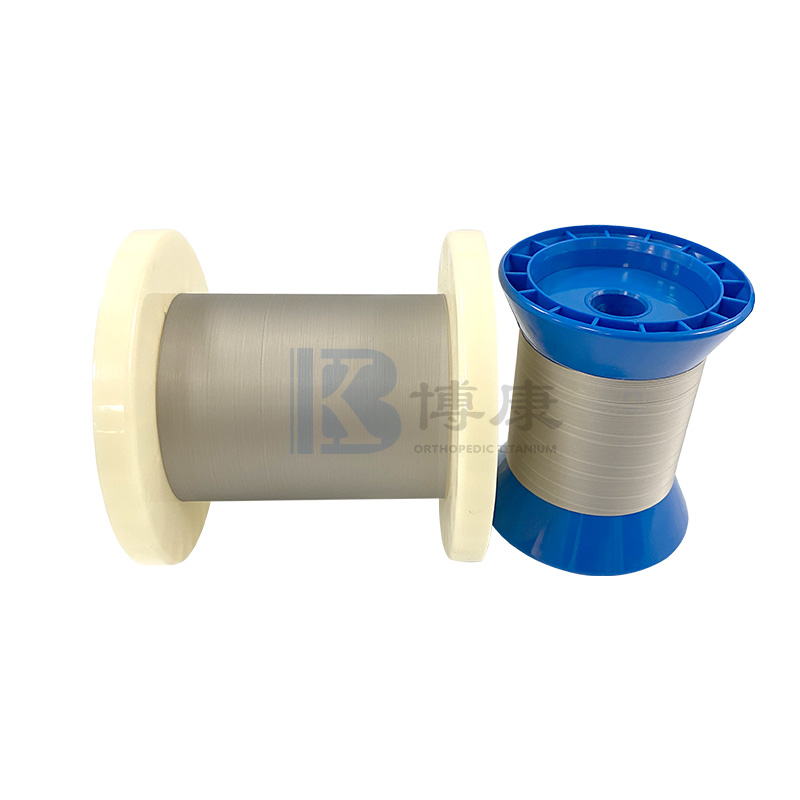
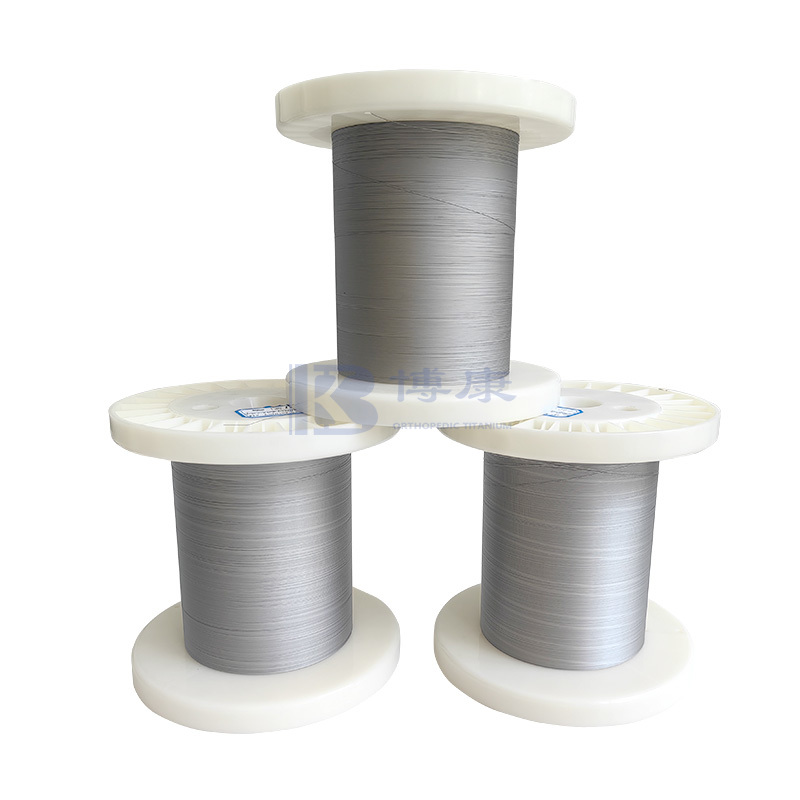
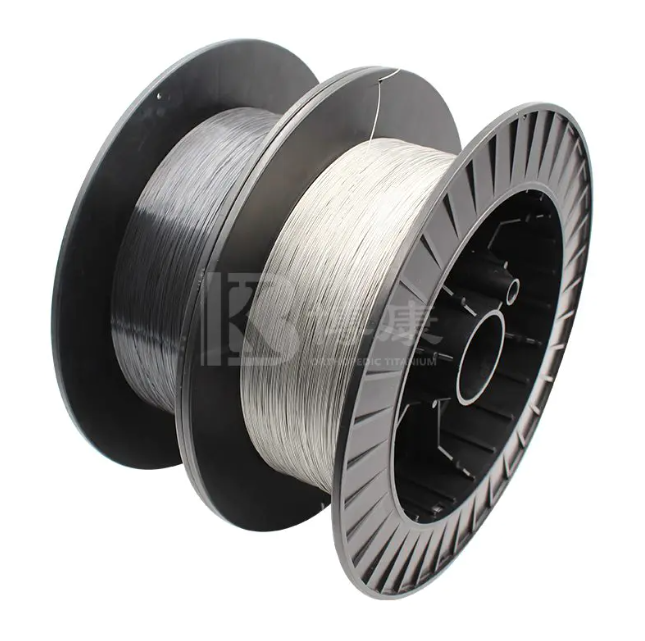
Round wire is the standard shape recognized across specifications, as it offers uniform stress distribution and consistent drawing behavior. Supply forms typically involve spool wound packaging, which ensures stable handling and minimizes surface damage during transportation and processing. Dimensional tolerance is tightly controlled to ensure compatibility with automated equipment and precision assembly systems.
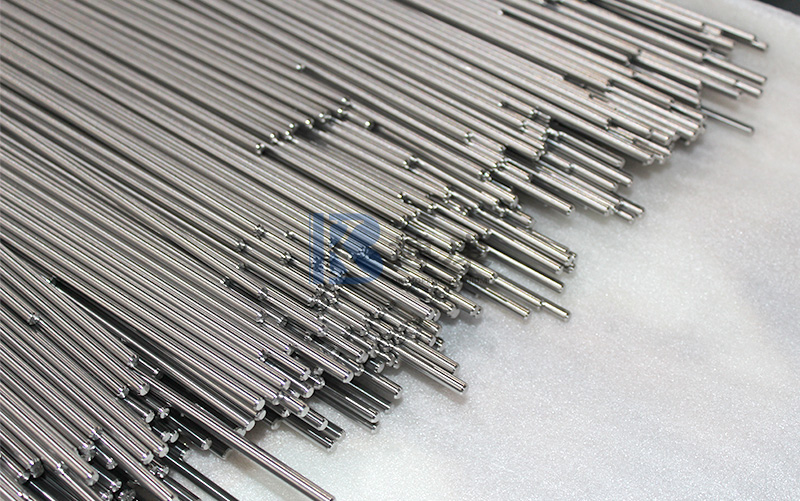
Surface finish is another critical aspect defined by standards. A bright surface finish is generally required, as it reflects proper drawing and finishing processes while supporting cleanliness and visual inspection. These dimensional and surface requirements are integral to the classification of pure titanium wire, as they directly influence downstream performance and manufacturability.
By defining these parameters, industrial standards ensure that materials labeled as commercial purity titanium wire meet consistent expectations regardless of production batch or application sector. This consistency is essential for regulated industries that rely on traceability and repeatable performance.
Material characteristics supporting grade classification
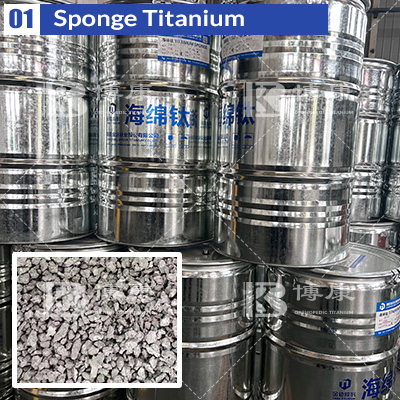
The classification of pure titanium wire grades is closely tied to fundamental material characteristics. High purity sponge titanium serves as the starting point, ensuring that the finished wire exhibits excellent biocompatibility and corrosion resistance. Uniform composition throughout the wire cross section contributes to stable mechanical behavior and predictable forming performance.
Formability is a defining feature across all grades. High ductility allows the wire to be shaped, bent, or drawn into precise configurations without surface cracking or internal defects. This property is particularly valuable in medical applications where intricate geometries are required. Smooth surface condition and even winding further enhance handling efficiency and reduce the risk of entanglement during processing.
Another important characteristic is the ability to tailor strength through controlled processing. While all grades fall under the umbrella of pure titanium wire, differences in impurity content and processing parameters allow manufacturers to deliver distinct mechanical profiles. These characteristics collectively justify the grouping of Grades One through Four within a single classification system while still allowing meaningful differentiation.
Production process and its role in grade consistency
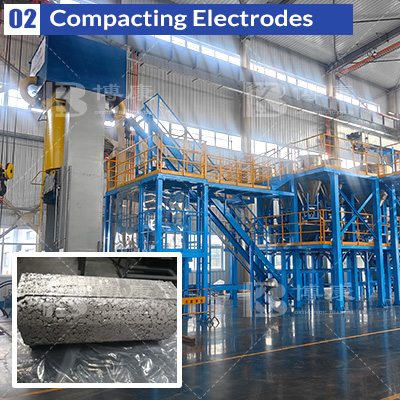
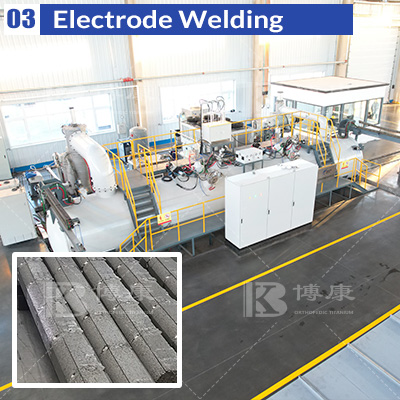
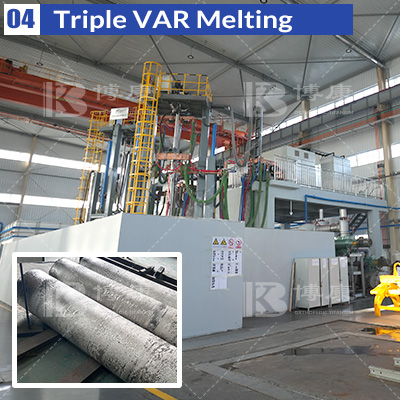
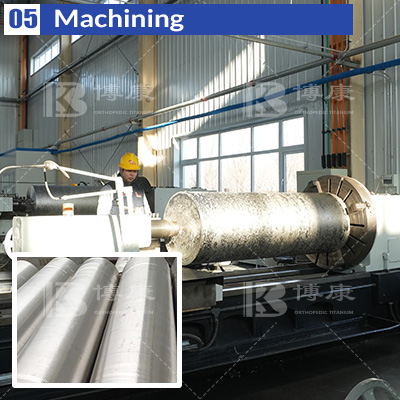
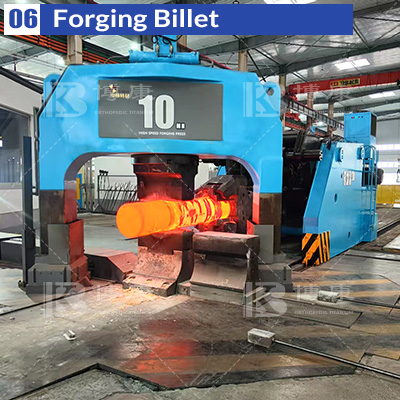
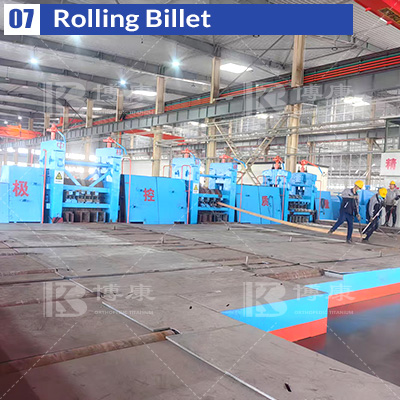
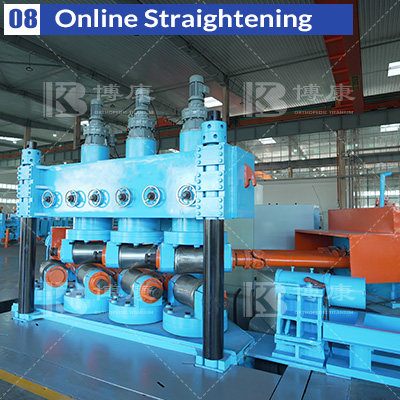
Maintaining grade consistency in pure titanium wire requires a controlled and traceable production process. Industrial standards emphasize not only final properties but also the integrity of the entire manufacturing chain. The process begins with sponge titanium preparation, followed by electrode compaction and welding. Multiple vacuum arc remelting stages ensure chemical uniformity and structural stability.
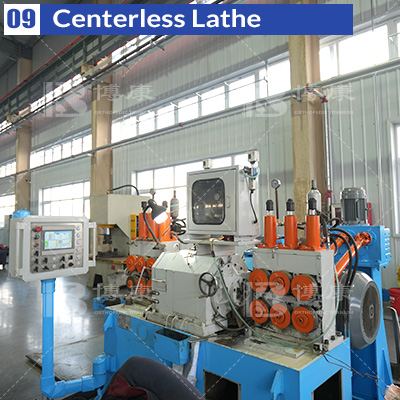
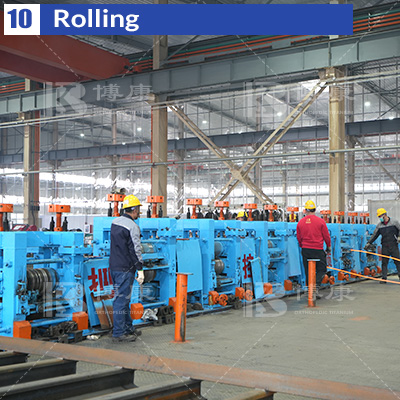
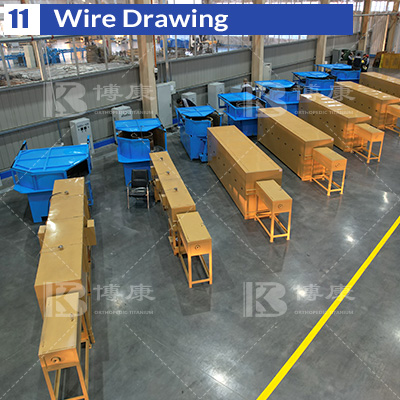
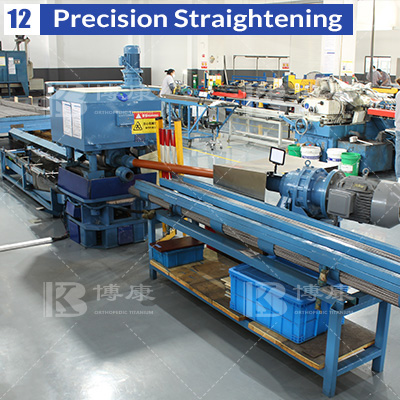
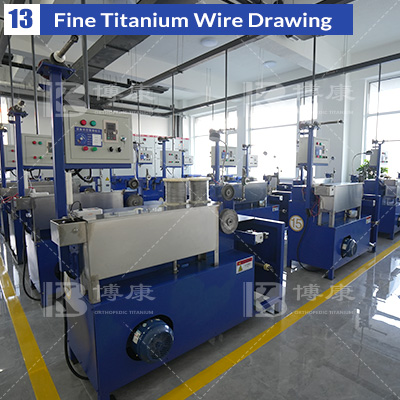
Subsequent steps include billet forging, rolling, and precision wire drawing. Each stage contributes to dimensional accuracy and surface quality. Fine drawing operations refine the wire to its final diameter while preserving ductility and structural integrity. Product marking and packaging ensure traceability and protection through delivery.
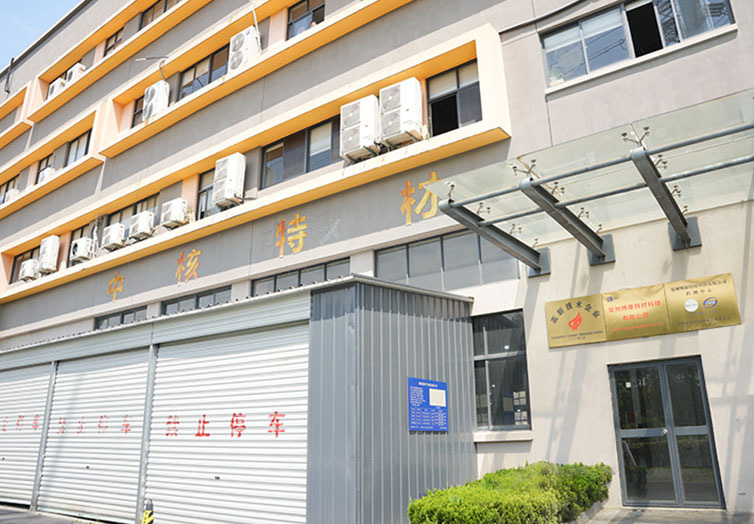
Bokang Titanium applies a full process independent production model, enabling strict control from raw material melting to finished wire. This approach supports consistent grade classification and ensures that pure titanium wire meets the expectations defined by industrial standards. By aligning production practice with standard requirements, manufacturers reinforce confidence in grade designation and long-term performance.
Quality management and testing aligned with standards
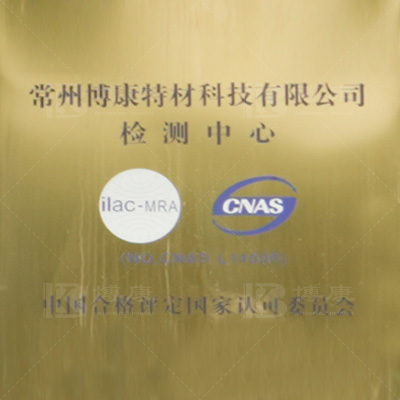
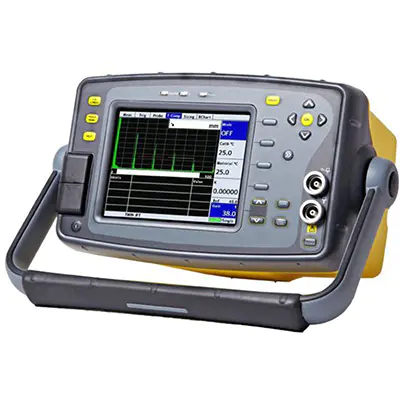
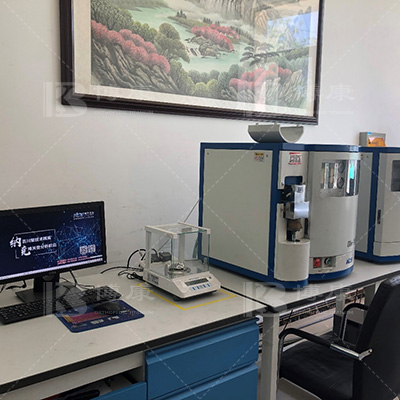
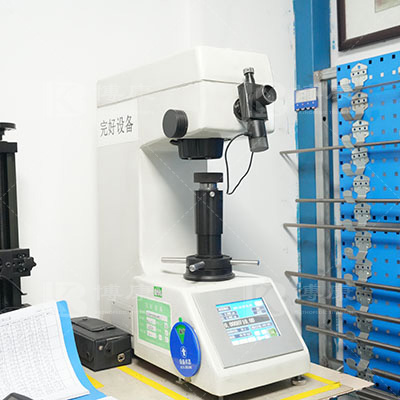
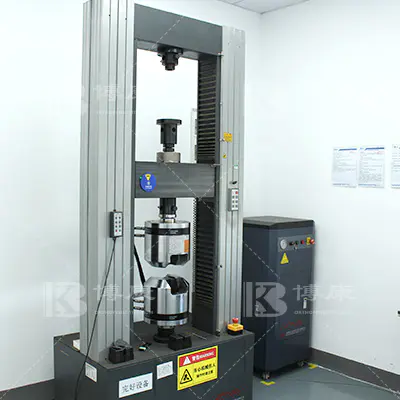
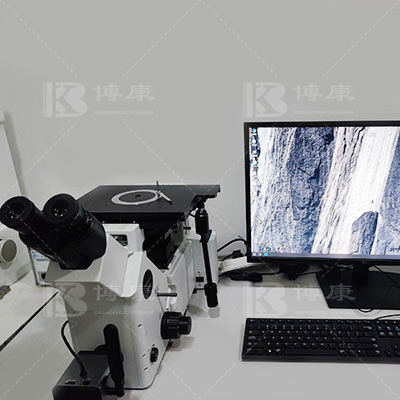
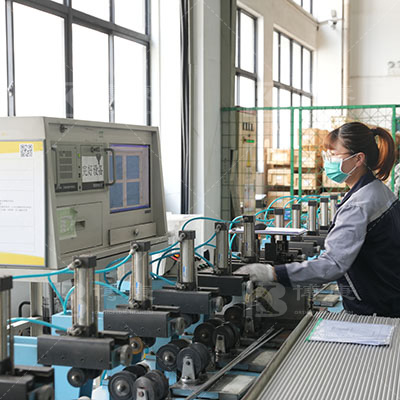
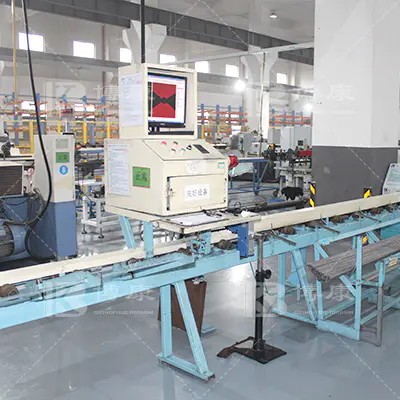
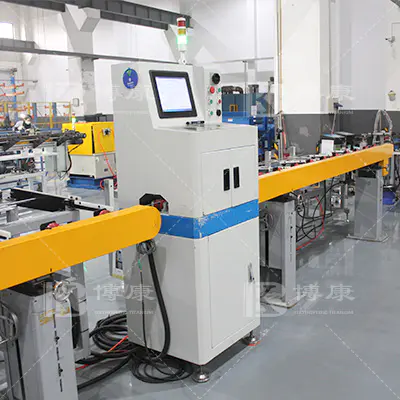
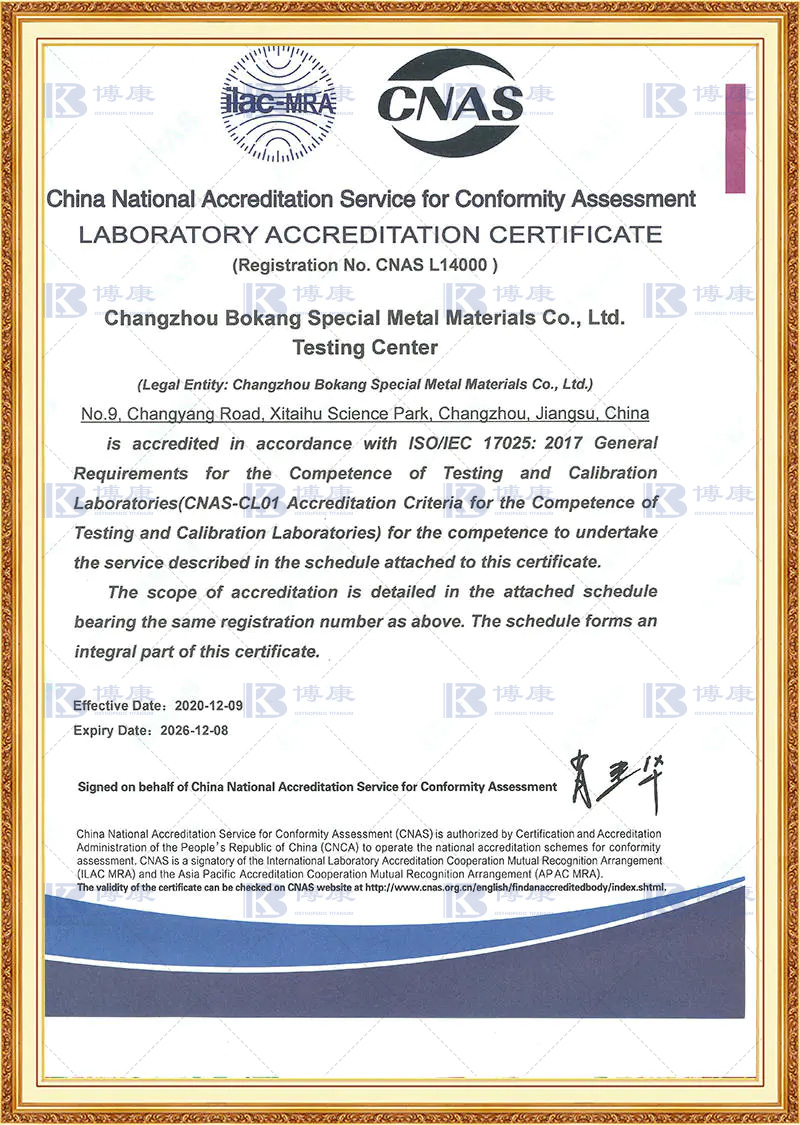
Industrial standards for pure titanium wire are reinforced through comprehensive quality management systems. Rigorous testing protocols verify that each grade meets defined criteria before shipment. Typical inspections include microstructure evaluation, hardness assessment, and performance testing. Advanced non destructive testing methods are used to identify internal or surface irregularities.
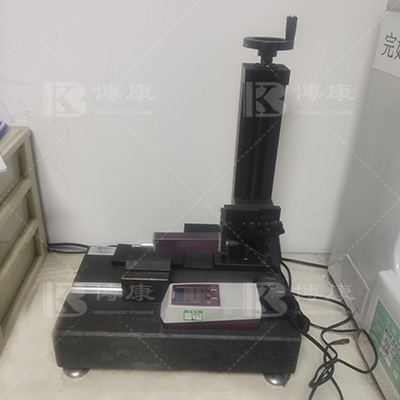
Diameter inspection across the entire wire length ensures compliance with specified tolerances, while surface roughness testing confirms finish requirements. Manual re inspection provides an additional layer of assurance, particularly for applications with strict acceptance criteria. Product marking supports traceability and accountability throughout the supply chain.
Bokang Titanium integrates these testing practices within a Quality First philosophy. Continuous system improvement and alignment with recognized quality management standards reinforce the reliability of grade classification. Such discipline ensures that high purity titanium wire supplied for medical, aerospace, or industrial use remains consistent with international expectations.
Industrial applications linked to grade selection
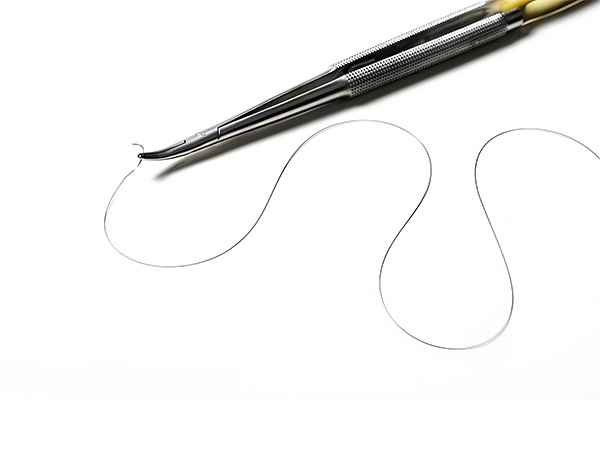
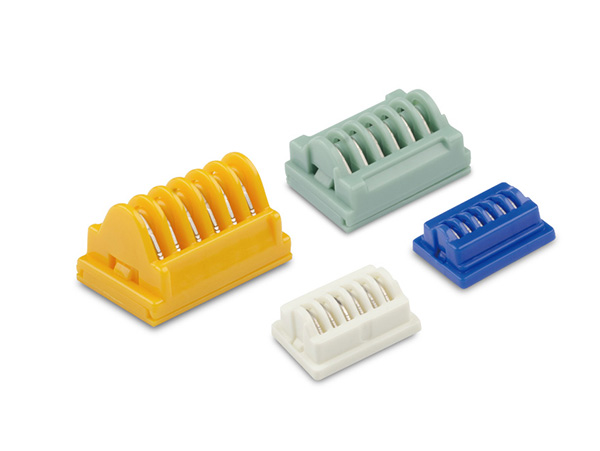
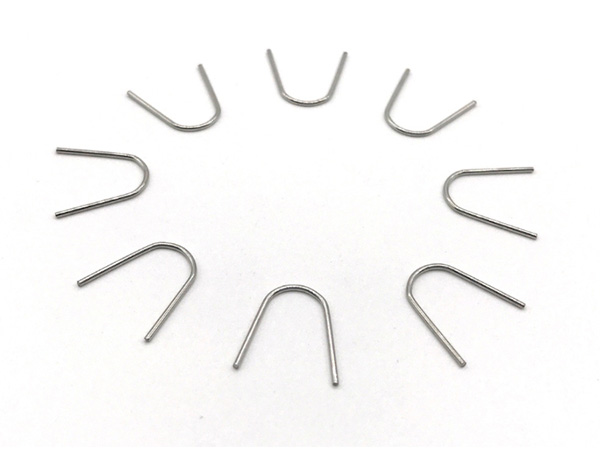
The practical relevance of grade classification becomes evident when examining industrial applications. In medical environments, pure titanium wire is widely used for implant grade surgical sutures, staples, and clips. These applications demand reliable biocompatibility, corrosion resistance, and controlled mechanical behavior. Lower grades with higher ductility are often preferred for intricate forming, while higher grades support applications requiring greater stability.
Beyond medical use, pure titanium wire supports precision instruments, orthodontic devices, and specialized industrial components. The ability to select among Grades One through Four allows designers to balance formability and strength without departing from the category of pure titanium wire. This flexibility is a direct outcome of standardized grade definitions.
Bokang Titanium supplies materials tailored to these application needs, combining grade compliance with customization capabilities. By aligning production and application requirements, standardized grade classification translates into practical value across diverse industries.
Comparative summary of commonly classified grades
| Grade |
General characteristics |
Typical application focus |
| Grade One |
Highest purity, excellent ductility, superior formability |
Delicate forming and precision medical use |
| Grade Two |
Balanced strength and corrosion resistance |
General medical and industrial components |
| Grade Three |
Higher strength with moderate formability |
Structural and functional precision parts |
| Grade Four |
Highest strength among pure grades |
Applications requiring enhanced mechanical stability |
This table illustrates how industrial standards group multiple grades under the classification of pure titanium wire while preserving functional distinctions that guide material selection.
Role of manufacturers in maintaining standard alignment
While standards define classification criteria, manufacturers play a critical role in maintaining alignment through execution. Full process control, experienced technical teams, and advanced inspection equipment ensure that grade definitions are applied consistently. Support for customization further enhances the relevance of standardized grades in real world applications.
Bokang Titanium emphasizes professional research and development capabilities, supported by extensive experience in titanium and related materials. Strong production capacity and OEM support allow adaptation to specific customer requirements while preserving standard compliance. Through disciplined manufacturing and testing, pure titanium wire retains its integrity as a standardized material category rather than a generic label.
Conclusion on grade classification in industrial standards
Industrial standards classify pure titanium wire into Grades One through Four based on controlled purity and mechanical behavior. These grades share a common foundation of high purity titanium while offering distinct performance profiles. Dimensional control, surface finish, and rigorous testing reinforce the reliability of this classification system.
By understanding these grades and the standards that define them, stakeholders can make informed decisions regarding material selection and application suitability. Pure titanium wire, when produced and qualified according to recognized specifications, remains a cornerstone material for regulated and precision driven industries.

 Send Inquiry
 EN
EN
 English
 日本語
日本語 한국어
한국어 Español
 عربى
عربى русский
 Deutsch
 中文简体
中文简体