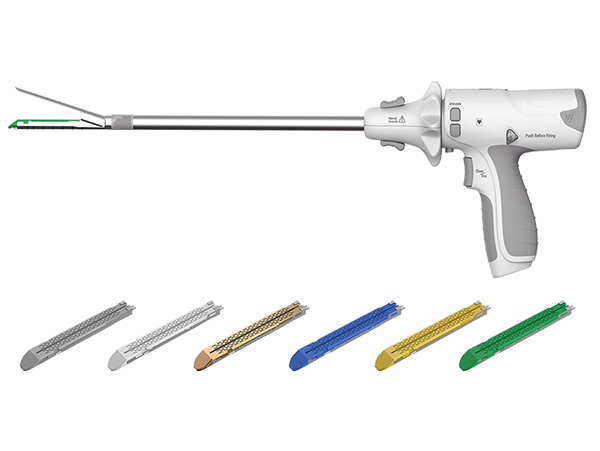
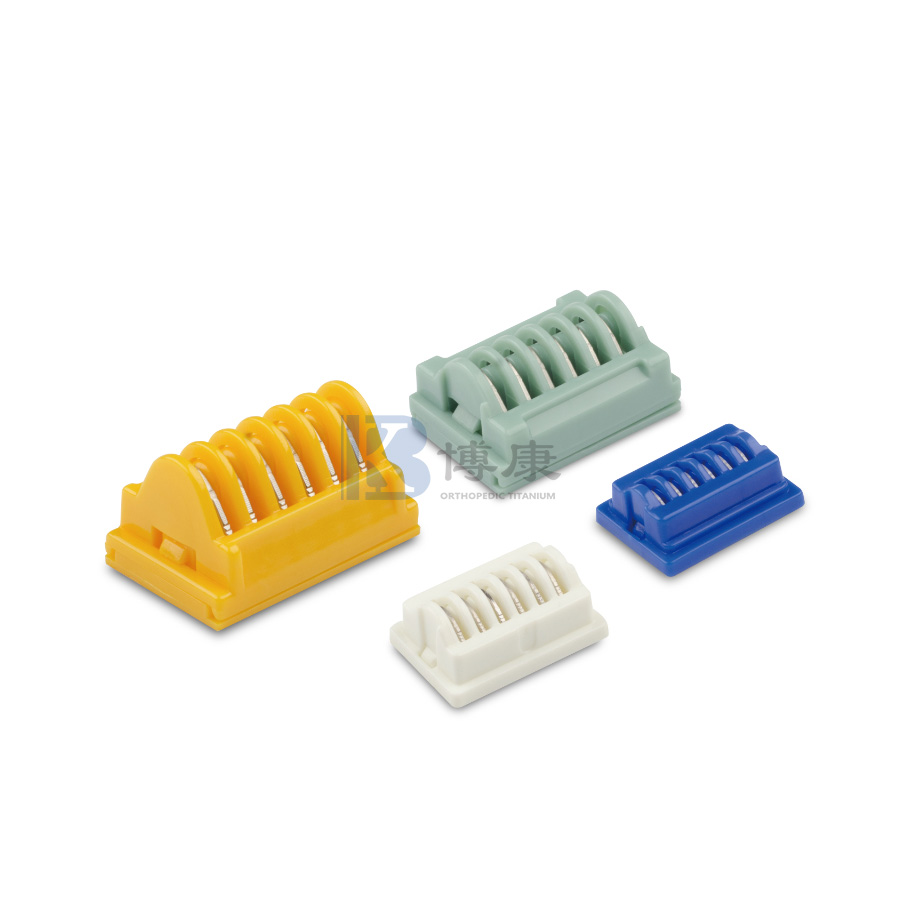
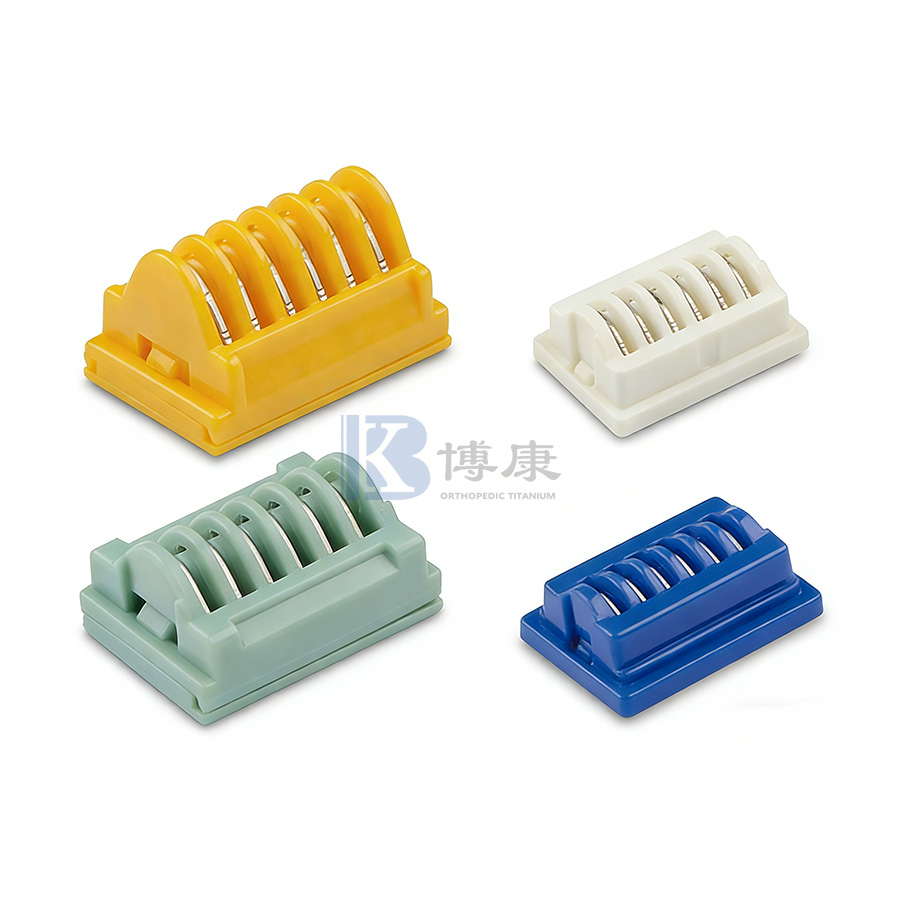
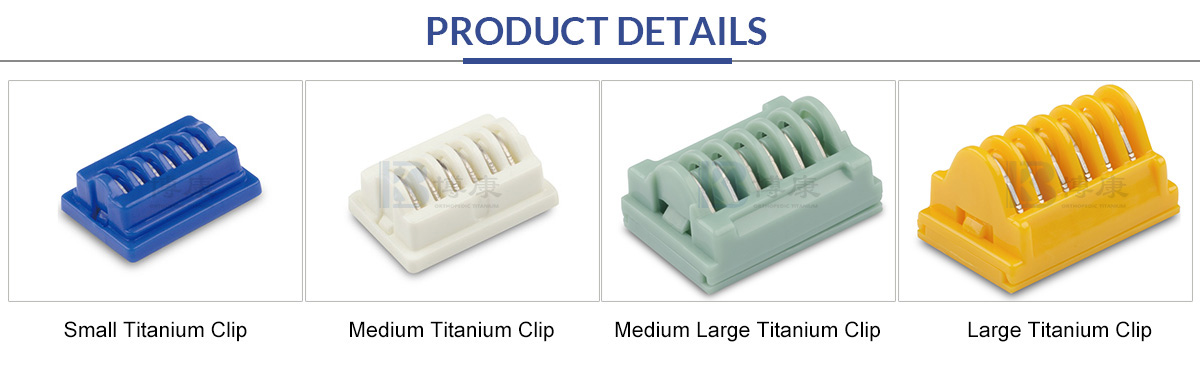
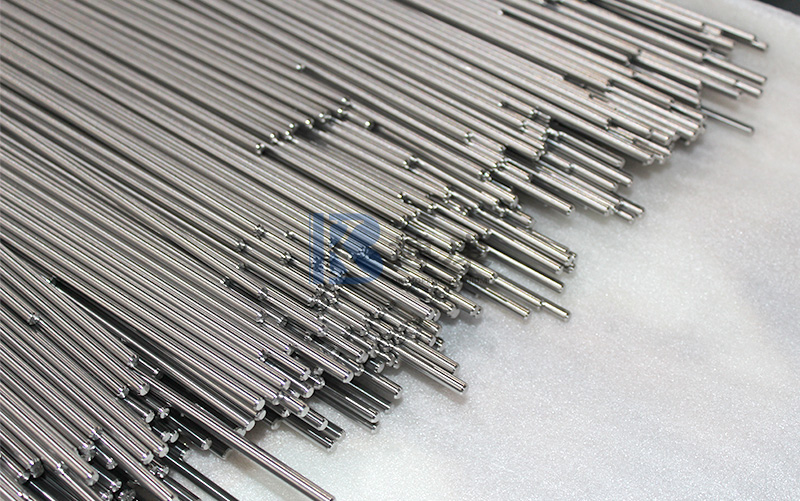
Titanium ligating clips are widely used in modern surgical procedures for reliable vessel ligation and tubular tissue occlusion. As a critical component in laparoscopic and minimally invasive surgery, these clips provide a mechanical solution for hemostasis without the need for suturing, significantly improving surgical efficiency and reducing operation time.
Manufactured from medical-grade titanium, titanium ligating clips offer excellent biocompatibility, corrosion resistance, and long-term stability. Unlike absorbable or polymer clips, titanium clips are non-reactive and maintain consistent clamping force over time, making them suitable for permanent implantation in various clinical applications. Their compatibility with MRI and minimal imaging artifacts further enhance their value in post-operative diagnostics.
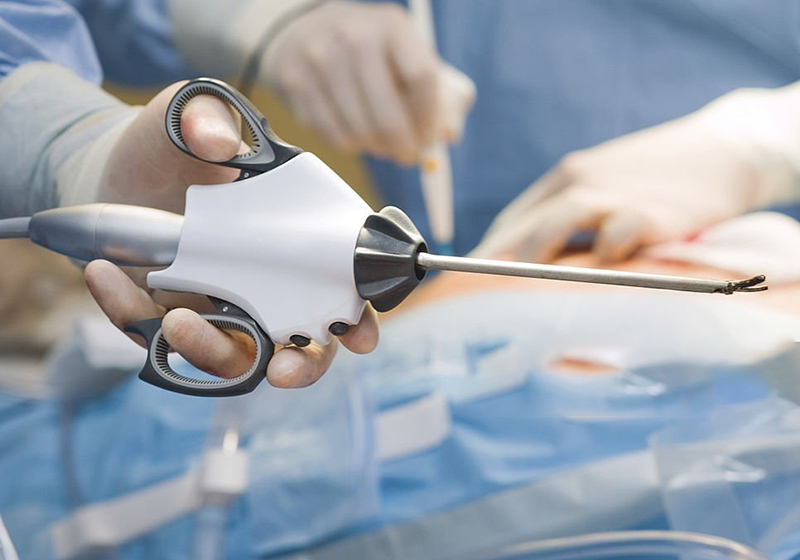
In recent years, the demand for titanium ligating clips has increased alongside the rapid growth of minimally invasive surgical techniques. Surgeons prefer laparoscopic ligating clips due to their ease of use, precision placement, and reliable closure performance in confined surgical environments. These advantages have led to widespread adoption across multiple specialties, including general surgery, gynecology, urology, and thoracic surgery.
From a manufacturing perspective, precision engineering and quality control are essential to ensure consistent clip performance. Advanced designs, such as improved locking mechanisms and optimized arc structures, help deliver uniform clamping force and reduce the risk of clip slippage or tissue damage. Additionally, customization options—including different sizes, shapes, and sterile configurations—allow manufacturers to meet diverse clinical and OEM requirements.
As the global medical device industry continues to evolve, titanium ligating clips remain a preferred choice for surgeons seeking safe, effective, and reliable vessel ligation solutions. With ongoing innovations in material processing and product design, these clips are expected to play an increasingly important role in the future of minimally invasive surgery.

 Send Inquiry
 EN
EN
 English
 日本語
日本語 한국어
한국어 Español
 عربى
عربى русский
 Deutsch
 中文简体
中文简体