
ASTM F67 / F136 Certified Titanium Material for Orthopedic & Dental Implants And Surgical Devices High-precision CP ...
View DetailsCobalt Chrome Molybdenum Alloy
A cobalt-based superalloy recognized for its exceptional wear resistance, high-temperature strength, and corrosion stability in demanding engineering and biomedical environments.
Product Overview
Bokang's Cobalt Chrome Molybdenum Alloy is manufactured using advanced vacuum arc remelting technology, ensuring exceptional purity and consistent mechanical properties.
Cobalt Chrome Molybdenum (CoCrMo) alloy represents a cornerstone material in metallurgy where extreme durability is required. While often associated with biomedical implants, its utility spans industrial sectors demanding resilience against abrasive wear, thermal fatigue, and corrosive attack. The alloy’s matrix, primarily cobalt, is fortified with chromium (typically 26-30%) to confer outstanding oxidation and corrosion resistance through the formation of a passive Cr2O3 layer. Molybdenum (5-7%) contributes solid-solution strengthening and enhances resistance to localized corrosion.
Beyond its mechanical prowess, certain grades of CoCrMo exhibit excellent biocompatibility, making them suitable for long-term implantation. The alloy’s high hardness and low friction coefficient against polymers or ceramics under lubricated conditions are critical for articulating joint surfaces. Its performance is largely independent of heat treatment for hardness, deriving key properties from its inherent composition and work-hardening characteristics.
Technical Support & Documentation
Related Products
Explore our other high-performance materials

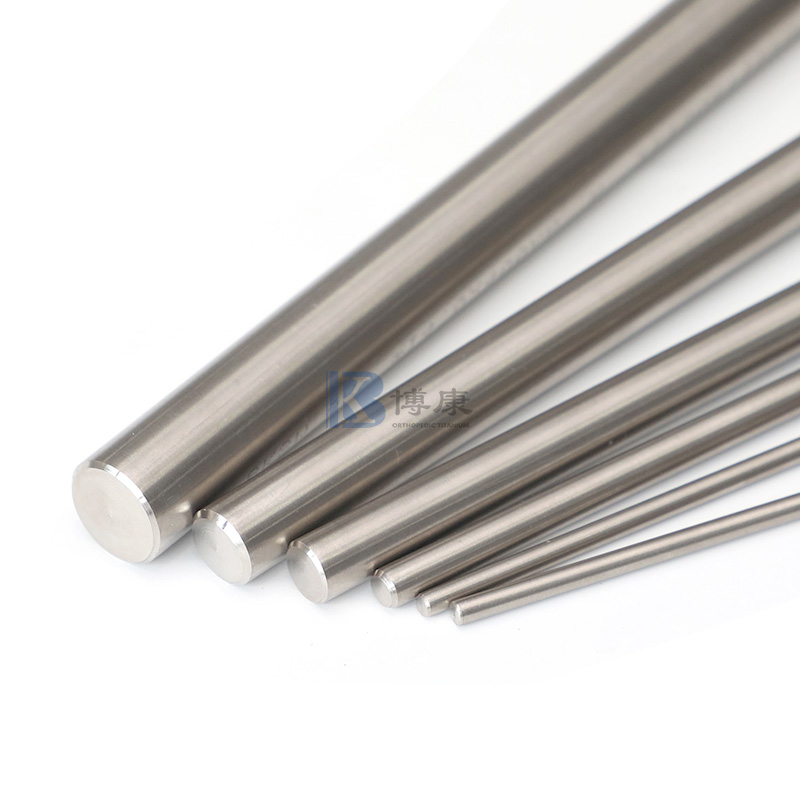
Premium Titanium Round Bars / Rods for Medical, Industrial, and Aerospace Applications Unmatched Quality & Certifica...
View Details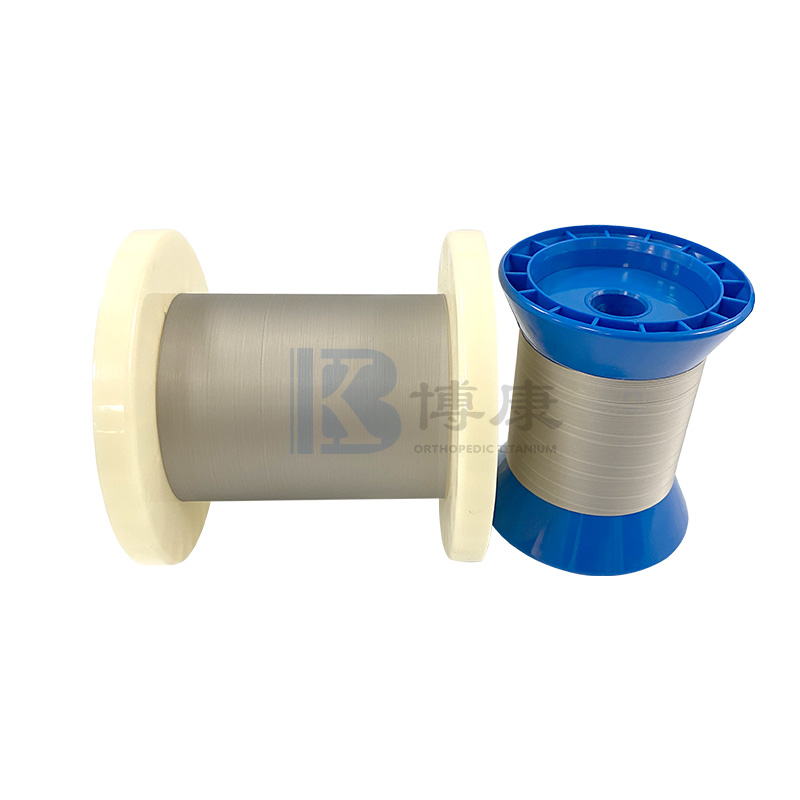
High-Purity Titanium Wire for Surgical Sutures, Staples, and Precision Medical Instruments Bokang offers premium medical...
View Details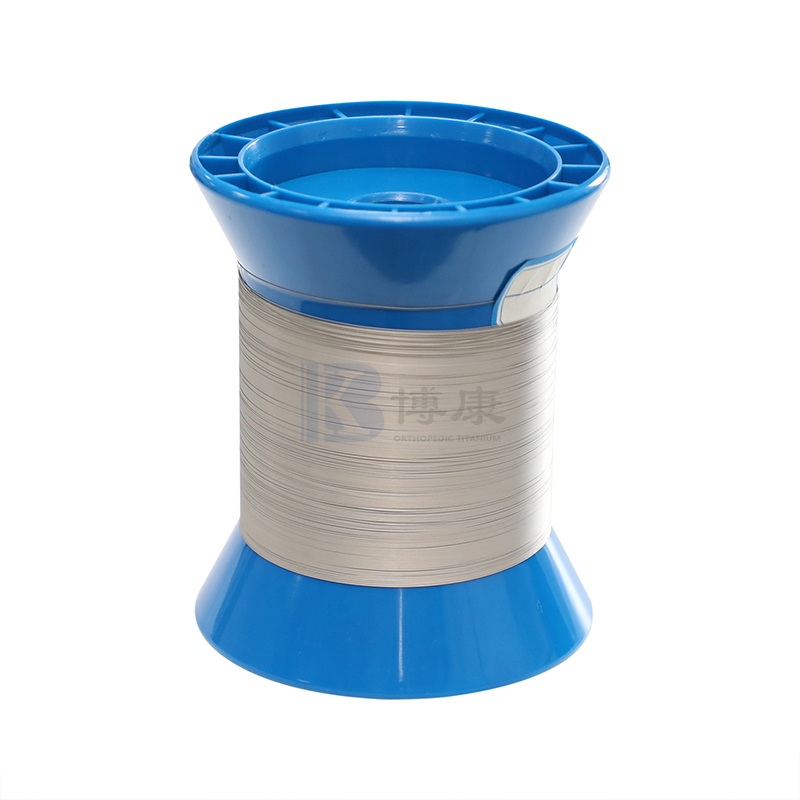
Bokang Titanium offers a wide range of high-quality titanium wires, manufactured through multiple drawing processes. Our...
View Details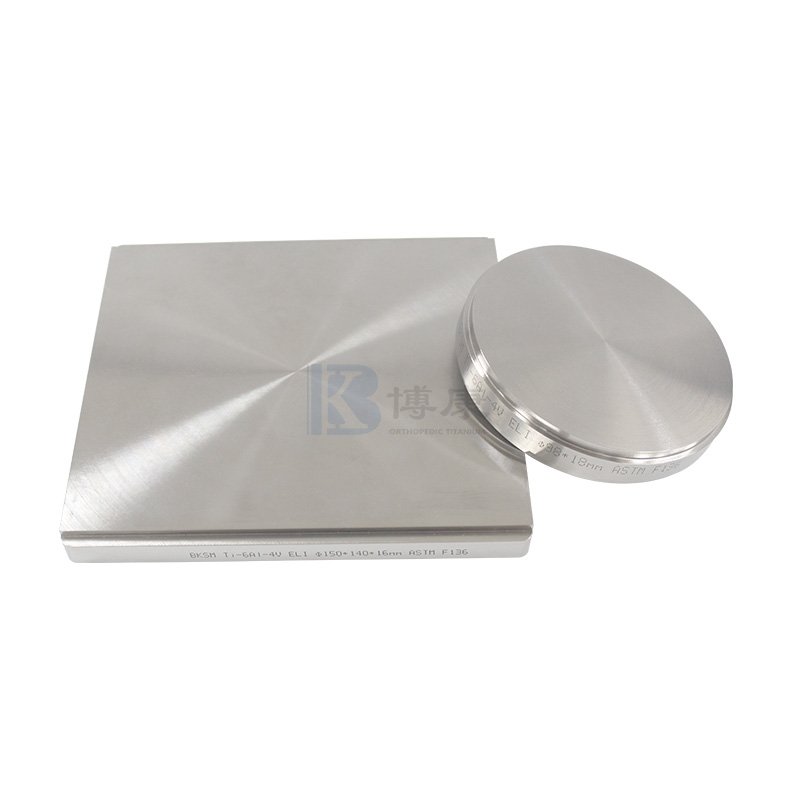
Dental Titanium Discs & Blocks – Medical Grade for CAD/CAM Milling High-quality dental titanium discs and blocks d...
View Details
Titanium Ingot (Ti Ingot) Description Our titanium ingots are made from high-purity sponge titanium and premium interme...
View DetailsTechnical Specifications
Detailed specifications for our Cobalt Chrome Molybdenum Alloy
| Primary Standards (Industrial) | ASTM F75 (Cast), ASTM F1537 (Wrought), ISO 5832-4, Stellite 6, Stellite 21 |
| Typical Composition Range | Co (Bal.), Cr (26-30%), Mo (5-7%), Ni (<1%), Fe (<1%), C, Si, Mn (trace) |
| Key Mechanical Properties (Wrought, Annealed) | Hardness: 25-35 HRC, Ultimate Tensile Strength: 950-1200 MPa, Modulus of Elasticity: ~230 GPa |
| Physical Properties | Density: ~8.3 g/cm³, Melting Range: 1330-1380°C |
| Notable Characteristics | Retains hardness at temperatures up to 800°C, Low thermal conductivity, High damping capacity |
Key Advantages of Bokang Cobalt Chrome Molybdenum Alloy
Discover why our titanium wire stands out in the industry
Exceptional Hot Hardness
Maintains mechanical strength and wear resistance at elevated temperatures where most steels soften, ideal for high-temperature tooling and engine components.
Superior Chemical Inertness
Highly resistant to a wide spectrum of corrosive media, including strong acids, alkalis, and seawater, minimizing degradation in aggressive process environments.
Outstanding Metal-to-Metal Wear Performance
Exhibits a high resistance to galling, seizing, and adhesive wear, making it suitable for bearing surfaces, valve seats, and wear plates without lubrication.
Material Comparison
Cobalt Chrome Molybdenum Alloy vs. Competitive Alternatives
| Feature | CoCrMo Alloy (Industrial Grade) | Tungsten Carbide (WC-Co) | Tool Steel (e.g., H13) |
|---|---|---|---|
| Primary Strengthening Mechanism | Solid Solution & Carbide Hardening | Hard Particle (WC) in binder | Martensitic transformation, Carbides |
| Maximum Service Temperature (for hardness) | ~800°C | ~500°C (Binder softens) | ~600°C (Tempered) |
| Impact Toughness | Moderate | Low (Brittle) | Good |
| Machinability (in annealed state) | Difficult | Very Difficult (Grinding only) | Good |
| Typical Industrial Application | Hot Extrusion Dies, Wear Sleeves | Cutting Tools, Mining Bits | Molds, Dies, Punches |
Applications
Cobalt Chrome Molybdenum Alloy applications across various industries
Process Industry
- Spinnerets and components for synthetic fiber production exposed to corrosive polymers.
- Pump sleeves, seals, and valve trim for handling abrasive slurries and corrosive chemicals.
- Nozzles and wear parts in food processing equipment requiring high hygiene and wear resistance.
Energy & Power
- Exhaust valves and seat inserts in high-performance diesel and natural gas engines.
- Blades and wear rings in steam turbines and geothermal power plant equipment.
- Downhole tools and bearing assemblies for oil and gas drilling.
Tooling & Manufacturing
- Hot work tooling for glass molding, die casting, and extrusion dies.
- Wear-resistant guides and fixtures in automated welding and cutting systems.
- Knives and cutting blades for recycling and waste processing.
Material Selection Guide
How to choose the right titanium wire for your application
1
Define the Dominant Failure Mode
Select CoCrMo when the primary challenge is abrasive or adhesive wear, high-temperature softening, or corrosion-wear synergy, rather than pure impact or high tensile overload.
2
Assess Temperature Profile
Choose this alloy for components experiencing sustained or cyclic exposure above 500°C where steel tools lose hardness, but below 1000°C where ceramics might be considered.
3
Evaluate Manufacturing Route
For complex shapes with low to medium stress, investment casting (ASTM F75) is cost-effective. For high-integrity, high-fatigue parts, specify wrought and hot isostatically pressed (HIP’d) material (ASTM F1537).
4
Consider Post-Processing Needs
Account for the difficulty of machining CoCrMo. Designs should minimize machining, and processes like EDM or grinding should be planned for. Surface finishes can be improved via electropolishing or specialized coatings.
Production Process & Quality Control
Our rigorous manufacturing process ensures consistent quality
High-Purity Charge Material Melting
Cobalt, chromium, and molybdenum of specified purity are melted together under vacuum or inert gas to prevent oxidation and achieve precise alloy chemistry.
→
Ingot Casting or Atomization
For wrought products, the melt is cast into ingots. For casting stock or powder metallurgy, the alloy is gas-atomized to form fine, spherical powder.
→
Thermomechanical Processing
Ingots are homogenized, then hot-forged, rolled, or extruded at high temperatures to break down the cast structure and achieve a fine, uniform grain size.
→
Solution Annealing & Controlled Cooling
The wrought material is heated to dissolve secondary phases into the matrix, then cooled at a controlled rate to optimize the distribution of hardening carbides.
→
Forming & Machining (Pre-Hardened State)
Components are formed or machined in the annealed state. Due to the alloy’s high work-hardening rate, sharp tools and low cutting speeds are essential.
→
Final Hardening & Surface Finishing
While not quench-hardened like steel, final properties are achieved through cold working or aging treatments. Surfaces are ground, polished, or coated as required.
Frequently Asked Questions
Common questions about pure titanium wire
Stellite 6 is a trade name for a specific, high-carbon (∼1.2%) CoCrMo alloy designed for maximum wear resistance in industrial applications. ASTM F75 is a broader material specification for cast CoCrMo used in implants, with tighter controls on impurities and a typically lower carbon content (max 0.35%). While chemically similar, Stellite 6 prioritizes abrasive wear resistance, while F75 balances wear, corrosion resistance, and biocompatibility.
Yes, but it requires specialized techniques. Oxy-acetylene welding with a matching CoCrMo rod, or processes like TIG (GTAW) and laser welding under argon shielding, are used. Pre-heating and very slow post-weld cooling are critical to prevent cracking due to high thermal stress and the formation of brittle phases in the heat-affected zone. Weld repairs on critical components should be evaluated carefully.
CoCrMo has a coefficient of thermal expansion (∼14 x 10-6 /°C) that is moderately higher than that of tool steels (∼11-12 x 10-6 /°C). This difference must be accounted for in designs involving tight fits or assemblies with other materials to avoid thermal stress or loosening during temperature cycles.
Absolutely. Powder metallurgy (PM), including Metal Injection Molding (MIM) and Hot Isostatic Pressing (HIP) of pre-alloyed powder, is an excellent method for producing complex, near-net-shape CoCrMo components with fine, isotropic microstructures. PM is widely used for making small, intricate industrial wear parts and is also the dominant method for producing dental crowns and bridges.
Cobalt is largely a byproduct of copper and nickel mining, with a significant portion of global supply originating from geopolitically sensitive regions. This can lead to price volatility and supply insecurity. For non-critical applications, engineers may evaluate cobalt-free alternatives like high-nitrogen stainless steels or nickel-based alloys, though these may not match CoCrMo’s unique combination of properties.
Why Choose Bokang Titanium?
18+ years of experience in high-quality titanium materials
18+
Years Experience
28+
Patents & Certifications
200+
Skilled Employees
ISO 13485:2016
Medical Device Certification
Our Commitment to Quality
Changzhou Bokang Special Material Technology Co., Ltd. is Wholesale Cobalt Chrome Molybdenum Alloy Manufacturers and Custom Cobalt Chrome Molybdenum Alloy Suppliers. At Bokang Titanium, we adhere to the strictest quality control protocols throughout our manufacturing process. Every batch of pure titanium wire undergoes rigorous testing including dimensional verification, mechanical property testing, surface quality inspection, and chemical analysis to ensure compliance with international standards.
Our quality management system is certified to ISO 9001:2015 and ISO 13485:2016 for medical device applications, ensuring full traceability from raw material to finished product. We maintain comprehensive documentation including material certifications, test reports, and process validation records.
With 18+ years of experience in titanium material production, we have developed specialized expertise in medical-grade, aerospace-grade, and industrial-grade titanium alloys. Our products are trusted by leading medical device manufacturers, aerospace companies, and industrial clients worldwide. We offer OEM/ODM Cobalt Chrome Molybdenum Alloy for sale.