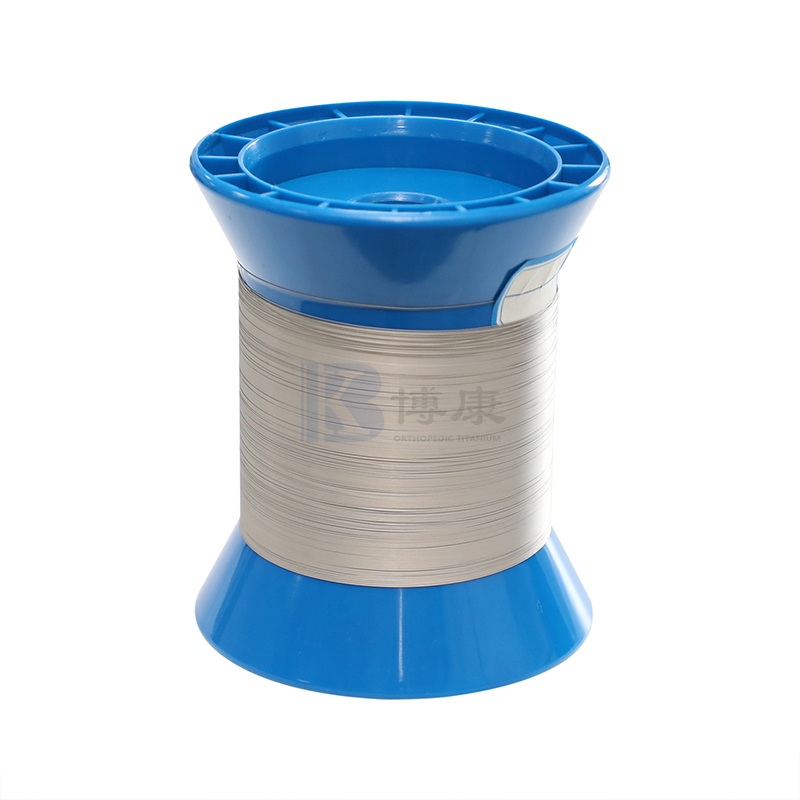
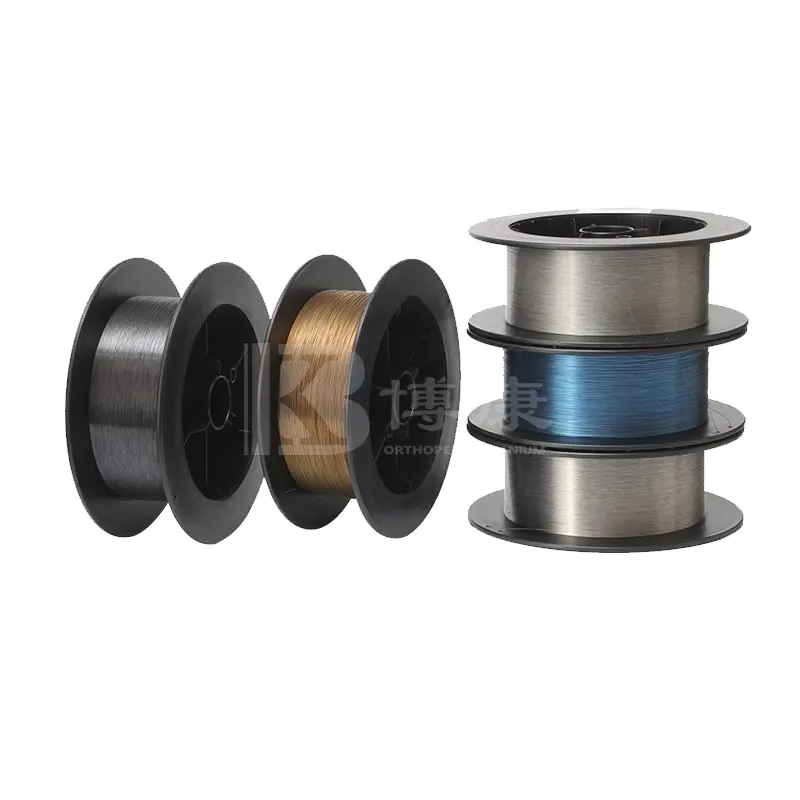
What surface finishes are available for pure titanium wire?
Pure titanium wire is a highly versatile material used across multiple industries, including aerospace, medical, chemical, and electronic sectors. Its unique combination of lightweight structure, high strength, and excellent corrosion resistance makes it an ideal choice for applications where reliability and durability are essential. Among the key factors affecting its performance and suitability for specific applications is the surface finish of pure titanium wire. The surface finish not only determines the aesthetic appearance of the wire but also significantly influences its mechanical performance, corrosion resistance, and compatibility with downstream processes such as welding, coating, or assembly.
Types of Surface Finishes for Pure Titanium Wire
1. Bright or Polished Finish
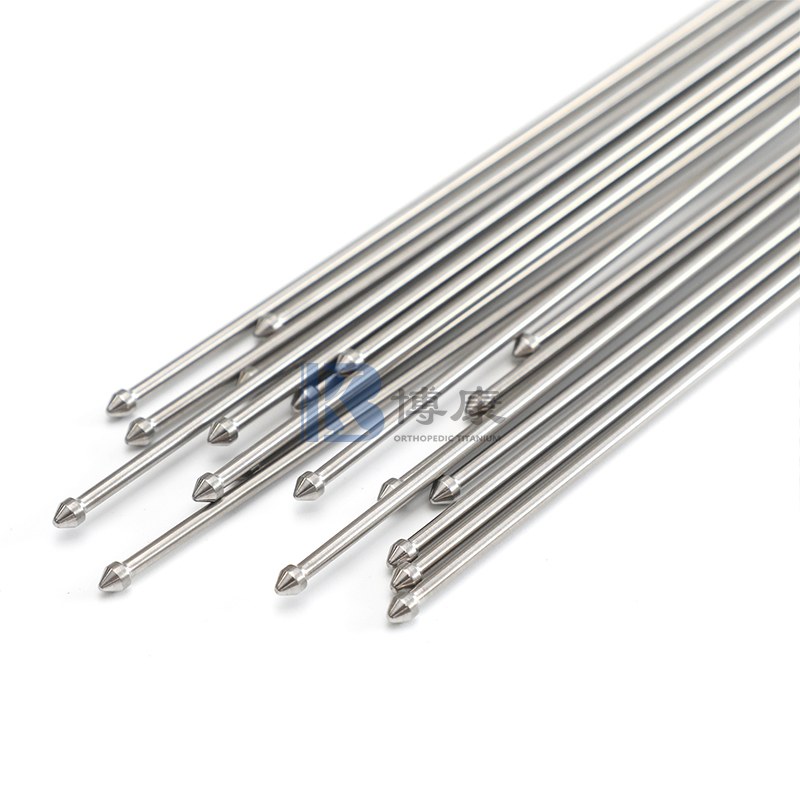
A bright or polished finish is one of the most common surface finishes applied to pure titanium wire. This finish is achieved through mechanical polishing, chemical polishing, or a combination of both processes, resulting in a smooth, reflective surface.
The polished finish offers several advantages:
Enhanced corrosion resistance: Polished surfaces reduce the risk of localized corrosion caused by surface irregularities.
Aesthetic appeal: The reflective appearance is often preferred for decorative or visible applications in jewelry, medical devices, and architectural components.
Reduced friction: Smooth surfaces can lower the friction in mechanical systems, enhancing performance in dynamic applications such as springs or precision wire assemblies.
Industries that frequently use polished pure titanium wire include medical instruments, electronic connectors, and precision engineering components.
2. Matte or Satin Finish
A matte or satin finish is characterized by a non-reflective, smooth surface with subtle texture. This finish is typically produced through mechanical blasting, chemical etching, or brushing.
Key characteristics and benefits of matte finishes include:
Improved adhesion: Matte surfaces provide better adhesion for coatings, adhesives, and other surface treatments.
Reduced glare: The non-reflective appearance is preferred for certain aerospace, architectural, and optical applications, where glare can be a concern.
Surface uniformity: The finish helps mask minor surface defects that may exist on raw wire.
Matte-finished pure titanium wire is often chosen for industrial equipment components, electronic shielding, and decorative applications requiring a subdued appearance.
3. Oxide or Passivated Finish
Pure titanium naturally forms a thin oxide layer when exposed to air, but additional controlled passivation processes can enhance surface properties. This oxide finish is commonly used to improve corrosion resistance and increase the longevity of the wire in harsh environments.
Benefits of oxide or passivated finishes include:
Superior corrosion resistance: Ideal for marine, chemical, and medical applications.
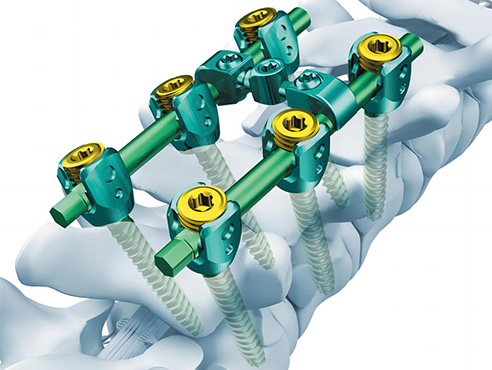
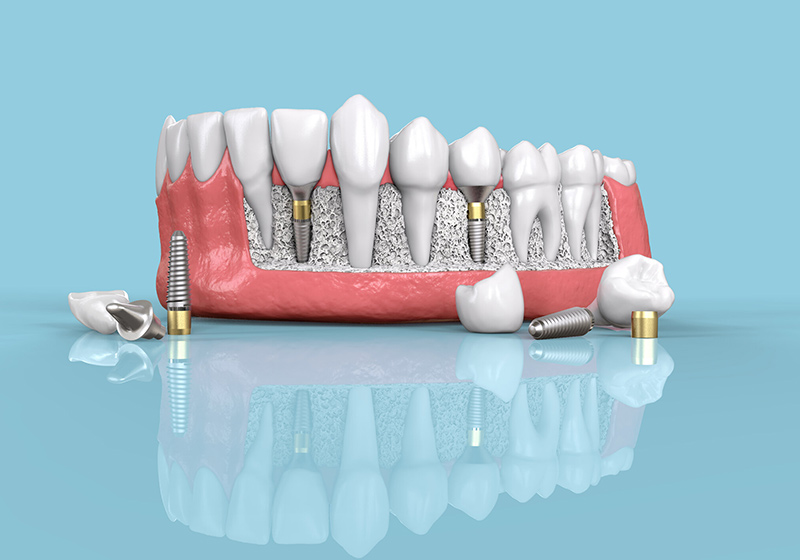
Enhanced biocompatibility: Oxide-treated wire is widely used in implantable medical devices and surgical instruments.
Surface stability: The oxide layer protects the underlying metal from wear and chemical degradation.
Passivation can be achieved using chemical treatments, electrochemical processes, or thermal oxidation, depending on the desired thickness and uniformity of the oxide layer.
4. Etched or Textured Finish
Etched or textured finishes are created through controlled chemical or mechanical processes that alter the surface structure to produce patterns, grooves, or roughness. These finishes are particularly relevant for applications requiring enhanced surface grip or adhesion properties.
Key applications and advantages include:
Increased bonding strength: Textured surfaces allow coatings, adhesives, or composite layers to adhere more effectively.
Custom functional properties: Etched patterns can be designed to improve mechanical interlocking or friction characteristics.
Aesthetic customization: For decorative uses, etching offers unique visual effects.
Industries utilizing etched pure titanium wire include electronics, aerospace, and specialty medical devices, where precise surface characteristics are critical.
5. Electroplated or Coated Finish
Although pure titanium wire is highly corrosion-resistant, additional electroplated or coated finishes are sometimes applied to enhance surface properties for specific applications. These coatings may include metals such as gold, silver, or nickel, or protective layers like polymers.
Benefits of electroplated or coated finishes include:
Improved conductivity: Essential for electronic contacts and connectors.
Enhanced wear resistance: Coatings reduce surface wear during handling or assembly.
Specialized chemical resistance: Certain coatings can provide additional protection in extreme chemical environments.
The choice of coating depends on both the intended application and the processing capabilities of the manufacturer.
Factors Affecting Surface Finish Selection
Selecting the appropriate surface finish for pure titanium wire involves several considerations:
Application requirements: Mechanical, chemical, and aesthetic demands directly influence the choice of finish. For example, implantable medical wires require biocompatible and passivated surfaces, whereas decorative wires prioritize polished or textured finishes.
Environmental conditions: Corrosive environments or high-temperature applications may necessitate oxide or passivated finishes.
Downstream processing: If the wire will undergo welding, coating, or bending, certain finishes may be preferred to reduce friction, enhance adhesion, or prevent surface damage.
Cost considerations: More complex surface treatments, such as electroplating or chemical etching, increase production costs. Balancing performance and budget is essential.
Diameter and size: Smaller diameter wires may require specialized finishing methods to avoid deformation or breakage during processing.
Common Industry Applications of Surface-Finished Pure Titanium Wire
Medical Industry
Surgical instruments: Polished and passivated surfaces improve sterilization, corrosion resistance, and biocompatibility.
Implants and devices: Textured or oxide finishes enhance bonding with biological tissues.
Aerospace and Automotive Industries
Structural components: Matte or satin finishes reduce glare and improve mechanical reliability in high-stress environments.
Wiring and connectors: Electroplated or polished finishes ensure reliable conductivity and corrosion resistance.
Electronics and Electrical Applications
Connectors and spring contacts: Polished or coated pure titanium wire provides excellent electrical performance.
Shielding and coils: Textured or matte surfaces can enhance adhesion of insulating or protective layers.
Decorative and Architectural Uses
Jewelry and artistic components: Polished, textured, or etched finishes provide aesthetic appeal and design flexibility.
Architectural panels and fixtures: Matte or satin finishes reduce glare while maintaining durability.
Summary Table of Pure Titanium Wire Surface Finishes
Finish Type
Characteristics
Applications
Advantages
Bright/Polished
Smooth, reflective surface
Jewelry, medical instruments, connectors
High corrosion resistance, low friction, aesthetic
Matte/Satin
Smooth, non-reflective
Aerospace, industrial, decorative
Reduced glare, better adhesion, masks defects
Oxide/Passivated
Controlled oxide layer
Medical implants, chemical equipment
Superior corrosion resistance, biocompatible
Etched/Textured
Grooves or rough patterns
Electronics, aerospace, specialty devices
Improved adhesion, friction control, custom look
Electroplated/Coated
Additional metallic or polymer layer
Connectors, electrical components, protection
Enhanced wear resistance, conductivity, chemical resistance
Conclusion
The surface finish of pure titanium wire plays a critical role in determining its performance, durability, and suitability across a wide range of industries. From polished and matte finishes to passivated, etched, and coated surfaces, each finish offers unique advantages tailored to specific applications.
When selecting pure titanium wire, it is essential to consider application requirements, environmental factors, downstream processes, and cost implications. Understanding the characteristics and benefits of each surface finish ensures optimal material performance, whether for medical, aerospace, electronic, or decorative applications.
By carefully matching the surface finish to the intended use, buyers and engineers can maximize the functionality, longevity, and reliability of pure titanium wire products.

 Send Inquiry


 EN
EN
 English
 日本語
日本語 한국어
한국어 Español
 عربى
عربى русский
 Deutsch
 中文简体
中文简体