How can a titanium round bar be welded or joined to other metals?
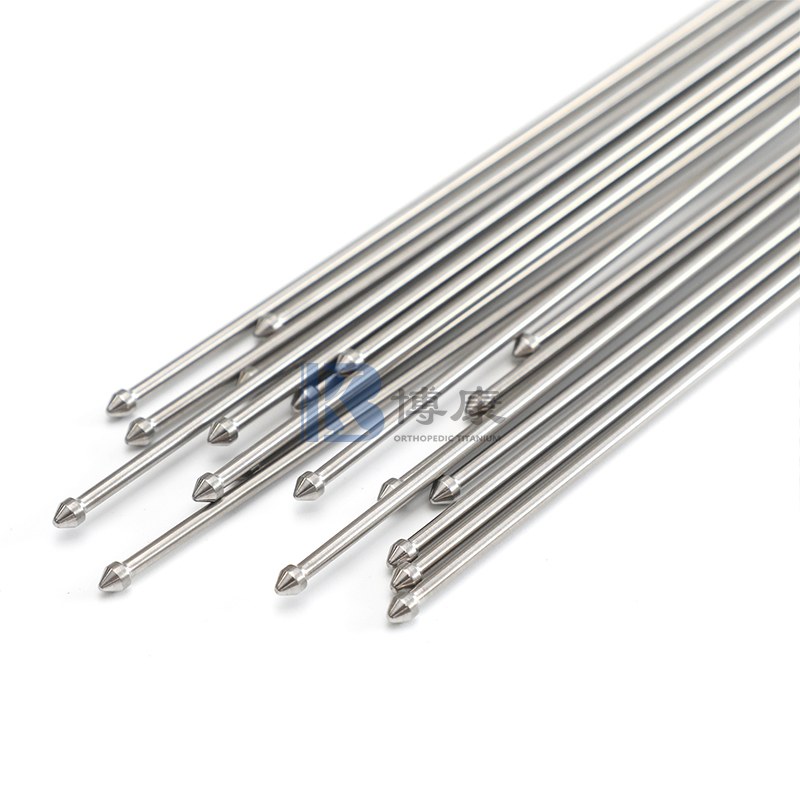
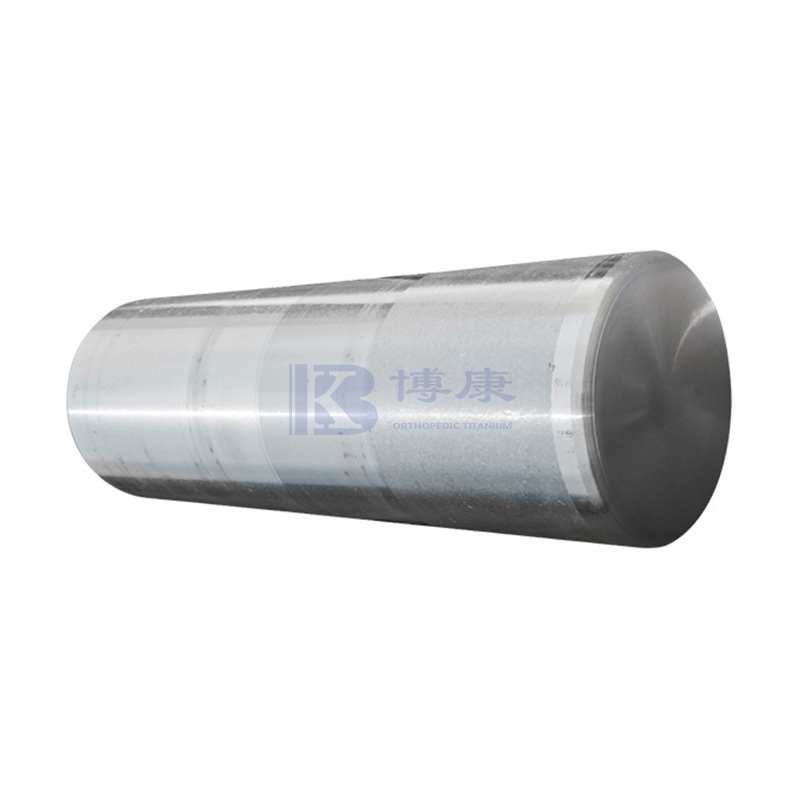
Joining metals is a critical process in modern manufacturing and construction, and titanium round bar presents unique opportunities and challenges in this regard. Known for its exceptional strength-to-weight ratio, corrosion resistance, and biocompatibility, titanium is widely used in aerospace, medical devices, chemical processing, and marine applications. However, the process of welding or joining titanium round bar to other metals requires careful consideration of material compatibility, joint design, and process parameters.
Understanding the properties of titanium round bar
Before discussing welding and joining techniques, it is important to understand the inherent properties of titanium round bar that influence joining methods:
High strength and low density: Titanium has a high strength-to-weight ratio, making it ideal for applications requiring lightweight yet strong components. This also affects how heat is applied during welding.
Corrosion resistance: Titanium exhibits excellent resistance to many chemicals and environments, but joining it with metals that have different corrosion properties can create galvanic corrosion if not properly managed.
Reactivity at high temperatures: Titanium can react with oxygen, nitrogen, and hydrogen when exposed to high temperatures, forming brittle compounds. This is a key consideration during welding, as titanium round bar must be protected from atmospheric contamination.
Dissimilar metal behavior: Titanium has a different coefficient of thermal expansion compared to most common metals, which can create stress during cooling if joined improperly.
These properties define the challenges of welding titanium round bar to other metals and dictate the selection of appropriate joining techniques.
Common methods for joining titanium round bar to other metals
Several methods are used to join titanium round bar to other metals, each with advantages, limitations, and considerations.
Fusion welding methods
Fusion welding involves melting the base metals to form a joint. When working with titanium, special attention is required to prevent contamination.
TIG welding (Tungsten Inert Gas): This method is widely used for titanium due to its ability to provide precise heat control. For joining titanium round bar to compatible metals like stainless steel or nickel alloys, TIG welding can produce strong, clean welds when the joint is protected with an inert gas such as argon.
Laser welding: This is suitable for high-precision applications. The focused energy of the laser allows minimal heat input, reducing the risk of distortion and metallurgical defects. Laser welding is particularly useful for joining titanium round bar to thin sections of metals.
Limitations: Fusion welding of titanium round bar to dissimilar metals can be challenging due to differences in melting points and thermal expansion, often resulting in residual stress or brittle intermetallic formation.
Solid-state joining methods
Solid-state joining does not involve melting the base metals. These techniques are often preferred for titanium round bar when joining to metals with incompatible melting characteristics.
Friction welding: This process uses rotational or linear motion to generate heat through friction, softening the metal surfaces and forming a solid-state bond. Friction welding is effective for titanium round bar, especially when joining to steel or aluminum. It reduces the risk of oxidation and maintains the mechanical properties of titanium.
Diffusion bonding: This method involves applying high pressure and moderate heat over time to allow atomic diffusion across the interface. Diffusion bonding is used in aerospace and high-performance applications where the integrity of the titanium round bar must be preserved.
Advantages: Solid-state methods reduce the risk of contamination and intermetallic formation. They are suitable for joining titanium round bar to metals that cannot be fusion-welded easily.
Mechanical joining methods
In addition to welding, mechanical joining methods are sometimes employed to connect titanium round bar to other metals.
Bolting or fastening: Using high-strength bolts or fasteners allows joining without heat, eliminating metallurgical concerns. When using bolts, careful selection of materials and coatings is necessary to prevent galvanic corrosion.
Adhesive bonding: Advanced structural adhesives can be used to join titanium round bar to metals in low- to moderate-load applications. Adhesive bonding provides uniform stress distribution and is often used in aerospace and marine structures.
Considerations: Mechanical methods are less suitable for high-stress structural applications but offer flexibility when welding is not feasible.
Key challenges in joining titanium round bar to other metals
When joining titanium round bar to dissimilar metals, several technical challenges must be addressed:
Formation of brittle intermetallic compounds: Titanium can react with metals like copper, nickel, and aluminum to form brittle intermetallic layers. These compounds reduce joint strength and may lead to premature failure.
Differential thermal expansion: Titanium has a lower coefficient of thermal expansion compared to steel and aluminum. Welding or heating can induce residual stresses, warping, or cracking in the joint.
Oxidation and contamination: Titanium is highly reactive at elevated temperatures. Exposure to air during welding can create an oxygen-rich layer, weakening the weld. Shielding gases or vacuum environments are essential to prevent this.
Corrosion concerns: Galvanic corrosion may occur when titanium is in contact with more anodic metals in the presence of an electrolyte. Proper insulation or coating of the joint area can mitigate this risk.
Addressing these challenges requires careful selection of welding methods, filler materials, and post-joining treatments.
Best practices for welding or joining titanium round bar
To ensure strong, durable joints, the following practices are recommended:
Use appropriate shielding: Protect the joint from oxygen and nitrogen using inert gas coverage, such as argon, during welding.
Select compatible filler metals: When using fusion welding, choose filler metals compatible with both titanium and the dissimilar metal to minimize brittle intermetallic formation.
Control heat input: Avoid excessive heat to reduce residual stress and distortion. Precision welding techniques, like laser or electron beam welding, are often preferred.
Pre- and post-weld treatment: Preheating may relieve stress in some cases, while post-weld stress relief and surface treatment improve joint performance.
Consider solid-state methods: Where possible, use friction welding or diffusion bonding for high-performance applications requiring titanium round bar to metal joints.
Design for mechanical support: Incorporate joint geometries that minimize stress concentration and ensure uniform load distribution.
Industry applications and considerations
The ability to join titanium round bar to other metals expands its applications across industries:
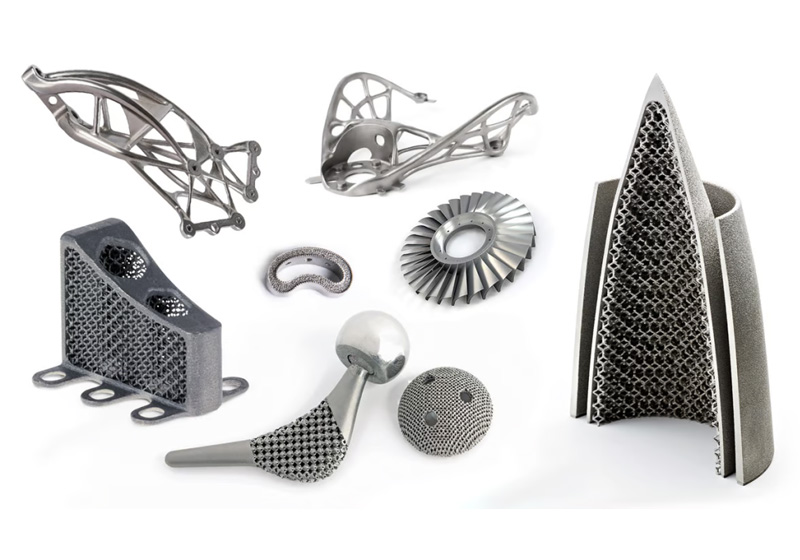
Aerospace: Lightweight, high-strength components require titanium round bar joints with aluminum, steel, or nickel-based alloys. Solid-state joining and precision welding are common.
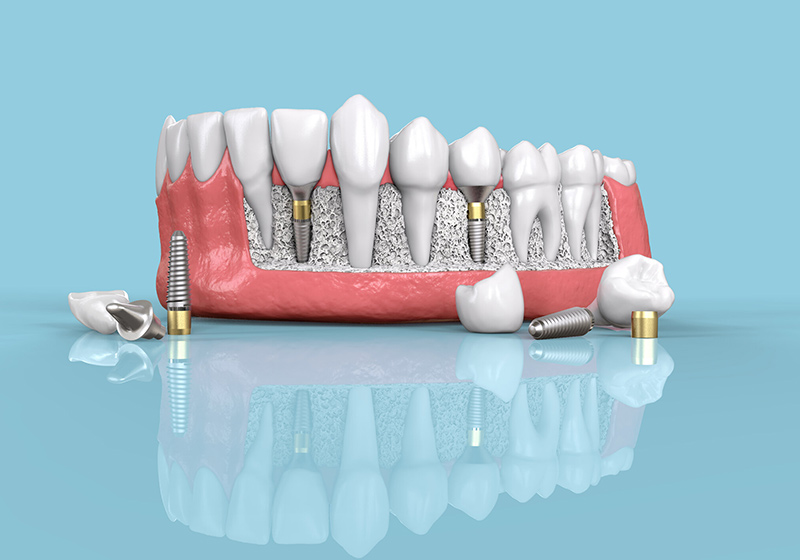
Medical devices: Titanium round bar is often joined to surgical stainless steel in instruments and implants. Corrosion resistance and biocompatibility are essential.
Marine and chemical processing: Titanium round bar may be combined with other corrosion-resistant alloys for piping and structural applications. Adequate shielding and surface protection are critical.
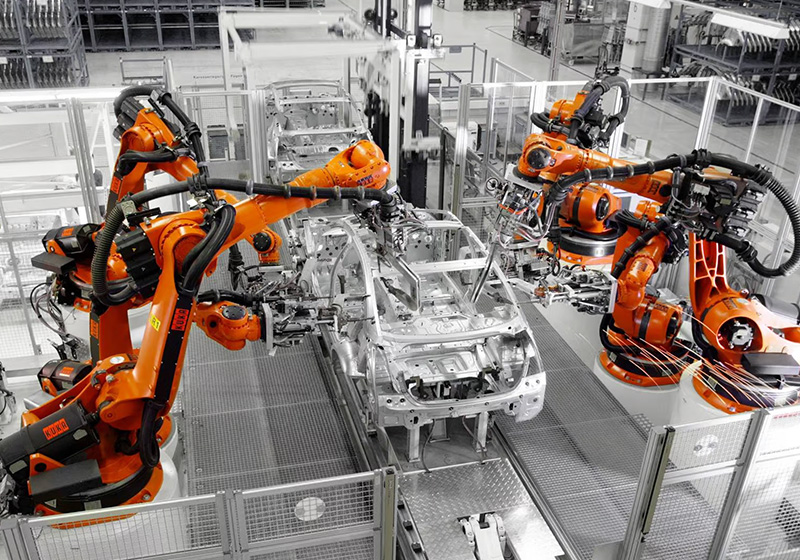
Automotive and high-performance engineering: Lightweight titanium round bar may be connected to steel or aluminum for chassis and suspension components.
Understanding these applications helps determine the most suitable joining method, joint design, and quality control measures.
Comparison of joining methods
Joining Method
Advantages
Limitations
Typical Applications
TIG Welding
Precise, high-quality welds
Sensitive to contamination, limited for dissimilar metals
Aerospace, medical, precision components
Laser Welding
Minimal heat input, high precision
Expensive equipment, limited thickness
Thin sections, high-precision parts
Friction Welding
Solid-state, strong, reduced oxidation
Requires specialized equipment
Titanium to steel/aluminum
Diffusion Bonding
High-strength, metallurgical integrity
Time-consuming, high pressure required
Aerospace, high-performance engineering
Mechanical Fastening
Simple, avoids heat, flexible
Not suitable for high-stress applications
Marine, general engineering
Adhesive Bonding
Uniform stress distribution, non-thermal
Limited load capacity
Aerospace, marine, light structures
Conclusion
Joining titanium round bar to other metals requires a careful balance of material compatibility, process selection, and environmental protection. The challenges of brittle intermetallic formation, differential thermal expansion, and oxidation sensitivity necessitate precise process control. By choosing the appropriate fusion, solid-state, or mechanical joining method, manufacturers can achieve high-performance joints suitable for demanding applications in aerospace, medical, marine, and industrial sectors.
A thorough understanding of the properties of titanium round bar, combined with industry best practices and careful design, ensures the durability and reliability of welded or joined components. Advanced techniques such as friction welding, diffusion bonding, and laser welding, alongside proper shielding and filler material selection, make it possible to fully exploit titanium’s unique properties in modern engineering.

 Send Inquiry


 EN
EN
 English
 日本語
日本語 한국어
한국어 Español
 عربى
عربى русский
 Deutsch
 中文简体
中文简体