Titanium alloy ingots and titanium billets are both fundamental forms of titanium products, widely used across aerospace, medical, chemical, and industrial applications.
A titanium alloy ingot is a solidified form of molten titanium alloy, typically produced through methods such as vacuum arc remelting (VAR), electron beam melting (EBM), or other metallurgical processes. These ingots serve as the raw material for further processing into various shapes, including plates, sheets, rods, or structural components.
Key characteristics of titanium alloy ingot include:
The quality of a titanium alloy ingot is critical in industries where performance and reliability are non-negotiable. Aerospace components, medical implants, and high-performance machinery often require ingots with stringent specifications.
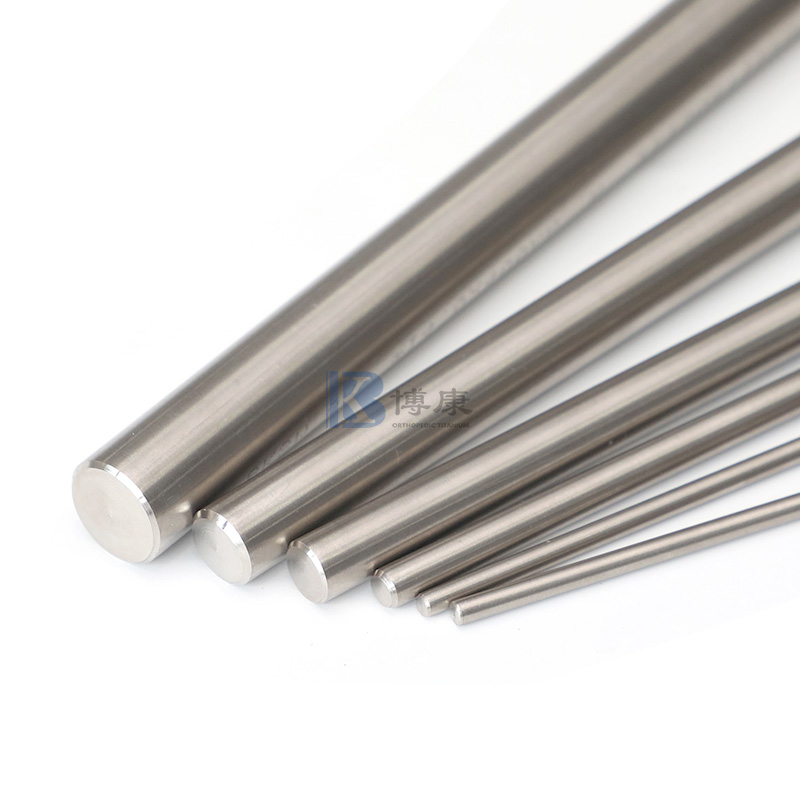
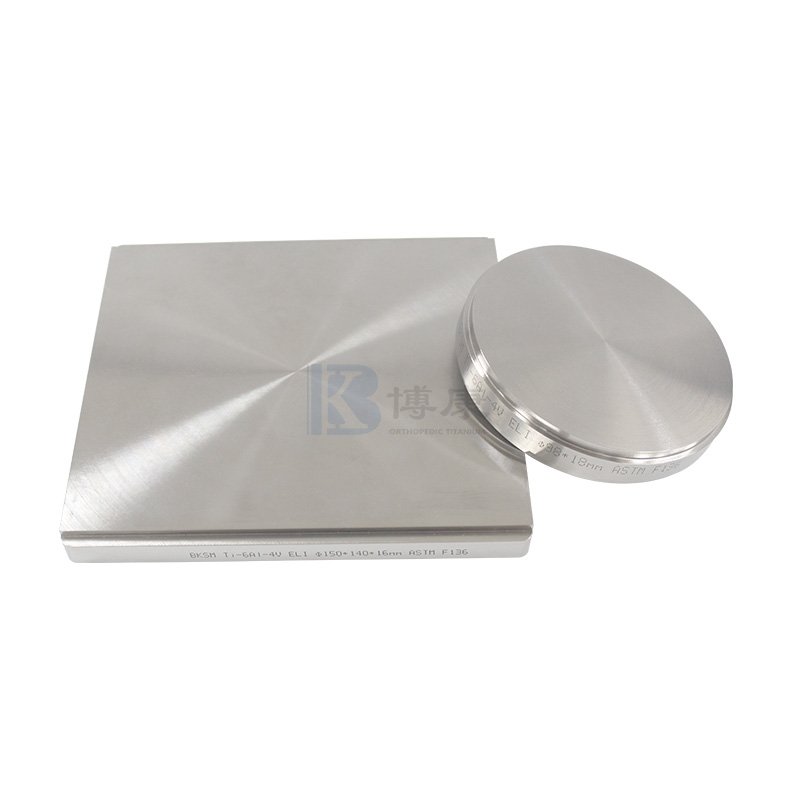
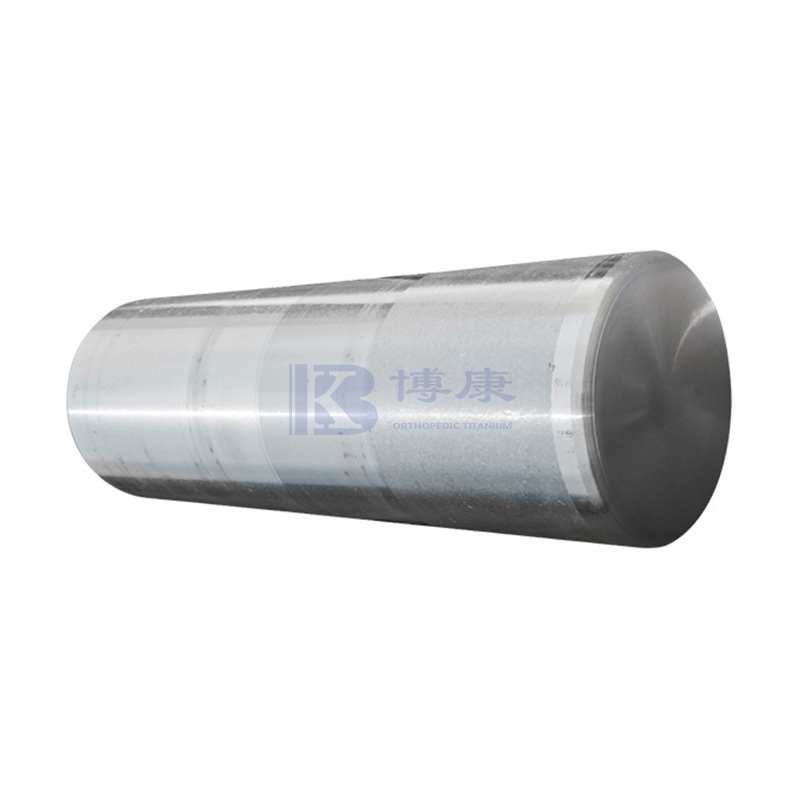
A titanium billet is a semi-finished product derived from a titanium alloy ingot. Billets are typically cylindrical or rectangular in shape and are produced by forging, rolling, or extrusion of ingots. They serve as the intermediate form before being machined or further processed into final products.
Key aspects of titanium billets include:
The production processes of titanium alloy ingot and titanium billet are distinct and directly influence their characteristics and applications.
Titanium alloy ingot production begins with melting and refining titanium and alloying elements under controlled conditions. Processes such as VAR and EBM minimize contamination and ensure consistent composition. Once solidified, the ingot is typically cylindrical, weighing several tons, depending on industrial requirements.
Considerations in ingot production:
Billets are derived from ingots through hot forging, extrusion, or rolling. The ingot is heated and mechanically worked into the desired billet shape. This process refines the internal structure, improves strength, and makes the material suitable for further processing.
Advantages of billet processing:
Comparison Table: Ingot vs Billet Production
| Feature | Titanium Alloy Ingot | Titanium Billet |
|---|---|---|
| Form | Raw, solidified from molten titanium | Semi-finished, forged or rolled from ingot |
| Grain structure | Less refined, uniform solidification | Refined through mechanical working |
| Weight | Very heavy, often several tons | Smaller, standardized for easier handling |
| Purpose | Source material for billets and other forms | Intermediate product for final manufacturing |
The differences between titanium alloy ingot and billets extend to their mechanical properties and microstructure.
Ingot characteristics:
Billet characteristics:
Key point: While titanium alloy ingot serves as the raw source, the billet is engineered for performance, ensuring reliable use in critical applications.
Both titanium alloy ingot and billets find application in aerospace, automotive, medical, and chemical industries. However, their roles differ based on processing stage and functional requirements.
Titanium alloy ingot applications:
Titanium billet applications:
Buyer considerations:
Ensuring the quality of a titanium alloy ingot is essential before processing it into billets or final products. Buyers and engineers evaluate ingots based on:
High-quality ingots contribute to reliable performance in critical applications, making this assessment step crucial.
Proper handling and storage of titanium alloy ingot are necessary to maintain quality and prevent damage.
Storage recommendations:
Transportation considerations:
The cost of titanium alloy ingot varies based on alloy type, weight, purity, and processing method. Buyers often weigh the following factors:
Compared to billets, ingots may have lower per-unit cost but require additional processing, which can affect overall project budgets.
The distinction between titanium alloy ingot and titanium billets is clear in terms of production, structure, mechanical properties, and industrial application. While ingots are the raw source, billets are refined intermediate products optimized for strength, machinability, and dimensional precision.
In industries where performance, reliability, and precision are critical, careful evaluation of ingot quality, production processes, and handling procedures is indispensable. By recognizing the unique roles of titanium alloy ingot and billets, stakeholders can achieve optimal outcomes in manufacturing and product performance.
Copyright © 2024 Changzhou Bokang Special Material Technology Co., Ltd. All Rights Reserved.
Custom Round Pure Titanium Rod Manufacturers Privacy