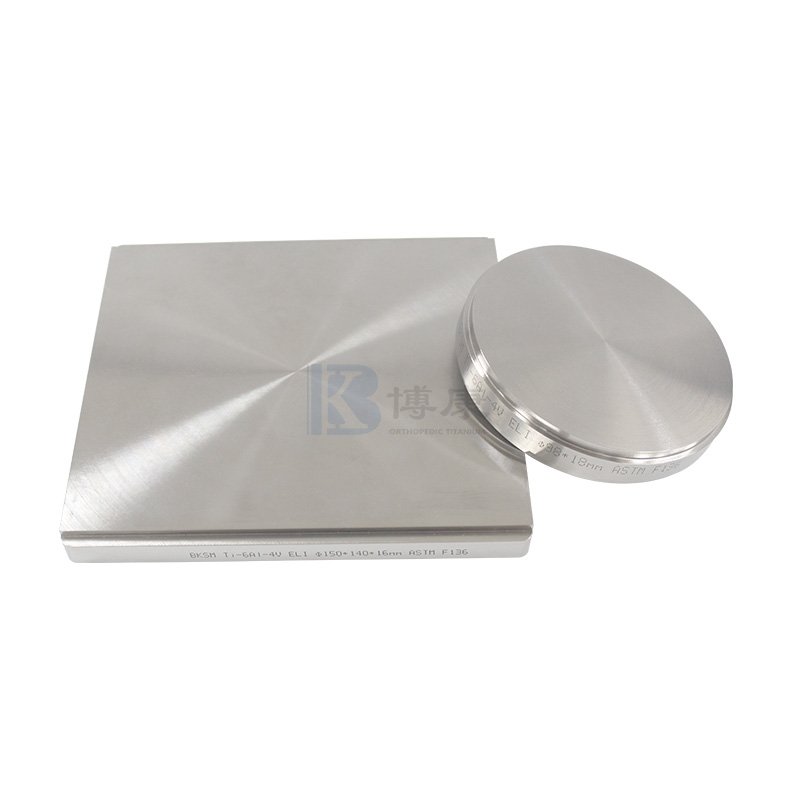
Machining titanium alloy sheet presents unique challenges due to the material’s exceptional strength, low thermal conductivity, and high chemical reactivity. These characteristics make titanium alloys widely used in aerospace, medical devices, and high-performance engineering, but they also contribute to accelerated tool wear during machining processes. Optimizing the machining of titanium alloy sheet is therefore critical to improving productivity, reducing costs, and extending the life of cutting tools.
Machining titanium alloy sheet differs significantly from working with conventional metals like aluminum or stainless steel. The key challenges include:
Understanding these inherent challenges is the first step toward implementing effective machining strategies.
The choice of cutting tools is a primary factor in reducing tool wear when machining titanium alloy sheet. Key considerations include:
Proper tool selection directly impacts the efficiency and durability of machining operations on titanium alloy sheet.
Adjusting cutting parameters is critical to reduce tool wear and maintain machining quality for titanium alloy sheet. Important factors include:
These parameters should be carefully balanced according to the type of titanium alloy sheet, tool material, and machining objectives.
Effective cooling and lubrication are crucial for reducing tool wear when machining titanium alloy sheet. Unlike other metals, titanium alloys require special considerations:
By maintaining a lower cutting temperature and reducing friction, these techniques help achieve consistent machining performance.
Tool wear can also be exacerbated by vibrations and instability during machining of titanium alloy sheet. Measures to address this include:
Stable machining conditions significantly extend tool life while improving surface quality.
Different machining strategies can influence tool wear when working with titanium alloy sheet:
Selecting a machining strategy that balances productivity and tool longevity is essential for cost-effective operations.
Regular monitoring and maintenance of cutting tools are essential to reduce wear and prevent machining defects in titanium alloy sheet:
A proactive tool management strategy ensures consistent quality and cost-efficiency.
Machining titanium alloy sheet often requires attention to surface quality and post-processing to minimize the effects of tool wear:
Addressing these considerations ensures that tool wear does not compromise the final product performance.
Optimizing machining for titanium alloy sheet requires a comprehensive approach. Key best practices include:
| Area | Recommended Practices |
|---|---|
| Tool selection | Use carbide or PCD tools with suitable coatings and sharp edges |
| Cutting parameters | Moderate cutting speeds, optimized feed rates, shallow depth of cut |
| Cooling/lubrication | High-pressure coolant, MQL, or cryogenic cooling methods |
| Machine stability | Rigid workholding, vibration damping, precision machine tools |
| Machining strategy | Climb milling, trochoidal milling, high-efficiency roughing |
| Tool maintenance | Regular inspection, rotation, and monitoring of cutting conditions |
By systematically applying these strategies, manufacturers can reduce tool wear, improve surface quality, and maintain cost-effective operations.
Machining titanium alloy sheet presents unique challenges due to its mechanical properties and chemical behavior. Reducing tool wear requires careful consideration of cutting tools, parameters, cooling methods, machine stability, and tool management. Implementing optimized machining strategies not only prolongs tool life but also ensures higher efficiency, better surface quality, and reliable production outcomes. For industries that rely on titanium alloy sheet, including aerospace, medical devices, and high-performance engineering, these practices are essential for maintaining competitiveness and product quality.
Copyright © 2024 Changzhou Bokang Special Material Technology Co., Ltd. All Rights Reserved.
Custom Round Pure Titanium Rod Manufacturers Privacy