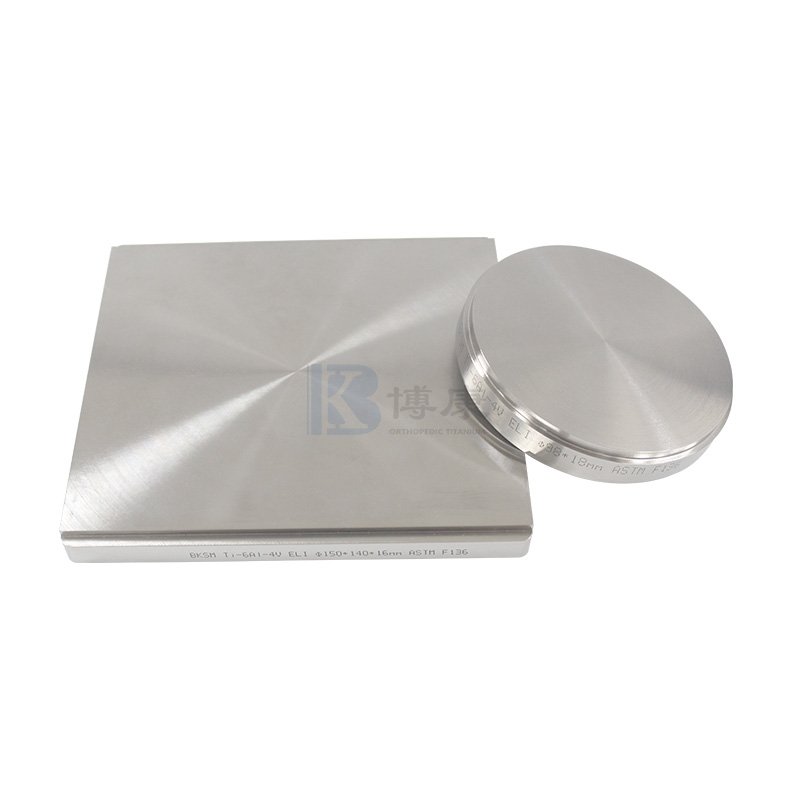
The increasing use of titanium in aerospace, medical, and industrial applications has made understanding the proper handling of titanium sheets essential. Among these materials, a 2mm titanium sheet offers a balance between flexibility and structural strength. However, due to titanium’s unique properties, cutting and machining this material require specialized knowledge and techniques to prevent damage, deformation, or compromised performance.
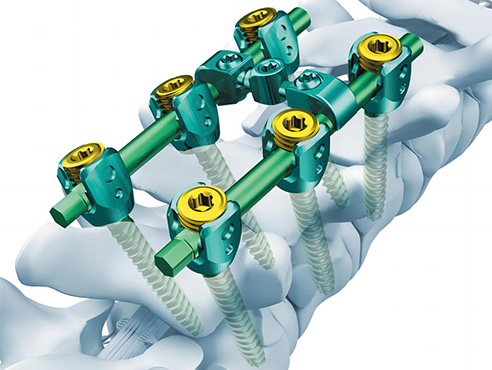
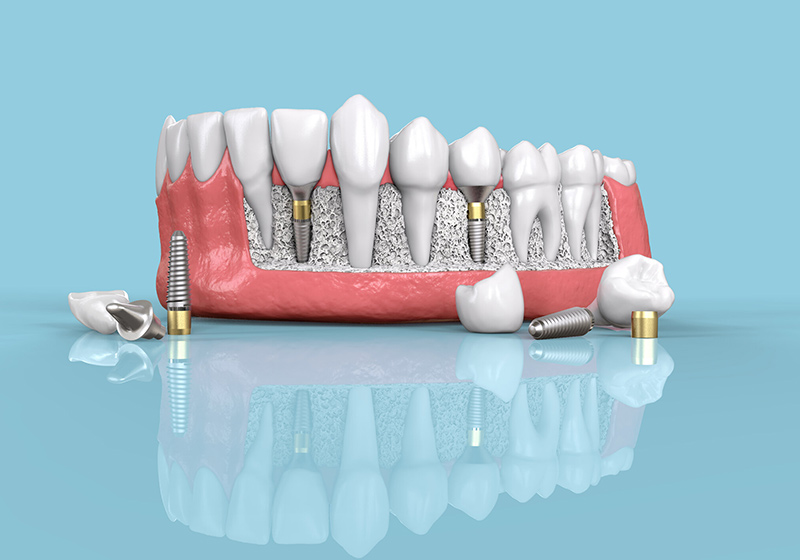
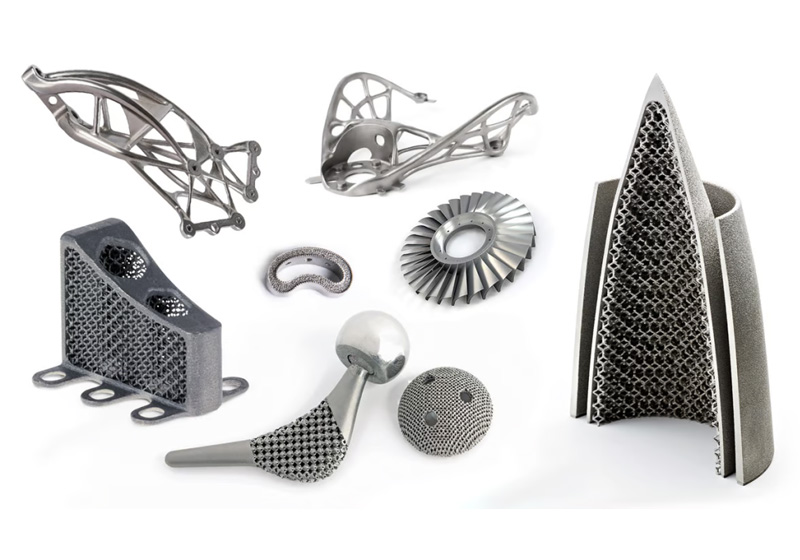
A 2mm titanium sheet is valued for its high strength-to-weight ratio, excellent corrosion resistance, and durability under extreme temperatures. These properties make it suitable for aerospace components, medical instruments, and high-performance industrial equipment.
However, these same characteristics present challenges during cutting and machining:
Understanding these material properties is crucial for selecting appropriate cutting and machining methods.
Mechanical cutting involves the use of saws, shears, or punches to shape titanium sheets. When using mechanical methods on a 2mm titanium sheet, several factors should be considered:
Mechanical cutting is suitable for straightforward shapes, but for complex designs or high-precision requirements, alternative methods may be preferred.
Laser cutting has become a widely adopted method for machining titanium sheets. For a 2mm titanium sheet, fiber or CO2 lasers provide high precision and clean edges. Advantages include:
However, precautions are necessary:
Laser cutting is often preferred in aerospace and medical industries due to its precision and minimal damage potential.
Waterjet cutting offers a cold-cutting alternative that eliminates heat-related concerns:
The main considerations are abrasive quality, water pressure, and feed rate to ensure smooth edges and prevent delamination.
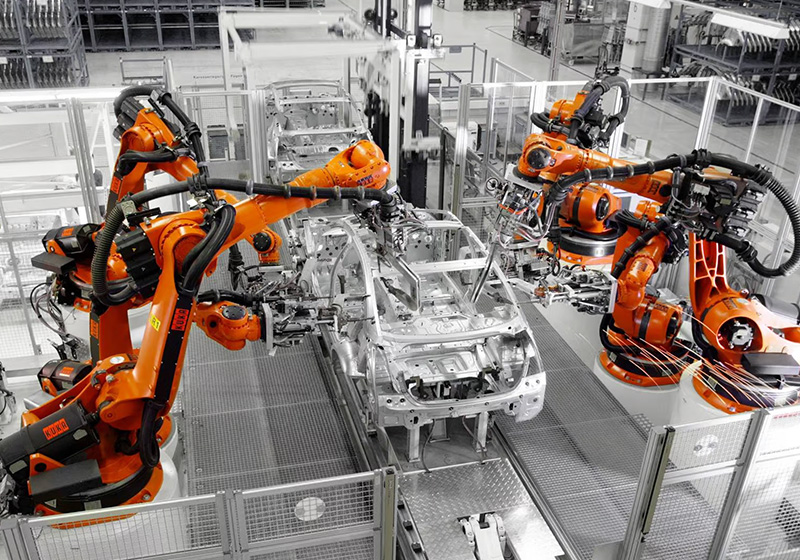
CNC milling or turning is commonly used when precise shaping or hole drilling is required:
CNC machining allows complex features without introducing micro-cracks or edge distortion, but it requires careful process optimization.
Selecting the right tool is fundamental:
Heat management is critical when machining titanium:
Securing the sheet properly prevents vibration and deformation:
After cutting or machining, additional steps may be necessary to ensure surface quality:
| Issue | Possible Cause | Recommended Solution |
|---|---|---|
| Burr formation | High feed rate, blunt tool | Reduce feed rate, sharpen or replace tool |
| Edge warping | Improper clamping, heat buildup | Use vacuum or soft-jaw clamps, optimize cooling |
| Surface discoloration | Excessive heat from laser or mechanical friction | Reduce laser power or cutting speed, use inert gas or coolant |
| Tool wear | High hardness of titanium, improper coating | Use carbide or coated tools, maintain proper cutting parameters |
| Cracking or micro-fractures | Work-hardening or high cutting force | Multiple passes, lower feed rate, proper lubrication |
Understanding these common issues allows operators to proactively prevent damage and improve efficiency.
By following these practices, manufacturers and engineers can achieve high-quality, precise cuts on a 2mm titanium sheet without compromising structural integrity.
Cutting and machining a 2mm titanium sheet requires careful attention to material properties, tool selection, and process parameters. Whether using mechanical, laser, waterjet, or CNC methods, proper planning, heat management, and workholding techniques are essential to prevent damage.
By understanding the characteristics of titanium and implementing best practices, engineers and manufacturers can achieve accurate, smooth, and durable results, ensuring the 2mm titanium sheet meets the strict requirements of high-performance industries.
Copyright © 2024 Changzhou Bokang Special Material Technology Co., Ltd. All Rights Reserved.
Custom Round Pure Titanium Rod Manufacturers Privacy