How does ams 4911 titanium sheet differ from other titanium alloys?
The demand for high-performance materials in aerospace, automotive, and industrial applications continues to grow, and titanium alloys have emerged as a leading choice due to their unique combination of strength, corrosion resistance, and lightweight properties. Among these alloys, ams 4911 titanium sheet has gained recognition for its specific mechanical and metallurgical characteristics.
Overview of ams 4911 titanium sheet
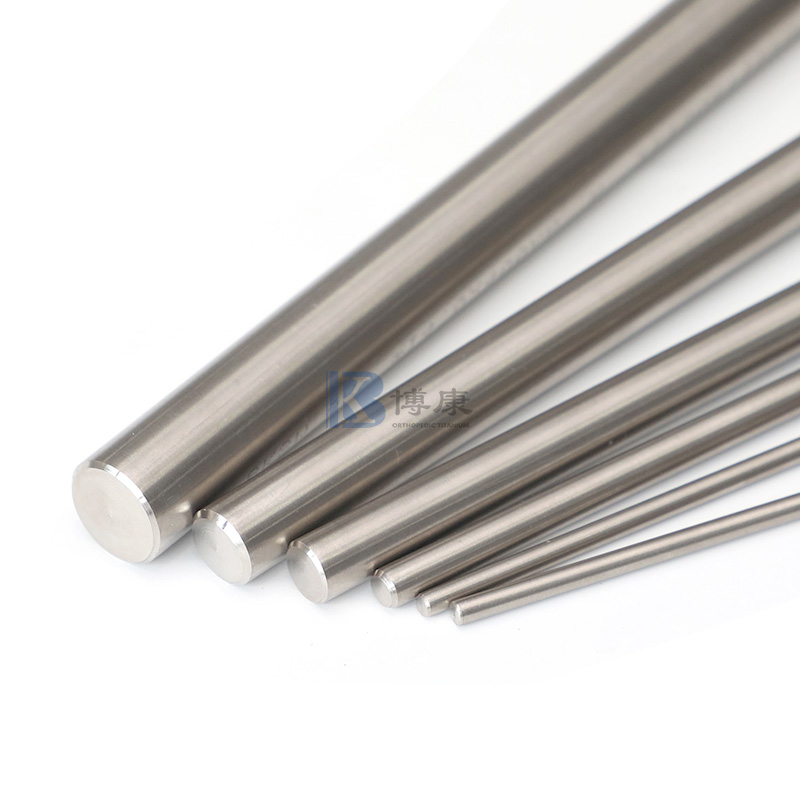
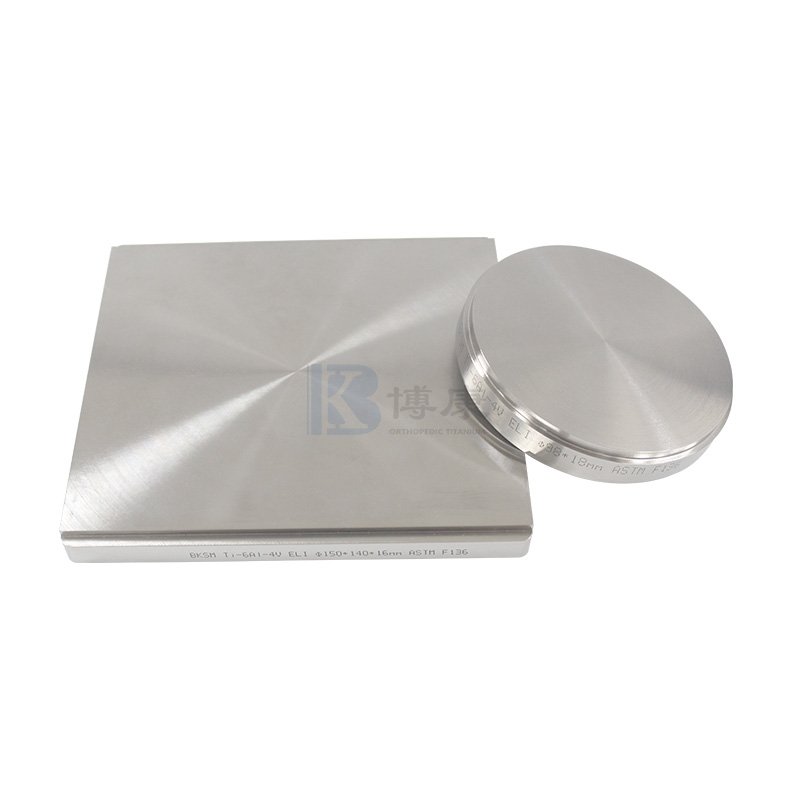
ams 4911 titanium sheet is a high-quality titanium alloy sheet widely used in aerospace, defense, and industrial applications. This alloy is primarily valued for its exceptional combination of strength, corrosion resistance, and formability, making it suitable for structural and high-performance components. The sheet form allows for versatility in fabrication processes such as forming, welding, and machining.
A defining feature of ams 4911 titanium sheet is its balanced performance profile, offering a compromise between high tensile strength and excellent corrosion resistance. This balance makes it distinct from some titanium alloys that prioritize either strength or corrosion resistance exclusively.
Chemical and metallurgical distinctions
One of the most significant ways ams 4911 titanium sheet differs from other titanium alloys is its specific metallurgical composition. Unlike commercially pure titanium grades, which are primarily focused on corrosion resistance, ams 4911 titanium sheet incorporates alloying elements that enhance its mechanical strength without significantly reducing corrosion resistance. This characteristic positions it between commercially pure grades and more exotic titanium alloys designed solely for ultra-high strength applications.
Compared to high-strength, low-alloy titanium sheets, ams 4911 titanium sheet offers a more balanced profile that enables easier fabrication and machining while still maintaining robust mechanical properties. This distinction is critical for industries that require both structural integrity and manufacturability, such as aerospace paneling and support structures.
Mechanical properties comparison
The mechanical properties of ams 4911 titanium sheet set it apart from many other titanium alloys. While high-strength titanium alloys may exceed ams 4911 titanium sheet in ultimate tensile strength, they often come with reduced ductility and increased challenges in forming processes. On the other hand, commercially pure titanium grades typically provide excellent corrosion resistance but lower strength.
ams 4911 titanium sheet achieves a balanced mechanical profile, offering sufficient tensile strength for demanding applications while maintaining elongation and formability that allow for complex component shaping. This makes it especially suitable for components that undergo bending, rolling, or intricate machining.
Property
ams 4911 titanium sheet
Other high-strength titanium alloys
Commercially pure titanium
Tensile strength
Moderate-high
High
Low-moderate
Ductility
Good
Lower
High
Corrosion resistance
High
Moderate
Very high
Formability
Excellent
Limited
Excellent
This table highlights how ams 4911 titanium sheet occupies a middle ground, offering a practical combination of properties that other grades may lack.
Corrosion resistance and environmental performance
Corrosion resistance is a critical factor when selecting titanium materials for aerospace, marine, and industrial applications. ams 4911 titanium sheet offers excellent resistance to oxidation, seawater, and atmospheric corrosion, making it suitable for long-term exposure in harsh environments.
Compared to high-strength titanium alloys, which may require protective coatings or special handling to prevent corrosion, ams 4911 titanium sheet often maintains its integrity without additional treatments. This characteristic simplifies maintenance and reduces lifecycle costs, a factor of considerable importance for procurement teams and material engineers.
Additionally, the surface finish of ams 4911 titanium sheet can enhance its corrosion resistance further. Smooth, polished sheets tend to perform better in aggressive environments than rougher finishes, providing both aesthetic and functional advantages.
Fabrication and formability
Another area where ams 4911 titanium sheet distinguishes itself is in fabrication versatility. Its metallurgical balance allows for easy cutting, bending, and welding, making it compatible with a wide range of manufacturing techniques.
Other titanium alloys, particularly those optimized for ultra-high strength, often pose challenges during fabrication. They may require specialized tools or controlled environments to avoid cracking or deformation during forming. In contrast, ams 4911 titanium sheet is more forgiving, allowing manufacturers to achieve precise dimensions and complex shapes without compromising material integrity.
This feature is especially advantageous in aerospace structural components, where tight tolerances and complex geometries are common. The ability to form intricate panels, brackets, and structural supports efficiently makes ams 4911 titanium sheet a preferred choice for many engineers.
Welding and joining characteristics
Welding titanium alloys can be challenging due to their reactivity at high temperatures. ams 4911 titanium sheet exhibits favorable welding characteristics, allowing for both fusion and resistance welding techniques with minimal risk of defects. Proper shielding gas usage and welding practices are necessary, but compared to some other titanium alloys, ams 4911 titanium sheet is less sensitive to contamination and cracking during the welding process.
This reliability in joining contributes to lower production costs and improved structural integrity, making it ideal for applications where welded assemblies are common. Additionally, it ensures consistent performance across different production batches, which is an important factor for quality assurance and supply chain management.
Applications and industry relevance
The practical advantages of ams 4911 titanium sheet are reflected in its broad range of applications. Key industries that benefit from this alloy include:
Aerospace: Structural panels, brackets, and fasteners
Defense: Lightweight armor and equipment components
Industrial: Corrosion-resistant machinery parts
Marine: Components exposed to seawater or humid environments
Its balanced mechanical and corrosion properties, combined with fabrication ease, make ams 4911 titanium sheet versatile for both prototype and large-scale production. Buyers and engineers often prioritize this alloy when performance consistency, durability, and manufacturability are critical.
Buyer considerations
When sourcing ams 4911 titanium sheet, buyers should consider several important factors:
Certification and standards: Ensure the sheet meets relevant aerospace or industrial material standards to guarantee quality and traceability.
Surface finish: Choose sheets with finishes appropriate for the intended application to maximize corrosion resistance and performance.
Dimensional tolerances: Verify thickness, width, and flatness tolerances, as these impact fabrication and assembly.
Batch consistency: Reliable suppliers provide consistent metallurgical properties across production batches, ensuring predictable performance.
Price-performance balance: While ams 4911 titanium sheet may not be the cheapest option, its overall value in terms of durability, strength, and manufacturability often outweighs initial cost considerations.
By addressing these factors, procurement teams can secure materials that meet both technical and operational requirements.
Comparison summary
In summary, ams 4911 titanium sheet differentiates itself from other titanium alloys through a unique combination of properties:
Balanced strength and ductility that supports complex fabrication.
High corrosion resistance suitable for harsh environments.
Welding and machining friendliness, reducing manufacturing risks.
Versatile application potential across aerospace, defense, industrial, and marine sectors.
This combination makes ams 4911 titanium sheet a preferred choice for projects requiring reliable performance without extreme specialization.
Feature
ams 4911 titanium sheet
Typical high-strength titanium alloy
Commercially pure titanium
Strength
Moderate-high
Very high
Low-moderate
Ductility
Good
Limited
High
Corrosion resistance
High
Moderate
Very high
Fabrication ease
High
Moderate
High
Welding
Favorable
Challenging
Favorable
Conclusion
Understanding the distinctions between ams 4911 titanium sheet and other titanium alloys is essential for engineers, buyers, and material specialists. Its balanced performance profile—combining strength, corrosion resistance, and manufacturability—offers a practical solution for demanding applications. While other titanium grades may excel in specific areas, ams 4911 titanium sheet provides a comprehensive package that supports efficient fabrication, durable performance, and cost-effective production. For industries such as aerospace, defense, and industrial manufacturing, selecting ams 4911 titanium sheet ensures reliability and long-term performance without compromising on key operational requirements.

 Send Inquiry


 EN
EN
 English
 日本語
日本語 한국어
한국어 Español
 عربى
عربى русский
 Deutsch
 中文简体
中文简体