How does a 6mm titanium rod differ from a 5mm or 8mm titanium rod?
Titanium rods are widely used across industries due to their exceptional strength-to-weight ratio, corrosion resistance, and durability. Among the various sizes available, the 6mm titanium rod stands out for its versatility, striking a balance between mechanical performance and ease of handling. When comparing it with other common sizes, such as 5mm titanium rod and 8mm titanium rod, several differences emerge in terms of mechanical properties, applications, and manufacturing considerations.
Overview of titanium rods
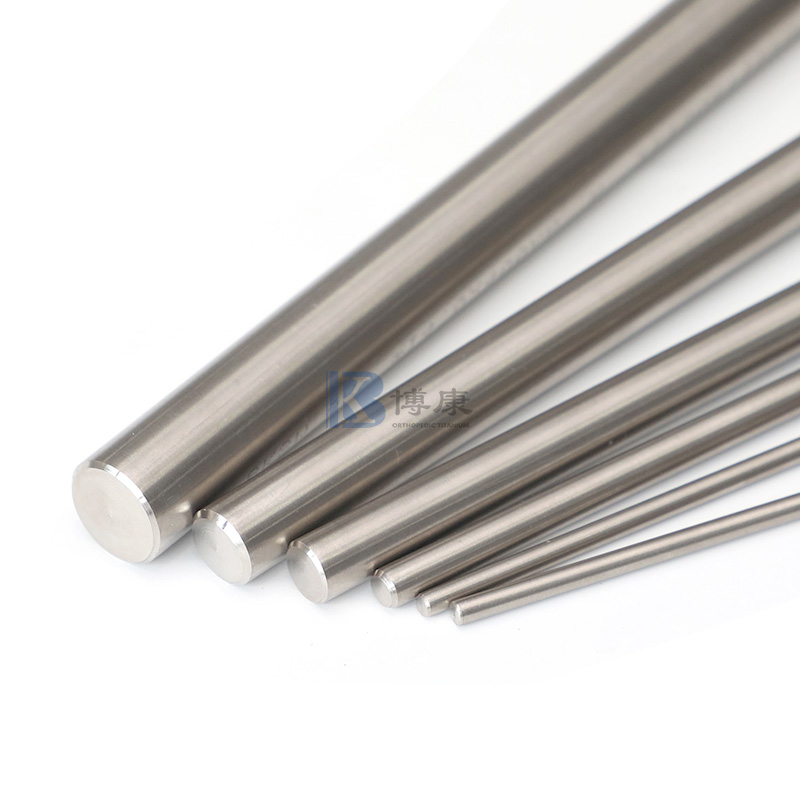
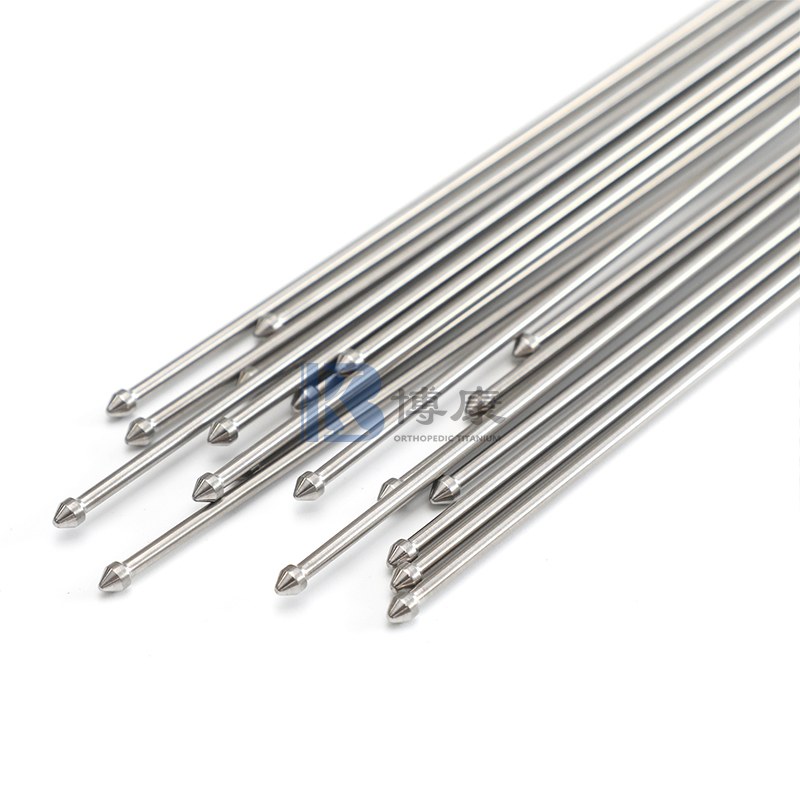
Titanium rods are elongated cylindrical bars made from titanium alloys, typically produced through extrusion, forging, or rolling processes. They are prized in industries such as aerospace, medical devices, automotive, and chemical processing. The choice of rod diameter influences not only mechanical properties but also ease of machining, installation, and overall cost.
The 6mm titanium rod is often regarded as a mid-sized option, balancing flexibility and strength, while 5mm titanium rod tends to be lighter and easier to shape, and 8mm titanium rod offers greater rigidity and load-bearing capacity. The following sections examine these differences in detail.
Physical and mechanical differences
Diameter and weight considerations
The most obvious difference among 5mm, 6mm, and 8mm titanium rods is their diameter, which directly affects weight, cross-sectional area, and structural performance.
5mm titanium rod: Lighter, easier to handle, suitable for applications requiring flexibility and reduced material usage.
6mm titanium rod: Offers a balance of strength and manageability, making it versatile across multiple industrial applications.
8mm titanium rod: Heavier and more rigid, often preferred in structural applications where higher load capacity is required.
A larger diameter generally increases a rod’s resistance to bending, deformation, and fatigue, which can be crucial for engineering projects involving mechanical stress or repeated loads.
Strength and flexibility
The 6mm titanium rod possesses intermediate strength compared with 5mm and 8mm rods. While a 5mm rod provides sufficient strength for lightweight applications, it may not withstand the same level of stress as a 6mm rod in demanding conditions. Conversely, the 8mm rod is stronger but less flexible, which can complicate installation in applications requiring precise fitting or curved assembly.
Corrosion resistance
Titanium is inherently corrosion-resistant, and this property is generally consistent across rod sizes. However, diameter influences surface-to-volume ratio, which can affect reaction rates in certain chemical environments. A 6mm titanium rod often offers an optimal surface balance for applications requiring both durability and handling efficiency.
Manufacturing and production considerations
Material selection and alloy grades
Titanium rods can be produced from commercially pure titanium or titanium alloys. The choice of alloy impacts strength, corrosion resistance, and machinability. For all diameters, including the 6mm titanium rod, manufacturers often select grades suitable for specific industrial requirements, such as aerospace or chemical processing.
Production methods
The production of a 6mm titanium rod typically involves precision extrusion, forging, or cold rolling, followed by heat treatment to enhance mechanical properties. Comparatively:
5mm titanium rod: Often easier to produce due to smaller material volume and simpler extrusion requirements.
8mm titanium rod: Requires more energy and careful handling to avoid defects like voids or internal stresses.
Precision in diameter and surface finish is critical across all sizes to ensure performance consistency, particularly for applications in aerospace, medical, or high-stress mechanical systems.
Surface finish and tolerances
The surface quality of a 6mm titanium rod is crucial for machining, welding, and finishing processes. Tight tolerances ensure a consistent diameter, which is essential for assembly and load-bearing applications. While smaller rods like 5mm titanium rod may be slightly easier to maintain within tolerance, the 6mm rod is well-suited for applications where moderate precision and structural performance are required.
Applications across industries
Aerospace and aviation
Titanium rods, including 6mm titanium rod, are extensively used in airframe components, fasteners, and mechanical linkages. A 6mm rod strikes a balance between weight and strength, making it ideal for non-critical structural elements that require both durability and manageable weight.
In comparison, a 5mm titanium rod may be used for instrument components or lightweight fixtures, whereas an 8mm titanium rod supports heavier load-bearing elements, such as landing gear brackets or reinforcement structures.
Medical and dental applications
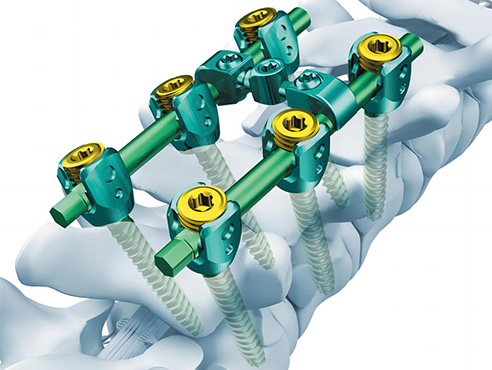
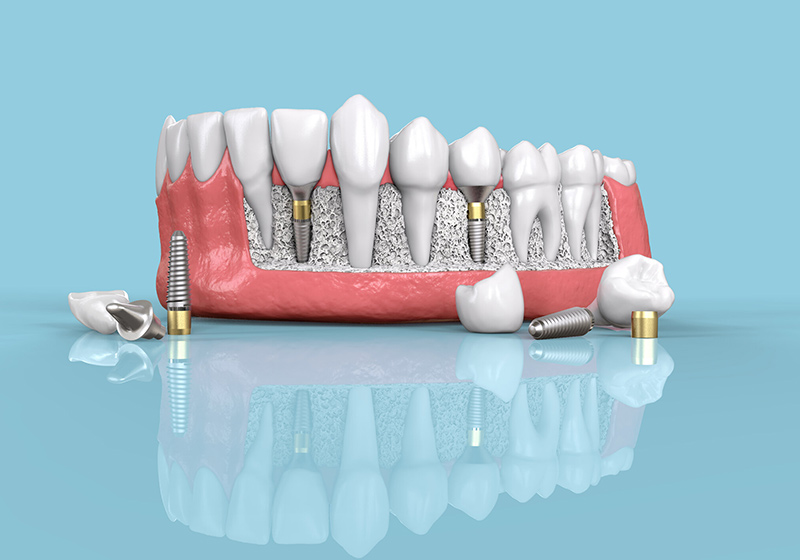
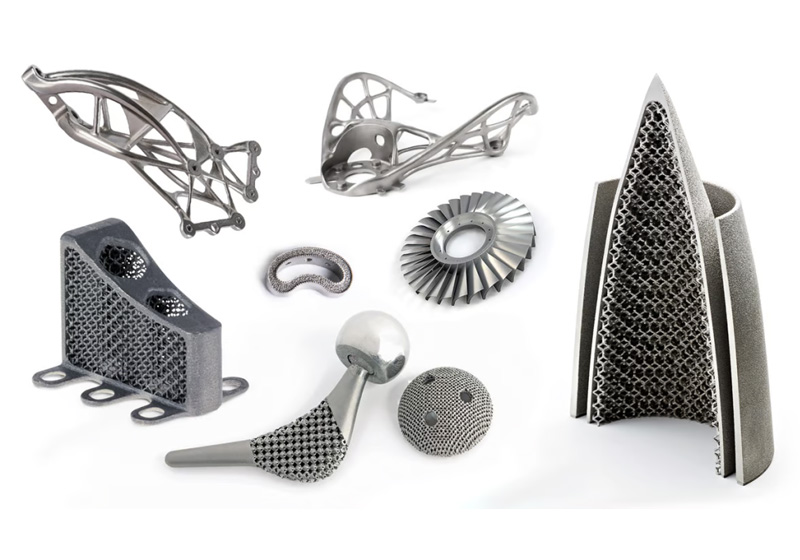
Titanium rods are highly biocompatible, which allows their use in orthopedic implants, surgical instruments, and dental frameworks. A 6mm titanium rod offers sufficient rigidity for bone fixation or implant support, while 5mm rods may be used for less structurally demanding implants. 8mm rods are generally reserved for larger load-bearing implants, such as spinal or joint reconstruction.
Automotive and engineering uses
In automotive and mechanical engineering applications, 6mm titanium rod is valued for lightweight yet strong components, such as suspension elements, connecting rods, and fasteners. The rod’s size provides strength without excessive weight, offering better handling and performance. The 5mm rod is often employed in minor components, while the 8mm rod may be used in critical structural parts where load-bearing capacity is a priority.
Chemical and marine industries
Titanium rods resist oxidation and corrosion, making them suitable for chemical processing equipment, marine fasteners, and heat exchangers. The 6mm titanium rod is versatile, balancing corrosion resistance, strength, and machinability, while the 5mm rod is lighter and easier to install in confined spaces, and the 8mm rod withstands harsher chemical or marine environments.
Handling, machining, and installation considerations
Machinability
Titanium is notoriously challenging to machine due to its strength and low thermal conductivity. The 6mm titanium rod offers a good compromise between size and machinability:
Easier to secure in tooling than an 8mm rod.
Less prone to bending than a 5mm rod during cutting or drilling.
Machining processes should consider cutting speed, tool material, and lubrication to minimize tool wear and maintain surface quality.
Bending and forming
When precise bending or forming is required, the 6mm titanium rod provides sufficient flexibility without compromising strength. The 5mm rod bends more easily but may risk permanent deformation under load, while the 8mm rod requires higher force and specialized equipment to shape.
Welding and joining
Welding a 6mm titanium rod requires controlled environments to prevent oxidation and contamination, particularly in aerospace or medical applications. Welding 5mm rods is easier due to lower thermal mass, whereas 8mm rods require careful heat control to avoid structural compromise.
Cost and procurement considerations
The cost of titanium rods is influenced by material grade, diameter, production process, and market demand. Typically:
5mm titanium rod: Lower cost due to smaller material volume.
6mm titanium rod: Mid-range cost, balancing performance and affordability.
8mm titanium rod: Higher cost due to greater material usage and handling requirements.
Buyers should consider not only purchase cost but also installation, machining, and long-term performance. The 6mm titanium rod often represents a practical choice for projects requiring a balance of cost, strength, and versatility.
Summary of differences
Aspect
5mm titanium rod
6mm titanium rod
8mm titanium rod
Diameter
Smaller
Mid-range
Larger
Weight
Light
Moderate
Heavy
Flexibility
High
Moderate
Low
Strength
Moderate
Moderate-high
High
Machinability
Easier
Moderate
Harder
Applications
Lightweight components
General industrial use
Load-bearing applications
Cost
Lower
Moderate
Higher
Conclusion
The 6mm titanium rod occupies a versatile position among titanium rods, bridging the gap between the lighter 5mm titanium rod and the stronger 8mm titanium rod. Its balanced properties, including strength, flexibility, corrosion resistance, and machinability, make it suitable for a wide range of industries, from aerospace and medical to automotive and chemical engineering.
When selecting a titanium rod, understanding the differences in mechanical performance, handling characteristics, and application requirements is essential. The 6mm titanium rod often represents the optimal compromise between performance and practicality, making it a preferred choice for projects that require both reliability and ease of integration.
By considering the specific demands of an application, engineers and buyers can make informed decisions that optimize material performance, longevity, and cost-efficiency.

 Send Inquiry


 EN
EN
 English
 日本語
日本語 한국어
한국어 Español
 عربى
عربى русский
 Deutsch
 中文简体
中文简体