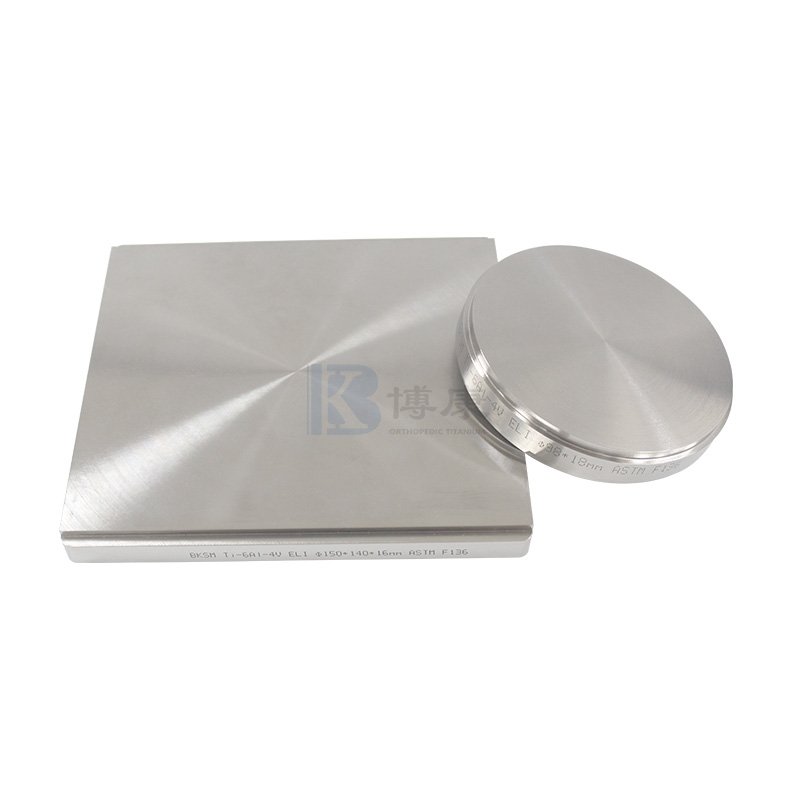
Titanium sheet metal is widely used in industries such as aerospace, medical, chemical processing, and automotive due to its exceptional strength-to-weight ratio, corrosion resistance, and biocompatibility. However, selecting and working with titanium sheet metal requires careful consideration of material quality, thickness, grade, fabrication methods, and comparative advantages over other metals.
When purchasing titanium sheet metal, ensuring material integrity is crucial. Common quality concerns include surface defects, dimensional inconsistencies, contamination, and certification reliability.
Scratches, pits, or discoloration may occur during manufacturing, handling, or storage. While minor imperfections may not affect structural integrity, severe defects can compromise fatigue resistance, particularly in aerospace or medical applications. Buyers should inspect sheets for uniformity and request mill test reports (MTRs) to verify surface quality.
Titanium sheet metal must adhere to precise thickness tolerances, especially in high-performance applications. Variations beyond ±0.05mm in thin titanium sheet (e.g., 0.5 mm titanium sheet) can lead to assembly issues. Warping, often caused by residual stress from rolling processes, may require additional flattening treatments.
Exposure to high temperatures or improper storage can lead to surface oxidation, reducing corrosion resistance. Contaminants like iron or carbon residues from machining tools may also embed into the material, affecting weldability. Proper handling in clean environments and passivation treatments can mitigate these risks.
Industries like aerospace require compliance with standards such as AMS 4911 titanium sheet. Buyers should verify material certifications, including chemical composition and mechanical property reports, to ensure traceability and compliance with industry specifications.
Selecting the appropriate thickness involves balancing mechanical requirements, weight constraints, and cost considerations.
Titanium sheet metal is available in thicknesses ranging from titanium foil sheet (0.1mm) to titanium plate sheet (over 6mm). Common options include:
| Thickness | Typical Applications |
|---|---|
| 0.5 mm titanium sheet | Electronics, lightweight enclosures |
| 1mm titanium sheet | Medical implants, heat exchangers |
| 3mm titanium sheet | Aerospace structural components |
| 4x8 titanium sheet (standard size) | Industrial fabrication |
Thinner sheets (e.g., 2mm titanium sheet) reduce weight but may require reinforcement in load-bearing applications. Conversely, thicker sheets (e.g., 6Al-4V titanium sheet) offer higher strength but increase material costs.
Thinner gauges reduce material expenses but may increase machining costs due to handling challenges. Buyers should evaluate total project costs rather than sheet price alone.
Titanium grades are categorized by composition and mechanical properties.
The most widely used titanium alloy sheet, offering excellent strength and corrosion resistance. Common in aerospace and medical implants.
Enhanced corrosion resistance for chemical processing equipment.
Medical-grade titanium with improved biocompatibility for surgical implants.
Titanium is prone to contamination from oxygen, nitrogen, and hydrogen, leading to embrittlement. TIG welding under argon shielding is the most reliable method.
Stress-relief annealing may be necessary to restore ductility after machining.
| Property | Titanium | Stainless Steel | Aluminum |
|---|---|---|---|
| Strength-to-weight ratio | Best | Moderate | Lowest |
| Corrosion resistance | Excellent | Good | Poor (without coating) |
| Cost | Highest | Moderate | Lowest |
| Thermal conductivity | Low | Moderate | High |
Titanium outperforms in harsh environments but is cost-prohibitive for budget-sensitive projects.
Selecting titanium sheet metal requires evaluating quality, thickness, grade, fabrication methods, and comparative advantages. By addressing these factors, buyers can optimize performance and cost-efficiency for their applications.
Copyright © 2024 Changzhou Bokang Special Material Technology Co., Ltd. All Rights Reserved.
Custom Round Pure Titanium Rod Manufacturers Privacy