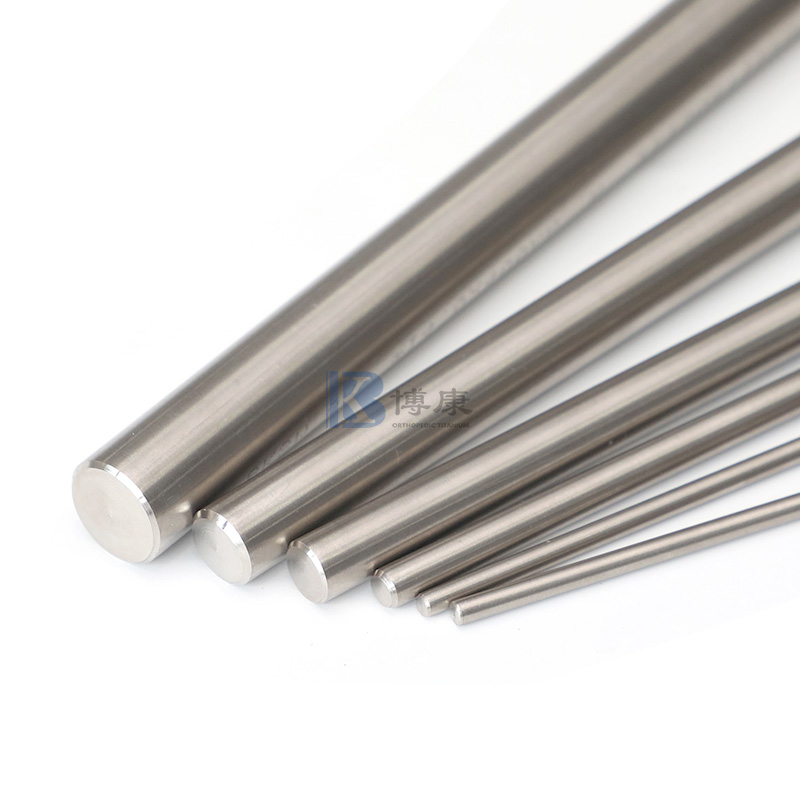
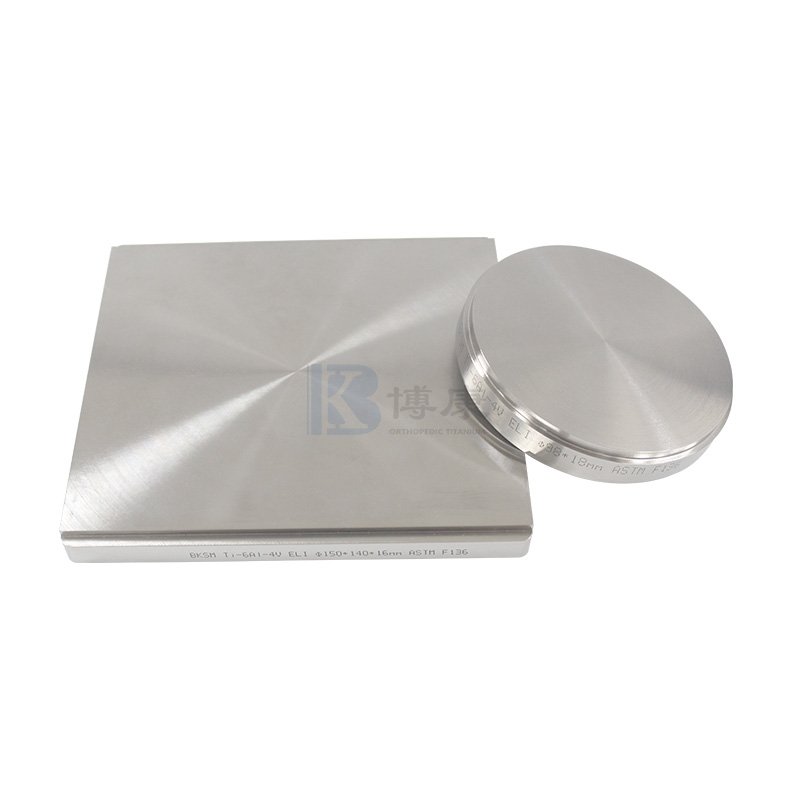
Titanium sheet plate is a highly versatile material known for its exceptional strength-to-weight ratio, corrosion resistance, and biocompatibility. It is widely used across industries such as aerospace, medical, marine, and chemical processing due to its unique properties.
What Are the Common Applications of Titanium Sheet Plate?
Titanium sheet plate is a highly sought-after material due to its exceptional strength-to-weight ratio, corrosion resistance, and biocompatibility. Its versatility allows it to be used across a wide range of industries, each benefiting from its unique properties.
Aerospace & Aviation
The aerospace industry extensively uses titanium sheets due to their lightweight nature and high strength. Aircraft components such as fuselage panels, engine casings, and landing gear benefit from titanium’s ability to withstand extreme temperatures and stress. The material’s fatigue resistance makes it ideal for critical structural parts, while its compatibility with carbon fiber composites enhances modern aircraft design.
Medical & Dental Fields
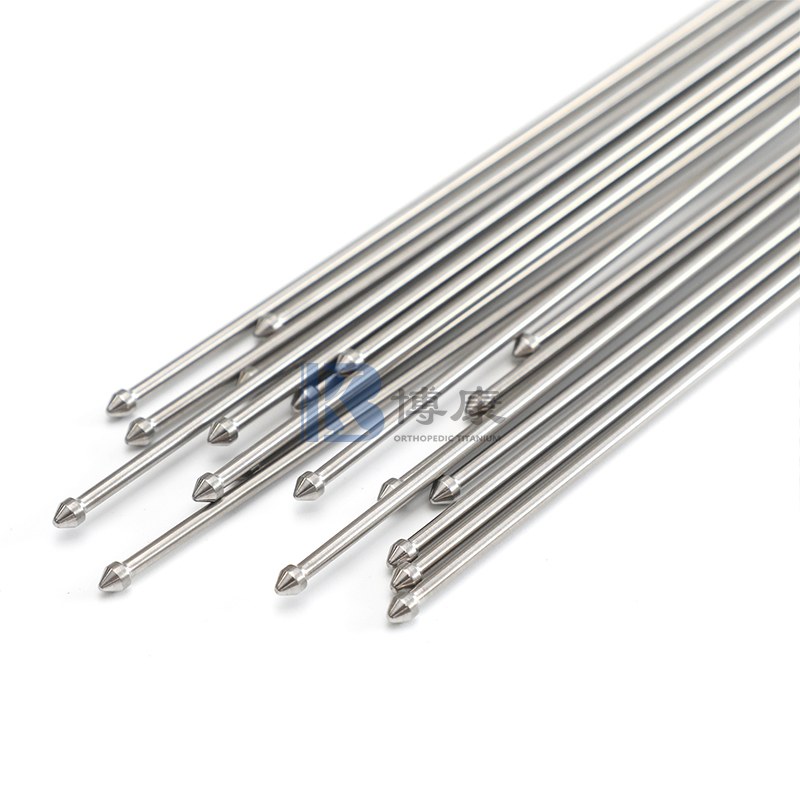
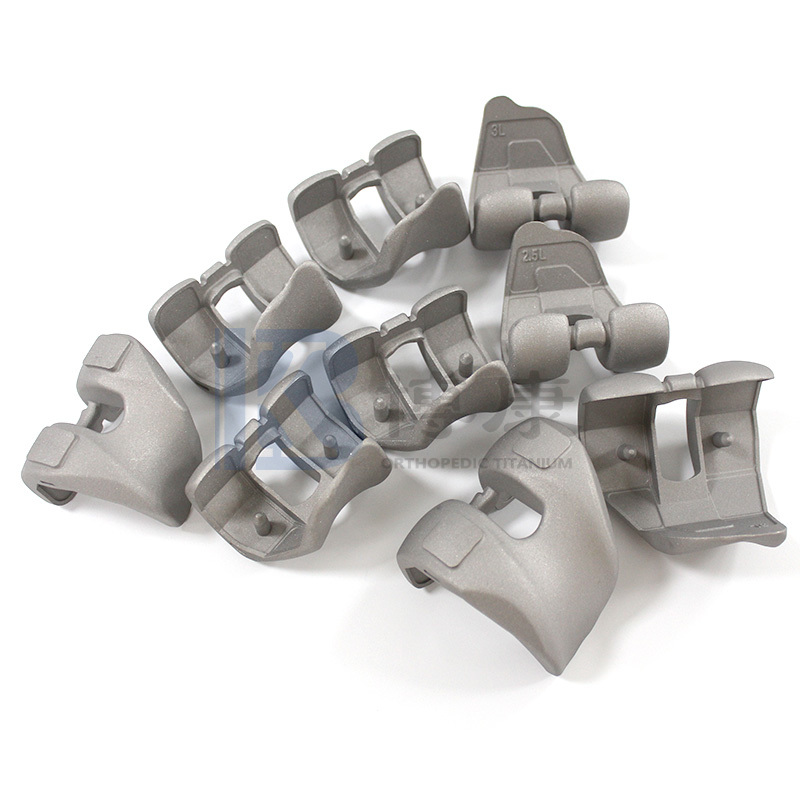
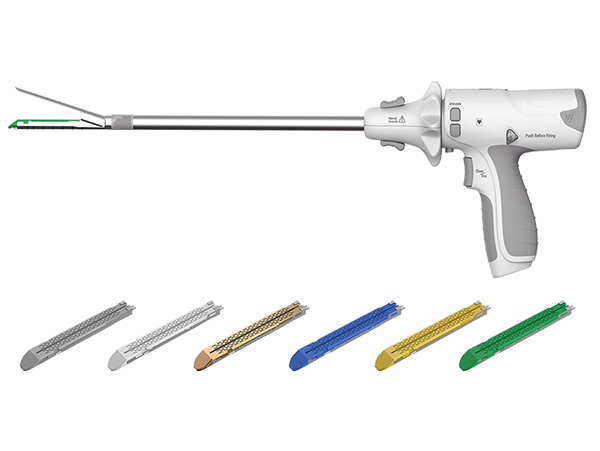
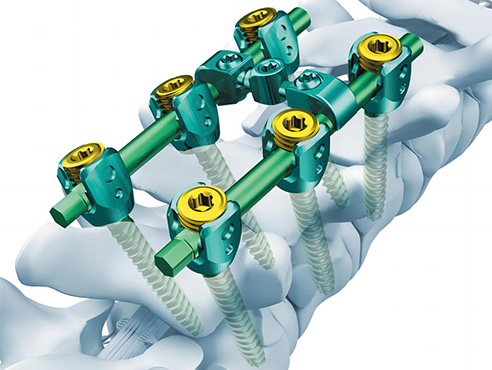
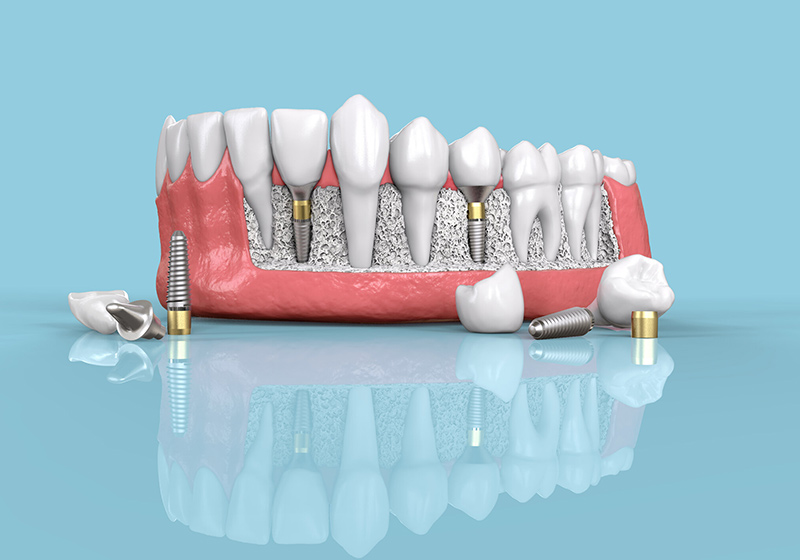
Titanium’s biocompatibility makes it the material of choice for medical implants, including hip replacements, bone screws, and dental implants. Its resistance to bodily fluids ensures long-term stability without adverse reactions. Thin titanium sheets (such as 1mm titanium sheet) are used in surgical instruments, while grade 5 titanium sheet (6Al-4V) is preferred for load-bearing implants due to its superior strength.
Marine & Offshore Applications
Saltwater environments are highly corrosive, yet titanium sheet plate remains unaffected, making it perfect for shipbuilding, offshore oil rigs, and desalination plants. Unlike steel, titanium does not require protective coatings, reducing maintenance costs. Applications include heat exchangers, propeller shafts, and underwater piping systems.
Chemical & Petrochemical Industry
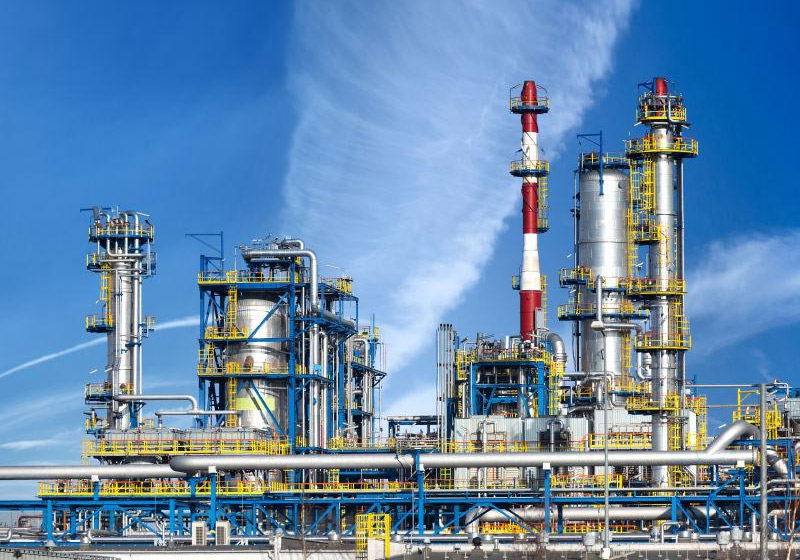
Titanium’s resistance to acids, chlorides, and other aggressive chemicals makes it indispensable in chemical processing plants. It is used in reactors, storage tanks, and piping systems where materials like stainless steel or nickel alloy seamless pipe might fail over time. Grade 7 titanium sheet, with added palladium, offers enhanced resistance to reducing acids.
Automotive & Motorsports
High-performance vehicles and racing cars utilize titanium sheets for exhaust systems, suspension components, and body panels. The material’s heat resistance and lightweight properties improve fuel efficiency and performance. Polished titanium sheet is also used in luxury vehicles for aesthetic appeal.
Architecture & Consumer Goods
Architects favor titanium for roofing, cladding, and façades due to its durability and sleek appearance. Its resistance to weathering ensures long-lasting structures. In consumer products, titanium is used in premium watches (often marketed as titanium gold sheet), eyewear frames, and high-end electronics.
Military & Defense
Military applications include armor plating for vehicles and aircraft, as well as components for submarines and missiles. Titanium’s ability to absorb impact while remaining lightweight enhances protection without compromising mobility.
Energy Sector
In power generation, particularly in geothermal and nuclear plants, titanium sheets are used in condensers, heat exchangers, and turbine blades due to their resistance to high temperatures and corrosive media.
Summary of Key Applications
Industry
Common Uses of Titanium Sheet Plate
Aerospace
Fuselage panels, engine components, structural parts
Medical
Implants, surgical tools, prosthetics
Marine
Ship hulls, heat exchangers, piping
Chemical Processing
Reactors, storage tanks, piping
Automotive
Exhaust systems, lightweight body panels
Architecture
Roofing, cladding, façades
Military
Armor plating, missile components
Energy
Heat exchangers, turbine components
The widespread use of titanium sheet plate across industries highlights its unmatched properties. Whether in aerospace, medical, marine, or industrial applications, titanium provides a combination of strength, corrosion resistance, and longevity that few materials can match.
How Does Titanium Sheet Plate Compare to Steel and Aluminum?
When selecting materials for industrial or structural applications, engineers often evaluate titanium sheet plate against steel and aluminum—the two most common alternatives. Each material has distinct advantages and limitations, making them suitable for different applications.
Strength-to-Weight Ratio
One of titanium’s most significant advantages is its exceptional strength-to-weight ratio. While high-strength steel alloys can surpass titanium in absolute tensile strength, titanium is about 45% lighter than steel at comparable strength levels. This makes it ideal for aerospace, automotive, and marine applications where weight reduction is critical.
Aluminum, while lighter than titanium, lacks comparable strength. For instance, Grade 5 titanium (6Al-4V sheet) has a tensile strength nearly twice that of 6061 aluminum, meaning thinner titanium sheets can often achieve the same structural performance as thicker aluminum plates.
Corrosion Resistance
Unlike steel, which requires coatings or alloying (e.g., stainless steel) to resist rust, titanium naturally forms a protective oxide layer when exposed to oxygen. This makes it highly resistant to:
Saltwater (ideal for marine applications)
Chlorine and acidic environments (common in chemical processing)
Industrial pollutants (beneficial for architectural uses)
Aluminum also resists corrosion but is vulnerable to galvanic corrosion when paired with dissimilar metals. Steel, unless stainless or treated, corrodes easily in humid or chemically aggressive environments.
Temperature Performance
Titanium maintains its strength at both high and low temperatures, outperforming aluminum, which weakens significantly above 150°C (302°F). Steel retains strength at high temperatures but becomes brittle in extreme cold. This makes titanium suitable for:
Jet engine components (high heat)
Cryogenic storage tanks (low temperatures)
Machinability & Fabrication
Steel is generally easier to machine and weld than titanium.
Aluminum is the most machinable of the three, allowing for high-speed cutting and forming.
Titanium is more challenging due to its tendency to work-harden. Specialized tools (carbide or diamond-coated) and slower machining speeds are required.
Welding titanium demands an inert gas shield (argon) to prevent contamination, whereas steel and aluminum are more forgiving.
Cost Considerations
Material costs follow this general order (from most to least expensive):
Titanium sheet plate (Highest due to extraction and processing difficulty)
Stainless steel sheet (Moderate, depending on alloy)
Aluminum sheet (Most economical)
While titanium sheet price per kg is significantly higher than steel or aluminum, its longevity and reduced maintenance (no coatings needed) can offset costs in demanding environments.
Highly corrosive environments (Marine, chemical plants)
Extreme temperature conditions (Jet engines, cryogenics)
For budget-sensitive projects where weight is not a concern, steel or aluminum may be more practical. However, in high-performance industries, titanium sheet metal often proves to be the superior long-term investment.
What Are the Different Grades of Titanium Sheet Plate Available?
Titanium sheet plates are manufactured in various grades to meet specific industrial requirements. These grades differ in chemical composition, mechanical properties, and corrosion resistance, making each suitable for particular applications.
Commercially Pure (CP) Titanium Grades
The CP grades represent the purest forms of titanium, classified by their oxygen content which directly affects strength:
Grade 1 (UNS R50250)
Softest and most ductile titanium grade
Excellent corrosion resistance and formability
Typical applications: Chemical processing equipment, marine components, and architectural cladding
Grade 2 (UNS R50400)
Most widely used CP titanium grade
Balanced strength and formability
Common uses: Heat exchangers, desalination plants, and medical implants
Uses: Heat exchangers, chemical processing equipment
Specialized Titanium Alloys
For extreme environments and specialized applications:
Grade 23 (6Al-4V ELI)
Extra-low interstitial version of Grade 5
Improved fracture toughness
Medical industry: Dental implants, joint replacements
Grade 29 (6Al-4V-Ru)
Grade 5 with ruthenium addition
Enhanced crevice corrosion resistance
Offshore and marine applications
Aerospace-Specific Grades
These grades meet stringent aerospace specifications:
AMS 4901 (Grade 1)
AMS 4902 (Grade 2)
AMS 4911 (Grade 5)
AMS 4907 (Grade 9)
Selection Considerations
When choosing a titanium sheet grade, consider:
Mechanical Requirements - Strength, ductility, and fatigue resistance needs
Corrosion Environment - Exposure to chemicals, saltwater, or high temperatures
Fabrication Needs - Weldability, formability, and machinability
Industry Standards - Compliance with ASTM, AMS, or other specifications
Cost Factors - Pure grades vs. alloyed variants
Grade Comparison Table
Grade
Type
Key Characteristics
Typical Applications
Grade 1
CP
Excellent formability, lowest strength
Chemical processing, marine
Grade 2
CP
Balanced properties
Heat exchangers, medical
Grade 5
Alloy
High strength
Aerospace, medical implants
Grade 7
CP+Pd
Superior corrosion resistance
Chemical industry
Grade 9
Alloy
Good strength/formability
Aircraft systems
Grade 12
Alloy
High temp resistance
Heat exchangers
Grade 23
Alloy
Medical-grade
Orthopedic implants
The diverse range of titanium sheet grades ensures suitability for virtually any industrial application. From the highly formable Grade 1 to the ultra-strong Grade 5 alloy, each variant offers unique benefits. For critical applications, consulting material specifications and industry standards (such as ASTM B265 for sheet requirements) is essential to ensure optimal performance and longevity.
How Do You Cut, Weld, and Machine Titanium Sheet Plate Effectively?
Titanium sheet plate requires specialized fabrication techniques due to its unique material properties. While offering exceptional strength and corrosion resistance, titanium presents distinct challenges in cutting, welding, and machining compared to more common metals like steel or aluminum.
Cutting Titanium Sheet Plate
Several precision cutting methods are suitable for titanium sheets, each with specific advantages:
1. Laser Cutting
Ideal for sheets up to 25mm thickness
Produces clean edges with minimal heat-affected zone (HAZ)
Requires inert gas shielding (argon or nitrogen) to prevent oxidation
Best for complex shapes in thin titanium sheet (0.5mm-5mm)
2. Water Jet Cutting
Cold-cutting process eliminates thermal distortion
Handles all titanium grades and thicknesses
No HAZ or material property changes
Preferred for thick titanium sheet plate (over 10mm)
3. Plasma Cutting
Cost-effective for medium-thickness sheets (3-15mm)
Punching: Requires polished dies and minimal clearance
Forming: Needs generous bend radii (3-5x material thickness)
Drilling: Peck drilling with frequent tool retraction
Safety Considerations
Titanium fabrication presents unique hazards:
Fire Risk: Fine chips are pyrophoric
Dust Inhalation: Requires proper ventilation
Eye Protection: Essential when cutting/welding
Post-Processing Techniques
After fabrication, several finishing options exist:
Chemical Etching: Removes alpha case from heat-affected zones
Electropolishing: Improves surface finish and corrosion resistance
Passivation: Enhances oxide layer formation
Mechanical Finishing: Vibratory or abrasive methods for edge refinement
Troubleshooting Common Issues
Problem
Cause
Solution
Excessive tool wear
Improper speeds/feeds
Reduce RPM, increase feed
Poor weld quality
Insufficient shielding
Improve gas coverage
Cracking during bending
Too small radius
Increase bend radius
Discolored welds
Oxygen contamination
Better purge control
Galling during forming
Insufficient lubrication
Use titanium-specific forming compounds
Best Practices Summary
Always maintain clean working surfaces - Titanium is highly reactive
Use sharp tools and replace frequently - Dull tools cause work hardening
Control heat input - Prevents metallurgical changes
Implement proper chip management - Reduces fire risk
Follow industry standards - Refer to ASTM B381 for fabrication guidelines
By adhering to these specialized techniques, fabricators can successfully work with titanium sheet plate while maintaining its exceptional properties. The additional effort required for titanium processing is justified by the superior performance characteristics of the finished components, particularly in demanding aerospace, medical, and industrial applications. Proper handling and processing ensure that titanium’s advantages are fully realized in the final product.
What Are the Corrosion Resistance Properties of Titanium Sheet Plate?
Titanium’s exceptional corrosion resistance makes it one of the most durable materials for harsh environments. This section examines the science behind titanium’s corrosion resistance, its performance in various media, and how it compares to other corrosion-resistant materials.
The Science of Titanium’s Corrosion Resistance
Titanium’s corrosion resistance stems from its ability to form a stable, protective oxide layer:
Passive Oxide Layer Formation: When exposed to oxygen, titanium spontaneously forms a 3-7 nanometer thick TiO₂ layer
Self-Healing Property: The oxide layer regenerates instantly if damaged
Chemical Stability: The TiO₂ layer is insoluble in most environments
This passive film gives titanium outstanding resistance to:
Uniform corrosion
Pitting corrosion
Crevice corrosion
Stress corrosion cracking
Corrosion Performance in Specific Environments
1. Seawater and Marine Applications
Completely resistant to saltwater corrosion at all temperatures
Immune to microbiologically influenced corrosion (MIC)
Superior to stainless steels in splash zones
No fouling or biocorrosion issues
2. Chemical Processing
Excellent resistance to:
Chlorides (including wet chlorine)
Oxidizing acids (nitric, chromic)
Organic acids
Limited resistance to:
Hydrofluoric acid
Dry chlorine gas
Hot concentrated sulfuric acid
3. Industrial Atmospheres
Resists:
SO₂ pollution
Acid rain
Industrial emissions
Maintains appearance without protective coatings
4. High Temperature Environments
Stable oxide layer up to 600°F (315°C)
Resists scaling in steam and flue gases
Superior to stainless steels in many high-temp applications
Comparative Corrosion Resistance
Environment
Titanium
316 Stainless
Nickel Alloys
Aluminum
Seawater
Excellent
Good
Excellent
Poor
Chlorine
Excellent
Fair
Good
Poor
Nitric Acid
Excellent
Excellent
Good
Fair
Sulfuric Acid
Fair
Poor
Excellent
Poor
HCl
Poor
Poor
Excellent
Poor
Factors Affecting Corrosion Resistance
Alloy Composition
Grade 7 (Ti-0.2Pd) offers enhanced resistance to reducing acids
Grade 12 (Ti-0.3Mo-0.8Ni) improves performance in hot chloride solutions
Surface Condition
Polished surfaces resist pitting better than rough finishes
Cleanliness is critical - contaminants can initiate corrosion
Temperature
Performance decreases above 300°F (150°C) in certain acids
Maintains resistance in boiling seawater
pH Levels
Most stable in pH range of 3-12
Susceptible to corrosion in strong alkalis (pH >12)
Special Corrosion Considerations
Galvanic Corrosion
Titanium is cathodic to most metals
Can accelerate corrosion of coupled metals like aluminum
Proper insulation required in mixed-metal systems
Crevice Corrosion
Possible in tight gaps with stagnant solutions
Grades 7, 12, and 16 resist crevice corrosion better
Hydrogen Embrittlement
Can occur in cathodic protection systems
Risk increases above 175°F (80°C)
Testing and Certification
Standard corrosion tests for titanium sheet:
ASTM G48 (Pitting and Crevice Corrosion)
ASTM G31 (Immersion Testing)
ASTM G5 (Potentiodynamic Polarization)
Certifications often include:
Corrosion rate <0.1 mpy (mils per year) in specified media
No pitting after 30-day exposure tests
Maintenance and Care
Despite titanium’s excellent resistance, proper handling ensures maximum lifespan:
Regular visual inspections
Removal of deposits that could create differential cells
Avoidance of contamination during fabrication
Proper storage to prevent embedded iron particles
Real-World Performance Data
Heat exchangers in seawater service: 40+ years without failure
Chemical processing equipment: 25+ years in acid service
Desalination plants: 30+ years in brine environments
Limitations and Alternatives
While titanium offers outstanding corrosion resistance, alternatives may be preferable in:
Hydrofluoric acid service (use tantalum or PTFE-lined steel)
Hot concentrated alkalis (use nickel alloys)
Fluorine environments (use Monel or Hastelloy)
Titanium sheet plate provides unparalleled corrosion resistance in most industrial environments. Its passive oxide film offers protection superior to stainless steels and most nickel alloys in chloride-containing media. While initial costs are higher than competing materials, titanium’s longevity and minimal maintenance requirements often make it the most cost-effective solution over the equipment lifecycle. Proper grade selection and fabrication techniques ensure optimal corrosion performance for each specific application.
What Factors Affect the Cost of Titanium Sheet Plate?
Titanium sheet plate is a premium material, and its pricing reflects both its exceptional properties and complex production process. Understanding the key cost drivers helps buyers make informed purchasing decisions and evaluate long-term value. Below, we examine the primary factors influencing titanium sheet price per kg and overall project costs.
1. Raw Material Costs
The price of titanium begins with sponge production—the porous form of pure titanium created through the Kroll process. Market fluctuations in:
Titanium sponge (primary raw material)
Alloying elements (vanadium, aluminum, palladium)
Energy costs (the Kroll process is energy-intensive)
directly impact base material pricing. For example, 6Al-4V titanium sheet contains 6% aluminum and 4% vanadium, making it more expensive than commercially pure grades.
Specialty alloys like Ti-3Al-2.5V (Grade 9) or Grade 12 (Ti-0.3Mo-0.8Ni) also command higher prices due to added elements.
4. Sheet Dimensions & Thickness
Thinner sheets (0.5mm–1mm) often cost more per kg due to additional processing.
Standard sizes (4x8 ft sheets) are more economical than custom-cut dimensions.
Thick plates (over 10mm) require more material but may have lower $/kg pricing.
For example:
1mm titanium sheet may cost $50–$80/kg
6mm titanium sheet may cost $40–$60/kg
5. Quantity & Purchasing Volume
Small orders (<100 kg) incur higher per-unit costs.
Bulk purchases (1,000+ kg) often receive 10–20% discounts.
Mill-direct orders (large quantities) are cheaper than distributor purchases.
6. Surface Finish & Tolerances
Additional processing increases costs:
Finish
Cost Impact
Mill finish
Lowest cost
Polished titanium sheet
+20–40%
Sandblasted
+10–20%
Mirror finish
+50–100%
Tighter thickness tolerances (e.g., ±0.05mm vs. ±0.1mm) also raise prices.
7. Certifications & Testing
Standard ASTM B265 sheets are the most economical.
Aerospace-grade (AMS 4911, AMS 4901) adds 15–30% for additional testing.
Medical certifications (ASTM F67, F136) increase costs further.
8. Market Demand & Global Supply
Aerospace industry demand heavily influences pricing.
Trade tariffs (e.g., U.S. import duties on Chinese titanium) can raise costs.
Military contracts may temporarily reduce availability for commercial buyers.
9. Fabrication & Processing Costs
If purchasing pre-fabricated components:
Laser-cut titanium sheet adds $5–$15/kg.
Welded assemblies increase costs based on complexity.
Custom-formed parts require additional tooling expenses.
Cost Comparison vs. Alternatives
Material
Price per kg
Lifespan
Maintenance
Titanium Sheet
$40–$100
30+ years
Minimal
316 Stainless Steel
$5–$15
10–20 years
Coating upkeep
Aluminum 6061
$3–$8
5–15 years
Frequent replacement
While titanium has a higher upfront cost, its longevity often makes it more cost-effective over time.
How to Reduce Titanium Sheet Costs?
Choose the right grade – Don’t over-specify (e.g., use Grade 2 instead of Grade 5 if possible).
Order standard sizes – Avoid custom cuts when possible.
Buy in bulk – Larger quantities reduce $/kg pricing.
Consider mill overruns – Slightly non-standard sheets may be discounted.
Evaluate total lifecycle costs – Titanium often pays back via reduced maintenance.
The titanium sheet cost is influenced by raw materials, manufacturing complexity, grade selection, and market factors. While it remains more expensive than steel or aluminum, its unmatched corrosion resistance, strength, and durability justify the investment in critical applications. By understanding these pricing factors, buyers can make strategic decisions—balancing initial costs against long-term performance benefits.

 Send Inquiry


 EN
EN
 English
 日本語
日本語 한국어
한국어 Español
 عربى
عربى русский
 Deutsch
 中文简体
中文简体