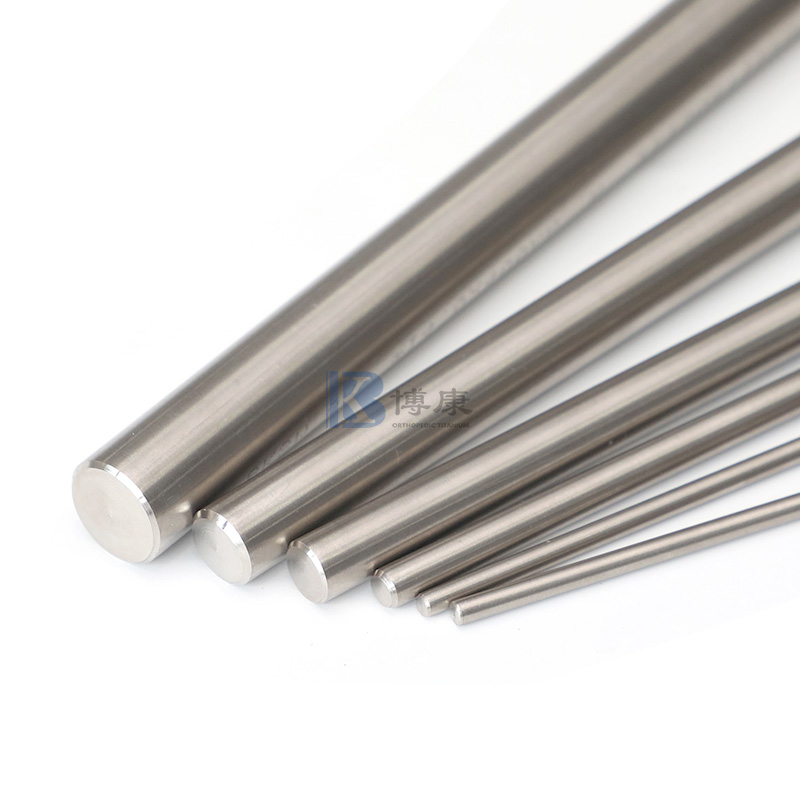
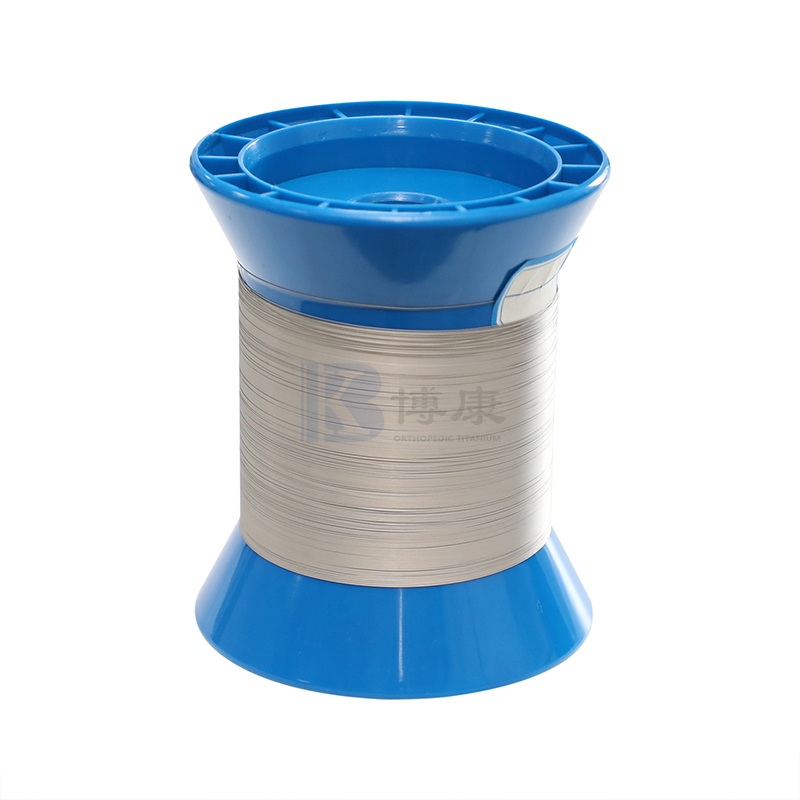
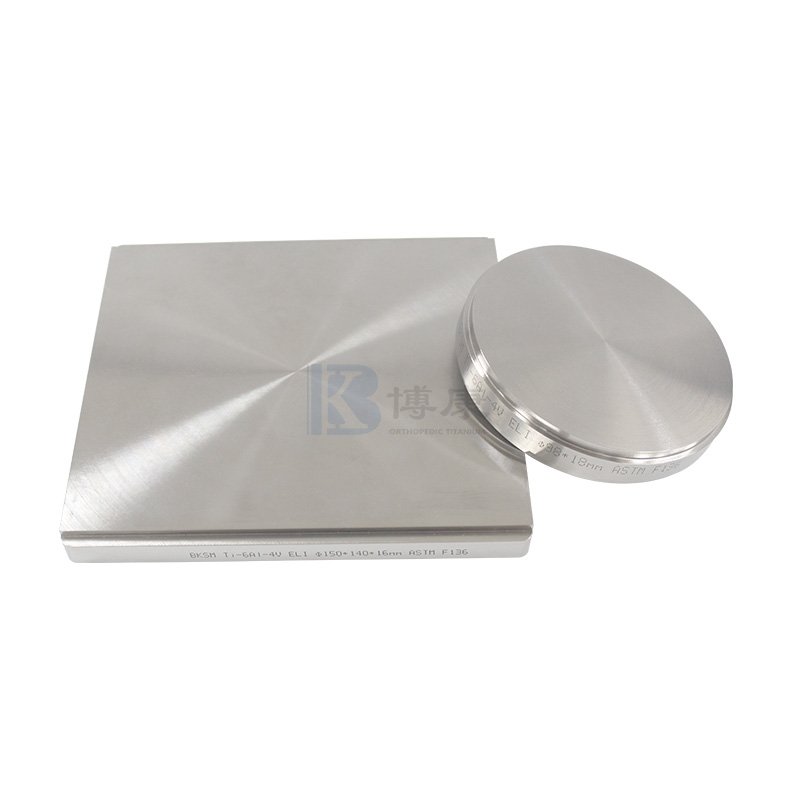
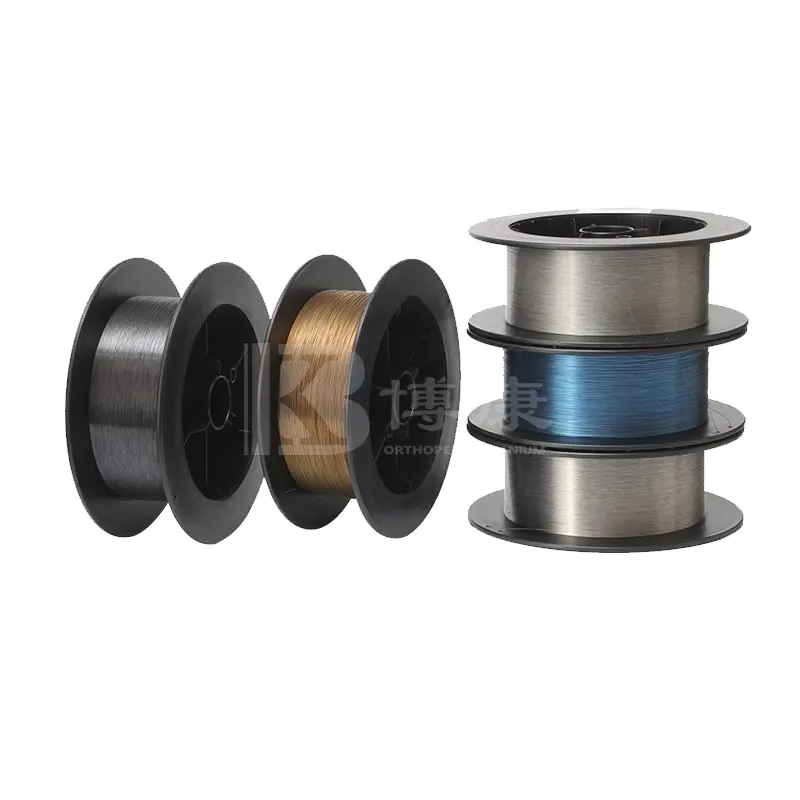
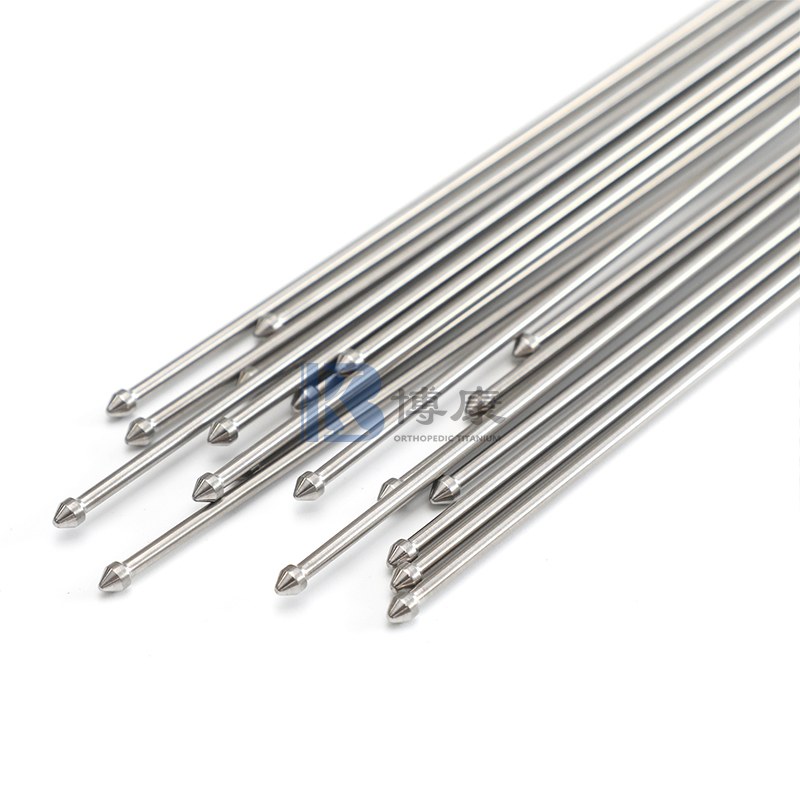
When purchasing titanium alloy wire, several critical factors must be evaluated to ensure optimal performance for specific applications.
The grade of titanium alloy wire determines its mechanical properties and corrosion resistance. Common grades include Ti-6Al-4V (Grade 5), known for its high strength, and CP titanium (Grades 1-4), valued for its formability. The alloying elements (such as aluminum, vanadium, or nickel) influence hardness, weldability, and thermal stability.
Precision in diameter and length is crucial, especially in medical or aerospace applications where tight tolerances are required. Thin titanium wire (below 0.1 mm) is used in electronics and fine medical devices, while thicker wires serve structural purposes. Suppliers should provide certified dimensional accuracy.
Titanium alloy wire is selected based on tensile strength, fatigue resistance, and elasticity. For instance, aerospace applications demand high-strength wires that withstand stress without deformation, whereas medical wires prioritize flexibility and biocompatibility.
A reputable supplier should provide material test reports (MTRs) and comply with industry standards such as ASTM or ISO. Certifications ensure traceability, quality control, and adherence to safety regulations.
While titanium alloy wire is more expensive than stainless steel or aluminum wires, its superior strength-to-weight ratio and corrosion resistance justify the cost in critical applications. Buyers should assess whether premium-grade titanium is necessary or if a lower-cost alternative meets their requirements.
Understanding how titanium alloy wire performs relative to other metals helps in making informed material selections.
Titanium alloy wire offers one of the highest strength-to-weight ratios, making it ideal for aerospace and automotive industries where weight reduction is crucial. While stainless steel provides comparable strength, it is significantly heavier. Aluminum wires are lighter but lack the necessary strength for high-stress applications.
Unlike stainless steel, which can corrode in chloride-rich environments, titanium alloy wire resists pitting, crevice corrosion, and oxidation even in seawater or acidic conditions. This makes it indispensable in chemical processing and marine applications.
Pure titanium wire is more expensive than most alternatives, but its longevity and minimal maintenance often offset initial costs. Nickel alloys may offer similar corrosion resistance but at a higher price and with added weight.
Industry standards ensure titanium alloy wire meets strict quality and performance requirements across different applications. Compliance with these standards guarantees material consistency, safety, and reliability.
The American Society for Testing and Materials (ASTM) provides key specifications:
These standards define chemical composition, mechanical properties, and testing methods to ensure material integrity.
The aerospace sector requires particularly stringent standards:
These standards address factors like fatigue resistance, stress corrosion cracking, and high-temperature performance critical for flight safety.
Medical applications demand the highest purity levels:
Medical-grade titanium alloy wire must demonstrate exceptional biocompatibility and mechanical stability in physiological environments.
Standard testing protocols include:
Certification documentation should include:
Proper certification ensures the wire meets all necessary specifications for its intended use.
The medical industry extensively uses titanium alloy wire due to its unique combination of biological and mechanical properties.
Titanium alloy wire exhibits excellent biocompatibility, meaning it doesn’t provoke immune responses or toxic reactions when implanted in the human body. The natural oxide layer that forms on titanium prevents ion release that could cause adverse effects.
Common medical applications include:
The material maintains integrity when exposed to:
This resistance prevents degradation that could compromise device performance or patient safety.
Medical-grade titanium alloy wire offers:
These properties make it indispensable for both temporary and permanent medical applications.
Sustainability considerations are increasingly important for titanium alloy wire given its high production costs and energy-intensive manufacturing.
The titanium recycling industry follows established procedures:
Key technical challenges include:
Recycling titanium alloy wire offers significant advantages:
Reuse possibilities vary by scale:
While complete closed-loop recycling remains challenging, ongoing advances in sorting and purification technologies continue to improve recovery rates.
Understanding these key aspects of titanium alloy wire—from purchasing considerations and material comparisons to industry standards, medical applications, and recycling potential—enables informed decision-making for both industrial and specialized uses. The unique properties of titanium alloy wire justify its premium cost in applications where strength, corrosion resistance, and biocompatibility are essential. As material science advances and recycling processes improve, titanium’s role across industries will likely continue to expand.
Copyright © 2024 Changzhou Bokang Special Material Technology Co., Ltd. All Rights Reserved.
Custom Round Pure Titanium Rod Manufacturers Privacy