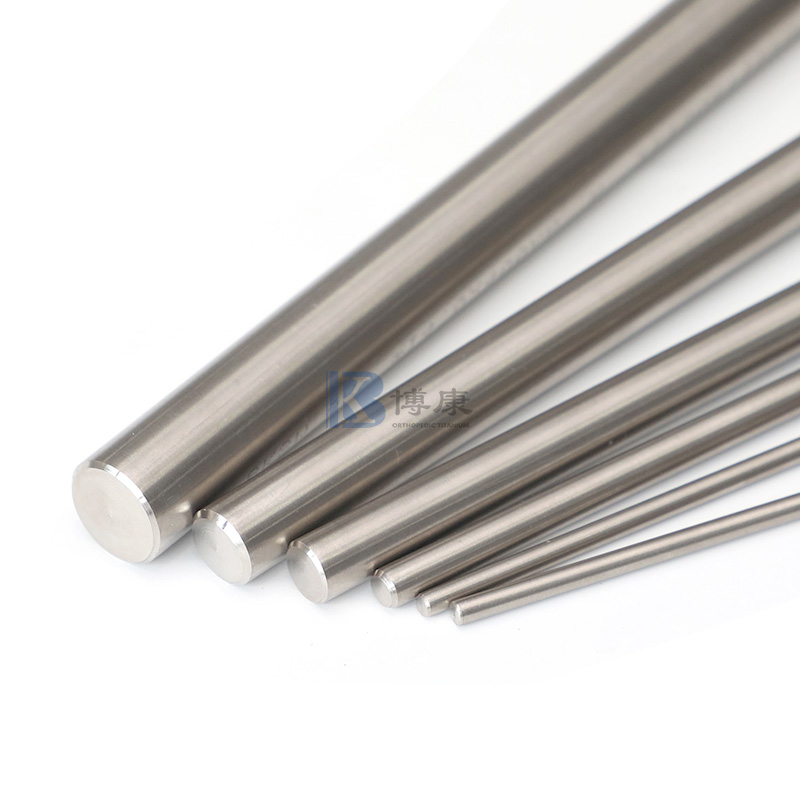
What Is a Pure Titanium Bar and Why Does It Matter?
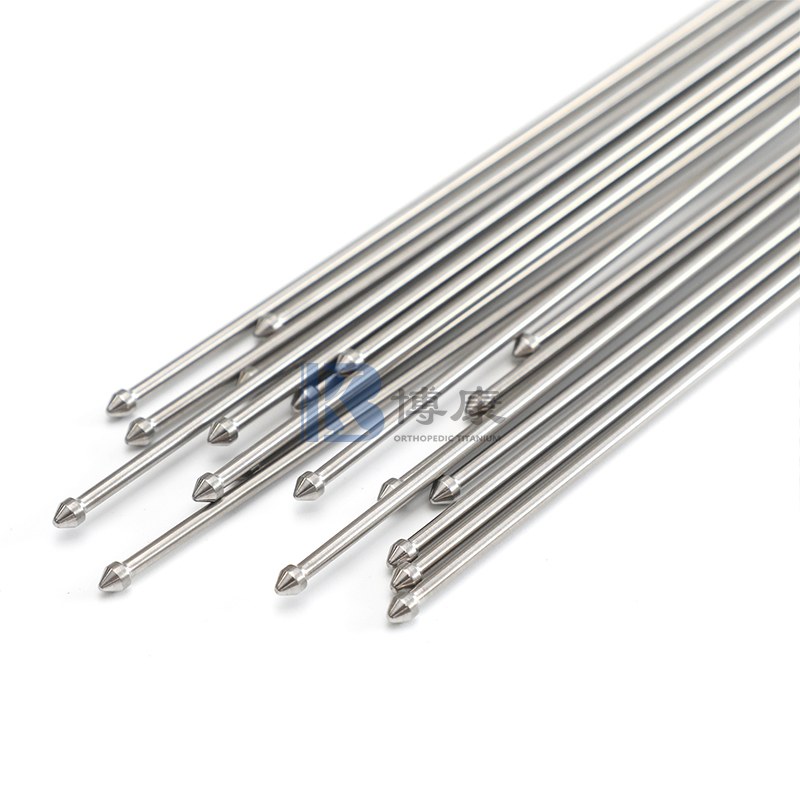
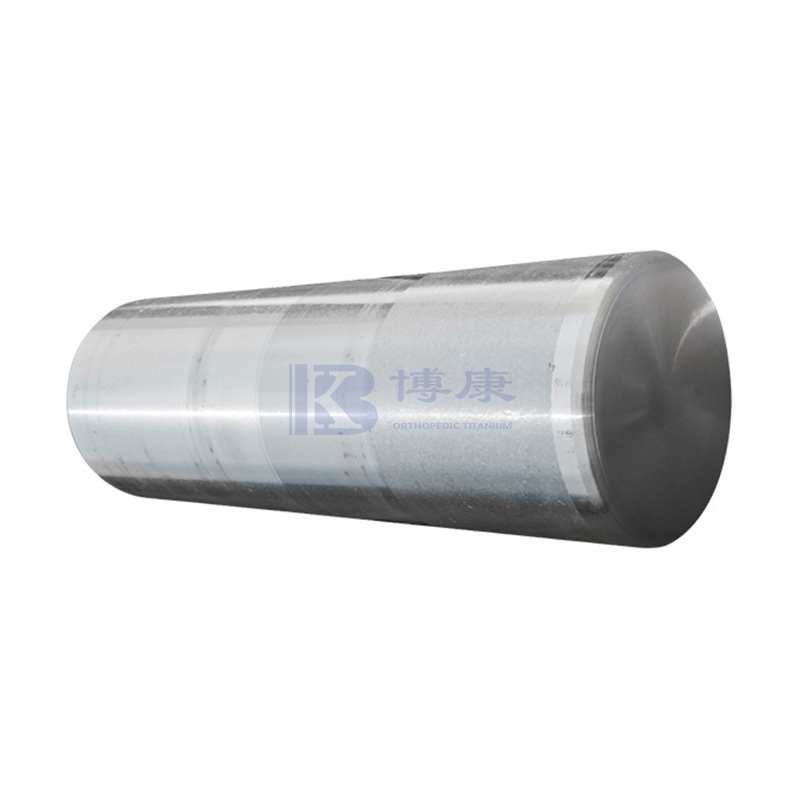
A pure titanium bar is a solid metal product made from commercially pure (CP) titanium — containing 99.2% to 99.9% titanium with minimal alloying elements. Unlike titanium alloys, it prioritizes corrosion resistance and biocompatibility over raw strength, making it the material of choice across medical, chemical, marine, and aerospace sectors.
The core advantage is clear: pure titanium offers exceptional resistance to corrosion in saltwater, acids, and body fluids, combined with a density roughly 45% lower than steel. For engineers and procurement teams, understanding its grades and properties directly translates to better material decisions and cost efficiency.
Four Grades of Commercially Pure Titanium Bar Explained
Commercially pure titanium bars are classified into four grades (Grade 1–4) based on oxygen and iron content. Higher oxygen content increases strength but reduces ductility. The table below summarizes the key differences:
Grade
Tensile Strength
Yield Strength
Key Characteristic
Common Applications
Grade 1
240 MPa min
170 MPa min
Softest, most ductile
Chemical processing, desalination
Grade 2
345 MPa min
275 MPa min
Best balance of strength & formability
Medical implants, marine hardware
Grade 3
450 MPa min
380 MPa min
Higher strength than G2
Industrial equipment, heat exchangers
Grade 4
550 MPa min
483 MPa min
Strongest CP grade
Surgical instruments, airframe components
Grade 2 is the most widely used due to its optimal combination of weldability, corrosion resistance, and moderate strength — suitable for over 70% of commercial applications.
Core Physical and Chemical Properties
Understanding the physical profile of pure titanium bar helps engineers assess suitability for demanding environments:
Density: 4.51 g/cm³ — about 57% the weight of steel (7.85 g/cm³)
Melting point: 1,668°C — enabling use in high-temperature industrial settings
Thermal conductivity: 21.9 W/(m·K) — lower than steel, advantageous in thermal insulation contexts
Elastic modulus: ~103 GPa — closer to human bone than steel, reducing stress shielding in implants
Corrosion resistance: Stable in seawater, chlorine, nitric acid, and most organic acids
Biocompatibility: Non-toxic, non-allergenic — approved for direct human tissue contact
These properties are not marketing claims — they are verified by ASTM B348 and ISO 5832-2 standards, which govern titanium bar production for industrial and medical use.
Major Industries and Real-World Applications
Pure titanium bar's unique property profile makes it indispensable across multiple sectors. Below are the primary application domains with concrete examples:
Medical and Dental
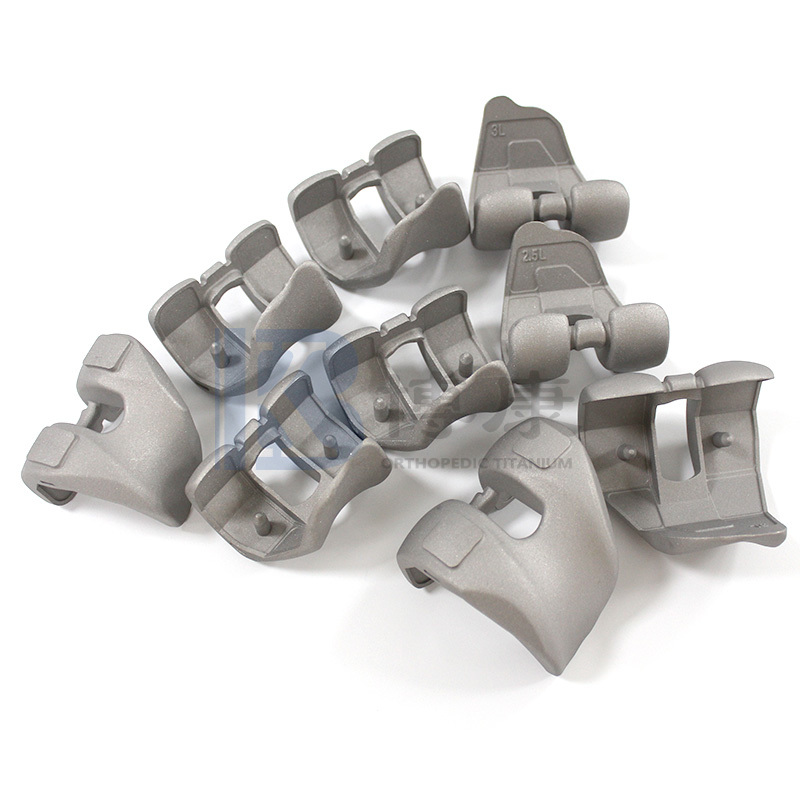
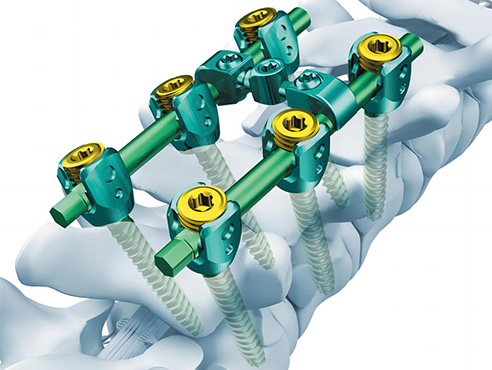
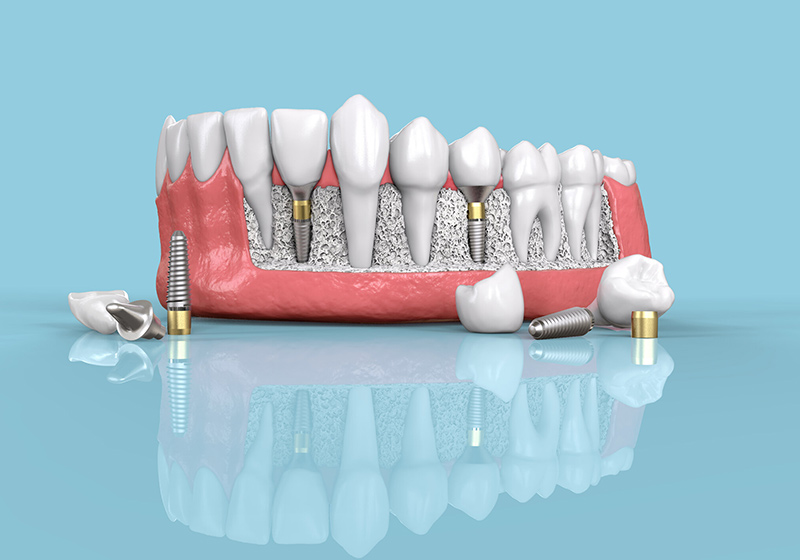
Grade 2 and Grade 4 titanium bars are machined into bone screws, dental implants, spinal fusion devices, and surgical instruments. The material's elastic modulus closely matches cortical bone (~17–25 GPa), reducing implant loosening over time. Global dental implant demand alone exceeded 5 million units annually in recent years, with pure titanium remaining the dominant material.
Chemical and Petrochemical Processing
In environments with aggressive acids or chlorinated compounds, pure titanium outperforms stainless steel significantly. Grade 1 bars are used in heat exchanger tubes, reactor vessels, pump shafts, and valve bodies where chemical attack would rapidly degrade other metals. Titanium's passive oxide layer self-repairs in oxidizing environments, extending service life by decades.
Marine and Offshore Engineering
Seawater corrosion causes billions in infrastructure damage annually. Pure titanium bar resists seawater corrosion at temperatures up to 260°C without protective coatings, making it ideal for propeller shafts, subsea fasteners, desalination plant components, and offshore platform hardware.
Aerospace and Defense
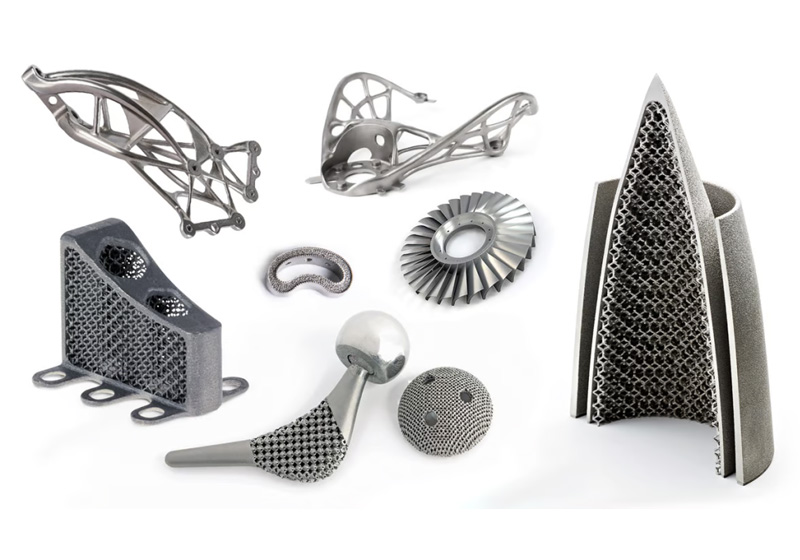
While titanium alloys dominate structural aerospace use, pure titanium bars are chosen for airframe brackets, hydraulic system components, and antenna mounts where formability and corrosion resistance take priority over extreme strength. The weight savings versus steel directly reduce fuel consumption over an aircraft's lifetime.
Electronics and Consumer Products
Pure titanium bars are machined into eyeglass frames, watch cases, sporting equipment components, and premium consumer electronics housings. Its hypoallergenic nature and natural luster make it particularly valued in wearable products with direct skin contact.
Pure Titanium Bar vs. Titanium Alloy Bar: Choosing the Right Option
A frequent decision point for engineers is choosing between commercially pure titanium and titanium alloys such as Ti-6Al-4V. The right choice depends on the application's specific demands:
Criteria
Pure Titanium Bar
Titanium Alloy Bar (e.g., Ti-6Al-4V)
Tensile Strength
240–550 MPa
895–1000+ MPa
Corrosion Resistance
Excellent
Very Good
Biocompatibility
Superior
Good (alloy elements may cause concern)
Weldability
Excellent
Moderate
Formability
High
Lower
Cost
Lower
Higher
Best For
Corrosion-critical, medical, chemical
High-load structural, aerospace components
Choose pure titanium bar when corrosion resistance, biocompatibility, or formability is the primary requirement. Reserve alloy grades for applications demanding high tensile strength under mechanical load.
Key Specifications and Standards to Know Before Purchasing
Buyers should verify the following specifications to ensure material compliance and suitability:
International standards: ASTM B348 (bar and billet), AMS 4921 (aerospace bar), ISO 5832-2 (implants)
Available diameters: Typically range from 3 mm to 300 mm; custom sizes available from specialized mills
Certification requirement: Always request a Mill Test Certificate (MTC) confirming chemical composition and mechanical test results
Oxygen content: Ranges from 0.18% (Grade 1) to 0.40% (Grade 4) — directly determines strength and ductility
For medical-grade procurement, additional traceability documentation is mandatory, including heat number tracking and third-party inspection reports.
Machining and Fabrication Considerations
Pure titanium's properties present specific challenges during machining that require adjusted processes compared to stainless steel:
Low thermal conductivity causes heat to concentrate at the cutting edge — use sharp tooling and high coolant flow rates
Work hardening tendency means cutting speeds should be reduced by 30–50% compared to stainless steel operations
Galling and built-up edge are common — carbide or CBN tooling is preferred over high-speed steel
Welding must be performed in inert gas (argon) shielding to prevent oxidation and embrittlement above 500°C
Spring-back during bending is higher than for steel — tooling geometry must compensate accordingly
Following grade-specific machining parameters significantly reduces tool wear costs and improves dimensional consistency in finished components.
FAQ: Pure Titanium Bar
Q1: What is the most common grade of pure titanium bar used commercially?
Grade 2 is the most widely used. It offers the best balance of corrosion resistance, weldability, and moderate strength for most industrial and medical applications.
Q2: Is pure titanium bar magnetic?
No. Pure titanium is non-magnetic, which is essential for MRI-compatible medical implants and sensitive electronic environments.
Q3: How does pure titanium bar resist corrosion?
It forms a stable, self-repairing titanium dioxide (TiO₂) passive layer on its surface when exposed to oxygen. This layer prevents further chemical attack in most corrosive environments.
Q4: Can pure titanium bar be used for high-temperature applications?
Pure titanium maintains its properties up to approximately 300–350°C in service. For sustained high-temperature use above this range, titanium alloys are more appropriate.
Q5: What standard certifications should a pure titanium bar have?
Look for ASTM B348 for general industrial use, ISO 5832-2 for medical implant applications, and AMS 4921 for aerospace-grade material. A Mill Test Certificate (MTC) should always accompany the supply.
Q6: Is pure titanium bar more expensive than stainless steel?
Yes, typically 5–10 times more expensive per kilogram. However, when lifecycle cost is considered — including reduced maintenance, longer service life, and weight savings — titanium is cost-competitive in critical applications.

 Send Inquiry


 EN
EN
 English
 日本語
日本語 한국어
한국어 Español
 عربى
عربى русский
 Deutsch
 中文简体
中文简体