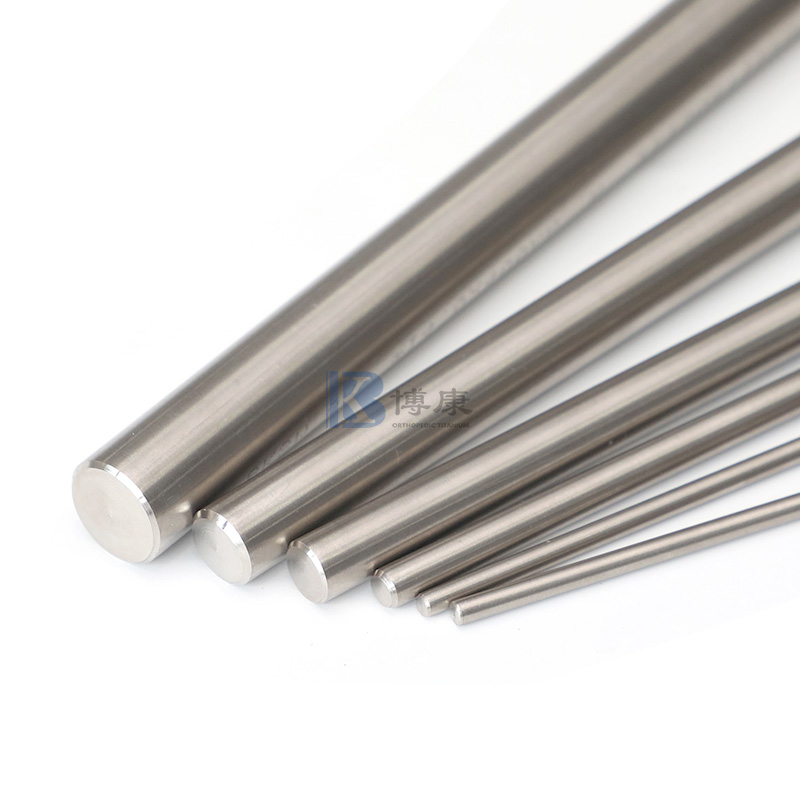
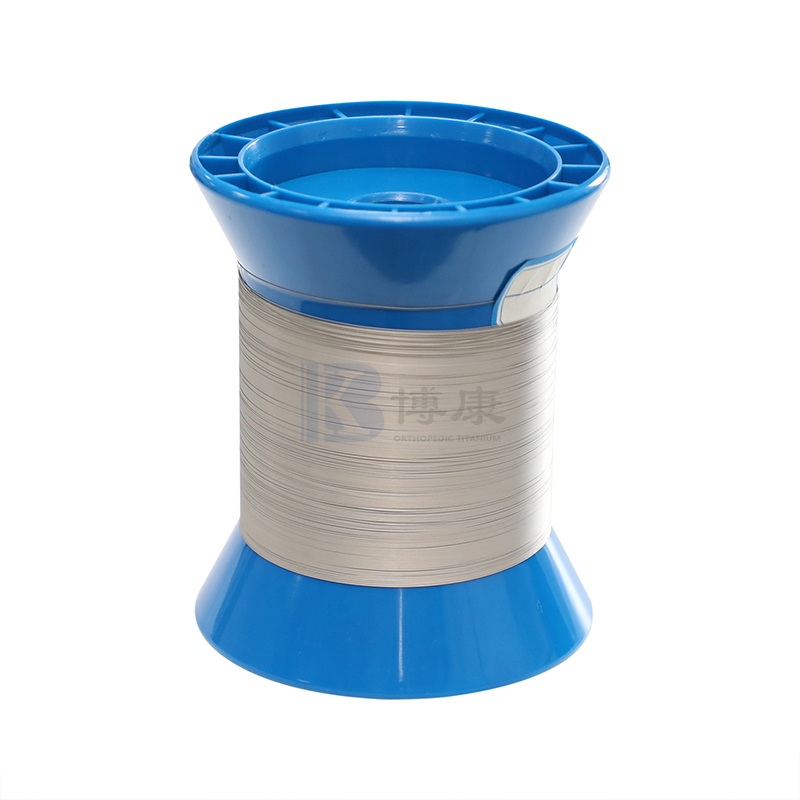
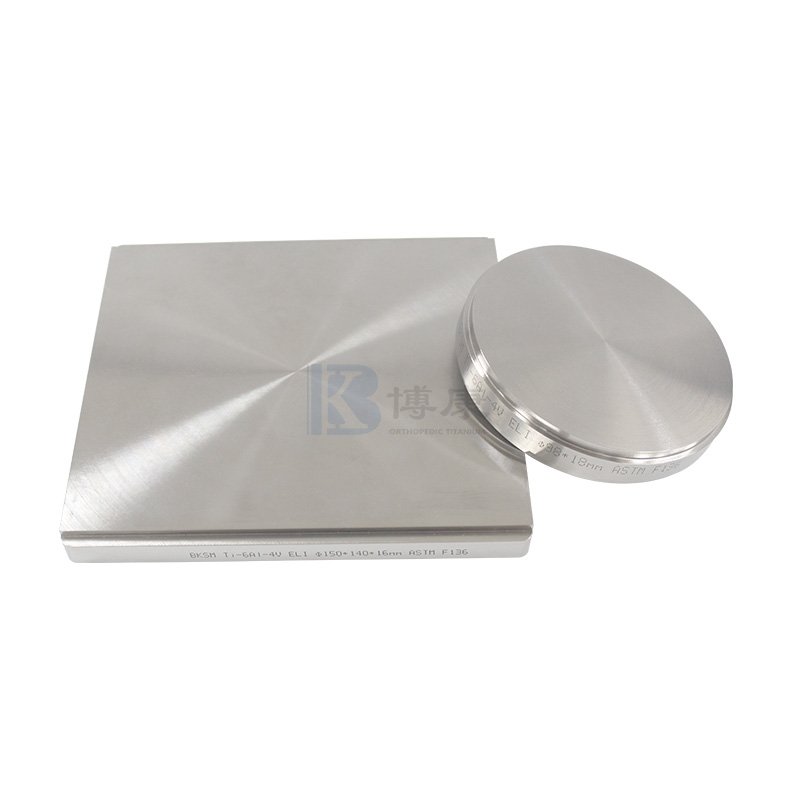
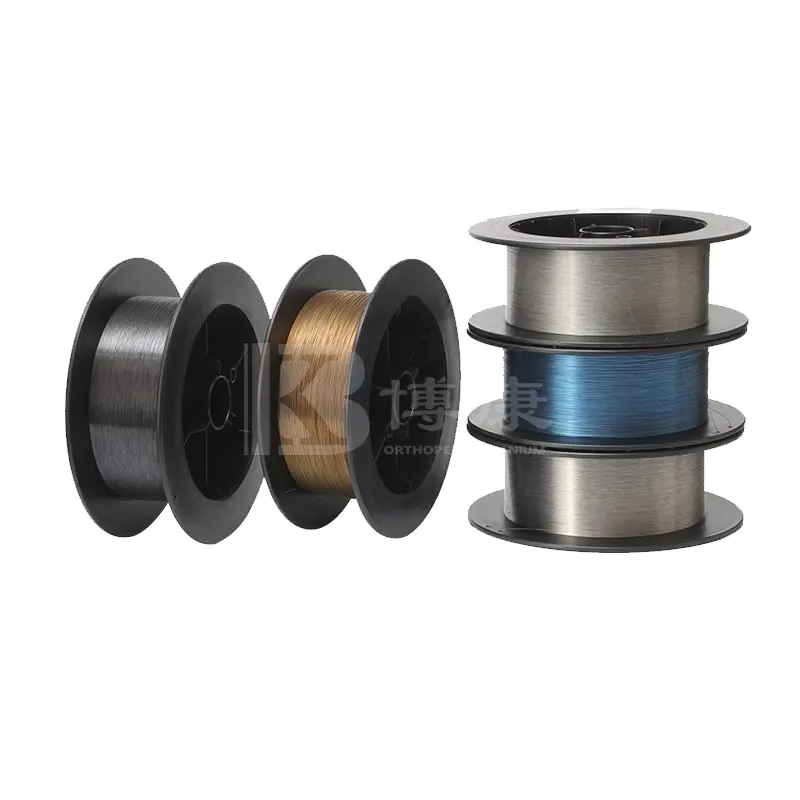
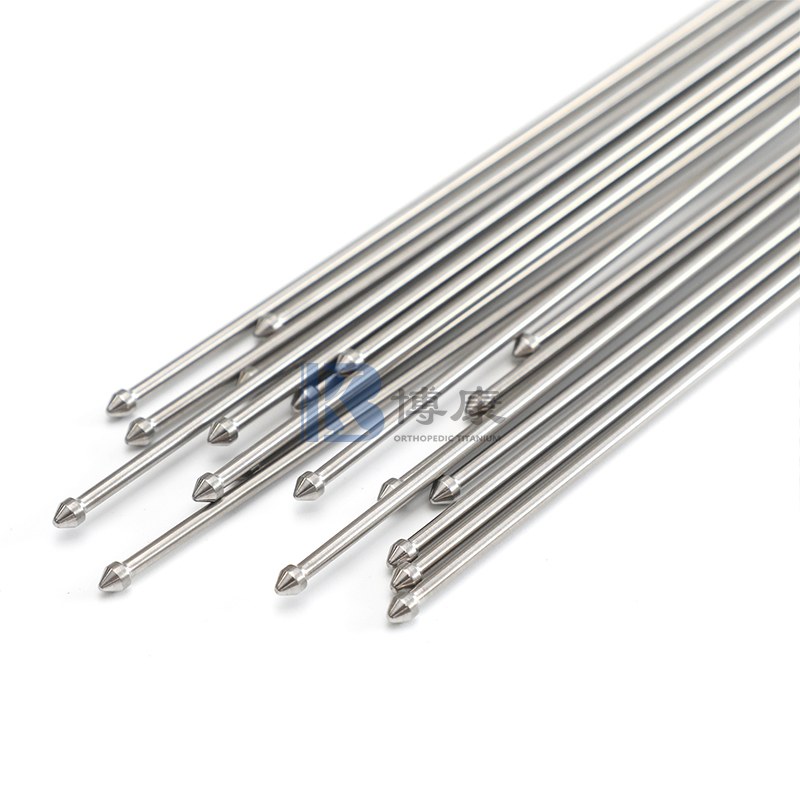
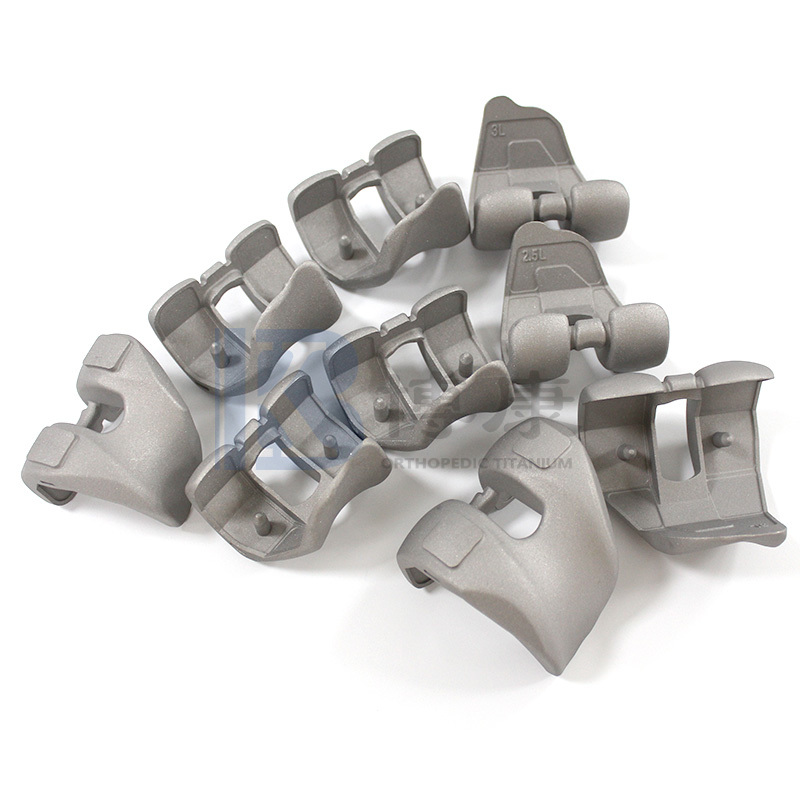
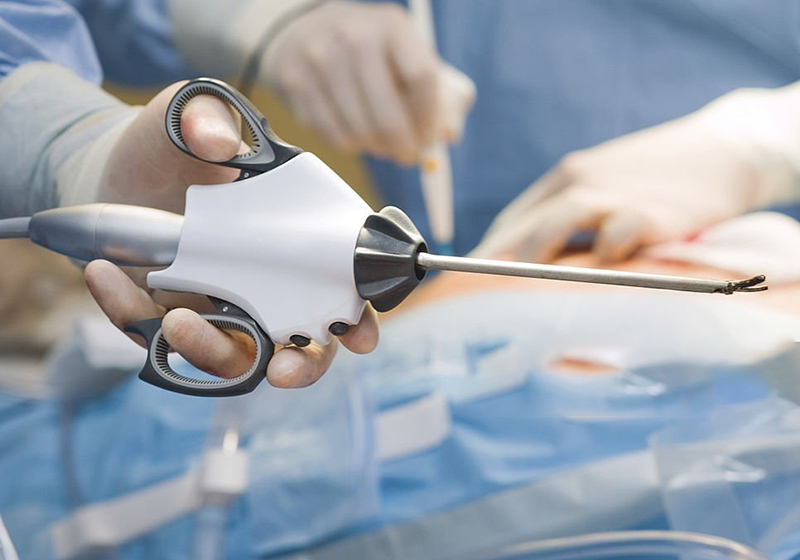
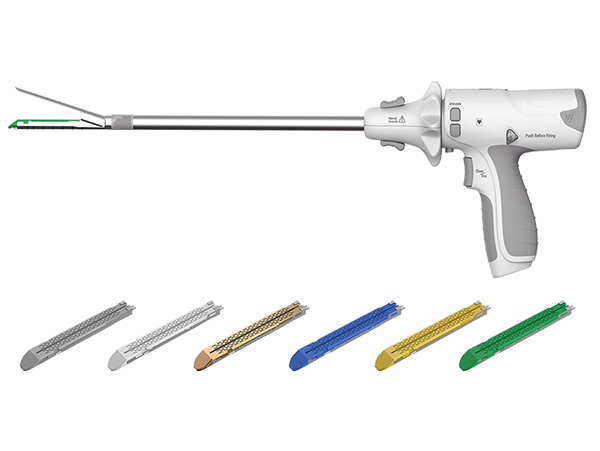
Medical grade titanium is defined by its chemical purity, biocompatibility, corrosion resistance, and compliance with internationally recognized standards such as ASTM F67 and ASTM F136. Not all titanium qualifies—only specific grades that meet strict biological and mechanical requirements are approved for use inside the human body. The most widely used types are commercially pure titanium (CP Ti, Grades 1–4) and the titanium-aluminum-vanadium alloy Ti-6Al-4V ELI (Grade 23).
The Core Requirements That Define Medical Grade Titanium
For titanium to be classified as medical grade, it must satisfy several interconnected criteria evaluated under rigorous laboratory and clinical conditions.
Biocompatibility
Medical grade titanium must be non-toxic and non-allergenic when in contact with living tissue. It should not provoke an immune response, inflammation, or cellular toxicity. This is verified through ISO 10993 biological evaluation protocols, which test cytotoxicity, sensitization, and systemic toxicity. Titanium's natural oxide layer (TiO₂) forms spontaneously on its surface and acts as an inert biological barrier—one of the key reasons it outperforms many other metals in long-term implant applications.
Corrosion Resistance
The human body is a highly corrosive environment due to saline fluids, varying pH, and biological enzymes. Medical grade titanium resists corrosion at a rate far lower than stainless steel—its passive oxide layer reforms within milliseconds even if scratched, ensuring long-term structural integrity inside the body. This property is essential for implants expected to last 15–25+ years.
Mechanical Strength and Fatigue Resistance
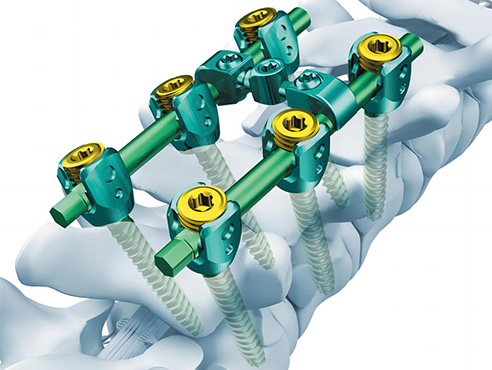
Implants must withstand repetitive mechanical loads. The Ti-6Al-4V ELI alloy (Grade 23) offers a tensile strength of approximately 860–965 MPa, making it suitable for load-bearing applications such as hip stems, bone screws, and spinal implants. The "ELI" designation (Extra Low Interstitial) means oxygen, nitrogen, iron, and carbon impurities are kept at minimal levels to enhance ductility and fracture toughness.
Osseointegration Capability
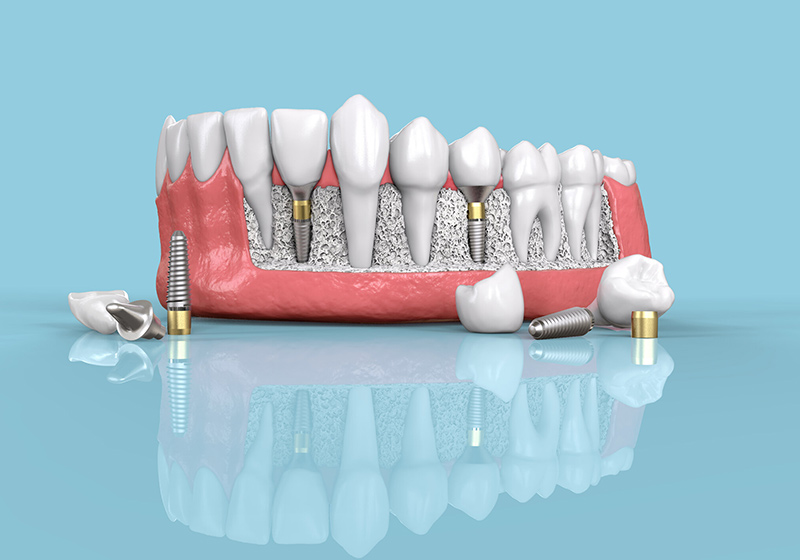
Medical grade titanium supports osseointegration—the direct structural and functional bond between bone and implant surface. Studies have demonstrated osseointegration success rates exceeding 95% over 10 years for titanium dental implants. This occurs because titanium's surface chemistry and micro-texture encourage bone cell attachment and growth without fibrous tissue intermediaries.
Key Standards and Grades for Medical Titanium
Medical grade titanium is governed by specific ASTM International and ISO standards. Each grade has defined chemical composition limits and mechanical property thresholds.
Grade
Standard
Composition
Typical Application
CP Ti Grade 1
ASTM F67
99.5%+ Ti, lowest oxygen
Dental implants, pacemaker cases
CP Ti Grade 4
ASTM F67
99%+ Ti, higher oxygen
Surgical hardware, endosseous implants
Ti-6Al-4V ELI (Grade 23)
ASTM F136
90% Ti, 6% Al, 4% V
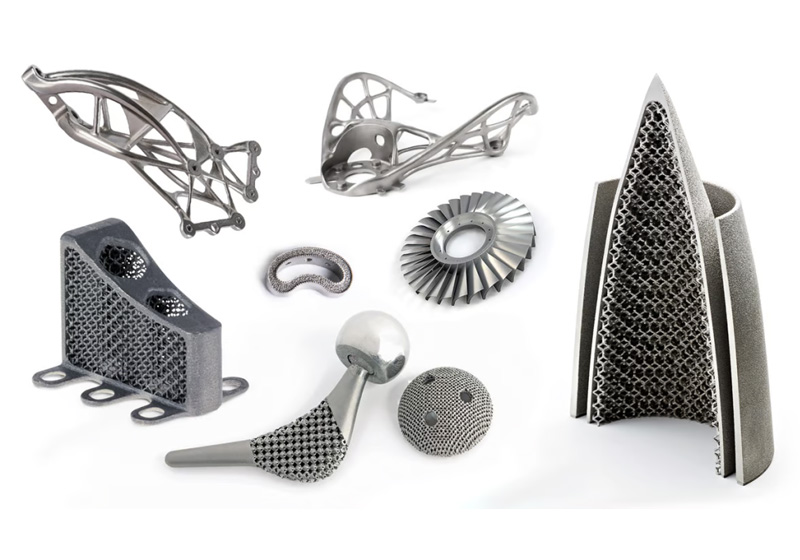
Hip/knee implants, spinal cages, trauma plates
Ti-6Al-7Nb (Grade 36)
ASTM F1295
86% Ti, 6% Al, 7% Nb
Femoral hip components, bone plates
Grade 23 (Ti-6Al-4V ELI) is the most widely specified alloy in orthopedic and dental device manufacturing due to its optimal balance of strength, fatigue resistance, and biocompatibility.
How Purity Levels Distinguish Medical Grade from Industrial Titanium
Industrial titanium and medical grade titanium may share the same base metal, but their impurity profiles are vastly different. Medical specifications impose strict upper limits on interstitial elements:
Oxygen: ≤ 0.13% (Grade 23) vs. up to 0.40% in industrial grades
Nitrogen: ≤ 0.05% to prevent embrittlement
Iron: ≤ 0.25% to reduce corrosion risk
Carbon: ≤ 0.08% to preserve ductility
Hydrogen: ≤ 0.012% to prevent hydrogen embrittlement
These tight composition windows ensure that the metal performs predictably under physiological stress conditions over decades of implantation.
Surface Treatment and Processing Requirements
Achieving medical grade status is not solely about raw material composition. The manufacturing and surface treatment processes must also meet defined standards to avoid contamination or microstructural defects.
Passivation
Medical titanium components undergo passivation—typically an acid treatment using diluted nitric acid per ASTM A967 or ASTM F86—to remove surface iron contamination and reinforce the protective oxide layer.
Surface Texturing for Implants
Implant surfaces are frequently sandblasted, acid-etched (SLA process), or plasma-sprayed with titanium or hydroxyapatite coatings. These surface modifications create a micro-rough topography that increases the surface area available for bone cell attachment, directly improving osseointegration rates.
Cleanroom Manufacturing and Sterilization Compatibility
Medical titanium components must be manufactured in ISO-classified cleanroom environments, free from particulate and microbial contamination. The finished parts must also be compatible with standard sterilization methods including autoclaving (121°C steam), gamma irradiation, and ethylene oxide (EtO) without degradation in mechanical properties.
Common Applications of Medical Grade Titanium
The combination of biocompatibility, strength, and corrosion resistance makes medical grade titanium indispensable across multiple clinical fields:
Orthopedics: Hip stems, femoral heads, tibial trays, knee components, bone screws, and intramedullary nails
Dental: Endosseous implants, abutments, and implant-supported prosthetic frameworks
Spinal surgery: Interbody fusion cages, pedicle screws, and spinal rods
Cardiovascular: Pacemaker enclosures, heart valve components, and vascular clips
Craniofacial: Skull plates, orbital floor reconstruction, and maxillofacial fixation hardware
Surgical instruments: Forceps, retractors, and needle holders where non-magnetic and lightweight properties are critical
Why Titanium Outperforms Other Biomedical Metals
Medical grade titanium offers a unique combination of properties that alternative metals cannot replicate across all clinical requirements:
Property
Medical Ti (Grade 23)
Surgical Steel (316L)
Cobalt-Chrome
Density (g/cm³)
4.43
7.9
8.3
MRI Compatibility
Excellent
Limited
Limited
Corrosion Resistance
Excellent
Good
Good
Nickel Content
None
12–14%
Trace
Elastic Modulus (GPa)
~114
~193
~210
Titanium's lower elastic modulus (~114 GPa) is closer to that of cortical bone (~10–30 GPa) than steel or cobalt-chrome, reducing "stress shielding"—a phenomenon where a stiffer implant absorbs load that should be transmitted to bone, causing progressive bone loss around the implant.
Regulatory and Quality System Requirements
Beyond material standards, manufacturers of medical titanium components must operate within quality management systems. ISO 13485 is the internationally recognized standard for medical device quality systems, covering design controls, risk management, traceability, and post-market surveillance. Compliance with ISO 13485 is required for CE marking in Europe and is accepted by many regulatory bodies globally. In the United States, FDA 21 CFR Part 820 governs quality system regulation for device manufacturers.
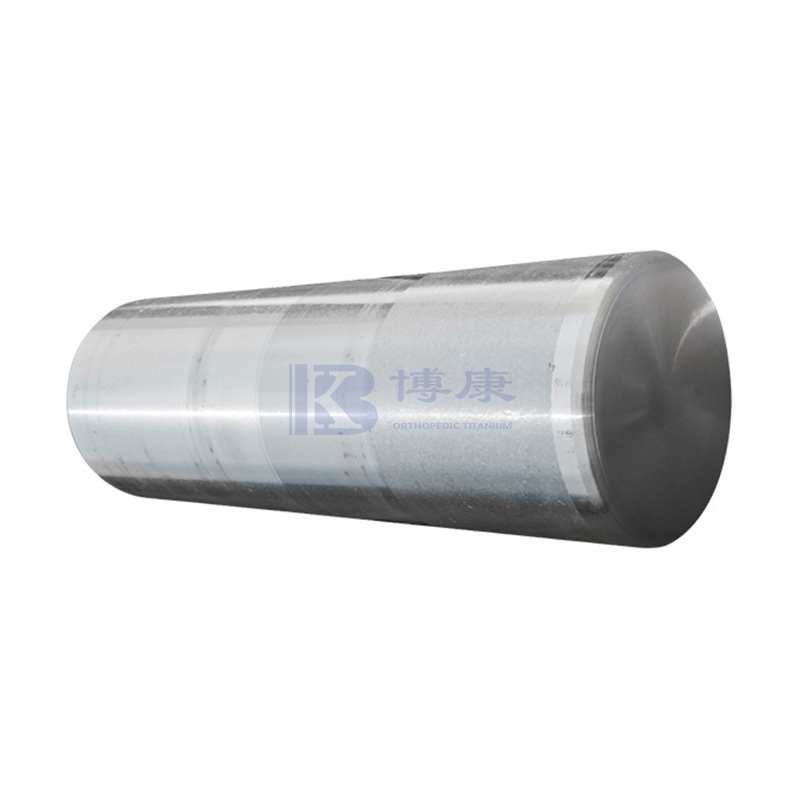
Full material traceability—from raw titanium billet to finished implant—is mandatory. Each batch must include a Certificate of Conformance and Material Test Report documenting chemical composition, mechanical test results, and processing history.
FAQ
Q1: Is all titanium safe for medical implants?
No. Only titanium grades meeting ASTM F67, F136, or equivalent standards with verified biocompatibility and controlled impurity levels are considered medical grade.
Q2: What is the difference between Grade 5 and Grade 23 titanium?
Both are Ti-6Al-4V alloys, but Grade 23 (ELI) has strictly lower interstitial impurity levels, giving it better ductility and fracture toughness for demanding implant applications.
Q3: Can medical grade titanium cause allergic reactions?
Titanium allergy is extremely rare—far less common than nickel or cobalt reactions. Its inert oxide surface minimizes ion release, making it one of the most hypoallergenic implant materials available.
Q4: Is medical grade titanium MRI-safe?
Yes. Titanium is non-ferromagnetic, so it is not attracted by MRI magnetic fields and does not cause significant imaging artifacts, unlike steel or cobalt-chrome implants.
Q5: How long do medical titanium implants last?
Well-designed titanium implants can last 20–30 years or longer. Longevity depends on implant design, patient activity level, bone quality, and proper surgical technique—not material degradation, as titanium resists corrosion exceptionally well in vivo.
Q6: What does "ELI" mean in titanium grades?
ELI stands for Extra Low Interstitial. It means the levels of oxygen, nitrogen, carbon, and iron are reduced below standard Grade 5 limits to improve toughness and fatigue performance in critical implant applications.

 Send Inquiry


 EN
EN
 English
 日本語
日本語 한국어
한국어 Español
 عربى
عربى русский
 Deutsch
 中文简体
中文简体