Dental Titanium Disc Benefits And Uses In Dentures You Must Know
What Is a Dental Titanium Disc and Why It Matters
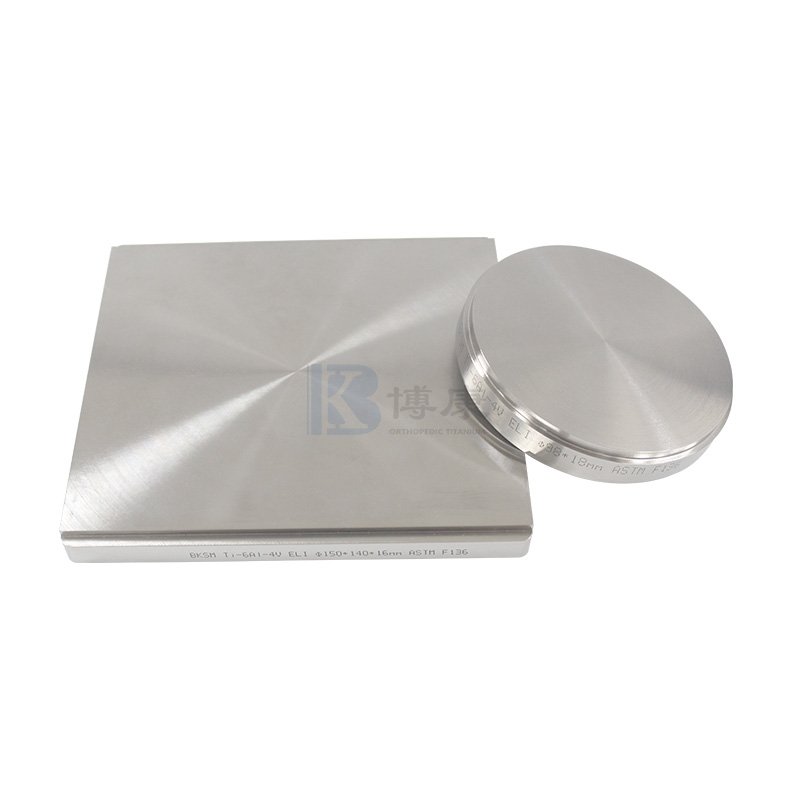
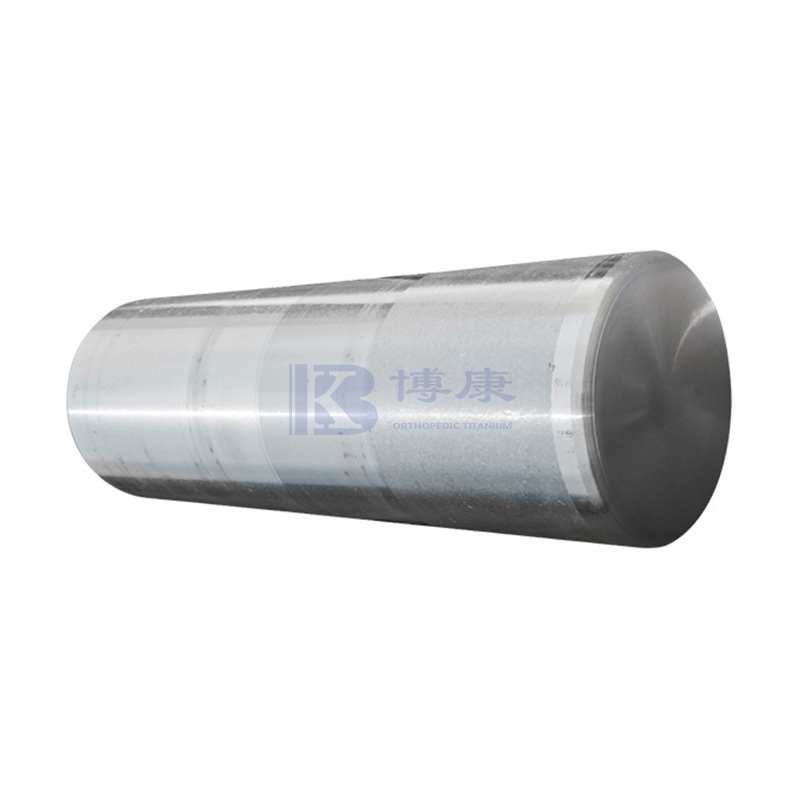
A titanium disc used in dentistry is a pre-milled blank made from commercially pure titanium (CP titanium) or titanium alloy, designed specifically for CAD/CAM milling systems. It serves as the raw material for fabricating crowns, bridges, implant frameworks, and full-arch prostheses with high precision and biocompatibility.
The bottom line: if you are looking for a restorative material that balances strength, weight, corrosion resistance, and tissue compatibility, dental titanium discs are among the most reliable choices available in modern prosthetic dentistry.
Key Material Properties of Dental Titanium Discs
Understanding the physical and chemical properties of titanium discs helps clinicians and lab technicians make informed material choices.
Property
CP Titanium (Grade 4)
Ti-6Al-4V Alloy
Density
4.51 g/cm³
4.43 g/cm³
Tensile Strength
≥ 550 MPa
≥ 900 MPa
Elastic Modulus
~105 GPa
~114 GPa
Biocompatibility
Excellent
Very Good
Corrosion Resistance
Excellent
Excellent
CP Titanium Grade 4 is most commonly used for dental frameworks due to its superior soft-tissue compatibility, while Ti-6Al-4V is preferred when higher mechanical strength is required, such as in long-span bridges or implant-supported structures.
Primary Uses of Titanium Discs in Dentures and Restorations
Dental titanium discs are milled using CAD/CAM equipment to produce a wide range of prosthetic components. Below are their most common clinical applications:
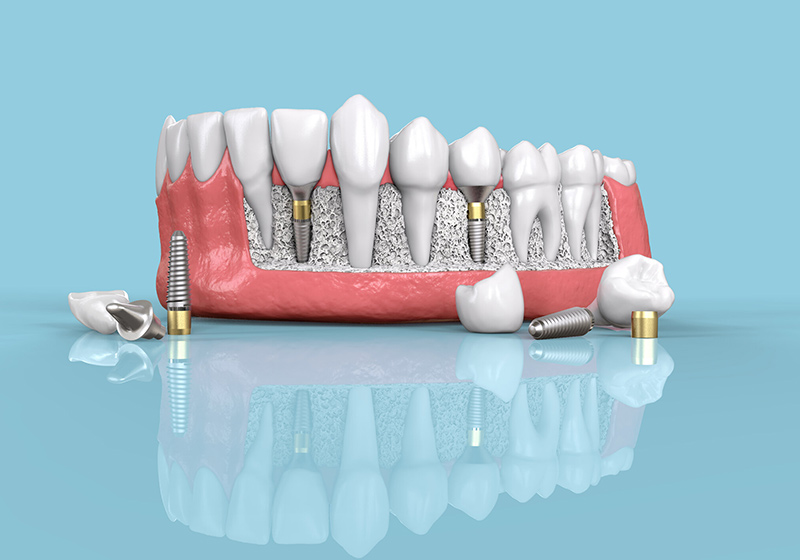
Implant-Supported Frameworks
Titanium is the gold standard for implant frameworks. Milled titanium frameworks for full-arch restorations (such as All-on-4 or All-on-6 cases) offer dimensional accuracy within ±20 microns, which is critical for passive fit and long-term osseointegration success.
Custom Abutments
Custom titanium abutments milled from discs allow precise emergence profile design, especially in anterior aesthetic zones. They provide a better soft-tissue response compared to cast metal abutments.
Metal-Ceramic Substructures
Titanium discs are used to mill copings and bridge frameworks that are later veneered with ceramic. The low thermal expansion coefficient of titanium (8.6 × 10⁻⁶/°C) requires specially formulated low-fusing ceramics for bonding.
Removable Partial Denture (RPD) Frameworks
Compared to traditional cobalt-chromium casting, milled titanium RPD frameworks weigh approximately 40–45% less, significantly improving patient comfort and reducing mucosal loading.
Telescopic and Attachment-Retained Prostheses
Titanium's hardness and surface finish capability make it suitable for precision-milled telescopic crowns used in overdentures and double-crown systems, where retention and durability are essential.
Core Benefits of Using Titanium Discs in Dental Prosthetics
Outstanding Biocompatibility
Titanium forms a stable oxide layer (TiO₂) on its surface that resists corrosion and minimizes ion release into surrounding tissues. Clinical studies report allergic reaction rates below 0.6%, making it safe for virtually all patients, including those sensitive to nickel or chromium-based alloys.
High Strength-to-Weight Ratio
Titanium offers a strength-to-weight ratio superior to most dental metals. With a density of only 4.5 g/cm³ (compared to 8.3–8.9 g/cm³ for cobalt-chromium), prostheses feel noticeably lighter, enhancing patient acceptance, especially for full-arch restorations.
Superior Corrosion Resistance
The passive oxide film on titanium is self-regenerating. Even when mechanically scratched, it reforms within milliseconds in an oral environment, ensuring long-term structural integrity and tissue safety over decades of use.
CAD/CAM Milling Precision
Titanium discs are compatible with most open-architecture CAD/CAM milling machines. Milled restorations achieve a marginal fit of under 50 microns, which is clinically superior to conventionally cast metal frameworks that often show gaps of 100–200 microns.
Radiolucency Advantage
Titanium is less radiopaque than cobalt-chromium or gold alloys, which reduces artifact scatter in postoperative radiographs and CT imaging. This allows clinicians to better evaluate implant integration and marginal bone levels around prosthetic components.
MRI Compatibility
Titanium is non-ferromagnetic and does not interfere with MRI scanning. Patients with titanium dental prostheses can safely undergo MRI procedures without removal, which is a significant clinical and safety advantage.
Titanium Disc Specifications to Consider When Selecting
Not all titanium discs are identical. The following specifications directly affect milling performance and final restoration quality:
Disc diameter: Common sizes are 98 mm and 95 mm, compatible with most CAD/CAM systems.
Disc thickness: Ranges from 10 mm to 25 mm depending on the intended restoration type (e.g., single crown vs. full-arch framework).
Material grade: Grade 2 and Grade 4 CP titanium are most common; Grade 5 (Ti-6Al-4V) for high-load applications.
Surface condition: Pre-machined discs should have a uniform, homogeneous microstructure with no internal porosity to ensure consistent milling outcomes.
Certification: Look for ISO 10271 (corrosion resistance) and ISO 22674 (mechanical properties) compliance for clinical-grade materials.
Limitations and Considerations When Working With Titanium Discs
While titanium discs offer numerous advantages, dental technicians and clinicians should be aware of the following challenges:
Milling tool wear: Titanium's hardness causes faster bur wear compared to zirconia or PMMA discs. High-quality carbide or diamond-coated tools are recommended.
Heat generation: Dry milling of titanium generates significant heat, which can affect surface quality. Wet milling with coolant is preferred for precision frameworks.
Ceramic bonding: Conventional dental porcelains are not compatible with titanium. Special low-fusing titanium-compatible ceramics must be used, which limits aesthetic layering options.
Surface finishing: Titanium requires specific polishing sequences to achieve a smooth, biocompatible surface without contamination from other metals.
Frequently Asked Questions
Q1: What is the difference between CP titanium and Ti-6Al-4V discs?
CP (commercially pure) titanium, especially Grade 4, offers the best biocompatibility and is ideal for frameworks in contact with soft tissue. Ti-6Al-4V provides higher strength and is used for high-stress structures like long-span bridges or implant bars.
Q2: Can titanium discs be used with all CAD/CAM milling machines?
Most open-system CAD/CAM mills support titanium milling, but you should verify that your machine's spindle speed, torque, and coolant system are suitable. Titanium requires lower cutting speeds than zirconia to prevent overheating.
Q3: Is titanium suitable for patients with metal allergies?
Yes. Titanium allergy is extremely rare. It is the preferred material for patients allergic to nickel, cobalt, or chromium. Patch testing before prosthetic fabrication is still recommended for highly sensitive individuals.
Q4: How long do titanium dental prostheses last?
With proper oral hygiene and maintenance, titanium frameworks can last 15–20 years or longer. Their corrosion resistance and structural stability make them one of the most durable options in prosthetic dentistry.
Q5: What thickness of titanium disc is needed for a full-arch framework?
For full-arch implant-supported frameworks, a disc thickness of at least 20–25 mm is typically required to provide sufficient material for the bar design and connector cross-sections.
Q6: Can porcelain be fused to titanium discs?
Yes, but only with titanium-compatible low-fusing ceramics. Standard feldspathic porcelains require firing temperatures incompatible with titanium's oxidation behavior. Surface treatment with special bonding agents is also necessary.

 Send Inquiry


 EN
EN
 English
 日本語
日本語 한국어
한국어 Español
 عربى
عربى русский
 Deutsch
 中文简体
中文简体