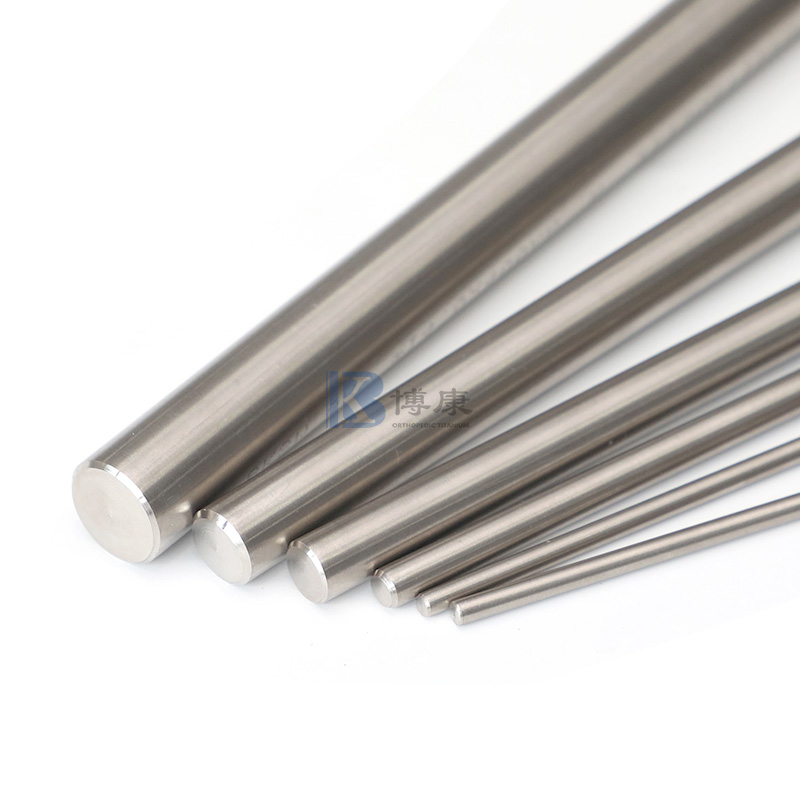
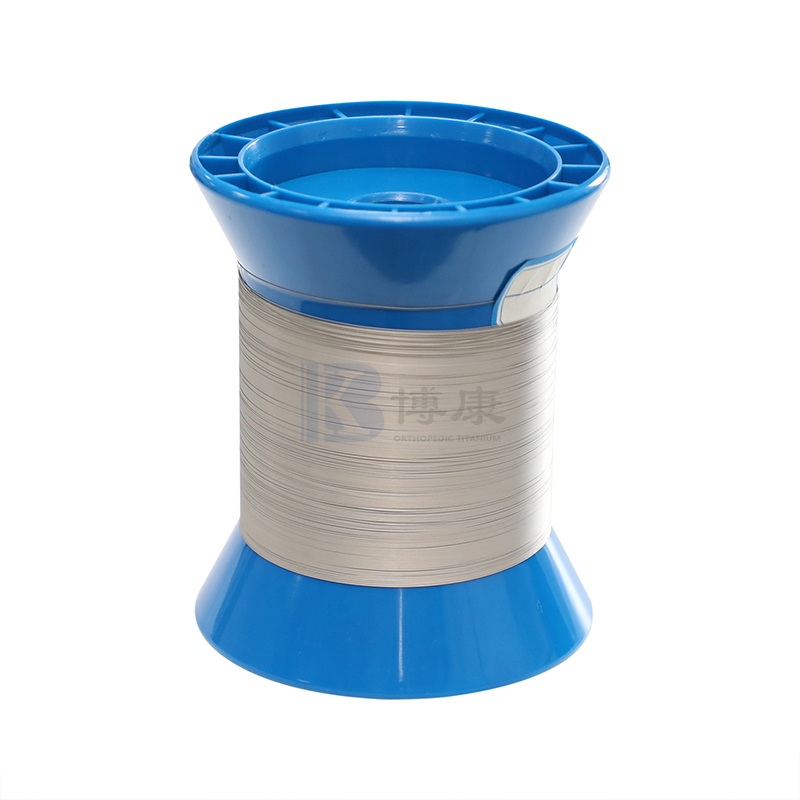
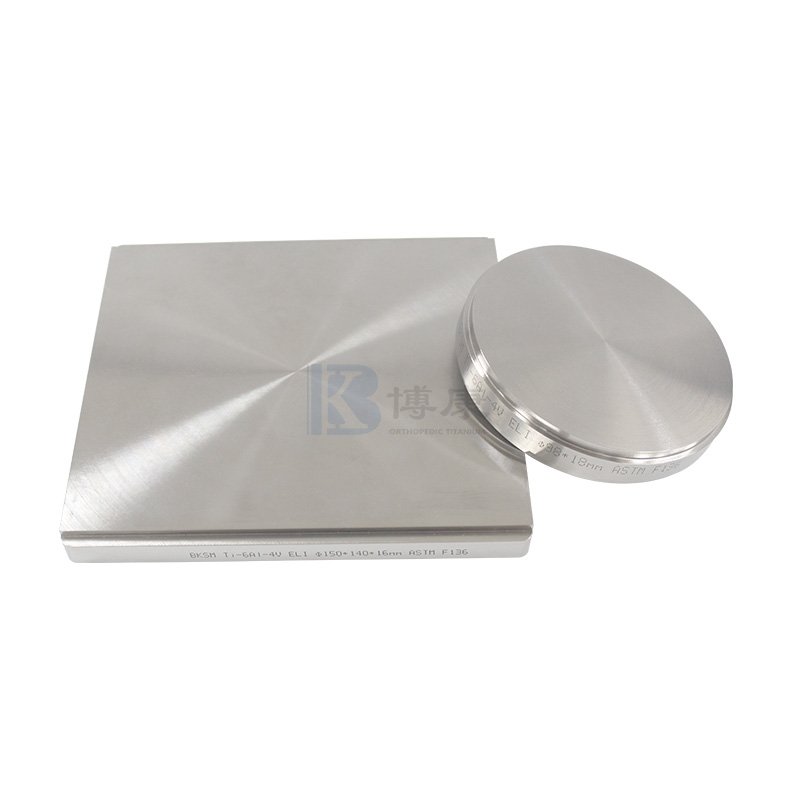
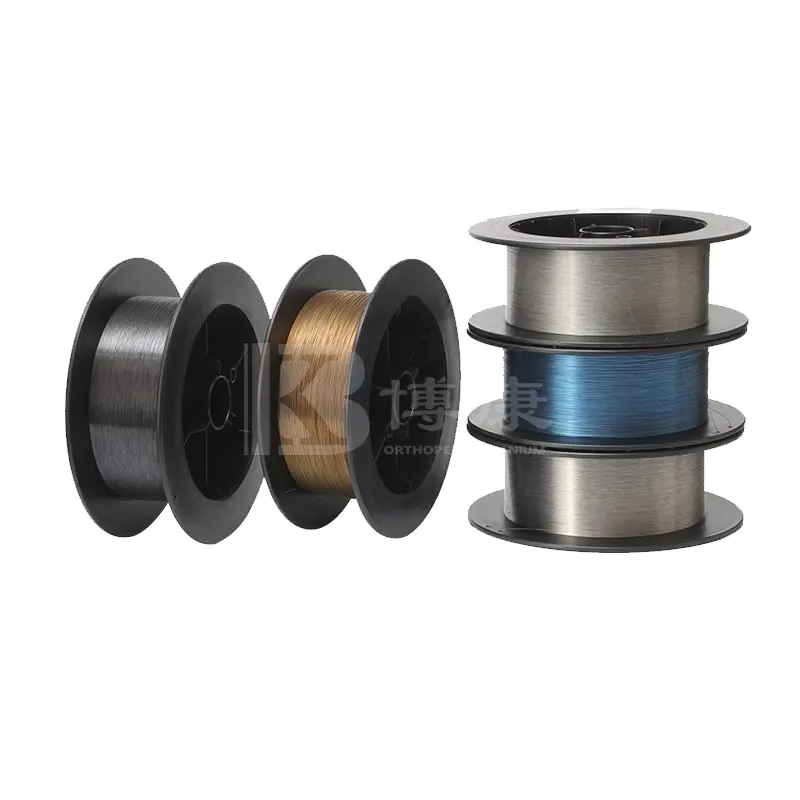
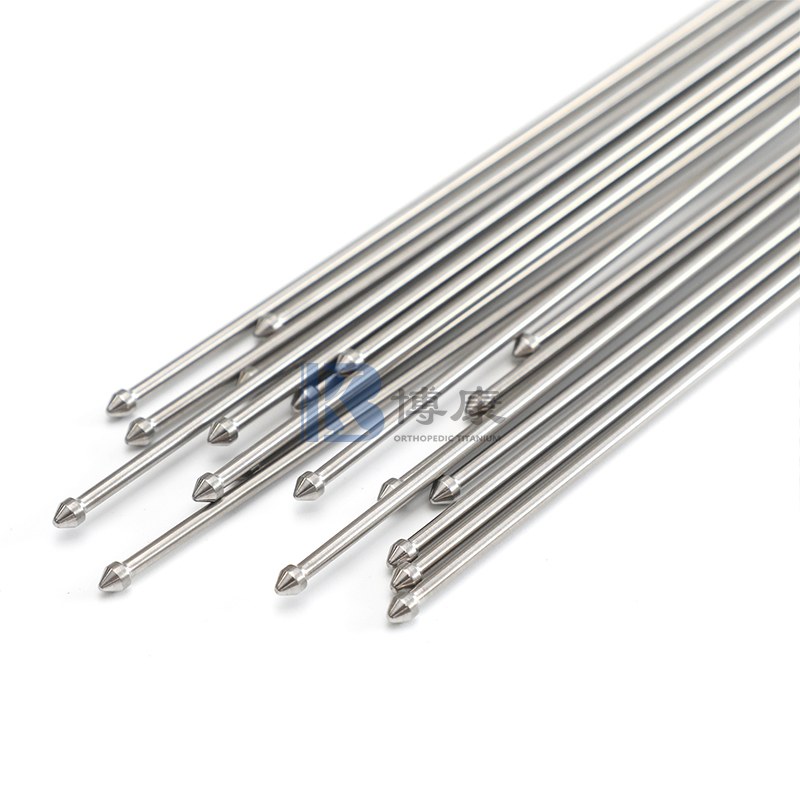
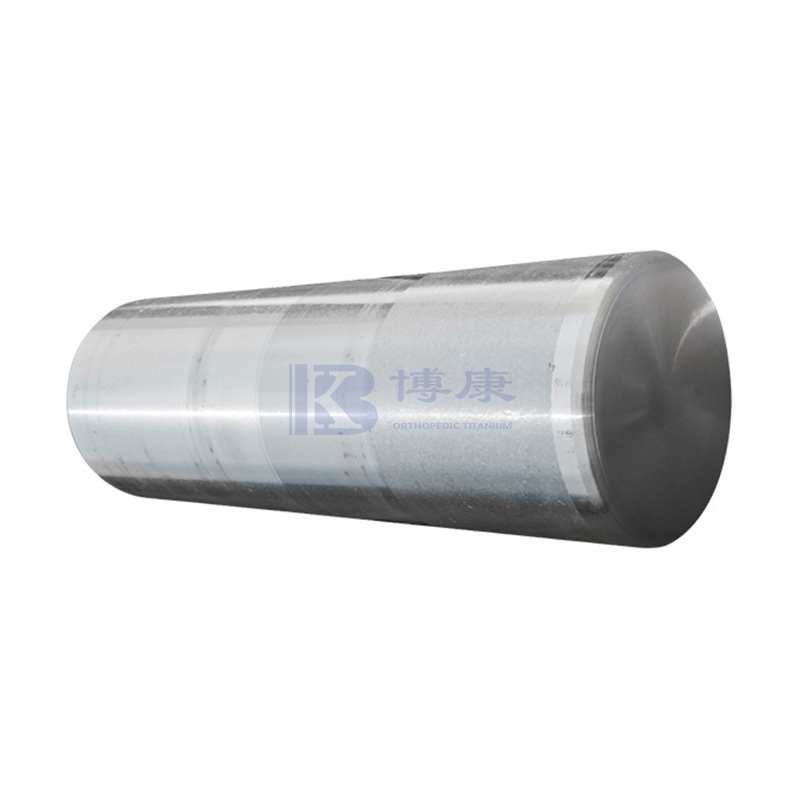
The choice of materials in engineering, construction, and manufacturing is crucial, as it affects both performance and cost efficiency. Among the wide range of metals used, titanium metal bar has gained recognition for its unique combination of strength, corrosion resistance, and lightweight properties. Comparing a titanium metal bar to stainless steel and aluminum bars can provide insight into which material is most suitable for specific industrial applications.
When evaluating metals for structural or mechanical use, key considerations include strength, density, and fatigue resistance.
Titanium metal bar offers an excellent balance of high tensile strength and low weight. Its strength-to-weight ratio is superior to that of stainless steel and significantly higher than aluminum. This characteristic allows it to bear heavy loads while reducing the overall weight of machinery or structural components.
In contrast, stainless steel bars are known for their robustness and rigidity. They excel in applications where high mechanical strength is necessary but come at a higher density, resulting in heavier structures. Stainless steel maintains consistent performance under high temperatures and stress, which makes it favorable in demanding industrial environments.
Aluminum bars, while lightweight and easy to handle, have lower tensile strength compared to both titanium and stainless steel. They are ideal for applications where weight reduction is critical, but they require careful consideration in load-bearing or high-stress applications.
| Property | Titanium metal bar | Stainless steel bar | Aluminum bar |
|---|---|---|---|
| Density | Low | High | Very low |
| Tensile strength | High | Moderate to high | Low |
| Fatigue resistance | Excellent | Good | Moderate |
| Elastic modulus | Moderate | High | Low |
This table highlights why titanium metal bar is often chosen for aerospace, medical, and marine applications where both strength and lightweight properties are critical.
One of the most significant advantages of titanium metal bar is its exceptional corrosion resistance. Titanium naturally forms a thin, protective oxide layer when exposed to oxygen, which prevents degradation in harsh environments. This characteristic allows it to resist chemical corrosion, seawater exposure, and industrial acids without significant maintenance.
Stainless steel bars are also resistant to corrosion due to their chromium content, but they may require additional coatings or maintenance in highly aggressive environments. Stainless steel can be susceptible to pitting and stress corrosion in chloride-rich environments, such as seawater.
Aluminum bars form an oxide layer that provides some corrosion resistance; however, aluminum is more prone to surface degradation in marine or acidic environments. Unlike titanium, aluminum requires protective coatings for long-term durability in demanding conditions.
The superior corrosion resistance of titanium metal bar translates into lower maintenance costs and longer lifespan, especially in industries like chemical processing, marine engineering, and medical devices.
The machining and fabrication of metals is another critical factor in material selection.
Titanium metal bar is known for its work-hardening properties, which makes machining slightly more challenging than stainless steel or aluminum. Specialized tools and controlled machining processes are necessary to avoid surface damage or tool wear. Despite these challenges, titanium metal bar can be welded, forged, or rolled to precise specifications, making it versatile for high-performance applications.
Stainless steel bars are easier to machine than titanium but require careful temperature control to prevent warping or reduced material integrity. They can be fabricated using conventional cutting, drilling, or welding techniques.
Aluminum bars are the easiest to machine among the three. Their softness and ductility allow for rapid processing and shaping, making aluminum ideal for large-scale manufacturing or applications where complex geometries are needed.
In terms of fabrication, the choice of titanium metal bar is often justified by its long-term benefits despite the higher initial machining effort.
The differences between titanium metal bar, stainless steel, and aluminum bars become more apparent when examining specific industry applications.
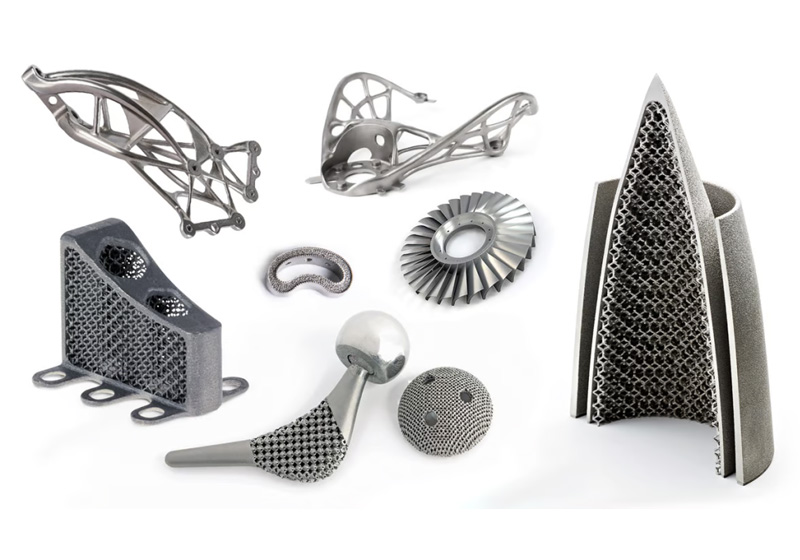
Aerospace:
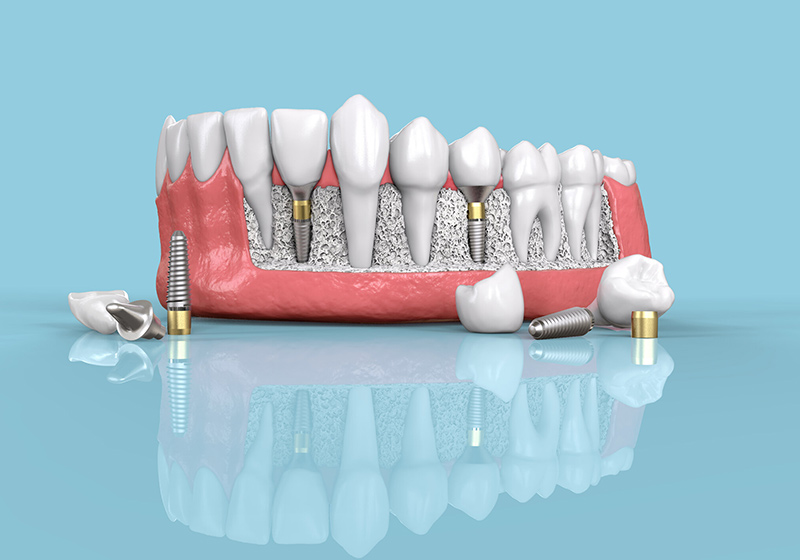
Medical Devices:
Marine and Chemical Engineering:
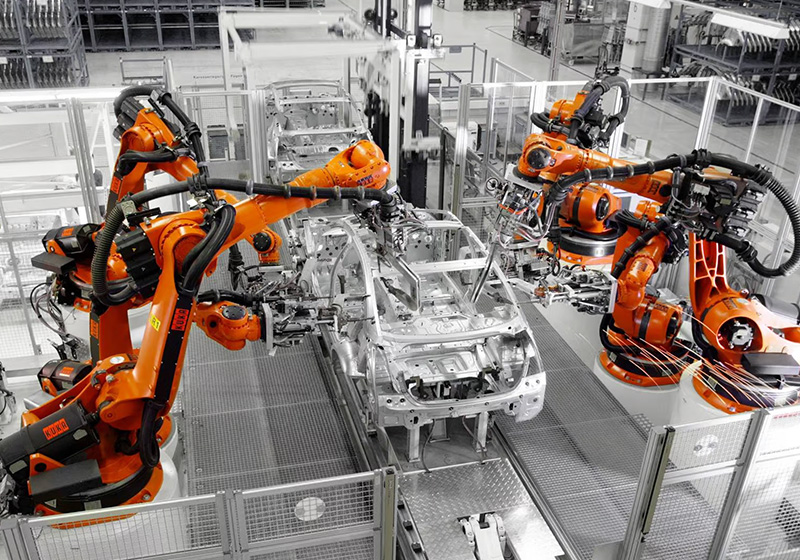
Automotive and Sports Equipment:
Cost remains a key factor in selecting a material.
Titanium metal bar is typically more expensive than stainless steel or aluminum bars due to the complex extraction process and machining requirements. However, its long lifespan, low maintenance, and superior performance in demanding environments often offset the higher upfront cost.
Stainless steel is more cost-effective and widely available. It balances performance and affordability, making it a standard choice in construction, machinery, and consumer goods.
Aluminum bars are the least expensive of the three. They offer low material cost and ease of manufacturing but may require additional treatments to ensure durability in demanding applications.
When evaluating return on investment, the titanium metal bar often provides the best long-term value for specialized applications where strength, corrosion resistance, and weight savings are critical.
Increasingly, environmental considerations influence material selection.
Titanium metal bar is highly recyclable without loss of properties, and its long service life reduces the frequency of replacement, lowering environmental impact. The energy-intensive production is offset by reduced maintenance and replacement requirements.
Stainless steel is also recyclable and widely used in sustainable construction and manufacturing. Aluminum, while highly recyclable, has a higher energy demand during extraction but offers weight savings that improve fuel efficiency in transportation applications.
Considering environmental and lifecycle impacts, titanium metal bar stands out in applications where longevity and minimal maintenance reduce environmental footprint.
Comparing a titanium metal bar with stainless steel and aluminum bars highlights several important distinctions:
In conclusion, while stainless steel and aluminum bars offer advantages in cost and ease of fabrication, titanium metal bar provides a combination of strength, durability, corrosion resistance, and weight savings that make it the preferred material for high-performance and specialized industrial applications. Selecting the appropriate material depends on the specific requirements of the project, including mechanical load, environmental exposure, manufacturing considerations, and long-term economic and sustainability goals.
Copyright © 2024 Changzhou Bokang Special Material Technology Co., Ltd. All Rights Reserved.
Custom Round Pure Titanium Rod Manufacturers Privacy