EN
EN
 English
 日本語
日本語 한국어
한국어 Español
 عربى
عربى русский
 Deutsch
 中文简体
中文简体


Home / News / Industry News / ASTM F67 vs ASTM F136: A Comprehensive Guide to Medical Titanium Materials

 Send Inquiry
 Send Inquiry
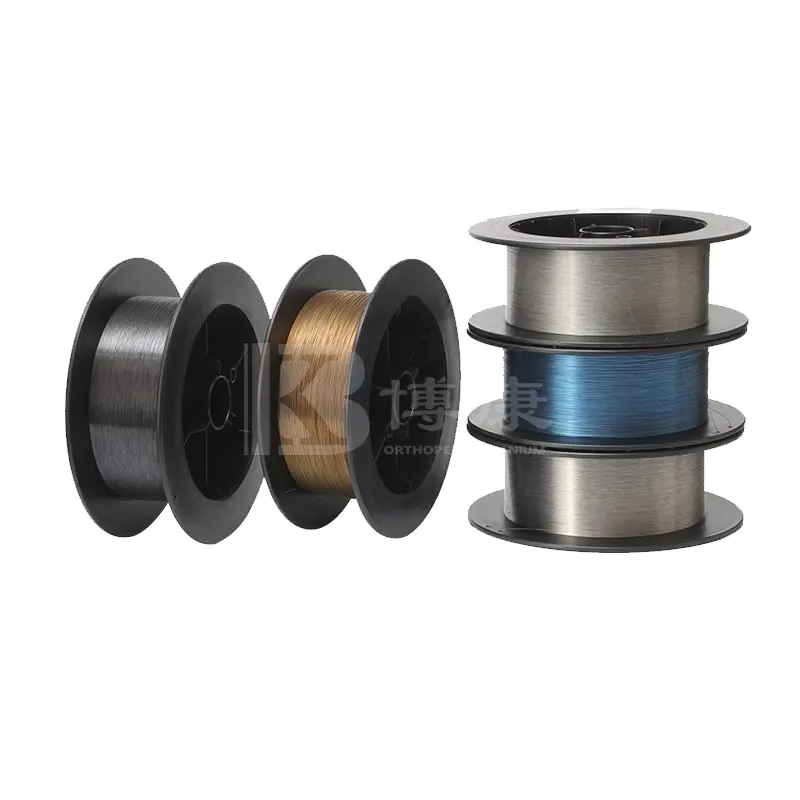
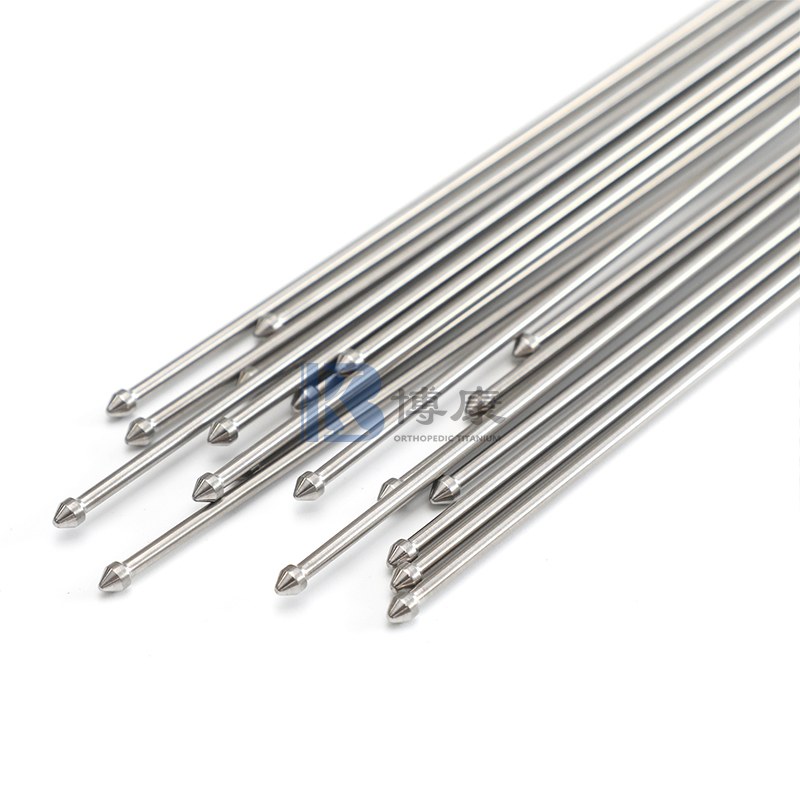
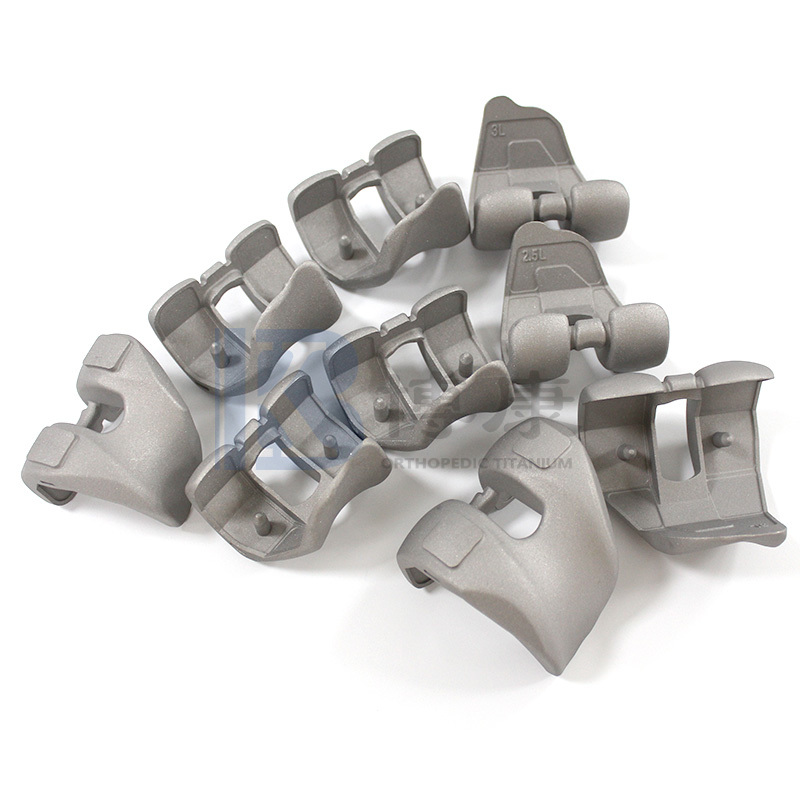
In orthopedic, dental, and medical device manufacturing, ASTM F67 (commercially pure titanium) and ASTM F136 (Ti-6Al-4V ELI titanium alloy) are two core material standards. Choosing the wrong material can affect the long-term performance of implants and surgical outcomes. Bokang titanium provides a clear comparison of both standards, key differences, clinical applications, and FAQs to help make informed material decisions.

Key takeaway: Choose F136 for high load-bearing and fatigue resistance; choose F67 for maximum biocompatibility, complex shaping, or bone integration applications.
| Feature | ASTM F67 (CP-Ti, Gr1-Gr4) | ASTM F136 (Ti-6Al-4V ELI) | Clinical Tips |
|---|---|---|---|
| Material | Commercially pure titanium, low impurities | Ti-6Al-4V alloy, low interstitials | F136 for load-bearing; F67 for biocompatibility/bone integration |
| Strength & Fatigue | Moderate | High | F67 suitable for forming and bone integration; F136 for mechanical load |
| Advantages | Excellent biocompatibility, corrosion resistance, ductile, easy to shape | High strength, excellent toughness, proven clinical record | Select based on implant function |
| Limitations | Lower absolute strength and fatigue resistance | Contains Al and V (clinically safe, theoretical concerns exist) | F67 not for major load-bearing; consider patient factors |
| Typical Applications | Dental implants, craniofacial plates, porous coatings | Joint stems, spinal fusion implants, long bone plates/nails | See clinical application guide below |
F67 (CP-Ti): High purity titanium with stable oxide layer, excellent biocompatibility, no alloy elements.
F136 (Ti-6Al-4V ELI): Contains 6% aluminum (strength) and 4% vanadium (toughness). Decades of clinical use confirm safety and performance.
Strength: F136 is ~1.5–2× stronger than F67 Gr4.
Fatigue resistance: F136 performs better under high cyclic loads, critical for joint implants.
Ductility: F67 has higher elongation, easier to shape; F136 balances strength and toughness.
Forming: F67 is easier to cold-form, bend, and shape, suitable for intraoperative adjustments.
Machining & Welding: Both can be machined/welded; F136 is harder and causes more tool wear.
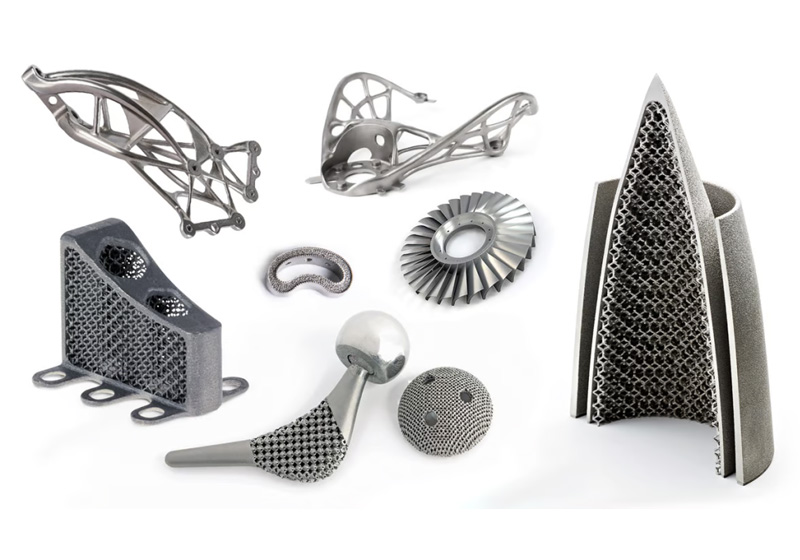
3D Printing: F67 preferred for porous structures for bone ingrowth; F136 for load-bearing porous or solid parts.
Recommended: F136
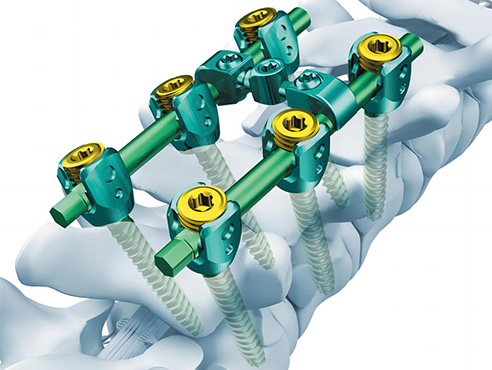
Examples: Hip/knee stems, spinal fusion implants, long bone plates and nails
Reason: High mechanical loads require superior strength and fatigue resistance.
Recommended: F67 (Grade 3/4)
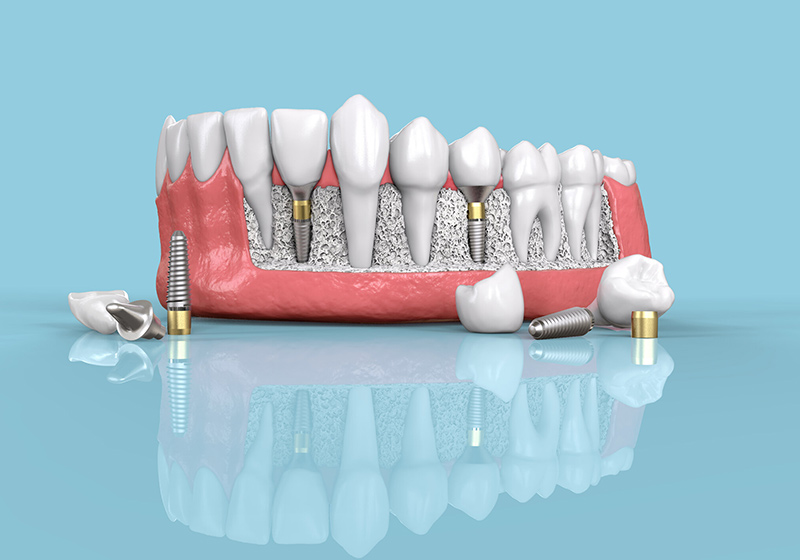
Examples: Dental implants
Reason: Biocompatibility and bone integration are more important than maximum strength.
Recommended: F67
Examples: Cranial/face repair plates and meshes
Reason: Non-load-bearing areas; high formability and biocompatibility needed.
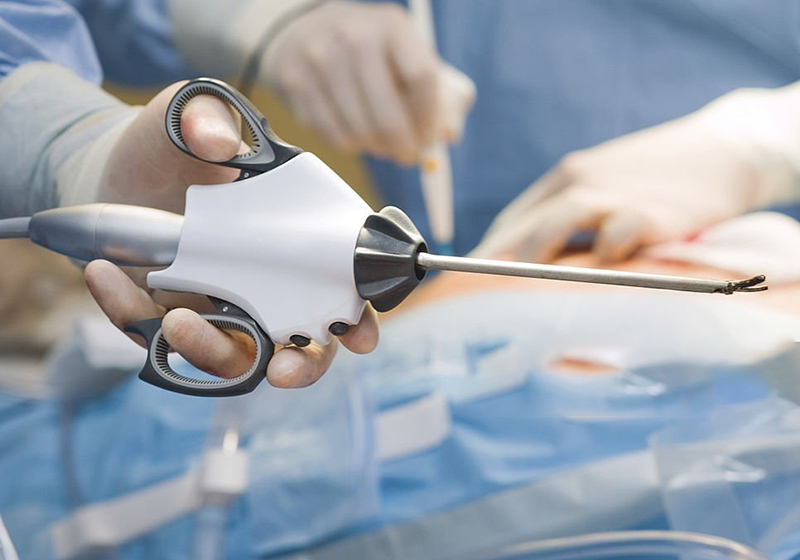
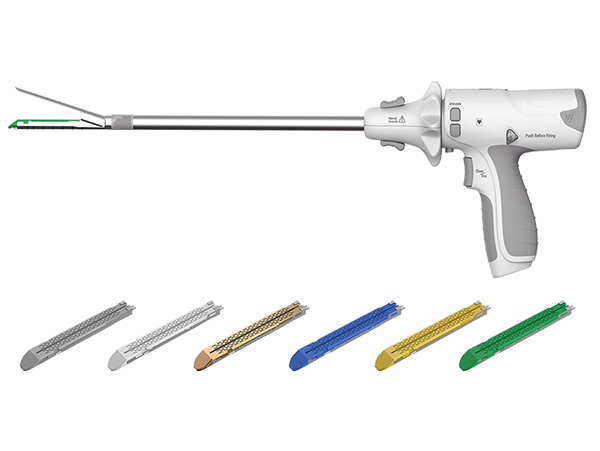
F67: Pacemaker shells, surgical instruments in contact with tissue
F136: High-strength instrument handles or load-bearing components
3D-printed porous structures: F67 for bone ingrowth; F136 for load-bearing custom implants
Q1: Is aluminum and vanadium in F136 safe?
A: Yes. Over 40 years of global clinical use and surface oxide protection ensure safety. Only extremely rare cases (e.g., severe kidney dysfunction) might warrant using pure titanium.
Q2: Why are dental implants mostly F67 instead of F136?
A: Dental implants rely on stable bone integration rather than extreme mechanical load. F67 provides excellent biocompatibility and sufficient strength.
Q3: Which material for 3D-printed porous implants?
A: F67 for porous structures to enhance bone ingrowth; F136 for load-bearing porous or solid structures.
Q4: How to choose the right material based on implant location?
High load-bearing/cyclic stress areas → F136
Bone integration with low load → F67
Areas requiring bending or shaping → F67
Porous structures for bone ingrowth → F67
ASTM F67 and F136 are complementary rather than competing standards:
F136 = strength and load-bearing expert
F67 = biocompatibility and formability champion
Choosing the right material depends on implant function, mechanical load, manufacturing process, and regulatory requirements. Understanding these standards is the first step toward safe and effective implant design.
Need help selecting materials for your medical devices?
Changzhou Bokang Special Materials provides full-range ASTM F67 and F136 titanium solutions and offers technical support from material selection to manufacturing guidance.
Get a free material evaluation or contact our engineers for one-on-one consultation.

Copyright © 2024 Changzhou Bokang Special Material Technology Co., Ltd. All Rights Reserved.
Custom Round Pure Titanium Rod Manufacturers Privacy