
ASTM F67 / F136 Certified Titanium Material for Orthopedic & Dental Implants And Surgical Devices High-precision CP ...
View DetailsTitanium Tig Wire
A dedicated filler wire for Gas Tungsten Arc Welding (GTAW/TIG) of titanium alloys, designed to ensure weld integrity and corrosion resistance.
Product Overview
Bokang's Titanium Tig Wire is manufactured using advanced vacuum arc remelting technology, ensuring exceptional purity and consistent mechanical properties.
Titanium TIG wire is a non-consumable electrode welding process used specifically for joining titanium and its alloys. The wire serves as the filler material, melted by the heat of the tungsten arc to form the weld joint.
This wire is manufactured to match the composition of base titanium metals such as Grade 1, 2, 5 (Ti-6Al-4V), and others, ensuring the resulting weld possesses mechanical and corrosion-resistant properties equivalent to the parent material. Successful welding with titanium TIG wire requires strict atmospheric shielding, typically with argon gas, both from the torch and often via a trailing shield or purge chamber, to prevent contamination by oxygen, nitrogen, or hydrogen at elevated temperatures. It is commonly supplied in straight lengths, with surface cleanliness and precise diameter tolerances being critical for consistent feedability and weld pool stability.
Technical Support & Documentation
Related Products
Explore our other high-performance materials

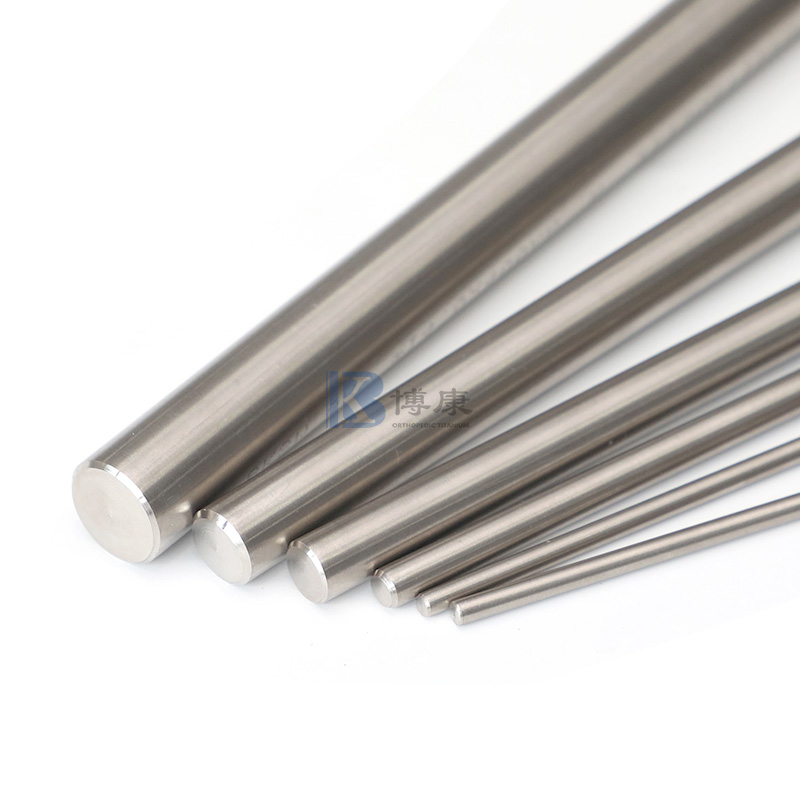
Premium Titanium Round Bars / Rods for Medical, Industrial, and Aerospace Applications Unmatched Quality & Certifica...
View Details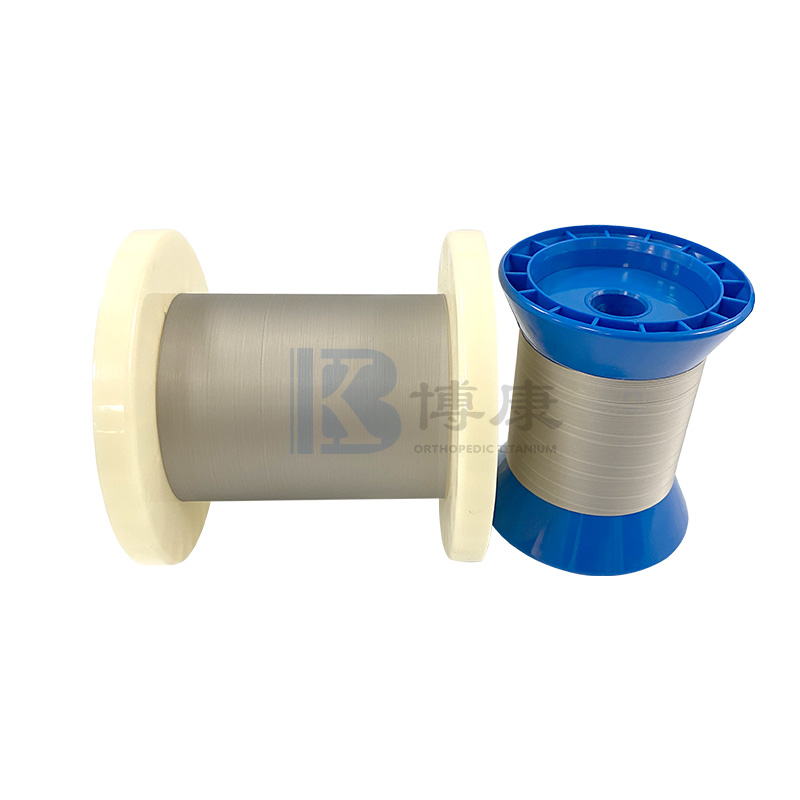
High-Purity Titanium Wire for Surgical Sutures, Staples, and Precision Medical Instruments Bokang offers premium medical...
View Details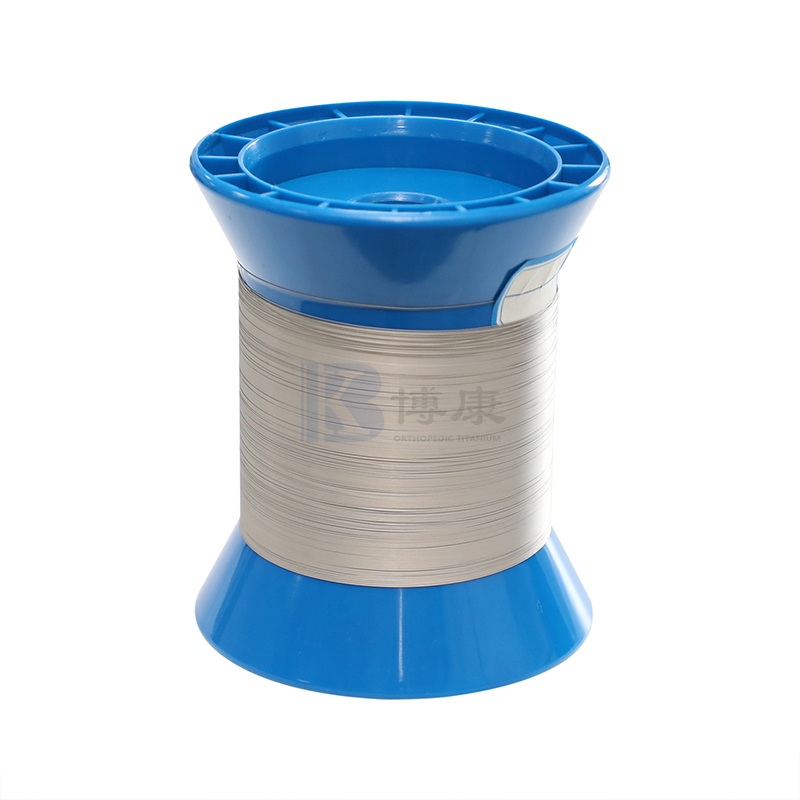
Bokang Titanium offers a wide range of high-quality titanium wires, manufactured through multiple drawing processes. Our...
View Details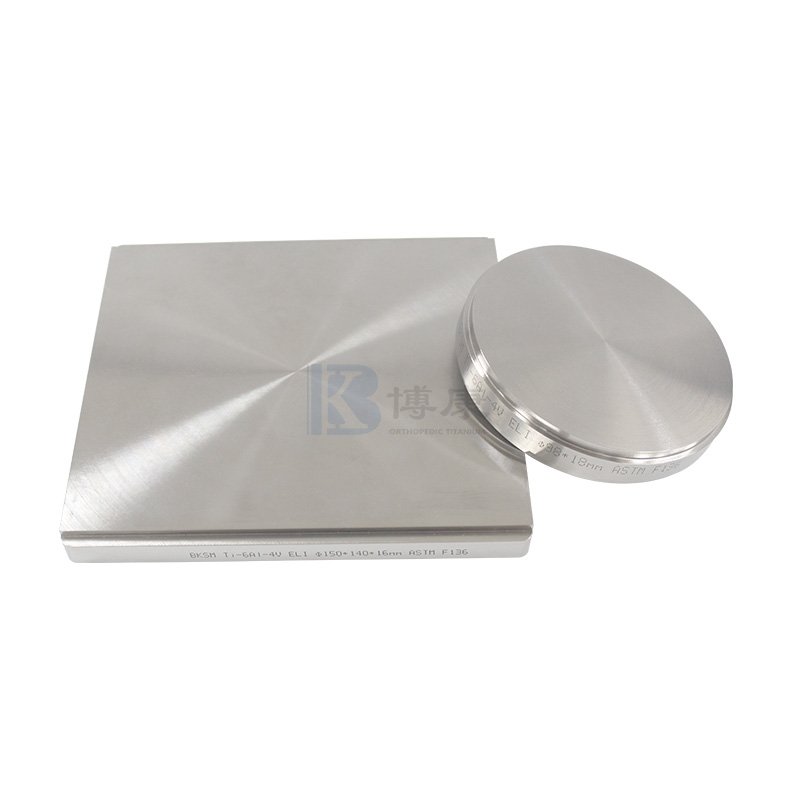
Dental Titanium Discs & Blocks – Medical Grade for CAD/CAM Milling High-quality dental titanium discs and blocks d...
View Details
Titanium Ingot (Ti Ingot) Description Our titanium ingots are made from high-purity sponge titanium and premium interme...
View DetailsTechnical Specifications
Detailed specifications for our Titanium Tig Wire
| Parameter | Typical Specification |
|---|---|
| Common Grades | ERTi-1, ERTi-2, ERTi-5 (ERTi-6Al-4V), ERTi-7, ERTi-9 |
| Standard Diameters | 0.8 mm, 1.0 mm, 1.2 mm, 1.6 mm, 2.0 mm, 2.4 mm, 3.2 mm |
| Standard Length | ~1000 mm (straight lengths), also available on spools |
| Form | Straightened and cut wire, polished surface |
| Packaging | Vacuum-sealed packs, individual plastic sleeves |
| Key Standards | AWS A5.16, ASTM B863, ISO 24034 |
Key Advantages of Bokang Titanium Tig Wire
Discover why our titanium wire stands out in the industry
Precise Composition Control
Chemistry is tightly controlled to match base metal specifications, ensuring weld metal properties like strength and ductility meet required standards.
Optimized Surface Finish
A clean, smooth, and grease-free surface minimizes the introduction of impurities into the weld pool, which is critical for reactive metals like titanium.
Consistent Feedability
Accurate diameter and straightness allow for smooth manual feeding during the TIG process, contributing to uniform bead appearance and penetration.
Material Comparison
Titanium Tig Wire vs. Competitive Alternatives
| Feature | Titanium TIG Wire | Stainless Steel TIG Wire | Aluminum TIG Wire |
|---|---|---|---|
| Primary Use | Welding Titanium Alloys | Welding Stainless Steels | Welding Aluminum Alloys |
| Shielding Gas | Pure Argon (critical) | Argon or Argon/Helium Mixes | Pure Argon |
| Surface Cleanliness | Extremely High Requirement | High Requirement | High Requirement |
| Typical Packaging | Vacuum-sealed | Plastic Spools/Coils | Plastic Spools/Coils |
| Reactivity | Extremely High (with air at temp) | Moderate | High |
Applications
Titanium Tig Wire applications across various industries
Aerospace
- Structural airframe components.
- Engine mounts.
- Fluid systems.
Chemical Processing
- Heat exchangers.
- Reactors, piping, and vessels handling corrosive media.
Marine & Offshore
- Subsea components.
- Seawater piping and fittings where corrosion resistance is paramount.
Medical Implants
- Welding of titanium cases for pacemakers.
- Surgical instrument housings.
- Non-implantable device frames.
Architecture
- High-end architectural features and roofing requiring durability and a specific aesthetic.
Material Selection Guide
How to choose the right titanium wire for your application
1
Match Base Metal Grade
Select a filler wire grade that matches or is compatible with the base titanium alloy. For pure titanium (Grade 1,2), use ERTi-1/2. For Ti-6Al-4V (Grade 5), use ERTi-5.
2
Consider Joint Design and Diameter
Choose wire diameter based on material thickness and joint geometry. Thinner materials (below 1.5mm) typically use 0.8-1.0mm wire, while thicker sections may require 1.6-2.4mm wire.
3
Assess Service Environment
For applications requiring enhanced corrosion resistance or high-temperature stability (e.g., chemical processing), consider grades like ERTi-7 (Pd stabilized) or ERTi-12.
Production Process & Quality Control
Our rigorous manufacturing process ensures consistent quality
Raw Material Preparation
High-purity titanium sponge and alloying elements are pressed into electrodes under inert atmosphere to prevent contamination.
→
Vacuum Arc Melting
The electrode is melted in a Vacuum Arc Remelting (VAR) furnace, often multiple times, to achieve a homogenous and impurity-free ingot.
→
Hot & Cold Forming
The ingot is forged, rolled, and drawn through a series of dies at controlled temperatures to reduce it to the target wire diameter.
Surface Finishing & Cleaning
The wire undergoes pickling, grinding, or polishing to remove surface scale and oxides, followed by ultrasonic cleaning.
Straightening, Cutting & Packaging
The wire is straightened, cut to precise lengths, inspected, and immediately vacuum-sealed in protective packaging to maintain cleanliness.
Frequently Asked Questions
Common questions about pure titanium wire
Titanium is highly reactive and begins to form an oxide and nitride layer upon exposure to air at room temperature, and rapidly at welding temperatures. This layer can compromise weld integrity. Vacuum packaging prevents this atmospheric contamination during storage and transport, ensuring the wire surface remains clean for welding.
While pure argon is common for both, titanium welding demands more rigorous gas shielding. In addition to the standard torch cup, a larger gas lens and a trailing shield are often recommended to protect the hot, solidifying weld bead and heat-affected zone from air. Back purging of the weld root is also essential for full-penetration welds.
Why Choose Bokang Titanium?
18+ years of experience in high-quality titanium materials
18+
Years Experience
28+
Patents & Certifications
200+
Skilled Employees
ISO 13485:2016
Medical Device Certification
Our Commitment to Quality
Changzhou Bokang Special Material Technology Co., Ltd. is Wholesale Titanium Tig Wire Manufacturers and Custom Titanium Tig Wire Suppliers. At Bokang Titanium, we adhere to the strictest quality control protocols throughout our manufacturing process. Every batch of pure titanium wire undergoes rigorous testing including dimensional verification, mechanical property testing, surface quality inspection, and chemical analysis to ensure compliance with international standards.
Our quality management system is certified to ISO 9001:2015 and ISO 13485:2016 for medical device applications, ensuring full traceability from raw material to finished product. We maintain comprehensive documentation including material certifications, test reports, and process validation records.
With 18+ years of experience in titanium material production, we have developed specialized expertise in medical-grade, aerospace-grade, and industrial-grade titanium alloys. Our products are trusted by leading medical device manufacturers, aerospace companies, and industrial clients worldwide. We offer OEM/ODM Titanium Tig Wire for sale.