
ASTM F67 / F136 Certified Titanium Material for Orthopedic & Dental Implants And Surgical Devices High-precision CP ...
View DetailsThin Titanium Wire
Ultra-fine diameter titanium wire, precision-drawn for specialized applications in medical devices, electronics, filtration, and fine jewelry.
Product Overview
Bokang's Thin Titanium Wire is manufactured using advanced vacuum arc remelting technology, ensuring exceptional purity and consistent mechanical properties.
Thin titanium wire refers to wire products with diameters typically below 0.5mm (0.020 inches), extending down to just a few microns for the finest gauges. This product is the result of sophisticated cold drawing and annealing processes that reduce larger titanium rod to extremely fine dimensions while maintaining the material's intrinsic properties of corrosion resistance, biocompatibility, and high strength-to-weight ratio. The production of such fine wire demands exceptional control over surface finish, dimensional tolerance, and freedom from defects.
Available in commercially pure grades (Grade 1, 2) for maximum ductility and formability, and in alloys like Ti-6Al-4V for higher strength, thin titanium wire serves highly specialized markets. It is used as a raw material for weaving fine meshes, as a conductor or structural element in micro-electromechanical systems (MEMS), as suture wire in surgery, and as a creative medium in advanced jewelry making. Its handling and processing require specialized equipment and techniques due to its delicacy and tendency to work harden.
Technical Support & Documentation
Related Products
Explore our other high-performance materials

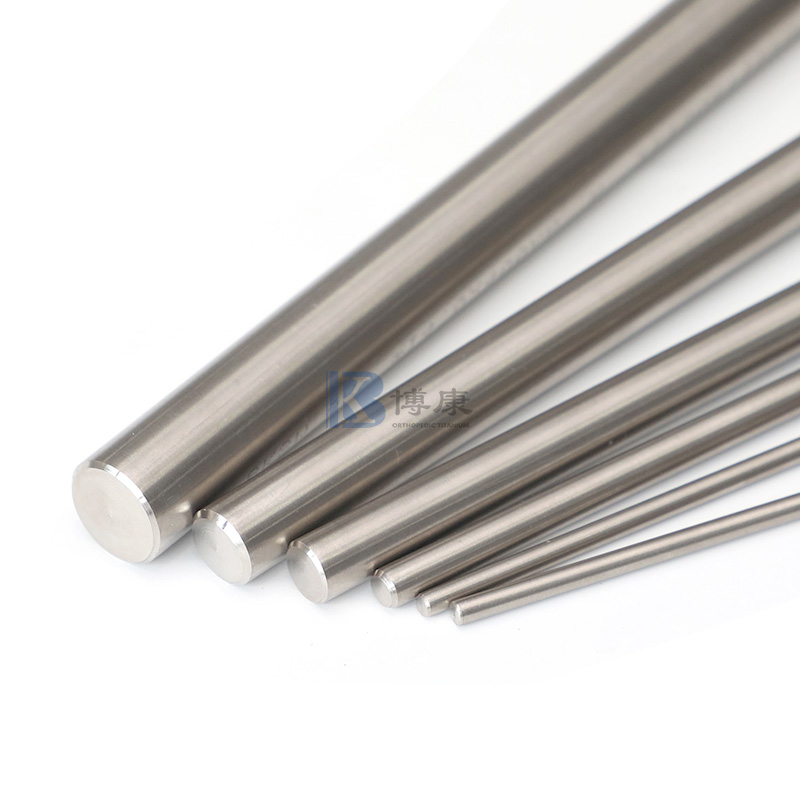
Premium Titanium Round Bars / Rods for Medical, Industrial, and Aerospace Applications Unmatched Quality & Certifica...
View Details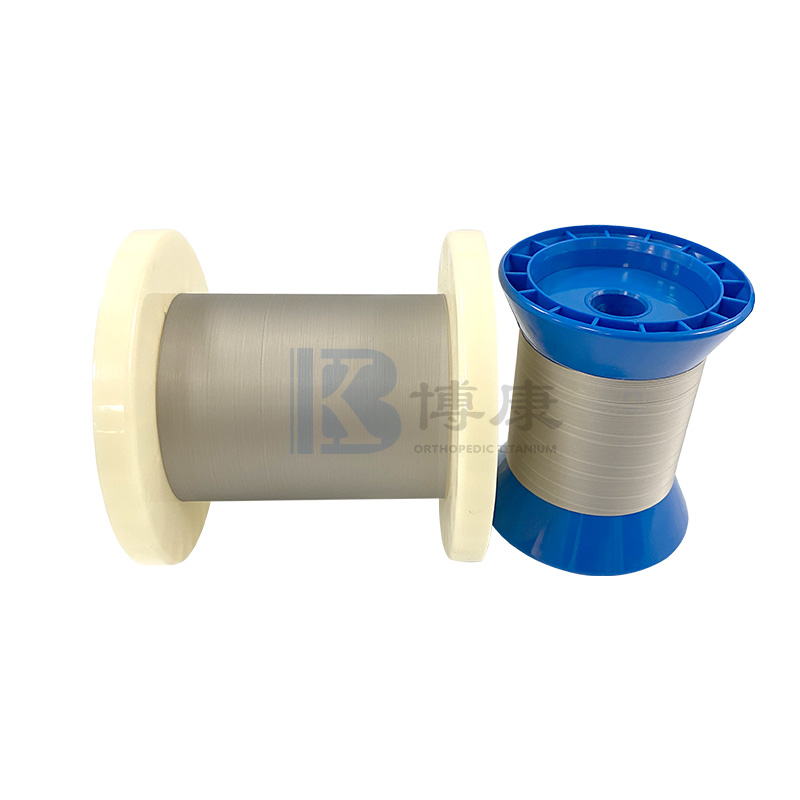
High-Purity Titanium Wire for Surgical Sutures, Staples, and Precision Medical Instruments Bokang offers premium medical...
View Details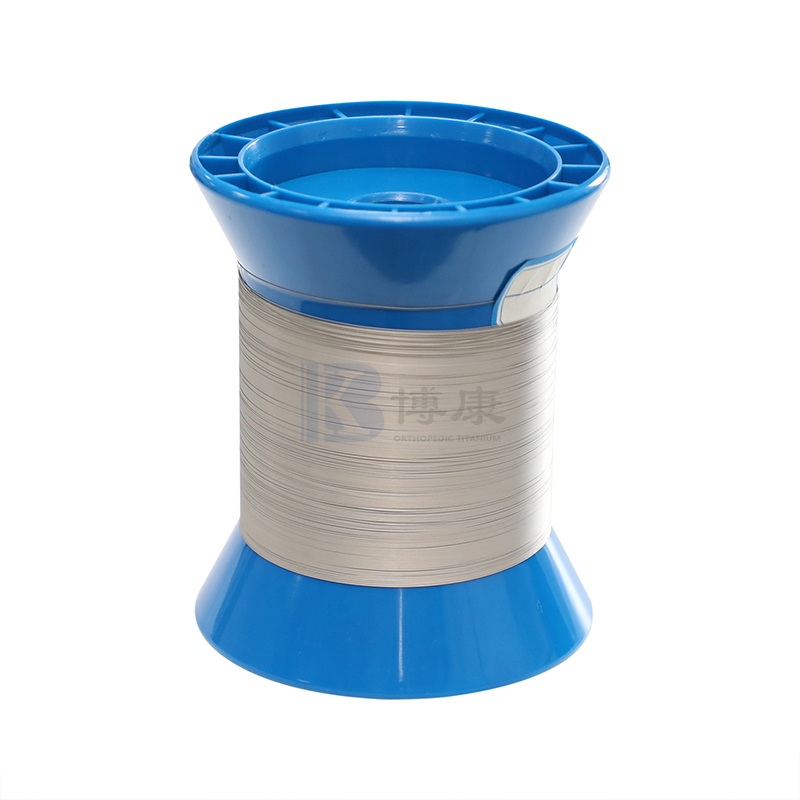
Bokang Titanium offers a wide range of high-quality titanium wires, manufactured through multiple drawing processes. Our...
View Details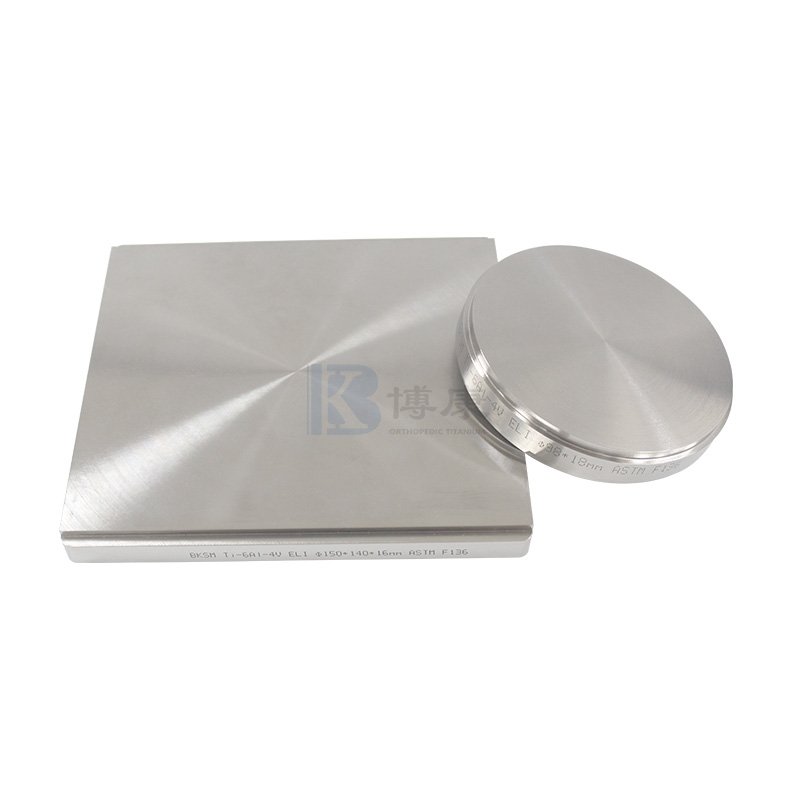
Dental Titanium Discs & Blocks – Medical Grade for CAD/CAM Milling High-quality dental titanium discs and blocks d...
View Details
Titanium Ingot (Ti Ingot) Description Our titanium ingots are made from high-purity sponge titanium and premium interme...
View DetailsTechnical Specifications
Detailed specifications for our Thin Titanium Wire
| Diameter Range | 0.025 mm (0.001") to 0.5 mm (0.020") |
| Tolerance | Precision: typically ±0.001 mm (±0.00004") for finest gauges |
| Standard Forms | Spooled (on reels, bobbins), Straightened & Cut Lengths |
| Available Grades | CP Ti (Grade 1, 2), Ti-6Al-4V (Grade 5, 23 for medical), NiTi (Nitinol) |
| Surface Finish | Bright (drawn), Annealed (matte), Electropolished, Coated (e.g., PTFE) |
| Key Properties | High Tensile Strength (especially cold drawn), Excellent Flexibility (CP Ti), Biocompatibility |
Key Advantages of Bokang Thin Titanium Wire
Discover why our titanium wire stands out in the industry
Precision for Micro-Scale Applications
Enables the construction of components and devices at the micro-scale where traditional materials cannot be formed with sufficient consistency or purity.
Ideal for Weaving Fine Meshes and Screens
The combination of fine diameter, high strength, and corrosion resistance makes it perfect for creating durable, chemically inert filtration media for critical processes.
Superior Electrical and Thermal Properties in Miniature Forms
While not a high conductor, its stability and resistance to oxidation at high temperatures make it suitable for fine heating elements or leads in harsh environments.
Material Comparison
Thin Titanium Wire vs. Competitive Alternatives
| Feature | Thin Titanium Wire (Grade 2, 0.1mm) | Thin Stainless Steel 316L Wire | Thin Platinum Wire |
|---|---|---|---|
| Primary Use in Fine Wire Form | Medical Meshes, Micro-welding, Jewelry | General Purpose, Springs, Staples | High-Temperature Sensors, Electrodes |
| Corrosion Resistance (In-Vivo/Body Fluid) | Excellent | Very Good | Excellent |
| Relative Cost (Material) | High | Low | Extremely High |
| Ease of Fine Drawing | Difficult (work hardens) | Good | Excellent (ductile) |
| MRI Compatibility | Excellent (Non-ferromagnetic) | Poor (Ferromagnetic) | Excellent |
Applications
Thin Titanium Wire applications across various industries
Advanced Medical Devices
- Stents and stent grafts woven from multiple fine wires.
- Electrodes for deep brain stimulation (DBS) and other neural implants.
- Orthodontic archwires and ligature wires.
- Suture wire for specialized surgical procedures.
Electronics & Sensors
- Bonding wire for high-reliability microelectronics in aerospace.
- Heating elements for miniature heaters and gas sensors.
- Lead wires for high-temperature sensors and thermocouples.
Industrial Filtration
- Woven filter cloths for corrosive chemical filtration.
- Mesh screens for polymer extrusion and spinning.
- Reinforcement in composite membranes for fuel cells or electrolyzers.
Material Selection Guide
How to choose the right titanium wire for your application
1
Define the Functional Requirement Beyond Size
Is the wire for structural support (choose stronger alloy), electrical conduction (consider coating), or purely for spacing/weaving (choose ductile CP Ti)? This drives grade selection.
2
Specify Diameter and Tolerance with Realistic Expectations
Tolerances tighten and cost increases dramatically below 0.1mm. Specify the minimum acceptable diameter and the tightest tolerance your application truly needs to control cost.
3
Select Surface Finish Based on End-Use Interaction
For implantable devices, electropolished wire reduces friction and improves biocompatibility. For weaving, a bright drawn finish may suffice. For soldering or bonding, a clean, oxide-free surface is critical.
4
Consider Packaging and Handling Needs
Fine wire is easily tangled. Specify spooling parameters (spool diameter, tension) to ensure it can be fed reliably into your automated equipment or handled manually without kinking.
Production Process & Quality Control
Our rigorous manufacturing process ensures consistent quality
Initial Rod Drawing to Intermediate Size
Larger titanium rod is drawn down to an intermediate fine wire size (e.g., 0.5mm) through a series of dies with intermediate anneals.
→
Ultra-Fine Drawing on Specialized Machines
The wire is fed through precision diamond or tungsten carbide dies on fine-wire drawing machines, reducing diameter in micron-level increments. This is done in cleanroom-like conditions.
→
In-Process Annealing in Continuous Furnaces
To counteract extreme work hardening, the wire passes through inert atmosphere annealing furnaces between drawing passes to restore ductility.
→
Surface Treatment and Cleaning
The drawn wire may be electropolished or chemically cleaned to remove drawing lubricants and achieve a specified surface roughness and purity.
→
Precision Spooling under Tension Control
The continuous wire is spooled onto custom bobbins or reels with precise tension control to prevent stretching, kinking, or tangling.
→
Microscopic Inspection and Certification
100% diameter monitoring via laser gauges. Samples undergo tensile testing and surface inspection under microscopes. Material is certified for critical applications like medical use.
Frequently Asked Questions
Common questions about pure titanium wire
Non-contact laser micrometers are the standard for in-process and final inspection. They project a laser beam across the wire; the shadow cast is measured to calculate diameter with sub-micron resolution. For the finest wires (<0.05mm), scanning electron microscopy (SEM) may be used for verification. Suppliers provide certified test reports with actual diameter measurements.
Welding is possible but challenging due to the small mass. Laser micro-welding and resistance welding are the primary methods. Soldering titanium is difficult because of its stable oxide layer. It requires active fluxes (often containing fluoride) or specialized techniques like ultrasonic soldering. For electrical connections, crimping or wire bonding is often preferred over soldering.
Breakage is usually due to: 1) Microscopic surface defects (scratches, inclusions) acting as stress concentrators. 2) Excessive work hardening without adequate intermediate annealing. 3) Improper tension during spooling causing yield or fatigue. 4) Kinks or sharp bends introduced during handling. Using wire from a reputable source with controlled processes minimizes these risks.
Yes, MOQs are typically high due to the specialized setup and long run times required for fine drawing. A single drawing run may produce tens of kilometers of wire. MOQs can range from a few kilograms to a full spool (which may contain many kilometers). For prototype or R&D needs, inquire about purchasing from existing stock or remnant spools.
Thin wire is typically much stronger in terms of tensile strength due to extensive cold work from drawing. A 0.1mm diameter Grade 2 wire may have an ultimate tensile strength exceeding 1000 MPa, compared to 345 MPa for annealed sheet. However, this comes with significantly reduced ductility. The wire is strong but brittle if bent sharply.
Why Choose Bokang Titanium?
18+ years of experience in high-quality titanium materials
18+
Years Experience
28+
Patents & Certifications
200+
Skilled Employees
ISO 13485:2016
Medical Device Certification
Our Commitment to Quality
Changzhou Bokang Special Material Technology Co., Ltd. is Wholesale Thin Titanium Wire Manufacturers and Custom Thin Titanium Wire Suppliers. At Bokang Titanium, we adhere to the strictest quality control protocols throughout our manufacturing process. Every batch of pure titanium wire undergoes rigorous testing including dimensional verification, mechanical property testing, surface quality inspection, and chemical analysis to ensure compliance with international standards.
Our quality management system is certified to ISO 9001:2015 and ISO 13485:2016 for medical device applications, ensuring full traceability from raw material to finished product. We maintain comprehensive documentation including material certifications, test reports, and process validation records.
With 18+ years of experience in titanium material production, we have developed specialized expertise in medical-grade, aerospace-grade, and industrial-grade titanium alloys. Our products are trusted by leading medical device manufacturers, aerospace companies, and industrial clients worldwide. We offer OEM/ODM Thin Titanium Wire for sale.