
ASTM F67 / F136 Certified Titanium Material for Orthopedic & Dental Implants And Surgical Devices High-precision CP ...
View DetailsTitanium Tig Filler Rod
Solid titanium rods used as filler metal in TIG welding to create robust, corrosion-resistant joints in titanium components.
Product Overview
Bokang's Titanium Tig Filler Rod is manufactured using advanced vacuum arc remelting technology, ensuring exceptional purity and consistent mechanical properties.
Titanium TIG filler rods are essentially the same product as Titanium TIG wire; the terms "wire" and "rod" are often used interchangeably in the context of TIG welding filler metal. Typically, "rod" may imply a larger diameter or a focus on manual feeding in straight lengths. These rods are consumable additions to the weld pool, melted by the arc generated from a non-consumable tungsten electrode.
Their core function is to add material to the joint, ensuring proper fill and reinforcement while matching the base metal's metallurgical properties. The production and handling requirements are exceptionally stringent. Even slight surface contamination from oils, moisture, or oxides can lead to weld defects such as porosity or embrittlement. Therefore, these rods undergo extensive cleaning and are packaged to maintain a pristine condition until the moment of use.
Technical Support & Documentation
Related Products
Explore our other high-performance materials

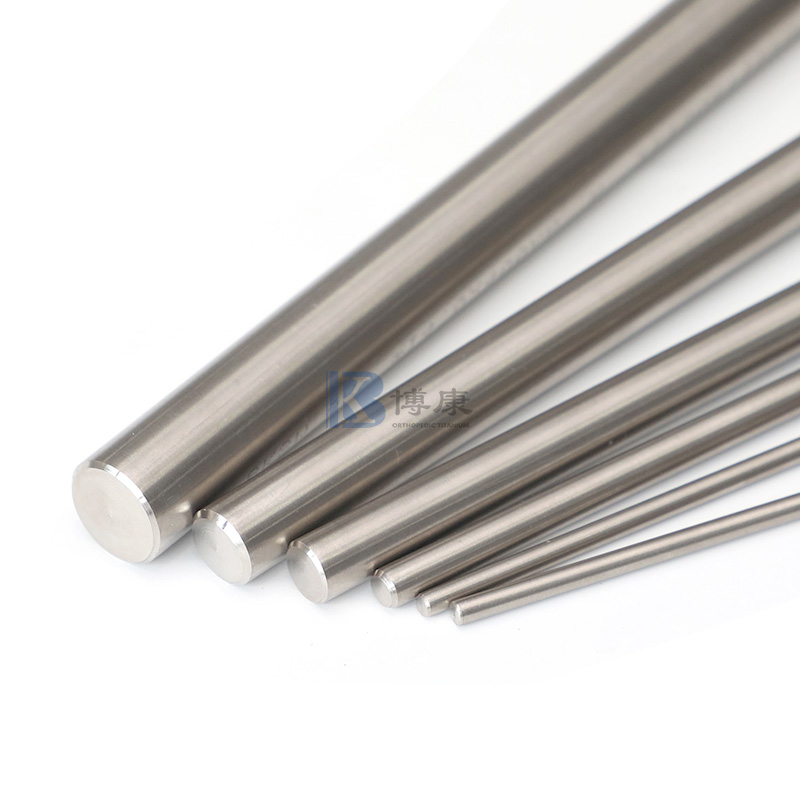
Premium Titanium Round Bars / Rods for Medical, Industrial, and Aerospace Applications Unmatched Quality & Certifica...
View Details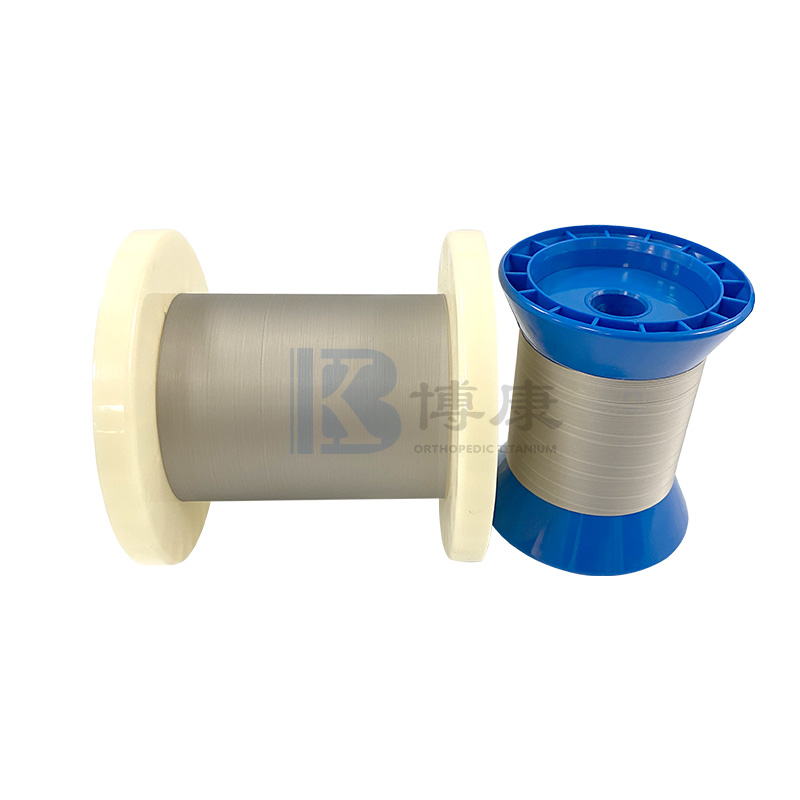
High-Purity Titanium Wire for Surgical Sutures, Staples, and Precision Medical Instruments Bokang offers premium medical...
View Details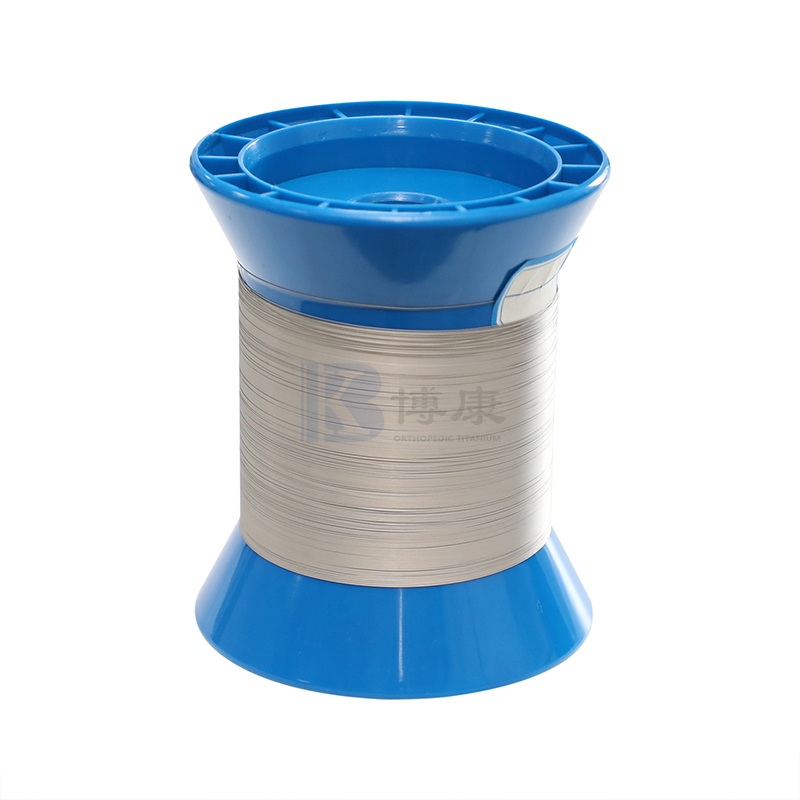
Bokang Titanium offers a wide range of high-quality titanium wires, manufactured through multiple drawing processes. Our...
View Details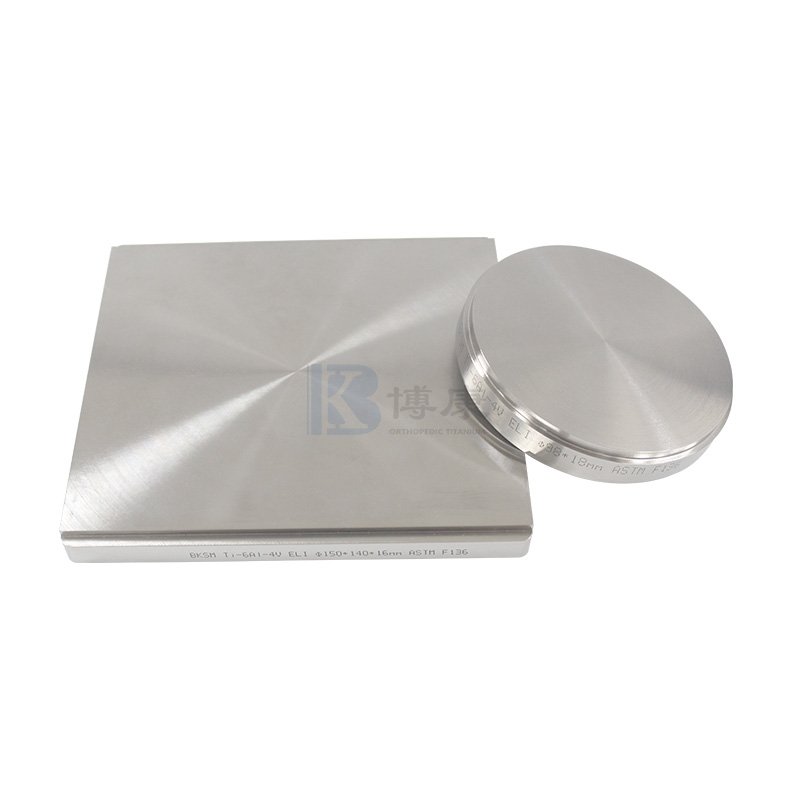
Dental Titanium Discs & Blocks – Medical Grade for CAD/CAM Milling High-quality dental titanium discs and blocks d...
View Details
Titanium Ingot (Ti Ingot) Description Our titanium ingots are made from high-purity sponge titanium and premium interme...
View DetailsTechnical Specifications
Detailed specifications for our Titanium Tig Filler Rod
| Parameter | Typical Specification |
|---|---|
| Common Grades | ERTi-2, ERTi-5, ERTi-9, ERTi-7 |
| Standard Diameters | 1.6 mm, 2.0 mm, 2.4 mm, 3.2 mm, 4.0 mm |
| Standard Length | 915 mm (36 inches), 1000 mm |
| Form | Straightened and cut rods |
| Surface Condition | Chemically cleaned, bright finish |
| Packaging | Individual sealed tubes or bundled in vacuum packs |
Key Advantages of Bokang Titanium Tig Filler Rod
Discover why our titanium wire stands out in the industry
Metallurgical Consistency
Provides uniform melting and solidification behavior, leading to predictable weld bead geometry and reduced risk of hot cracking.
Ease of Handling
Straight lengths with smooth surfaces allow welders to maintain a consistent arc length and feed angle, which is crucial for manual TIG welding quality.
Low Contamination Risk
Manufactured and packaged with processes designed to eliminate hydrogen, oxygen, and carbon-based contaminants that cause porosity and brittleness.
Material Comparison
Titanium Tig Filler Rod vs. Competitive Alternatives
| Feature | Titanium TIG Filler Rod | Titanium MIG Wire | Nickel Alloy Filler Rod |
|---|---|---|---|
| Welding Process | Gas Tungsten Arc Welding (GTAW/TIG) | Gas Metal Arc Welding (GMAW/MIG) | GTAW/TIG, SMAW |
| Feed Mechanism | Manually fed by welder | Automatically fed via wire feeder | Manually fed or automatic |
| Diameter Range | Typically 1.6mm and larger | Typically 0.8mm - 1.6mm | Wide range, similar to titanium |
| Primary Application | Precision, high-integrity joints | Longer seams, higher deposition | High-temp/corrosion service |
| Shielding Criticality | Extremely High | Extremely High | High |
Applications
Titanium Tig Filler Rod applications across various industries
Power Generation
- Welding titanium condenser tubes.
- Turbine components.
- Geothermal piping systems.
Bicycle Manufacturing
- Joining high-performance titanium frames and components where weight and strength are critical.
Semiconductor Fabrication
- Constructing wafer processing equipment.
- Gas delivery panels and chambers requiring ultra-clean, corrosion-resistant welds.
Automotive Racing
- Fabrication of exhaust systems.
- Intake components.
- Structural elements for motorsport applications.
Pharmaceutical Equipment
- Welding piping, vessels, and filtration systems that must maintain product purity.
Material Selection Guide
How to choose the right titanium wire for your application
1
Confirm Base-Filler Compatibility
Ensure the filler rod grade is approved for use with the specific titanium base alloy. Cross-reference with welding procedure specifications (WPS) or material data sheets.
2
Select Diameter for Deposition Rate
Larger diameter rods (e.g., 2.4mm, 3.2mm) allow for higher deposition rates on thicker materials but require higher amperage and greater welder skill for control.
3
Evaluate Post-Weld Requirements
If the weld will undergo post-weld heat treatment (PWHT) or stringent NDT (like radiography), select a rod known for consistent performance under these conditions to avoid rework.
Production Process & Quality Control
Our rigorous manufacturing process ensures consistent quality
Alloy Melting & Ingot Casting
Titanium and alloying elements are combined and melted under vacuum or inert gas to form a homogeneous ingot with precise chemistry.
Primary Hot Working
The ingot is heated and extruded or forged into a bar form (billet), breaking down the cast structure and improving mechanical properties.
Rod Drawing
The billet is drawn through a series of progressively smaller dies at room temperature to achieve the final rod diameter with tight tolerances.
Heat Treatment & Straightening
The rod may undergo annealing to relieve stresses from drawing, followed by precision straightening to ensure it is perfectly straight.
Final Cleaning & Sealing
Acid pickling or electrochemical cleaning removes any surface oxides. Rods are then dried and immediately sealed in moisture-proof packaging.
Frequently Asked Questions
Common questions about pure titanium wire
In practical terms for titanium, they refer to the same product: solid filler metal used in TIG welding. Industry usage can vary, but "rod" often denotes straight lengths, particularly in larger diameters for manual feeding. "Wire" is a more general term that can also apply to spooled product for automated feeding.
After opening, unused rods should be stored in a dedicated, low-humidity cabinet or container. It is recommended to wipe the rod with a lint-free cloth and a solvent like acetone or ethanol approved for titanium immediately before use to remove any incidental contamination. Do not leave rods exposed to the workshop atmosphere for extended periods.
Why Choose Bokang Titanium?
18+ years of experience in high-quality titanium materials
18+
Years Experience
28+
Patents & Certifications
200+
Skilled Employees
ISO 13485:2016
Medical Device Certification
Our Commitment to Quality
Changzhou Bokang Special Material Technology Co., Ltd. is Wholesale Titanium Tig Filler Rod Manufacturers and Custom Titanium Tig Filler Rod Suppliers. At Bokang Titanium, we adhere to the strictest quality control protocols throughout our manufacturing process. Every batch of pure titanium wire undergoes rigorous testing including dimensional verification, mechanical property testing, surface quality inspection, and chemical analysis to ensure compliance with international standards.
Our quality management system is certified to ISO 9001:2015 and ISO 13485:2016 for medical device applications, ensuring full traceability from raw material to finished product. We maintain comprehensive documentation including material certifications, test reports, and process validation records.
With 18+ years of experience in titanium material production, we have developed specialized expertise in medical-grade, aerospace-grade, and industrial-grade titanium alloys. Our products are trusted by leading medical device manufacturers, aerospace companies, and industrial clients worldwide. We offer OEM/ODM Titanium Tig Filler Rod for sale.