 Send Inquiry
 Send Inquiry
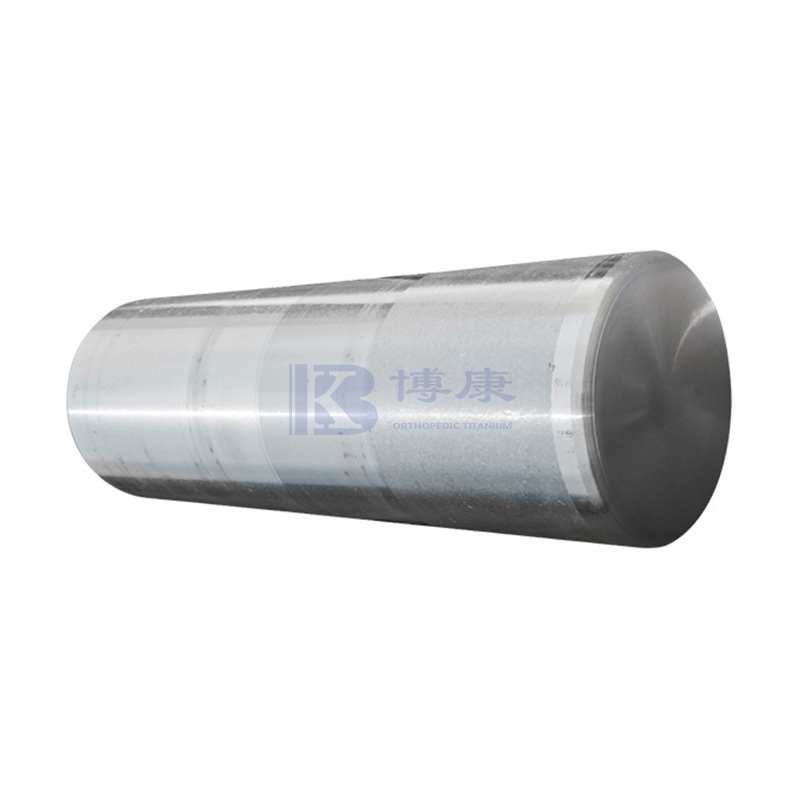
Nickel titanium alloy, commonly referred to as nitinol, is a unique class of shape memory and superelastic materials with widespread applications in industries such as medical, aerospace, and robotics. Understanding its properties, manufacturing processes, applications, and challenges is essential for engineers, researchers, and buyers.
Nickel titanium alloy is prized for its shape memory effect and superelasticity, but several quality issues can affect its performance.
The shape memory and superelastic properties of nickel titanium alloy depend heavily on its precise composition and heat treatment. Inconsistent processing can lead to variations in recovery strain and stress hysteresis, making some batches unsuitable for critical applications.
Due to its high nickel content, nickel titanium alloy is prone to surface oxidation, which can degrade fatigue resistance. Imperfections such as microcracks or inclusions from manufacturing may also compromise structural integrity.
The phase transformation temperatures (e.g., austenite finish Af and martensite start Ms) must be tightly controlled. Deviations can result in unreliable shape recovery behavior, particularly in medical devices like stents and orthodontic wires.
Although nickel titanium alloy is generally biocompatible, prolonged exposure to bodily fluids may cause nickel ion release. This can trigger allergic reactions in sensitive patients, necessitating advanced surface treatments to minimize leaching risks.
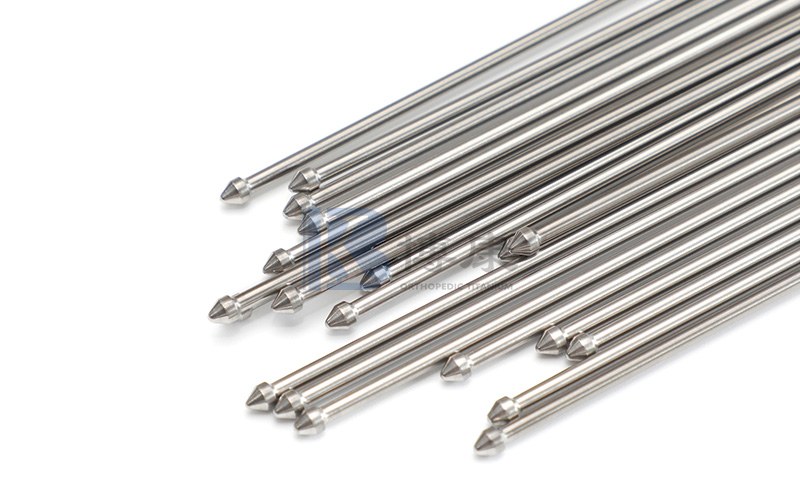
The production of nickel titanium alloy involves precise metallurgical processes to achieve desired mechanical and thermal properties.
High-purity nickel and titanium are melted using vacuum induction melting (VIM) or vacuum arc remelting (VAR) to prevent contamination. These methods ensure uniform composition, crucial for consistent performance.
After melting, the alloy undergoes hot forging or rolling to form ingots, followed by cold drawing to produce wires, tubes, or sheets. Cold working enhances strength but requires intermediate annealing to prevent brittleness.
Controlled heat treatment adjusts the alloy’s microstructure, setting its transformation temperatures. Improper annealing can lead to unpredictable shape memory behavior, necessitating precise temperature and duration control.
Differential scanning calorimetry (DSC) verifies transformation temperatures, while tensile testing evaluates mechanical properties. These tests ensure compliance with industry standards, particularly for medical-grade nitinol.
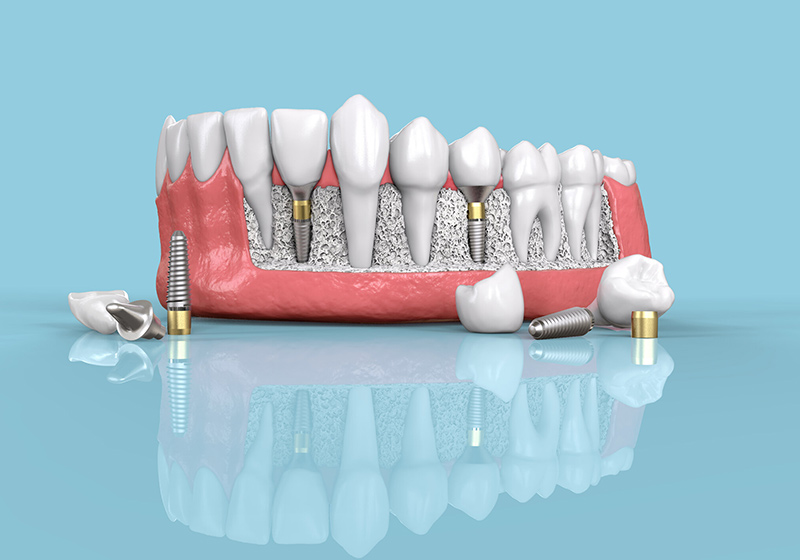
Nickel titanium alloy’s biocompatibility and unique mechanical properties make it indispensable in modern medicine.
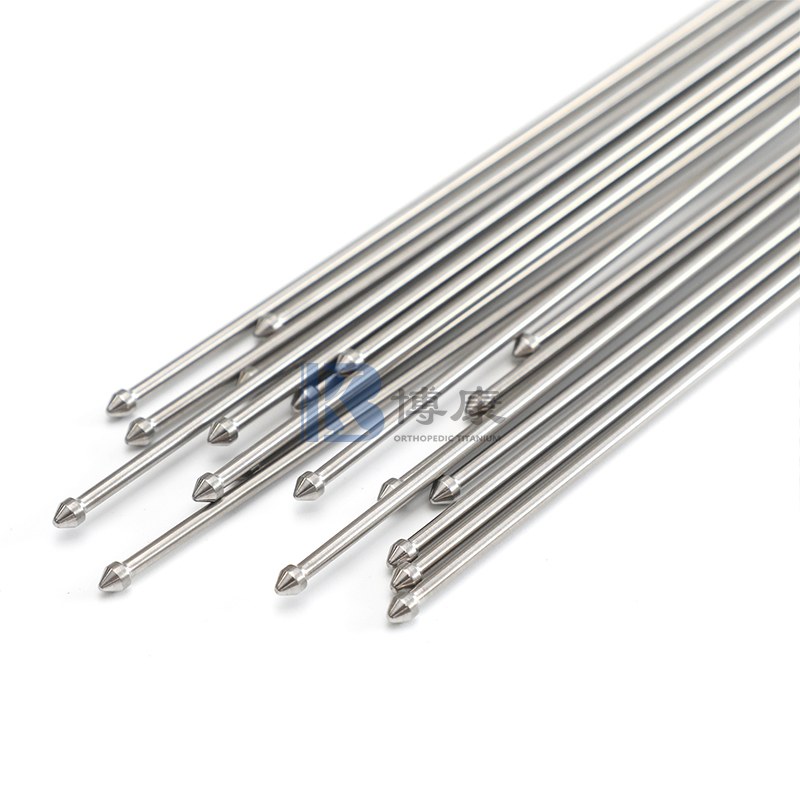
Nitinol wires apply constant, gentle force to teeth, reducing patient discomfort and improving treatment efficiency compared to traditional stainless steel wires.
Superelasticity allows nitinol stents to be compressed for insertion and then expand reliably within blood vessels, minimizing surgical complications.
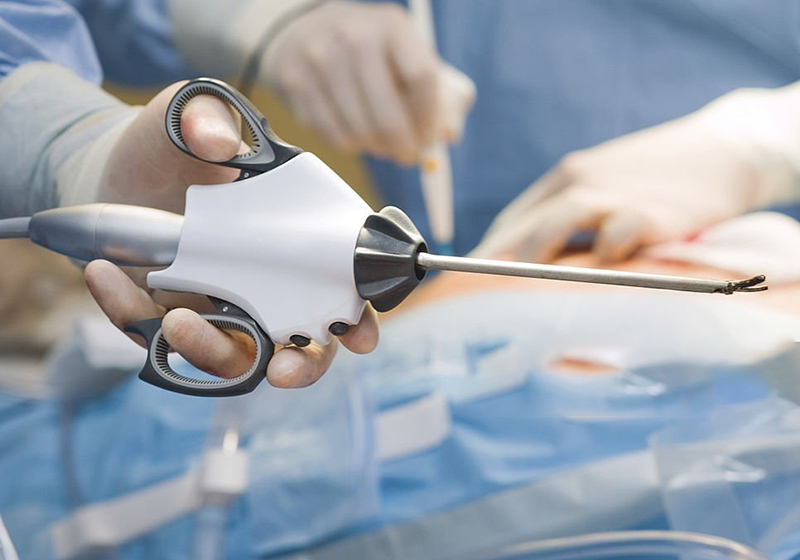
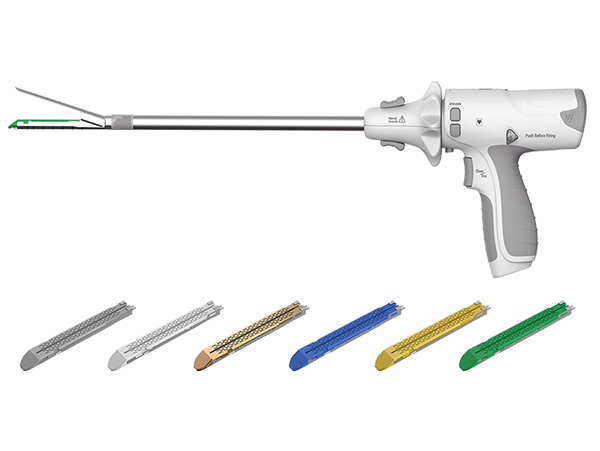
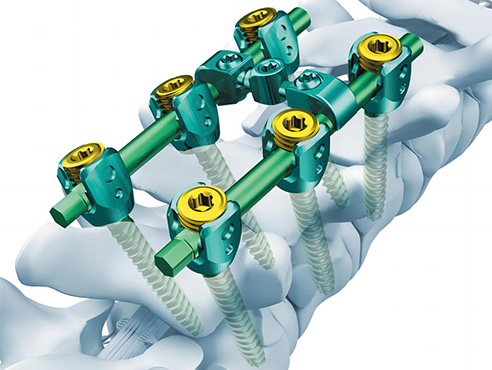
Nitinol’s flexibility and fatigue resistance make it ideal for minimally invasive surgical instruments and bone fixation devices.
While nickel titanium alloy offers excellent fatigue resistance and biocompatibility, its high cost and sensitivity to thermal variations can limit broader adoption.
Additive manufacturing of nickel titanium alloy presents both opportunities and challenges.
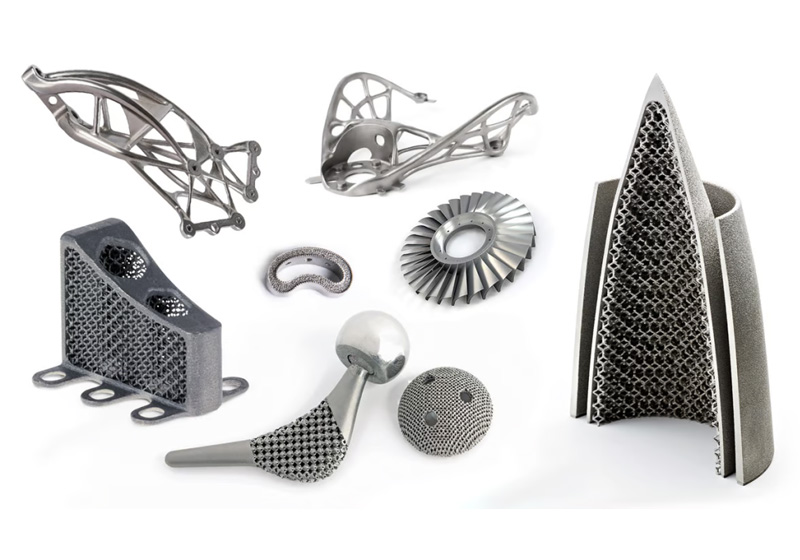
Selective laser melting (SLM) and electron beam melting (EBM) are the primary methods for 3D printing nitinol, enabling complex geometries unachievable with traditional methods.
Porosity and residual stresses from rapid cooling can weaken printed parts. Post-processing, such as hot isostatic pressing (HIP), is often required to enhance density and mechanical properties.
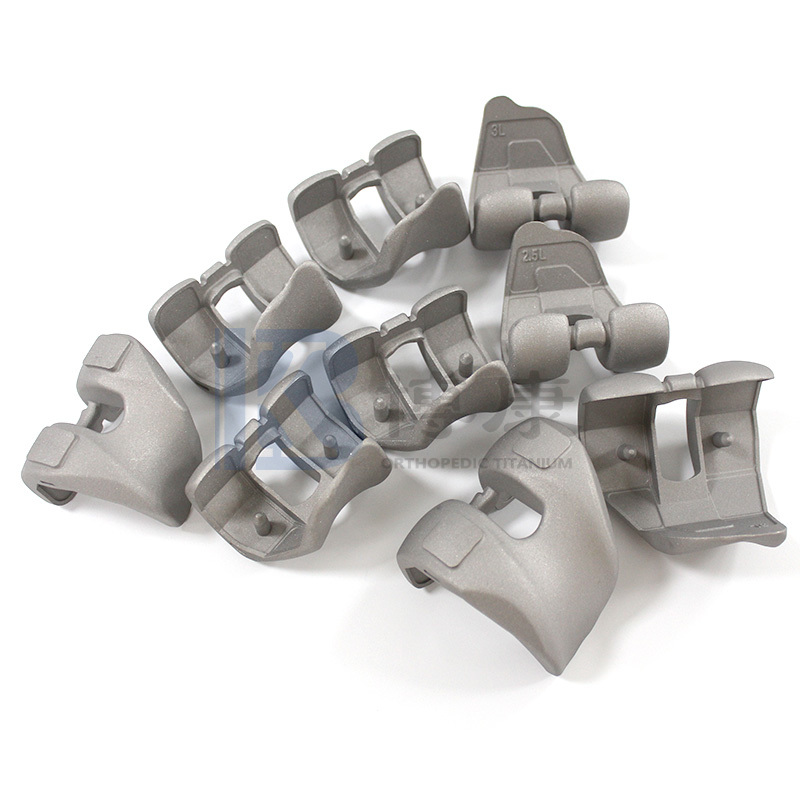
3D-printed nitinol is used in custom medical implants and lightweight aerospace components, though standardization remains a hurdle.
Advances in powder quality and process optimization may expand its use in patient-specific implants and high-performance engineering applications.
The nickel-to-titanium ratio significantly influences the alloy’s behavior.
Higher nickel content lowers transformation temperatures, making the alloy more suitable for body-temperature-activated medical devices.
Excess nickel can increase hardness but reduce superelasticity, requiring careful balancing for specific applications.
While nickel enhances corrosion resistance, excessive amounts may raise biocompatibility concerns, necessitating strict compositional control.
A near-equiatomic ratio (≈50.8% nickel) is standard, but slight adjustments tailor the alloy for different uses, from stents to actuators.
Nickel titanium alloy is a remarkable material with transformative applications, but its performance hinges on precise manufacturing and composition control. Understanding its quality challenges, production methods, medical uses, 3D printing potential, and nickel content effects ensures informed decision-making in both industrial and medical contexts. As research advances, nickel titanium alloy will continue to play a pivotal role in next-generation technologies.

Copyright © 2024 Changzhou Bokang Special Material Technology Co., Ltd. All Rights Reserved.
Custom Round Pure Titanium Rod Manufacturers Privacy
 EN
EN
 English
 日本語
日本語 한국어
한국어 Español
 عربى
عربى русский
 Deutsch
 中文简体
中文简体