 Send Inquiry
 Send Inquiry
Titanium ingots are fundamental raw materials in advanced manufacturing, prized for their exceptional strength-to-weight ratio, corrosion resistance, and biocompatibility. Understanding their production, grades, applications, pricing factors, and recyclability is crucial for industries ranging from aerospace to medical technology.
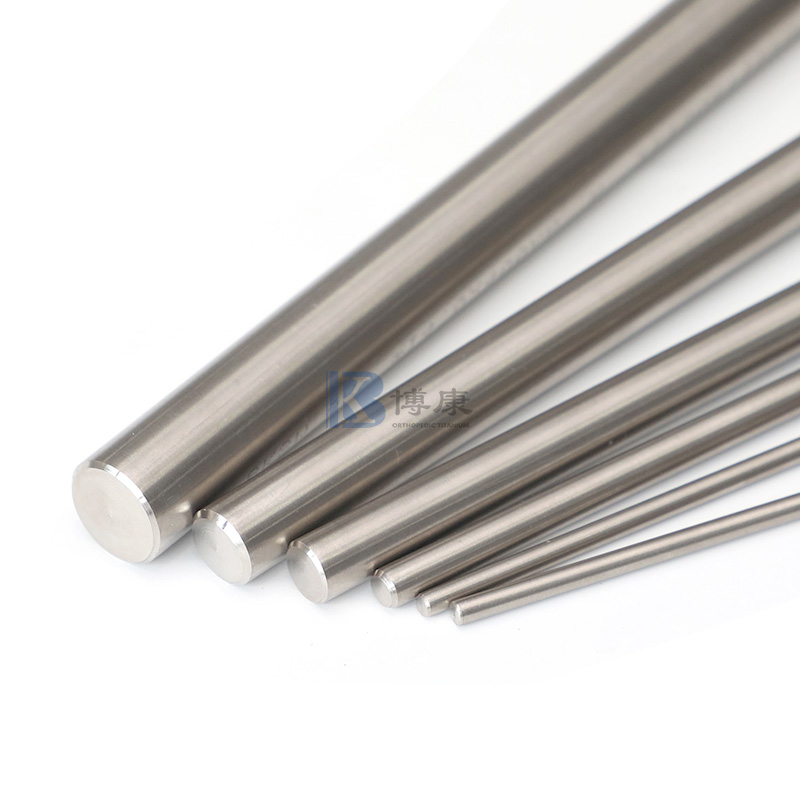
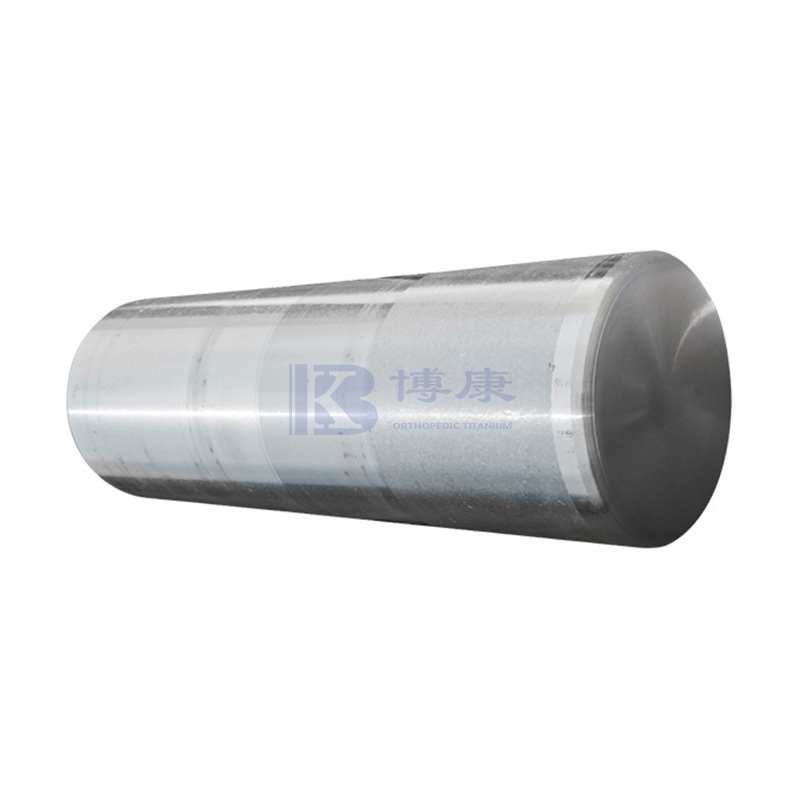
A titanium ingot is a semi-finished metal product obtained through melting and solidification processes. It serves as the primary form for further processing into billets, bars, sheets, or other industrial components. Titanium ingots are known for their high strength, low density, and excellent resistance to extreme environments, making them indispensable in critical applications.

The manufacturing of titanium ingot involves advanced metallurgical techniques to ensure purity and structural integrity. The two most common methods are:
The primary source material for titanium ingot production is titanium sponge, derived from the Kroll or Hunter processes. Recycled titanium scrap is also increasingly used to improve sustainability. The choice of raw materials directly impacts the ingot’s final properties, including strength and corrosion resistance.
Titanium ingots are classified into commercially pure (CP) grades and titanium alloys, each tailored for specific performance requirements:
| Grade | Composition | Key Properties |
|---|---|---|
| Grade 1 | 99.5% Ti | Highest ductility, excellent corrosion resistance |
| Grade 2 | 99.2% Ti | Balanced strength and formability |
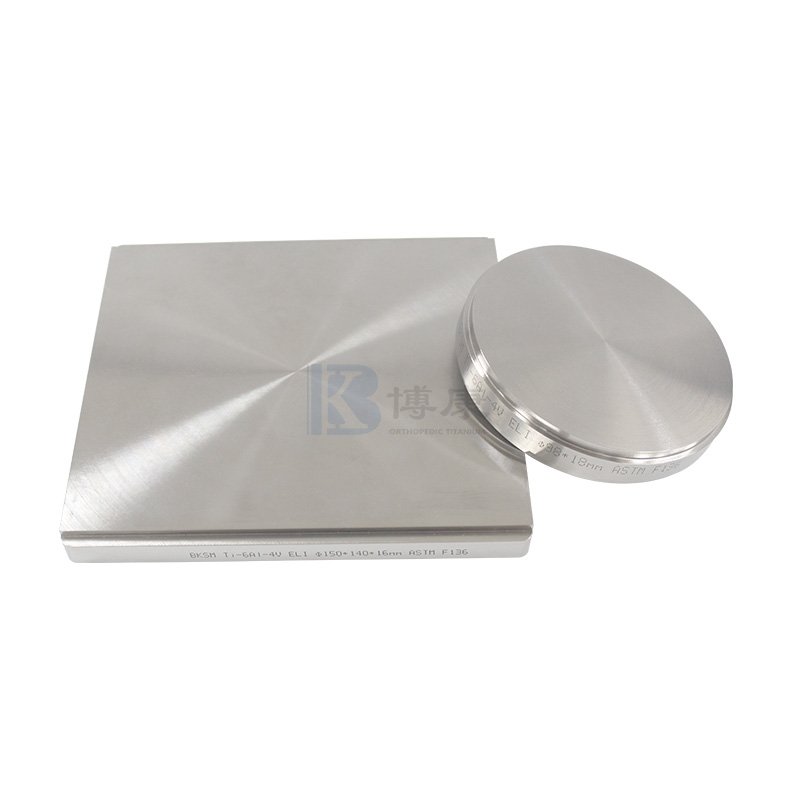
| Grade 5 (Ti-6Al-4V) | 90% Ti, 6% Al, 4% V | High strength, aerospace standard |
| Grade 7 | Ti-Pd alloy | Enhanced corrosion resistance |
Selecting the appropriate titanium ingot depends on mechanical requirements, environmental exposure, and cost considerations. For instance, aerospace applications prioritize Ti-6Al-4V, while medical implants may require ultra-high-purity grades.
The aerospace sector relies heavily on titanium ingot for components like jet engine parts, airframes, and landing gear due to its high strength and heat resistance.
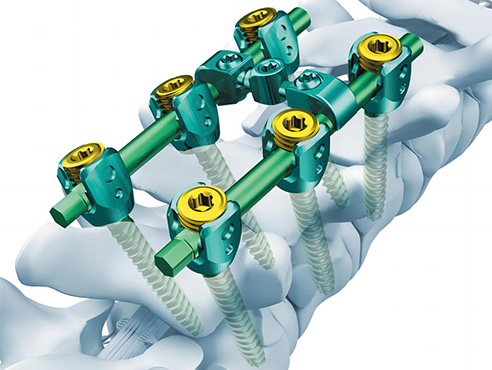
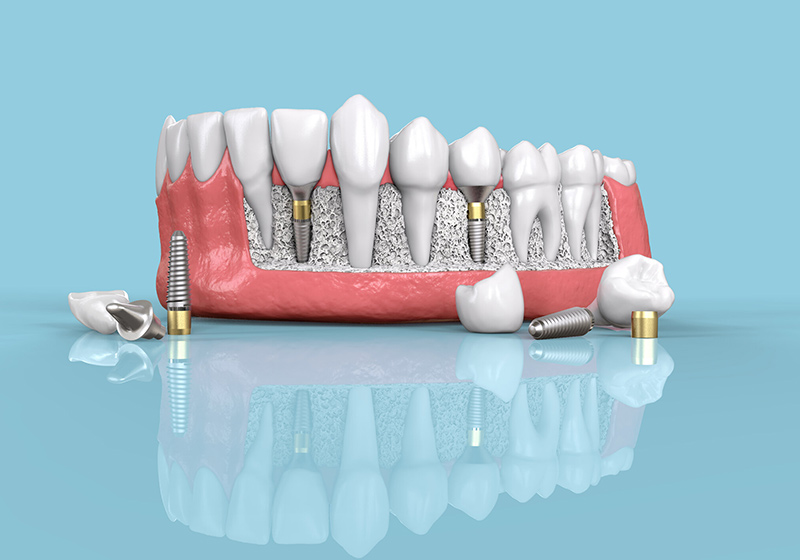
Titanium’s biocompatibility makes it ideal for surgical implants, dental fixtures, and prosthetics. Titanium alloy ingot, particularly Ti-6Al-4V, is widely used in orthopedic devices.
Due to its resistance to seawater and harsh chemicals, titanium ingot is used in desalination plants, heat exchangers, and offshore oil rig components.
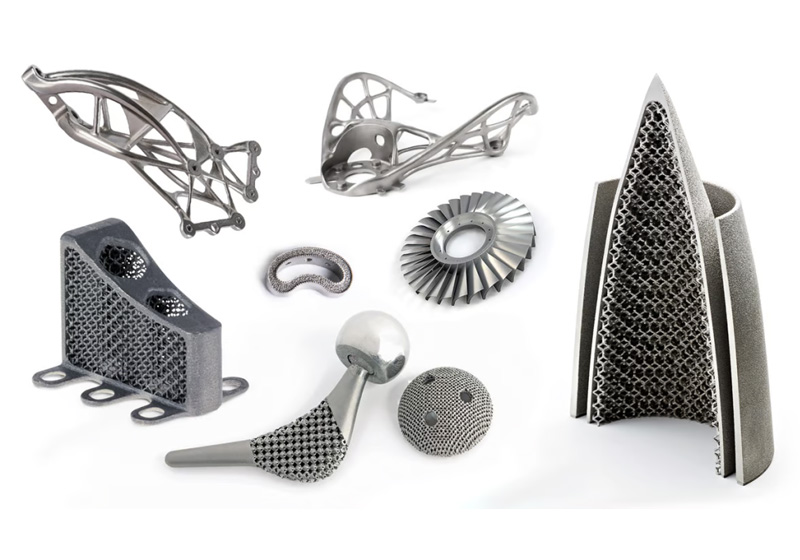
The rise of 3D printing has increased demand for high-quality titanium ingot powder, enabling complex, lightweight structures in aerospace and automotive sectors.
While titanium ingot is more expensive than steel or aluminum, its longevity and performance justify the cost in critical applications.
Titanium is highly recyclable, with processes like re-melting scrap in VAR furnaces ensuring minimal material loss.
Recycling reduces reliance on raw titanium sponge, lowering production costs and environmental impact.
Understanding titanium ingot—from production to recycling—helps industries optimize material selection and cost efficiency. As demand grows in aerospace, medical, and additive manufacturing, advancements in titanium ingot technology will continue to shape modern engineering.

Copyright © 2024 Changzhou Bokang Special Material Technology Co., Ltd. All Rights Reserved.
Custom Round Pure Titanium Rod Manufacturers Privacy
 EN
EN
 English
 日本語
日本語 한국어
한국어 Español
 عربى
عربى русский
 Deutsch
 中文简体
中文简体