EN
EN
 English
 日本語
日本語 한국어
한국어 Español
 عربى
عربى русский
 Deutsch
 中文简体
中文简体



Home / News / Industry News / What Role Does Pure Titanium Wire Play in the Production of Medical Implants and Devices?

 Send Inquiry
 Send Inquiry
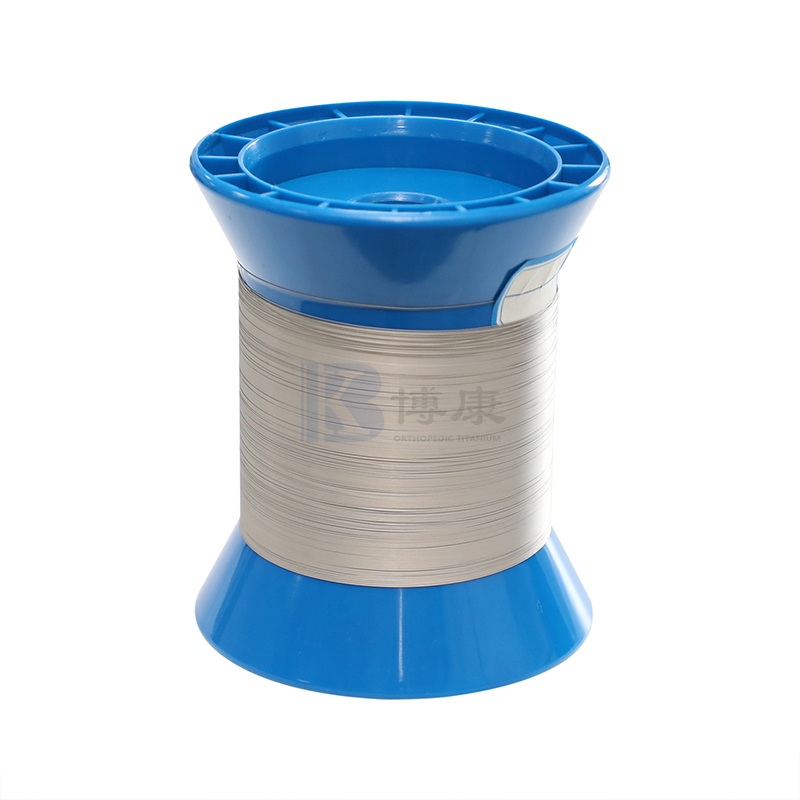
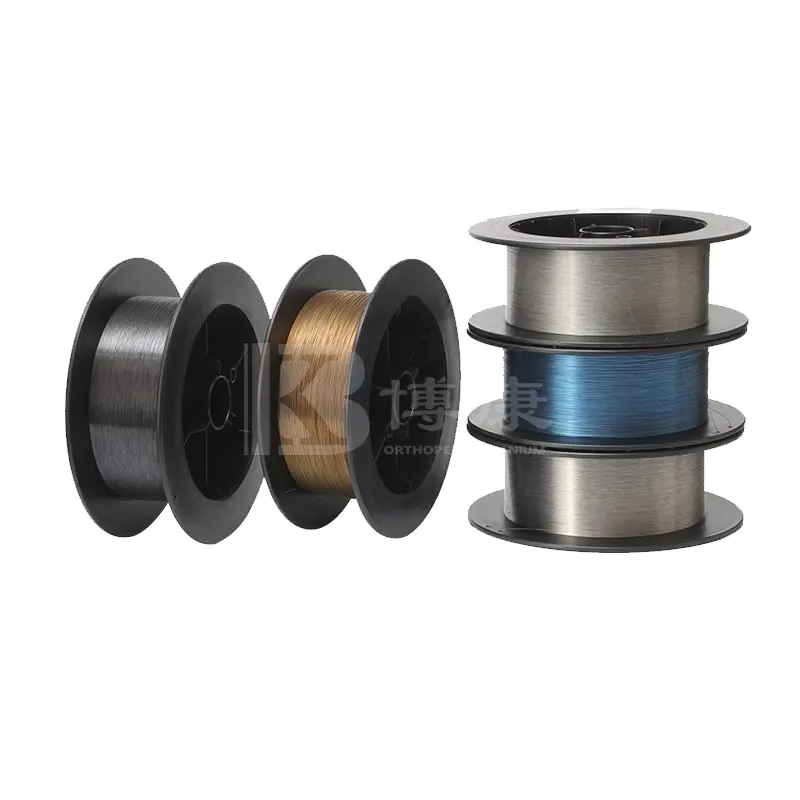
The development of modern medical science is inextricably linked to the advancement of materials engineering. Among the plethora of materials available, one stands out for its unique combination of properties that are exceptionally well-suited to the demanding environment of the human body: pure titanium. More specifically, the form of pure titanium wire has become a fundamental component in the manufacturing of a wide array of life-enhancing and life-saving medical implants and devices.
The journey of titanium into the medical field began in the mid-20th century, following its successful use in aerospace and military applications. Researchers quickly recognized that its remarkable characteristics could address many of the limitations presented by earlier implant materials such as stainless steel and cobalt-chromium alloys. The biocompatibility of titanium was a key discovery, indicating that the human body exhibits a very low tendency to reject or react adversely to its presence. This foundational property paved the way for its widespread adoption. While titanium alloys are used for load-bearing components like joint replacements, pure titanium wire, typically referring to commercially pure (CP) grades, has found its indispensable niche due to its superior ductility, corrosion resistance, and optimal surface characteristics for certain biological interactions. Its form as a wire provides manufacturers with unparalleled versatility, allowing it to be woven, bent, coiled, and integrated into complex assemblies with high precision.
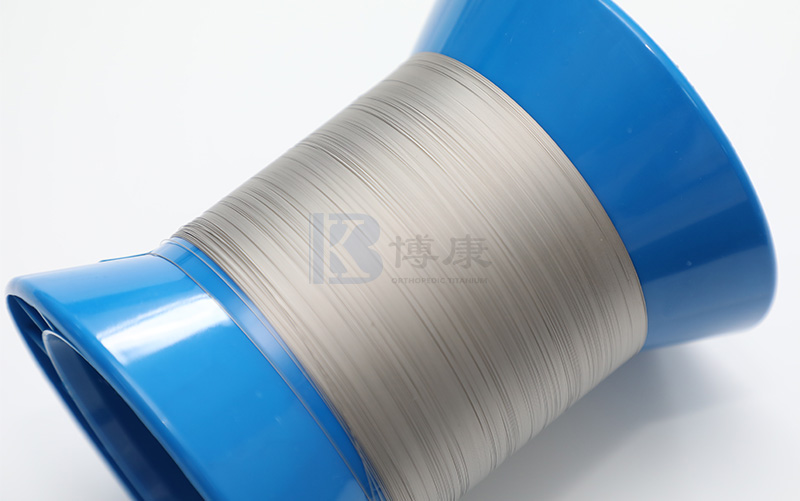
The utility of pure titanium wire in the medical device industry is not due to a single attribute, but rather a synergistic combination of several key properties. These inherent characteristics are what distinguish it from other metals and make it the material of choice for numerous critical applications.
Biocompatibility: The Primary Requirement
This is the most crucial property for any material intended for long-term contact with biological tissues. Pure titanium wire is known for its excellent biocompatibility. Upon exposure to air or bodily fluids, titanium instantly forms a stable, adherent, and protective oxide layer—primarily composed of titanium dioxide (TiO₂). This passive layer is chemically inert, preventing the release of metal ions into the surrounding tissue and shielding the underlying metal from the aggressive bodily environment. This minimizes inflammatory responses, reduces the risk of allergic reactions, and allows for close approximation and integration with bone and soft tissue. The medical implant biocompatibility of pure titanium is well-documented through decades of clinical success.
Exceptional Corrosion Resistance
The human body presents a highly corrosive environment for metals, with its constant exposure to chloride ions, proteins, and varying pH levels. The stability of the naturally forming oxide layer on pure titanium wire makes it highly resistant to pitting, crevice corrosion, and stress-corrosion cracking. This ensures the long-term structural integrity of implants, preventing premature failure and the release of potentially harmful corrosion products. This corrosion resistance is a non-negotiable feature for devices like stents and pacemaker leads that must function flawlessly for decades within the body.
Superior Ductility and Formability
The pure titanium wire used in medical devices, particularly grades like CP-1 and CP-2, possesses a high degree of ductility. This means it can undergo significant plastic deformation without fracturing, a property essential for manufacturing processes. It can be drawn to very fine diameters, bent into complex shapes, and knotted or twisted without losing its strength. This ductility of titanium wire allows for the creation of delicate structures such as mesh for cranial plates, intricate baskets for filters, and the fine leads for neurostimulation devices. This formability is a direct advantage over stronger but more brittle titanium alloys.
Optimal Strength-to-Weight Ratio
While not as strong as titanium alloys, pure titanium still offers a favorable strength-to-weight ratio compared to many other implant-grade metals. This is particularly important for implants where minimizing weight is beneficial, such as in maxillofacial reconstruction or certain orthopedic applications. The high strength pure titanium provides sufficient mechanical support for many applications without adding unnecessary bulk or mass to the implant or device.
MRI Compatibility
The non-ferromagnetic nature of pure titanium is a significant safety feature. Patients with titanium implants can safely undergo Magnetic Resonance Imaging (MRI) scans without the risk of implant movement or heating that is associated with ferromagnetic materials. This MRI compatibility is a critical consideration for modern diagnostic medicine, ensuring that patients with long-term implants do not face limitations in their future healthcare.
The unique properties of pure titanium wire translate into a diverse range of practical applications. Its use spans nearly every medical and surgical specialty, from orthopedics to cardiology.
Orthopedic and Spinal Surgery Applications
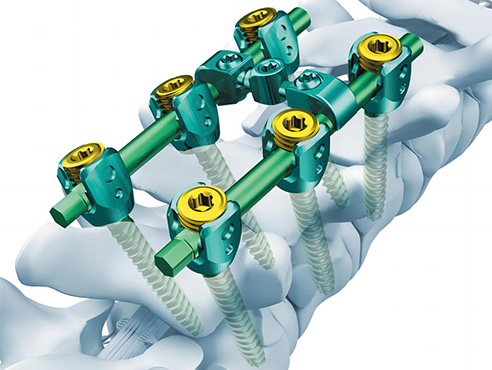
In the realm of orthopedics, pure titanium wire is often employed for its combination of strength and flexibility. It is commonly used for cerclage, a technique where wire is looped around bones to hold fragments together following a fracture, particularly in procedures involving the sternum, patella, or long bones. Its ductility allows surgeons to twist and secure it tightly, while its biocompatibility ensures it is well-tolerated. Furthermore, pure titanium wire is a key component in spinal fusion surgery. It is used to securely fasten bone grafts or prosthetic cages to the vertebral column, providing immediate stability while the fusion consolidates. The wire’s resistance to fatigue is essential in this dynamic, load-bearing environment.
Cardiovascular and Endovascular Devices
The field of cardiology relies heavily on the properties of pure titanium wire. It is a fundamental material in the construction of implantable pacemakers and defibrillators. Within these devices, the wire is used to create the fine, insulated leads that carry electrical impulses from the generator to the heart muscle. The wire’s excellent fatigue resistance is paramount here, as it must withstand the constant, rhythmic beating of the heart—hundreds of thousands of times per year—without failure. Similarly, in endovascular surgery, pure titanium wire forms the framework for vena cava filters, which are designed to catch blood clots. The wire can be formed into a compact shape for delivery through a catheter and then expand into a precise, complex filter structure upon deployment.
Dental Implants and Restorations
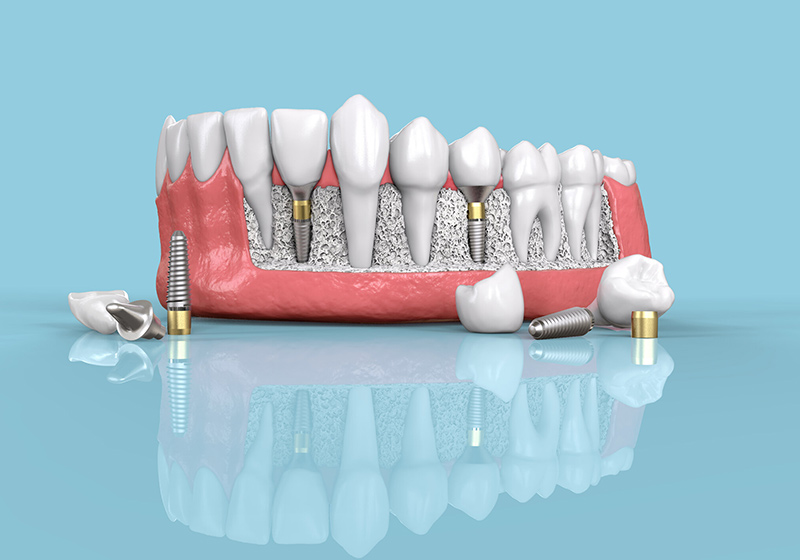
Dentistry is one of the largest consumers of pure titanium wire. Its primary use is in the fabrication of dental implants, which serve as artificial tooth roots. While the implant screw itself is often machined from a titanium alloy, the superstructures, healing caps, and abutments frequently involve components made from pure titanium wire. Moreover, in orthodontics, pure titanium archwires are valued for their flexibility and constant, gentle force application, which is ideal for moving teeth into their correct positions. The biocompatibility of titanium ensures healthy gum tissue response around these subgingival and supragingival components.
Neurological and Stimulation Devices
Devices that interface with the nervous system, such as deep brain stimulators for Parkinson’s disease or spinal cord stimulators for chronic pain, utilize ultra-fine pure titanium wire in their electrode arrays. These wires must be incredibly precise, reliable, and biocompatible to deliver electrical signals to specific neural targets without causing tissue damage or inflammatory responses that could impair function. The corrosion resistance is critical to prevent the degradation of these delicate electrical conductors.
Surgical Meshes and Reconstruction
The ability to be woven into a mesh makes pure titanium wire highly useful in reconstructive and trauma surgery. Titanium mesh is commonly used in cranioplasty to repair defects in the skull, providing a rigid, yet conformable framework that supports the overlying tissue and protects the brain. Its open structure allows for vascular ingrowth and tissue integration. Similarly, it is used in mandibular reconstruction and for reinforcing other skeletal structures. The surgical mesh made from pure titanium wire offers a permanent solution that is well-incorporated by the body.
Table: Summary of Key Applications and Property Drivers
| Application Area | Specific Device Examples | Key Property of Pure Titanium Wire Utilized |
|---|---|---|
| Orthopedic Surgery | Cerclage wires, spinal fixation cables | Ductility, strength, biocompatibility |
| Cardiology | Pacemaker leads, guidewires, filter frameworks | Fatigue resistance, corrosion resistance, formability |
| Dentistry | Dental implant components, orthodontic archwires | Biocompatibility, ductility, corrosion resistance |
| Neurology | Deep brain stimulation electrodes | Biocompatibility, precise formability, electrical reliability |
| Reconstructive Surgery | Cranial meshes, mandibular reconstruction plates | Ability to be woven into mesh, osseointegration potential |
The transformation of pure titanium wire from a raw material into a finished medical device requires specialized manufacturing processes that preserve its beneficial properties. The wire is typically produced through a series of hot and cold drawing operations, which reduce its diameter and increase its strength while maintaining its essential metallic structure. Surface finish is a critical consideration. For many applications, a smooth, polished surface is necessary to minimize friction and tissue adhesion. For others, particularly dental and orthopedic implants where integration with bone is desired, the wire may be subjected to surface treatments such as etching, anodization, or grit-blasting to create a microscopically rough texture that enhances osseointegration—the direct structural and functional connection between living bone and the surface of the implant. Throughout the fabrication process, stringent quality control measures are implemented. These include laser micrometer measurements to ensure dimensional accuracy, tensile testing to verify mechanical properties, and advanced metallographic analysis to check for any internal or surface defects. Every batch of pure titanium wire destined for medical use must be traceable and comply with international standards, such as ASTM F67, which specifies the requirements for titanium for surgical implant applications.
In conclusion, the role of pure titanium wire in the production of medical implants and devices is both fundamental and multifaceted. It is not merely a component but often the enabling element that allows for the design and manufacture of highly sophisticated medical technologies. Its unparalleled combination of biocompatibility, exceptional corrosion resistance, superior ductility, and excellent fatigue performance makes it uniquely suited to meet the rigorous demands of the human body. From stabilizing a fractured bone and regulating a heartbeat to restoring a smile and alleviating neurological tremors, pure titanium wire works silently and reliably inside millions of patients worldwide. As medical science continues to advance, pushing the boundaries of minimally invasive surgery and personalized implants, the demand for versatile, reliable, and biocompatible materials like pure titanium wire is certain to grow, ensuring its continued status as a cornerstone of modern biomedical engineering.

Copyright © 2024 Changzhou Bokang Special Material Technology Co., Ltd. All Rights Reserved.
Custom Round Pure Titanium Rod Manufacturers Privacy