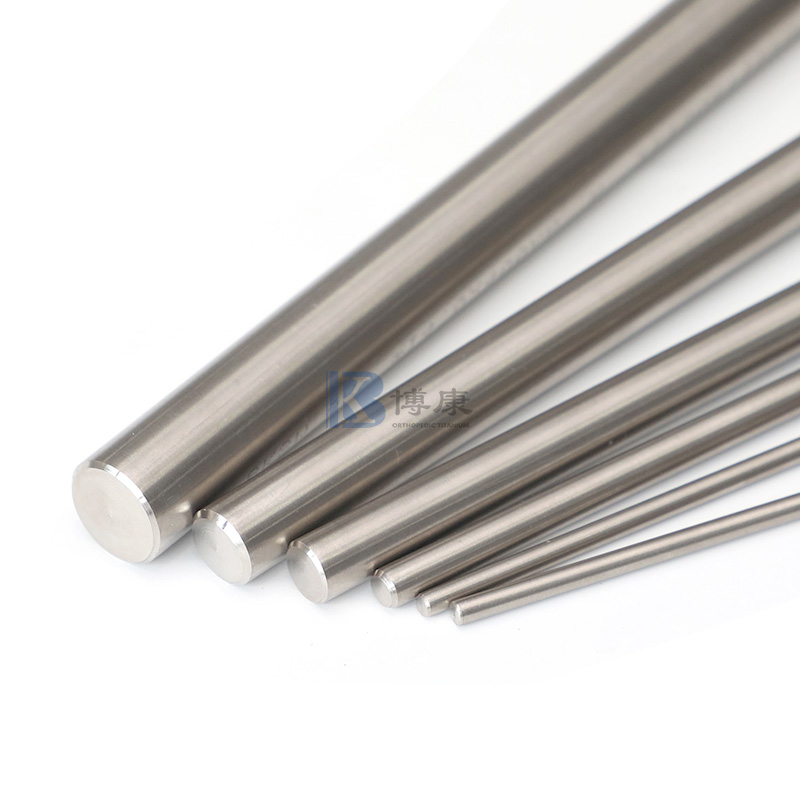
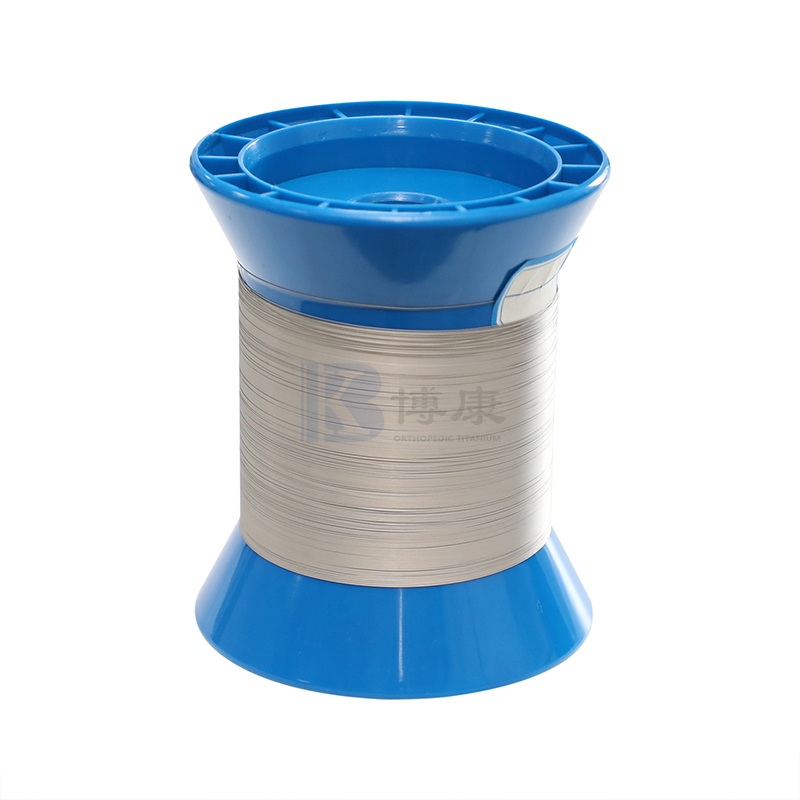
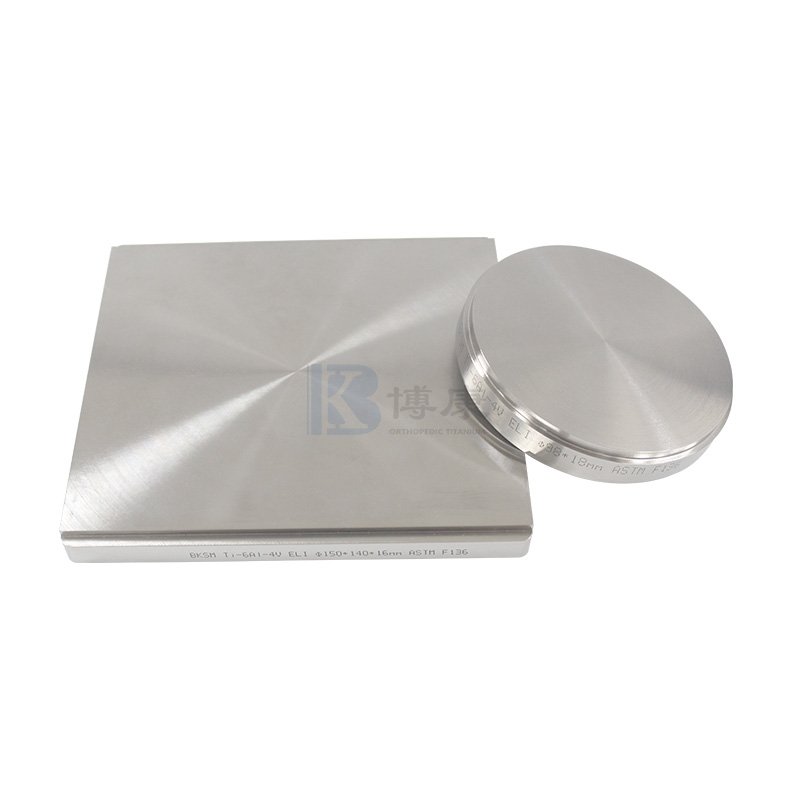
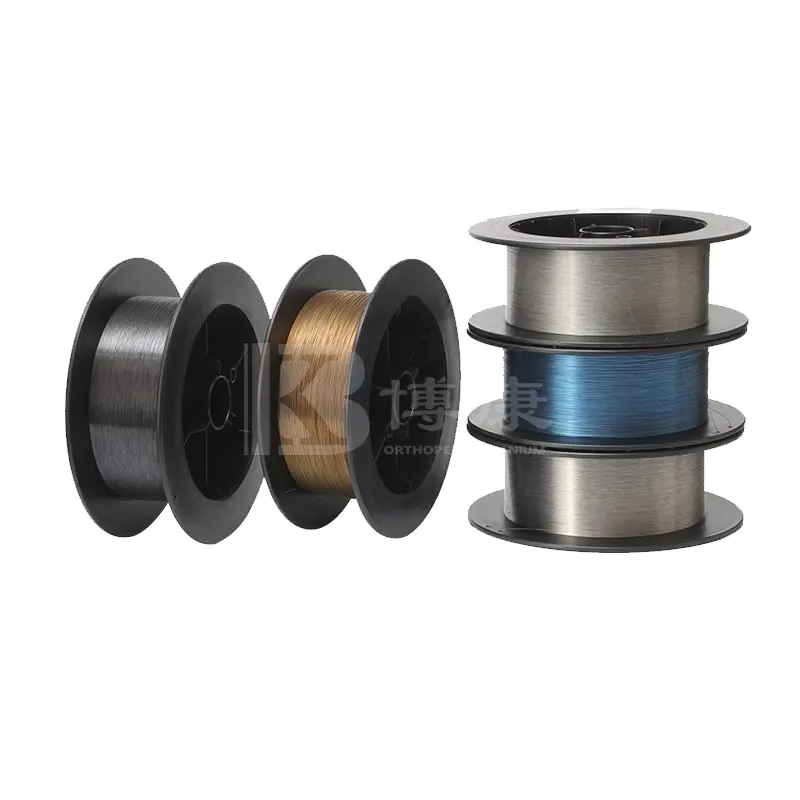
Lightweight design has become a defining requirement across many advanced manufacturing sectors. From transportation systems that seek improved efficiency to industrial equipment that demands high performance with reduced mass, material density plays a decisive role in engineering decisions. Among metallic materials commonly selected for such purposes, 6al 4v titanium round bar occupies a distinctive position. Its density characteristics, combined with balanced mechanical and environmental performance, allow designers and buyers to reconcile weight reduction with structural reliability.
Density is a fundamental material property that directly influences component mass, transportation costs, and system-level efficiency. In lightweight design, density is not considered in isolation. Instead, it is evaluated together with mechanical capability, durability, and manufacturability.
For metallic materials, density affects how much material is required to achieve a given level of stiffness or load-bearing capacity. Designers often favor materials that allow thinner sections or smaller cross-sectional areas without sacrificing safety margins. In this context, low density metal materials, lightweight structural alloys, and high strength-to-weight materials are common search terms used by engineers and buyers.
6al 4v titanium round bar stands out because its density is significantly lower than that of many conventional structural metals, while still supporting demanding mechanical and environmental requirements. This balance makes it especially attractive in designs where mass reduction contributes directly to performance, operational efficiency, or user comfort.
The density of 6al 4v titanium round bar is one of its most frequently cited attributes in lightweight engineering discussions. Compared with widely used steels and copper-based alloys, its density is notably lower. This inherent characteristic enables meaningful weight savings when substituting traditional materials, even before further design optimization is considered.
From a procurement perspective, density influences not only the finished component weight but also logistics, handling, and storage. Buyers often associate material density comparison, weight reduction potential, and transport efficiency with purchasing decisions related to titanium products.
It is important to note that the density of 6al 4v titanium round bar is stable and predictable across standard processing routes. This consistency supports reliable design calculations and repeatable production outcomes, which are essential for industries with strict quality control requirements.
Lightweight design is rarely about selecting the lightest possible material. Instead, it focuses on achieving structural efficiency, where mass is minimized without compromising functional integrity. Density contributes to this efficiency by influencing how material volume translates into component weight.
6al 4v titanium round bar enables designers to create components that maintain sufficient cross-sectional strength while reducing overall mass. This characteristic is particularly valuable in applications where moving parts or load-bearing elements benefit from reduced inertia.
In practice, engineers often search for high strength titanium alloy bar, lightweight metal rods, or structural titanium round bar when evaluating materials for such applications. Density serves as a baseline parameter that interacts with strength, stiffness, and fatigue behavior, forming a comprehensive performance profile.
To understand the suitability of 6al 4v titanium round bar for lightweight design, it is useful to compare its density characteristics with those of other commonly used metals. While avoiding mathematical expressions, a qualitative comparison can still clarify relative advantages.
| Material category | Relative density level | Implications for lightweight design |
|---|---|---|
| Carbon and alloy steels | High | Strong but results in heavier components |
| Stainless steels | High | Corrosion resistant but mass-intensive |
| Aluminum alloys | Low | Lightweight but with lower load capacity |
| 6al 4v titanium round bar | Medium-low | Balanced weight reduction and strength |
This comparison highlights why 6al 4v titanium round bar is often positioned between aluminum alloys and steels. It offers more substantial weight reduction than steel while providing greater structural capability than many aluminum-based alternatives.
One of the less obvious but highly relevant aspects of density is its influence on component geometry. Materials with favorable density characteristics allow for downsizing without sacrificing performance. This is especially important in compact assemblies or space-constrained designs.
With 6al 4v titanium round bar, designers can often reduce overall dimensions while maintaining functional requirements. The resulting components may appear similar in shape to steel counterparts but weigh considerably less. This characteristic is frequently associated with compact lightweight components, space-efficient metal design, and high performance round bar materials in industry discussions.
From a buyer’s perspective, this downsizing potential translates into lower material consumption, reduced machining time, and simplified assembly processes. All of these factors contribute indirectly to cost efficiency, even when the raw material price is higher than that of conventional metals.
For lightweight design to be reliable, material density must remain consistent throughout manufacturing processes. Variations in density can lead to unexpected mass differences, which are problematic in precision-driven industries.
6al 4v titanium round bar demonstrates stable density characteristics across standard melting, forging, and finishing processes. This stability supports predictable outcomes in both small-batch and large-scale production.
Buyers often associate this reliability with consistent titanium alloy properties, stable material performance, and repeatable machining results. Such attributes are particularly important when components must meet strict weight tolerances or when multiple parts must match closely within an assembly.
Lightweight design considerations extend beyond the final product. Material density also affects transportation and handling throughout the supply chain. Lower-density materials reduce shipping weight, ease manual handling, and improve overall logistics efficiency.
For 6al 4v titanium round bar, reduced mass per unit length means that larger quantities can be transported with lower total weight. This is relevant for buyers managing long-distance shipments or operating within weight-limited transportation systems.
Search terms such as lightweight metal logistics, reduced shipping weight materials, and efficient handling of titanium bars reflect this broader view of density-related benefits. While these factors may not dominate initial material selection, they contribute meaningfully to total lifecycle considerations.
In applications involving motion, density directly influences energy efficiency. Lighter components require less energy to accelerate, decelerate, or maintain movement. This principle applies across many sectors, including industrial machinery and transportation equipment.
6al 4v titanium round bar, by virtue of its density characteristics, supports the design of components that reduce system inertia. This can lead to smoother operation, reduced wear on connected parts, and lower energy consumption over time.
Engineers often explore lightweight rotating components, low inertia metal shafts, and energy-efficient structural materials when assessing titanium solutions. Density is a foundational parameter in these evaluations, shaping both performance expectations and long-term operational benefits.
Lightweight materials are sometimes perceived as less durable, but this assumption does not hold when density is balanced with appropriate mechanical characteristics. 6al 4v titanium round bar demonstrates that reduced density does not necessarily imply reduced service life.
Its density supports lighter designs that still withstand demanding operating environments. This is particularly relevant in applications where repeated loading or long-term exposure to challenging conditions is expected.
Buyers frequently connect long service life titanium bar, durable lightweight metal, and fatigue-resistant round bar with procurement decisions. Density plays an indirect role here by enabling designs that reduce stress on supporting structures and connected components.
Corrosion resistance is often evaluated separately from density, but the two properties interact in practical design scenarios. Lighter components may reduce the need for heavy protective structures, thereby minimizing potential corrosion traps or complex surface treatments.
6al 4v titanium round bar combines favorable density with strong resistance to many corrosive environments. This combination supports lightweight designs that remain reliable over extended service periods.
In buyer research behavior, phrases such as corrosion resistant lightweight metal, titanium bar for harsh environments, and low maintenance structural materials often appear together. Density contributes by enabling simpler designs that are easier to protect and maintain.
Manufacturing processes such as machining, forming, and finishing are influenced by material density. Lower-density materials may reduce tool wear and energy consumption during processing, depending on the application.
With 6al 4v titanium round bar, density-related benefits include easier handling during setup and reduced mass-related stresses during machining operations. While titanium alloys present their own machining considerations, density still contributes positively to overall process efficiency.
From a procurement standpoint, machinable titanium round bar, manufacturing-friendly lightweight alloys, and efficient production materials are commonly associated with density-aware material selection.
Material standards often define acceptable ranges for properties such as composition and mechanical behavior. Density, while not always explicitly listed, is implicitly controlled through these specifications.
6al 4v titanium round bar produced according to recognized standards exhibits consistent density characteristics that align with design assumptions. This consistency supports compliance with regulatory requirements and simplifies qualification processes.
Buyers searching for standard compliant titanium round bar, certified lightweight alloys, and reliable material specifications often view density stability as a key indicator of overall material quality.
Modern design approaches increasingly rely on digital tools and simulation-based optimization. Density is a critical input in these methods, influencing mass distribution and structural behavior.
6al 4v titanium round bar is well suited to such optimization because its density allows designers to explore a wide range of geometries without excessive weight penalties. This flexibility supports innovation in component design while maintaining practical manufacturability.
In industry discussions, terms like optimized lightweight structures, advanced material selection, and design-driven material efficiency frequently appear alongside titanium alloy products. Density underpins all of these concepts.
| Design aspect | Density-related influence | Practical outcome |
|---|---|---|
| Component weight | Reduced mass per unit volume | Easier weight targets |
| Structural efficiency | Balanced material usage | Optimized geometry |
| Transportation | Lower shipment weight | Improved logistics |
| Dynamic performance | Reduced inertia | Smoother operation |
| Assembly handling | Easier manipulation | Faster installation |
This table summarizes how density affects multiple stages of the product lifecycle, reinforcing why 6al 4v titanium round bar is often selected for lightweight design initiatives.
While sustainability encompasses many factors, density plays a role in material efficiency. Lower-density materials can reduce raw material consumption and transportation-related emissions when used effectively.
6al 4v titanium round bar supports sustainable design strategies by enabling lighter components that require less material for equivalent performance. Over time, this efficiency can contribute to reduced environmental impact at the system level.
Search behaviors related to resource-efficient materials, lightweight sustainable metals, and long-life titanium products often reflect this broader perspective on density and sustainability.
A balanced discussion of density characteristics must also acknowledge limitations. While 6al 4v titanium round bar offers meaningful weight reduction, it is not the lightest metallic option available. Its suitability depends on application-specific requirements rather than density alone.
Designers must consider factors such as cost, availability, and processing requirements alongside density. Buyers evaluating cost-effective lightweight materials and application-specific titanium solutions typically weigh these considerations carefully.
Recognizing these trade-offs ensures that density-related benefits are applied where they deliver genuine value.
From a procurement standpoint, density characteristics influence more than engineering performance. They affect shipping costs, storage planning, and overall supply chain efficiency.
When sourcing 6al 4v titanium round bar, buyers often consider material weight per length, handling convenience, and inventory efficiency. Density underlies all of these considerations, even if it is not always explicitly stated in purchase specifications.
This integrated view highlights why density is a practical, not merely theoretical, factor in material selection.
As industries continue to pursue efficiency and performance optimization, density will remain a core criterion in material evaluation. 6al 4v titanium round bar aligns well with these trends due to its stable, moderate density combined with reliable performance.
Future lightweight design strategies are likely to place even greater emphasis on materials that offer balanced density characteristics rather than extreme values. In this context, 6al 4v titanium round bar is positioned as a versatile and enduring solution.
The suitability of 6al 4v titanium round bar for lightweight design is rooted in its density characteristics and the way they interact with structural efficiency, manufacturability, and lifecycle considerations. Rather than focusing on minimal weight alone, this material supports balanced designs that achieve meaningful mass reduction without compromising reliability.
By enabling component downsizing, improving handling efficiency, and supporting modern optimization practices, 6al 4v titanium round bar demonstrates how density can serve as a foundation for effective lightweight design. When evaluated objectively and applied appropriately, its density characteristics contribute to practical, sustainable, and high-performing engineering solutions.
Q1: Why is density an important factor when selecting 6al 4v titanium round bar for lightweight design?
Density directly influences component weight and structural efficiency. For 6al 4v titanium round bar, its balanced density allows meaningful weight reduction while maintaining reliable performance.
Q2: Does lower density mean weaker performance for 6al 4v titanium round bar?
No. Reduced density does not imply reduced capability. This material is widely selected because its density supports lightweight design without compromising durability.
Q3: How does density affect transportation and logistics of 6al 4v titanium round bar?
Lower density reduces shipment weight, which can improve transportation efficiency and handling convenience throughout the supply chain.
Q4: Is density consistency important for manufacturing with 6al 4v titanium round bar?
Yes. Stable density supports predictable machining outcomes and reliable component weight control, which are essential for quality-focused production.
Q5: Can density characteristics alone justify choosing 6al 4v titanium round bar?
Density is a key factor, but it should be considered alongside mechanical requirements, environmental conditions, and cost considerations for a complete evaluation.
Copyright © 2024 Changzhou Bokang Special Material Technology Co., Ltd. All Rights Reserved.
Custom Round Pure Titanium Rod Manufacturers Privacy