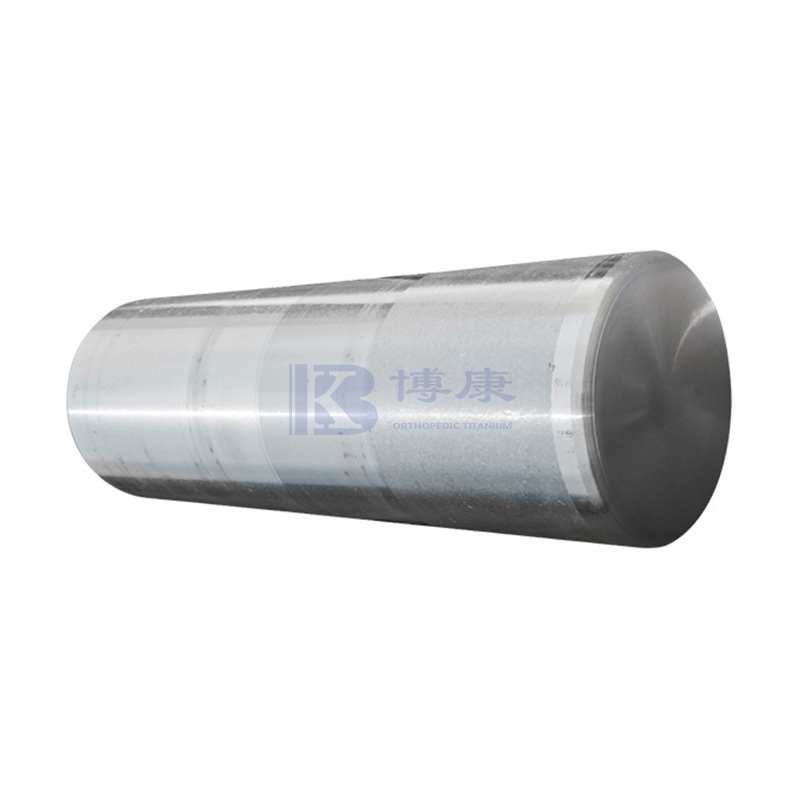
Titanium Round Bar Guide: Grades, Specs & Factory Sourcing 2026
Titanium Round Bar Market Insights & Procurement Standards in 2026
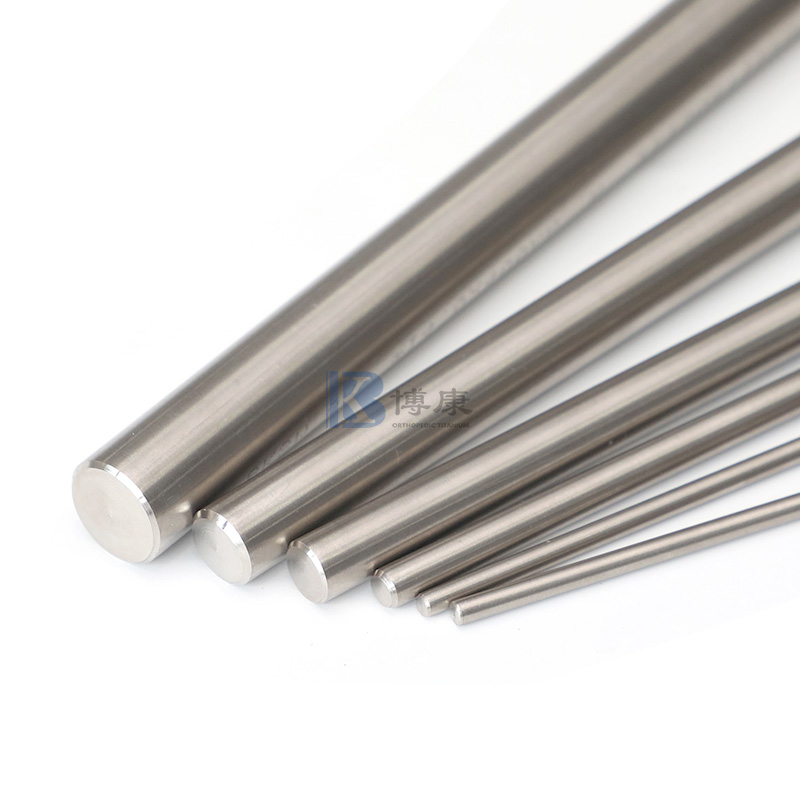
For B2B procurement engineers sourcing titanium round bar in 2026, the decisive question is no longer simply "which grade?" but rather "which supplier can guarantee dimensional consistency across production lots?" The answer demands a factory partner operating with vacuum arc remelting (VAR) furnaces, certified to ASTM B348 and capable of holding diameter tolerances to ±0.05 mm (h7 class) on precision-drawn bars. Global demand for titanium rod is being driven by aerospace structural components, orthopedic implants, and seawater-resistant chemical equipment — three sectors with zero tolerance for material deviation.
Changzhou Bokang Special Material Technology Co., Ltd operates as a vertically integrated titanium round bar factory, controlling the full production chain from ingot melting through cold-drawing and ultrasonic inspection. This eliminates the traceability gaps common in multi-tier supply chains and enables direct-from-factory pricing that intermediaries cannot match. Current market pricing for Grade 5 (Ti-6Al-4V) bar in the 10–50 mm diameter range reflects a 12–18% premium over Grade 2 CP titanium, a differential that engineering teams must weigh against the 30–40% increase in tensile strength those alloys deliver.
The titanium rod industry in 2026 is also shaped by tightening traceability mandates: AS9100D now requires lot-level chemical certifications, and the EU Medical Device Regulation (MDR) has raised the bar for implant-grade material documentation. Bokang's in-house spectroscopic analysis and digital mill certificates address both requirements from day one.
Medical Grade Excellence: Navigating Titanium Rod Medical Standards
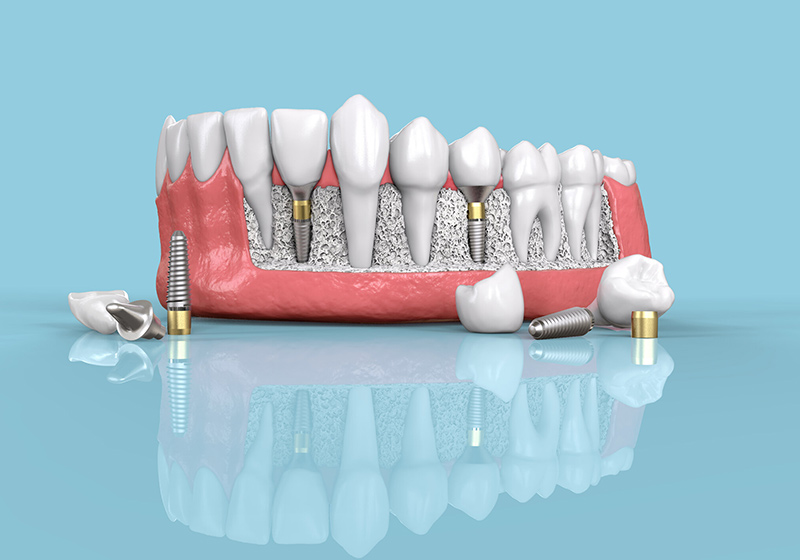
When specifying titanium rod for medical applications — spinal cages, bone screws, orthopedic plates, dental abutments — the governing standard is ISO 5832-3 for Ti-6Al-4V ELI (Extra Low Interstitial), which runs parallel to ASTM F136. The critical distinction between standard Grade 5 and its ELI variant lies in the controlled reduction of oxygen, nitrogen, and iron content, which directly governs fracture toughness in a cyclic-loading physiological environment.
Grade 5 vs. Grade 23 (ELI): Key Mechanical Differences
The following parameters illustrate why surgical teams and device OEMs specify Grade 23 exclusively for load-bearing implants:
Ultimate Tensile Strength (UTS): Grade 5 achieves ≥895 MPa; Grade 23 ELI is ≥860 MPa — a deliberate reduction that reflects higher ductility, not lower quality.
Yield Strength (0.2% offset): Grade 5 ≥828 MPa vs. Grade 23 ELI ≥795 MPa.
Elongation at Break: Grade 23 ELI delivers ≥10% elongation vs. ≥8% for standard Grade 5, critical for absorbing physiological micro-movement without crack initiation.
Oxygen Content (max): Grade 5: 0.20 wt%; Grade 23 ELI: 0.13 wt% — the most important interstitial limit for fatigue life in vivo.
Biocompatibility: Both grades pass ISO 10993 cytotoxicity screening; Grade 23 additionally requires documented iron content ≤0.25 wt% under ISO 5832-3 to prevent protein adsorption anomalies.
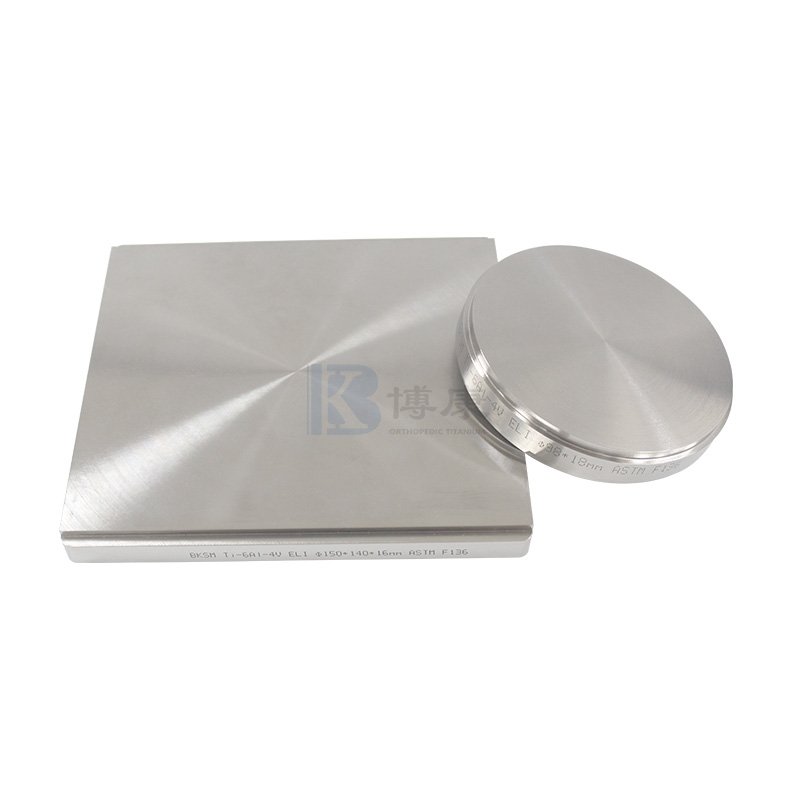
Bokang supplies ISO 5832-3 / ASTM F136 compliant Grade 23 titanium rod in diameters from 3 mm through 80 mm, with surface finish options of Ra ≤0.8 µm (ground) or Ra ≤0.4 µm (polished) to meet implant-surface requirements. Each lot ships with a full 3.1 material certificate per EN 10204, spectroscopic chemical analysis, and room-temperature tensile test results.
Technical Specifications: From 2mm Precision to Heavy Duty 1/2 Inch Rods
Selecting the correct diameter and grade combination for a titanium round bar determines downstream machinability, fatigue life, and cost per finished component. The table below maps three commercially critical diameter ranges — the 2mm titanium rod, the 3/8 titanium rod, and the 1/2 titanium rod — against their standard grades, primary industrial applications, and the tolerance classes that end-use specifications demand.
Chemical agitator shafts, heat exchanger baffles, desalination pump rods
h9 (0 / −0.036 mm)
ASTM B348 / ASTM F67
Diameter-to-specification mapping for common titanium round bar procurement scenarios. Tolerance classes per ISO 286-1 (h-series, shaft basis). Grades and standards shown reflect Bokang's standard production capabilities.
Surface Finish and Straightness Requirements
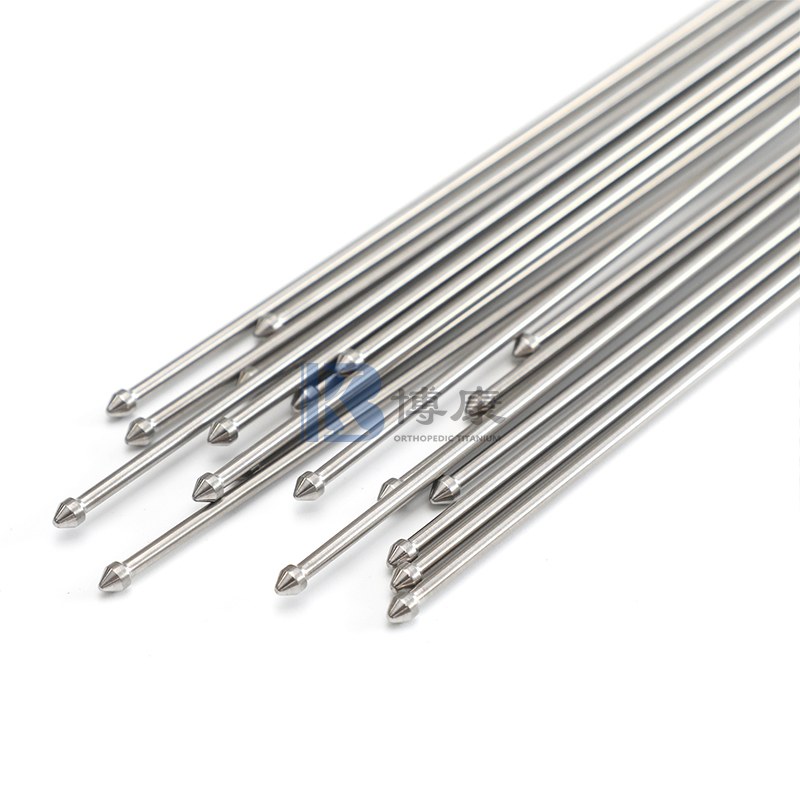
Beyond diameter tolerance, procurement engineers must specify straightness deviation (typically ≤1.0 mm/m for turned-and-polished bar, ≤0.5 mm/m for precision-ground bar) and surface roughness Ra. For CNC turning applications, a black-surface (as-extruded) bar with Ra ≤3.2 µm is acceptable; for direct-use medical pins, a centerless-ground finish of Ra ≤0.4 µm is mandatory. Bokang's cold-drawing line consistently achieves Ra ≤1.6 µm as standard, with ground finishes available on request.
Manufacturing Prowess: Why Partner with a Specialized Titanium Round Bar Factory
The difference between a commodity titanium rod distributor and a specialized titanium round bar factory like Changzhou Bokang lies in process control at every metallurgical stage. Material inconsistency — the cause of most in-service failures — originates not in the finished bar but in decisions made during melting, hot-working, and annealing. Bokang's vertically integrated production eliminates the traceability breaks that occur when trading houses source ingots from one supplier, rolling from a second, and heat treatment from a third.
Core Production Process
Vacuum Arc Remelting (VAR): Titanium sponge and master alloy are consumable-electrode melted under hard vacuum (≤5×10⁻³ Pa) in a water-cooled copper crucible. A double or triple VAR cycle eliminates macro-segregation of aluminum and vanadium, ensuring chemical homogeneity to within ±0.15 wt% of target composition across the full ingot cross-section.
Hot Forging and Rotary Swaging: Ingots are hot-worked in the alpha-beta phase field (typically 900–950 °C for Grade 5) to refine the prior-beta grain structure to <50 µm ASTM grain size No. 8, maximizing fatigue crack initiation resistance.
Precision Cold-Drawing: Multi-pass drawing through tungsten-carbide dies at ambient temperature achieves final diameter tolerances to h7 class with a work-hardening increment that raises surface hardness to 30–34 HRC — beneficial for wear-critical aerospace fastener applications.
Vacuum Annealing: Post-drawing stress relief at 700–750 °C for Grade 5 under 1×10⁻³ Pa restores ductility to ≥10% elongation without introducing surface oxidation (no alpha-case layer), avoiding the brittle surface zone that compromises fatigue life.
Ultrasonic Immersion Testing (UT): 100% of production bars are tested per ASTM E2375 using 5 MHz probes, detecting internal discontinuities >0.4 mm equivalent flat-bottom-hole (FBH) diameter — a detection threshold that satisfies AMS 2630 Class A requirements for aerospace structural applications.
This closed-loop manufacturing model means that when Bokang issues a 3.1 mill certificate citing UTS 950 MPa / Yield 880 MPa for a lot of Grade 5 bar, those values are backed by in-house tensile testing on specimens cut from the actual production lot — not interpolated from a master heat certificate shared across hundreds of downstream bar lengths.
The Evolution of Titanium Rod Industry Applications
Three sectors are reshaping demand patterns across the titanium rod industry in ways that require suppliers to move beyond standard catalogue offerings toward engineered material solutions.
Aerospace: From Fasteners to Structural Members
Next-generation narrow-body aircraft programs are specifying Grade 5 titanium rod for fan blade dovetail attachment bolts and airframe brackets that were previously manufactured in 300M steel. The weight saving is 40% per component; the corrosion maintenance interval extends from 3,000 to 25,000 flight hours. This shift creates demand for AMS 4928-certified bar with 100% UT and hydrogen content ≤125 ppm — specifications that commodity distributors cannot satisfy from stock.
Oil, Gas, and Chemical Processing: Corrosion-Driven Specification Upgrades
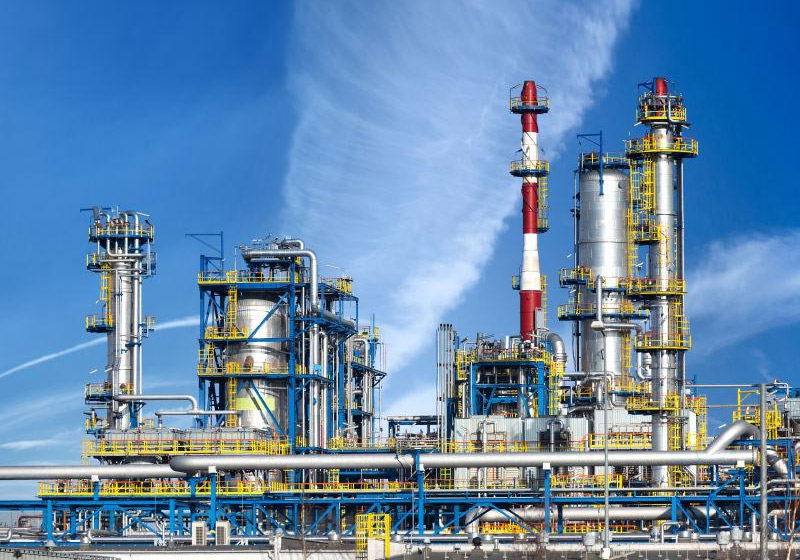
Titanium's corrosion resistance in reducing acid environments — notably sulfuric acid at concentrations up to 50% and temperatures to 100 °C — has made Grade 2 CP titanium rod the preferred material for agitator shafts, valve stems, and pump impeller rods in chlor-alkali and phosphoric acid production.
Case study: A Chinese chlor-alkali producer replacing 316L stainless steel agitator shafts with Bokang Grade 2 titanium rod (diameter 50 mm, length 2,400 mm, ASTM B348 Grade 2) in a 35% hydrochloric acid process stream at 85 °C recorded zero measurable corrosion after 36 months, compared to an average 9-month replacement cycle for the stainless steel predecessor. This extended service life reduced unplanned downtime by 62% and lowered annualized shaft replacement costs by CNY 1.4 million per production line. Equipment operational lifespan in the corrosive environment increased by more than 40% on a full lifecycle basis when factoring in associated pump seal and bearing replacements triggered by shaft degradation.
Marine and Offshore Engineering: Chloride Resistance at Scale
Offshore desalination plant expansions across the Middle East and Southeast Asia are driving demand for Grade 2 and Grade 7 (Ti-0.15Pd) titanium rod in seawater pump systems and brine concentrator shafts. Grade 7's palladium addition (0.12–0.25 wt% Pd) extends crevice corrosion resistance into oxidizing chloride conditions where Grade 2 reaches its limits — an application where Bokang supplies bar to ASTM B348 Grade 7 with individual palladium content verified by XRF on every production lot.
Across all three sectors, the common procurement conclusion is identical: the reliability of a titanium component is only as strong as the consistency of the titanium round bar it was machined from. Partnering with a vertically integrated factory — one where VAR melt practice, drawing schedules, annealing atmosphere, and UT sensitivity are all controlled under a single ISO 9001-certified quality management system — is not a premium procurement option. In demanding environments, it is the baseline requirement.

 Send Inquiry


 EN
EN
 English
 日本語
日本語 한국어
한국어 Español
 عربى
عربى русский
 Deutsch
 中文简体
中文简体