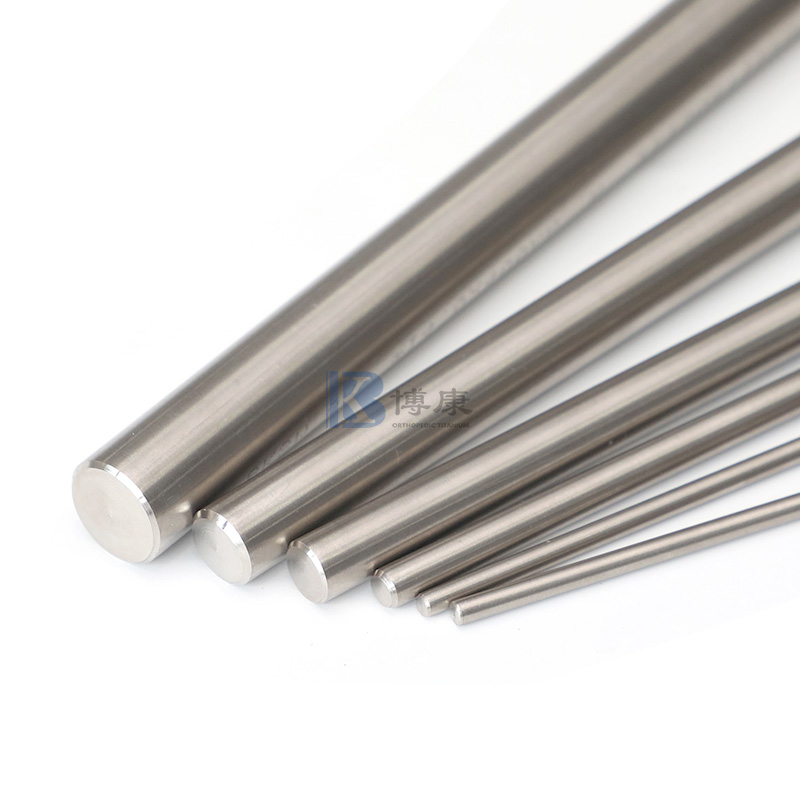
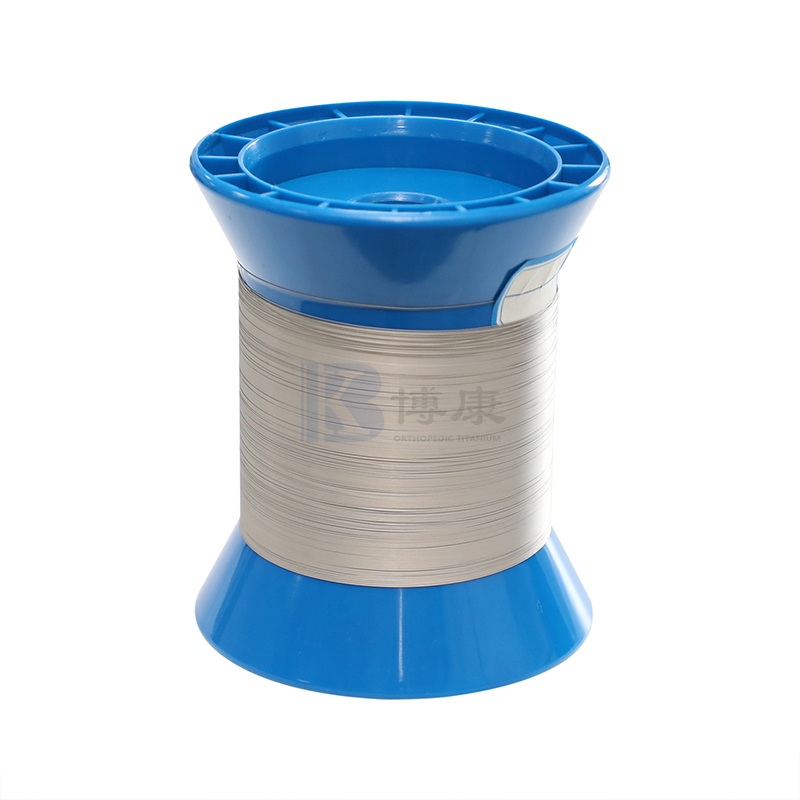
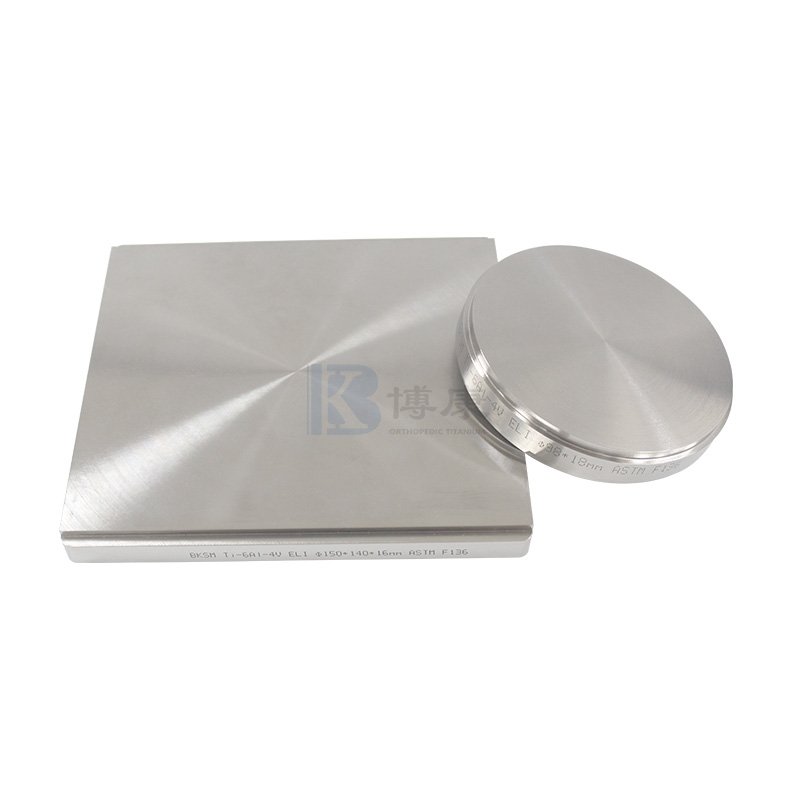
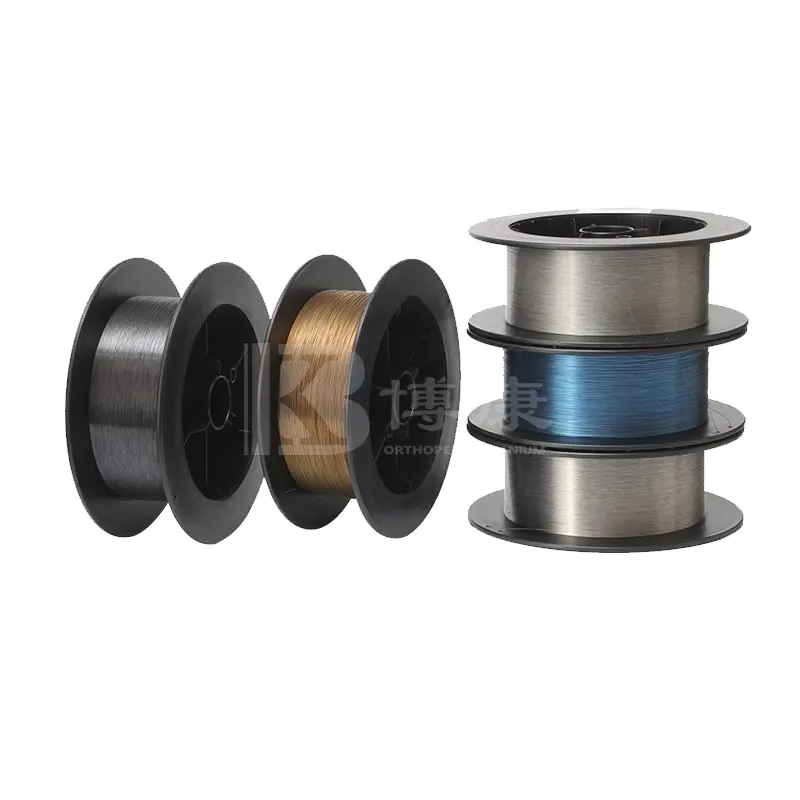
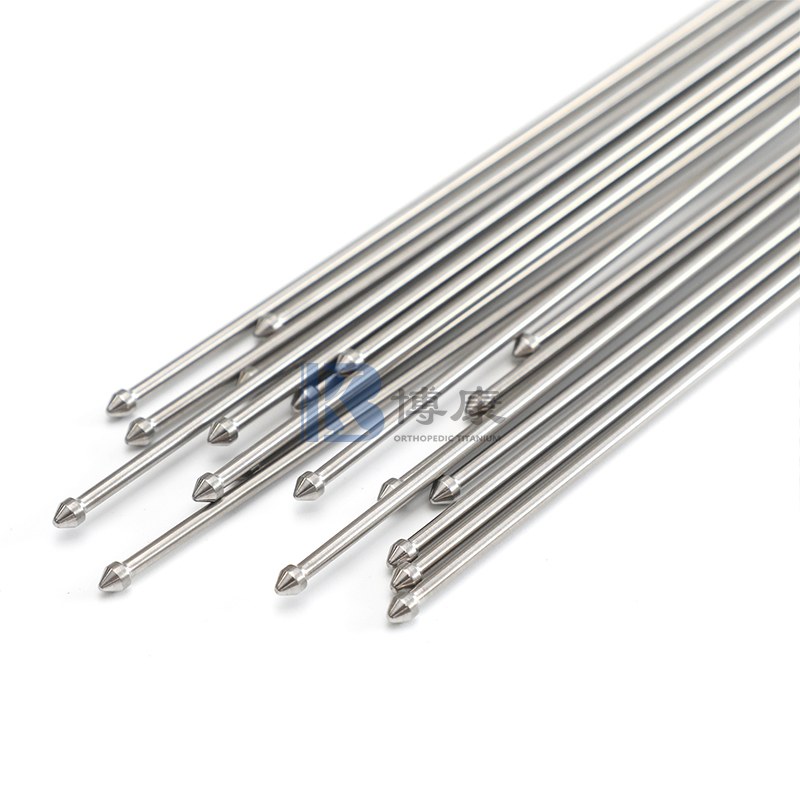
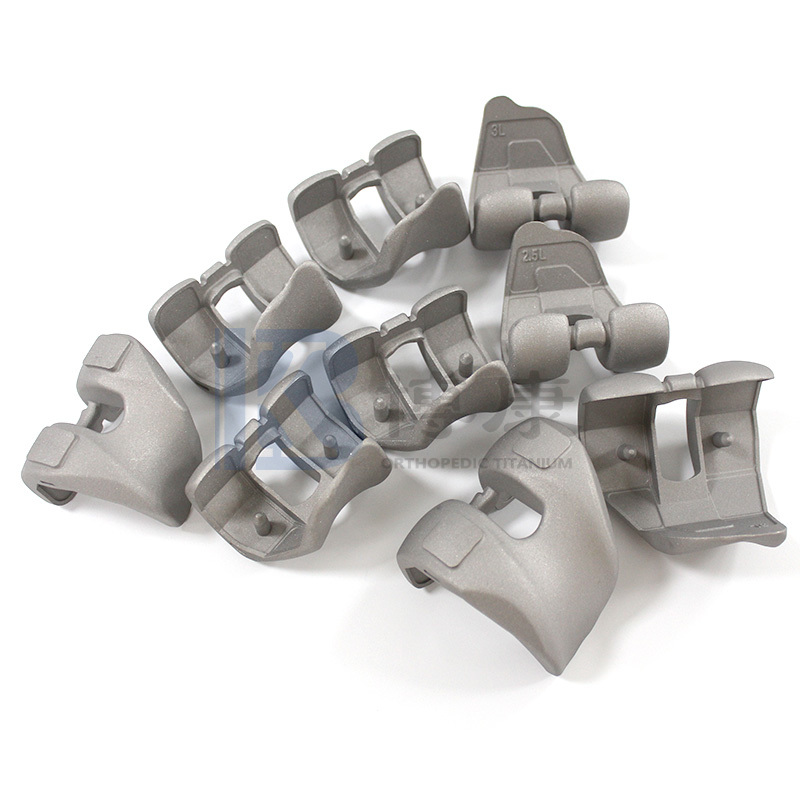
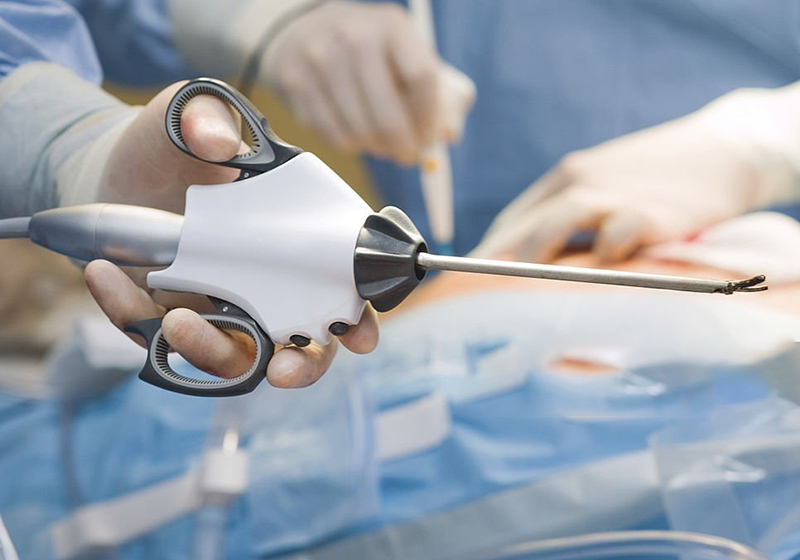
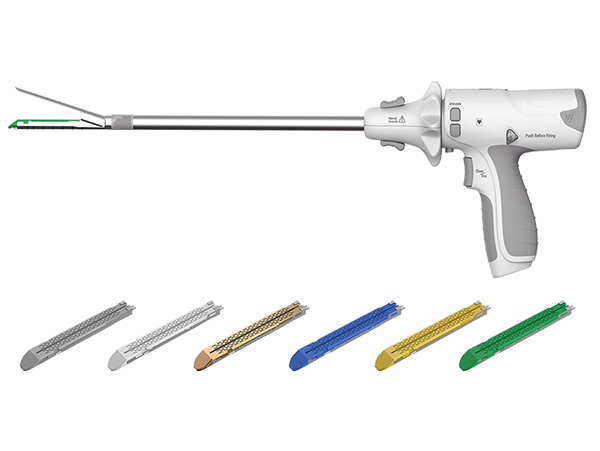
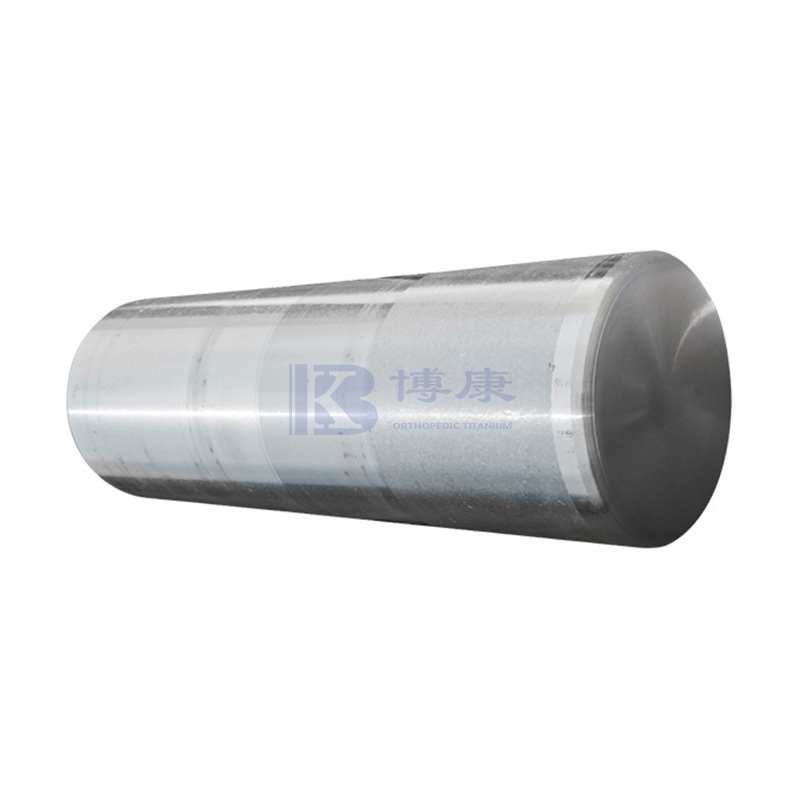
Titanium alloy rods have become indispensable in industries where strength, lightweight properties, and corrosion resistance are critical. From aerospace to medical implants, these rods offer a unique combination of mechanical and chemical advantages that traditional metals struggle to match. As industries push toward higher efficiency, sustainability, and durability, titanium alloy rods are increasingly favored for demanding applications.
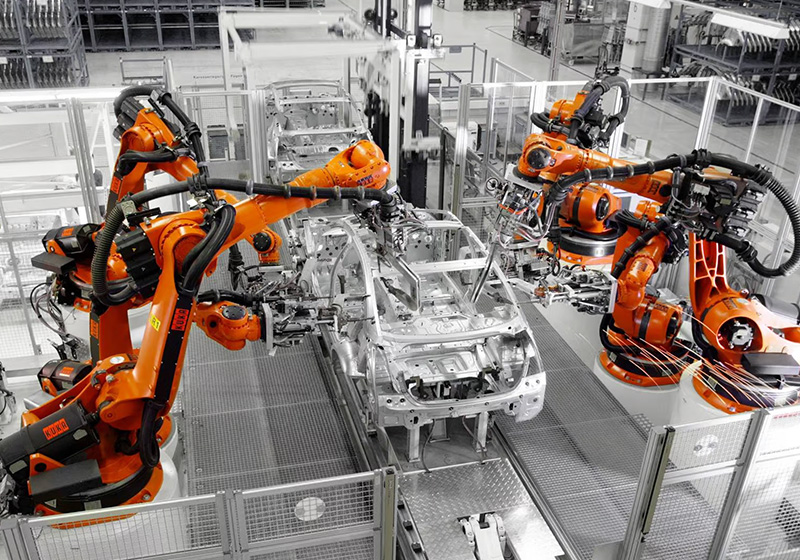
When evaluating materials for high-stress applications, engineers often compare titanium alloy rods to steel, aluminum, and nickel-based alloys. The most compelling advantage of titanium is its exceptional strength-to-weight ratio—titanium alloys can match the strength of many steels while being nearly 45% lighter. This property alone makes them ideal for aerospace, automotive, and military applications where weight reduction directly impacts performance and fuel efficiency.
Another critical factor is corrosion resistance. Unlike steel, which requires protective coatings to prevent rust, titanium naturally forms a passive oxide layer when exposed to oxygen. This layer protects the material from harsh environments, including saltwater, acidic solutions, and industrial chemicals. As a result, titanium alloy rods are widely used in marine engineering, chemical processing, and offshore oil rigs where corrosion would rapidly degrade other metals.
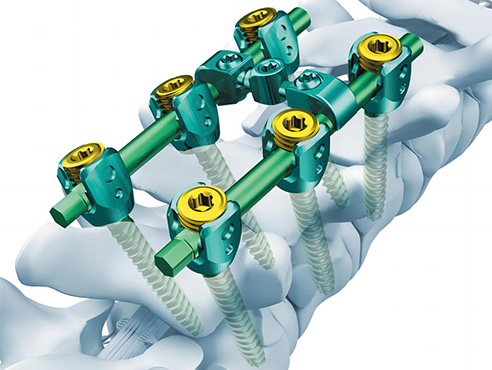
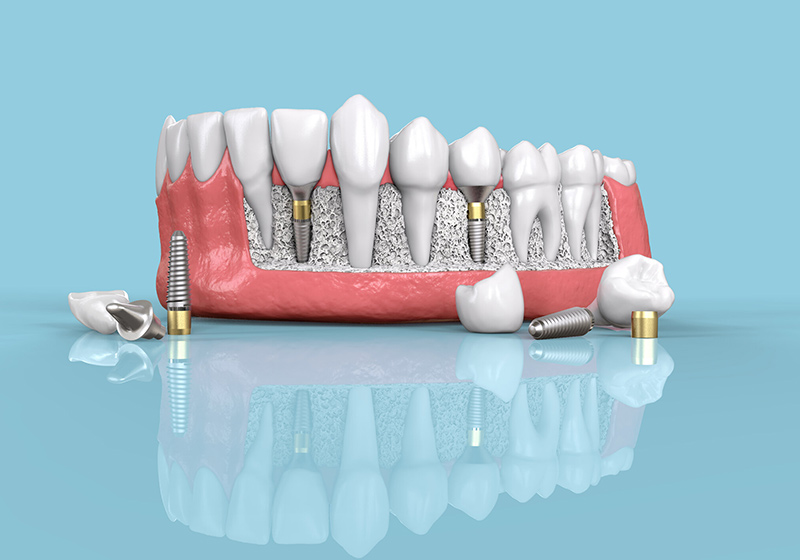
Biocompatibility further enhances the appeal of titanium alloys. Unlike some metals that trigger immune responses, titanium is non-toxic and integrates well with human tissue. This property has made titanium alloy rods a standard in medical implants, such as orthopedic pins, dental posts, and spinal fixation devices.
The demand for titanium alloy rods continues to grow as industries prioritize materials that offer longevity, reduced maintenance, and operational efficiency. While the initial cost is higher than steel or aluminum, the long-term benefits—such as lower replacement frequency and minimal corrosion-related failures—justify the investment.
The aerospace industry is one of the largest consumers of titanium alloy rods. Aircraft components such as landing gear, engine mounts, and structural fasteners require materials that can withstand extreme stress without adding excessive weight. Titanium’s fatigue resistance ensures that these parts endure repeated stress cycles without cracking, a common issue with aluminum alloys.
Modern jet engines also rely on titanium alloy rods for compressor blades and turbine shafts. The material’s ability to retain strength at high temperatures—while resisting creep and oxidation—makes it indispensable in propulsion systems. Additionally, the shift toward more fuel-efficient aircraft has accelerated titanium adoption, as weight savings directly translate to lower fuel consumption and reduced emissions.
In the medical field, titanium alloy rods are the gold standard for implants due to their biocompatibility and mechanical stability. Unlike stainless steel, which can corrode inside the body over time, titanium remains inert, reducing the risk of inflammation or rejection.
Orthopedic applications, such as bone screws and joint replacements, benefit from titanium’s modulus of elasticity, which is closer to human bone than other metals. This compatibility minimizes stress shielding—a condition where the implant bears too much load, weakening surrounding bone. Dental implants also utilize titanium rods because they fuse with jawbone tissue through osseointegration, ensuring long-term stability.
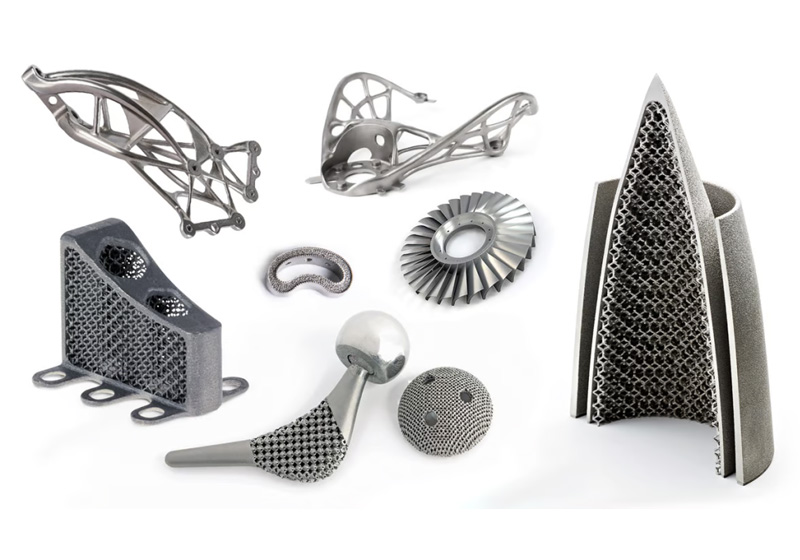
The medical industry continues to innovate with titanium alloys, exploring porous structures that encourage bone ingrowth and surface treatments that enhance antibacterial properties. These advancements ensure that titanium remains at the forefront of implant technology.
Producing high-quality titanium alloy rods requires advanced manufacturing techniques to meet stringent industry standards. Traditional methods like hot forging and extrusion are still widely used, but newer technologies are improving precision and reducing waste.
Hot forging remains a primary method for shaping titanium alloy rods, particularly for aerospace components that require high structural integrity. The process involves heating titanium billets to high temperatures before pressing them into near-net shapes, reducing the need for excessive machining.
However, machining titanium is challenging due to its low thermal conductivity and tendency to work-harden. Specialized tooling and cooling techniques are necessary to prevent tool wear and maintain dimensional accuracy. Advances in CNC machining have improved efficiency, allowing for tighter tolerances in critical applications.
One of the most transformative developments is the use of additive manufacturing to produce titanium alloy rods. Selective laser melting (SLM) and electron beam melting (EBM) enable the creation of complex geometries that would be impossible with traditional methods. This is particularly valuable in aerospace and medical fields, where customized, lightweight components are in demand.
3D-printed titanium rods also minimize material waste, a significant advantage given the high cost of titanium. While post-processing (such as heat treatment and surface finishing) is still required, additive manufacturing is rapidly becoming a viable alternative for low-to-medium production runs.
Ensuring the reliability of titanium alloy rods involves rigorous testing, including ultrasonic inspection, tensile testing, and microstructural analysis. Industry standards such as ASTM B348 (for bars and rods) and AMS 4928 (for aerospace-grade titanium) define acceptable mechanical properties and chemical compositions.
| Property | Typical Value (Ti-6Al-4V) |
| Tensile Strength | 895–930 MPa |
| Yield Strength | 825–869 MPa |
| Elongation at Break | 10–15% |
| Density | 4.43 g/cm³ |
These stringent controls ensure that titanium alloy rods perform reliably in critical applications.
As industries move toward greener solutions, titanium alloy rods present a compelling case for sustainability. Unlike many metals, titanium is fully recyclable without significant loss of properties. Scrap titanium can be remelted and reprocessed, reducing the need for virgin material and lowering environmental impact.
In renewable energy, titanium’s corrosion resistance makes it ideal for offshore wind turbines and hydrogen storage systems, where exposure to seawater and high-pressure environments would degrade lesser materials. The long lifespan of titanium components also means fewer replacements, reducing waste over time.
However, the high energy cost of titanium production remains a challenge. The Kroll process, used to extract titanium from ore, is energy-intensive, contributing to the material’s premium price. Researchers are exploring alternative extraction methods, such as the FFC Cambridge process, which could lower costs and energy consumption in the future.
Despite these challenges, the long-term benefits of titanium alloy rods—durability, recyclability, and performance—make them a strong candidate for sustainable engineering. As manufacturing efficiencies improve and industries prioritize lifecycle costs over upfront expenses, titanium’s role is set to expand further.
Copyright © 2024 Changzhou Bokang Special Material Technology Co., Ltd. All Rights Reserved.
Custom Round Pure Titanium Rod Manufacturers Privacy