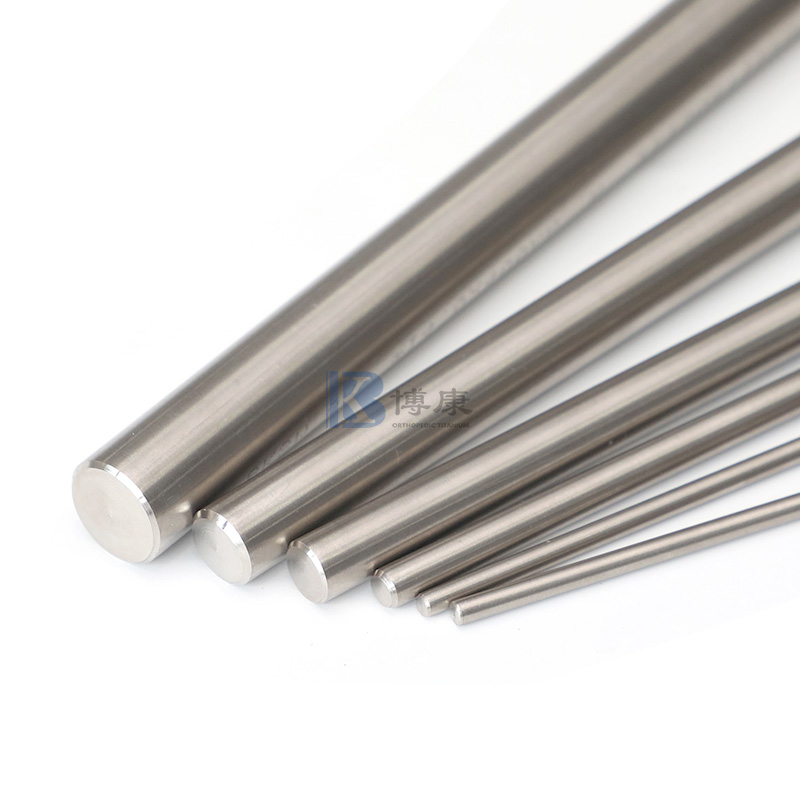
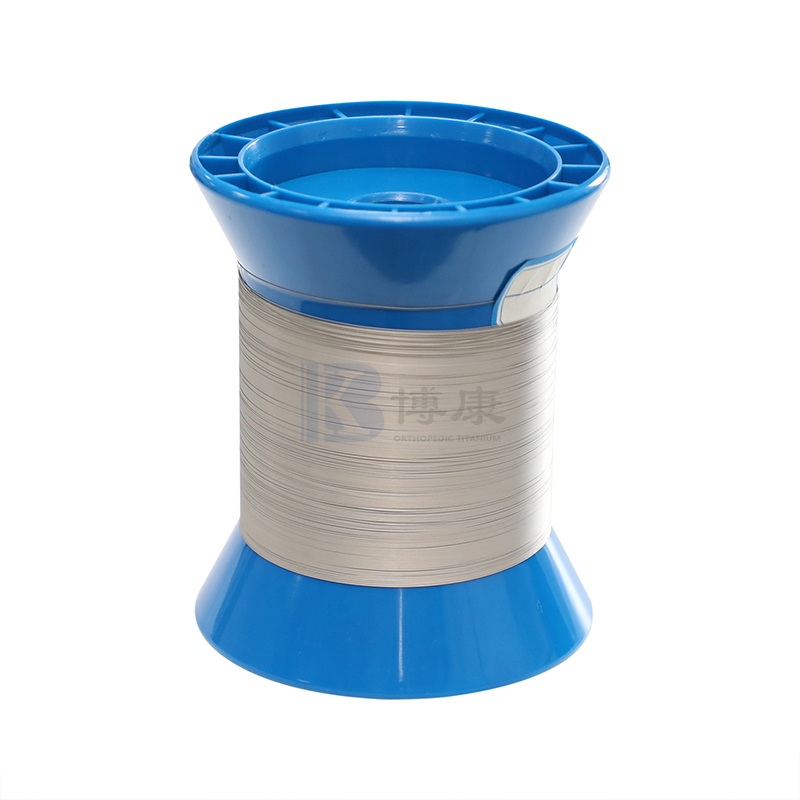
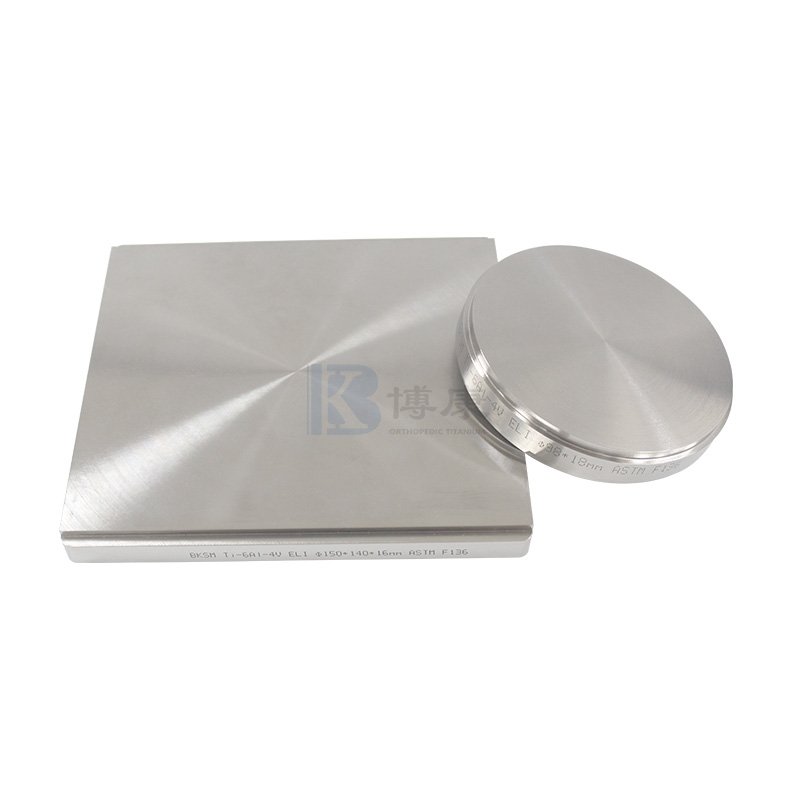
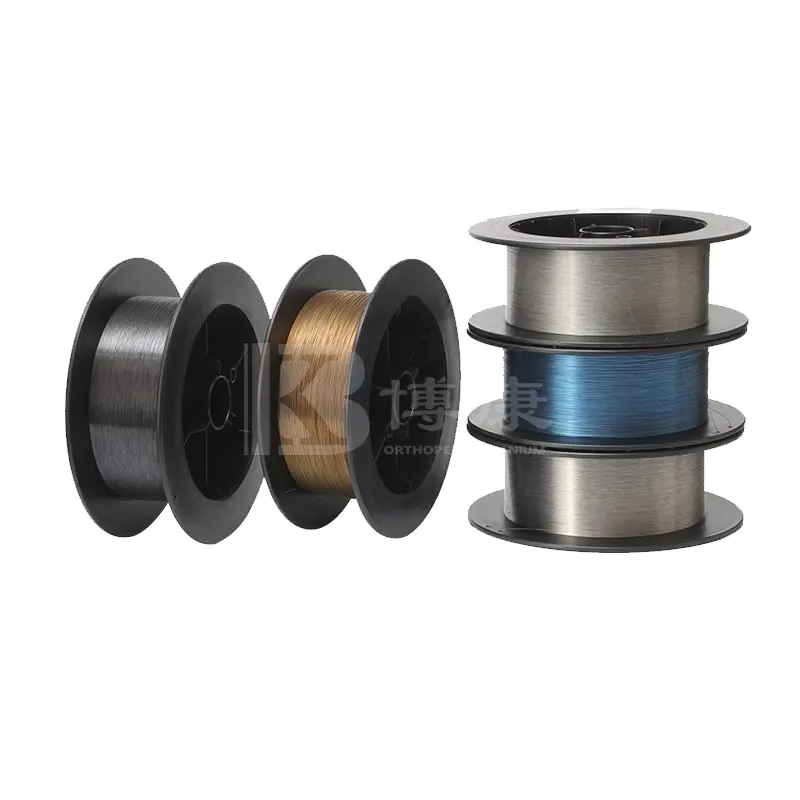
Titanium alloys have become a foundational material class in modern implantable medical devices, supporting applications that range from orthopedic fixation systems and joint replacements to dental implants and cardiovascular components. Among these alloys, Titanium Grade 23 (also known as Ti-6Al-4V ELI, where ELI denotes Extra Low Interstitials) is widely specified for critical implant applications. Its preference is not the result of a single material property, but rather the outcome of a multi-factor systems engineering optimization that balances mechanical performance, biocompatibility, manufacturability, regulatory compliance, and long-term clinical reliability.
From a systems engineering perspective, the selection of implant materials must consider the entire lifecycle of a medical device: raw material sourcing, processing routes, component manufacturing, surface finishing, sterilization, regulatory documentation, in-body performance, and eventual revision or removal. Titanium Grade 23 is frequently selected because it aligns with these system-level requirements more consistently than many alternative alloys.
The term medical grade titanium generally refers to titanium and titanium alloys that meet specific chemical composition, mechanical property, and cleanliness requirements for implantable medical devices. These requirements are typically defined by international standards and regulatory guidance and include constraints on impurity levels, microstructure, and traceability.
Medical-grade titanium is not a single material. It includes:
Within this group, Titanium Grade 23 occupies a specific position as a low-interstitial alpha-beta alloy optimized for critical load-bearing implants.
When selecting an implant material, system-level criteria typically include:
Titanium Grade 23 is favored not because it maximizes one parameter, but because it provides a balanced optimization across all of these system requirements.
The defining feature of Titanium Grade 23 is its “Extra Low Interstitial” (ELI) chemistry. Interstitial elements such as oxygen, nitrogen, carbon, and hydrogen significantly influence the mechanical and fracture behavior of titanium alloys.
In Grade 23:
This reduced interstitial content improves fracture toughness and fatigue crack growth resistance, which are critical for long-term implant reliability.
| Parameter | Commercially Pure Titanium (Typical) | Ti-6Al-4V (Standard) | Ti-6Al-4V ELI (Grade 23) |
|---|---|---|---|
| Aluminum (Al) | None or trace | ~6% | ~6% |
| Vanadium (V) | None | ~4% | ~4% |
| Oxygen (O) | Higher allowable | Moderate | Lower allowable |
| Nitrogen (N) | Moderate | Moderate | Lower allowable |
| Carbon © | Moderate | Moderate | Lower allowable |
| Hydrogen (H) | Moderate | Moderate | Lower allowable |
| Primary Intent | Corrosion resistance | Strength | Fatigue + fracture reliability |
The reduced interstitial limits in Grade 23 are a key reason it is often specified for high-risk, load-bearing implant systems.
Titanium Grade 23 is an alpha-beta alloy. Its microstructure consists of a mixture of alpha and beta phases, the relative proportions of which can be adjusted through heat treatment and thermomechanical processing.
From a system perspective:
Microstructure uniformity is critical because localized microstructural variations can become fatigue crack initiation sites in cyclic loading environments.
Fine and uniform grain structures are generally associated with improved fatigue resistance and more predictable crack growth behavior. Grade 23 processing routes often emphasize:
In implant systems, fatigue failure is typically a long-term risk rather than an immediate overload issue. Therefore, microstructural stability under cyclic loads becomes a primary driver in material selection.
Implant systems must support load transfer while accommodating physiological motion. Titanium Grade 23 offers a balance between strength and ductility that supports this requirement.
Key system considerations include:
While specific values depend on processing and product form, Grade 23 is generally selected when enhanced fracture toughness is prioritized over marginal increases in static strength.
The elastic modulus of titanium alloys is lower than that of many other structural metals. This property is often beneficial in implants because:
From a systems engineering viewpoint, the modulus mismatch between implant and bone is a design variable, and medical grade titanium alloys help manage this mismatch more effectively than higher-modulus materials.
Implants are exposed to millions of load cycles over their service life. Walking, lifting, and normal movement generate repeated stresses that may be well below static strength limits but still sufficient to initiate fatigue damage.
Titanium Grade 23 is favored because:
From a risk management standpoint, Grade 23 reduces the probability of unexpected fatigue-related failures.
Fatigue is not solely a material issue. It is a system-level constraint involving:
Medical-grade titanium alloys such as Grade 23 provide a robust baseline, but system designers must still control geometric stress concentrations and surface integrity to fully realize fatigue performance.
Titanium forms a stable, adherent oxide layer in physiological environments. This oxide layer is central to corrosion resistance and biocompatibility.
In Grade 23:
Corrosion resistance is a system-level safety factor, as corrosion products can affect surrounding tissue and compromise mechanical integrity over time.
Physiological fluids contain chlorides, proteins, and other species that can accelerate corrosion in less resistant alloys. Medical-grade titanium is specifically selected because:
Titanium and its alloys have a long history of clinical use. Titanium Grade 23 benefits from:
These properties support stable tissue integration and long-term implant acceptance.
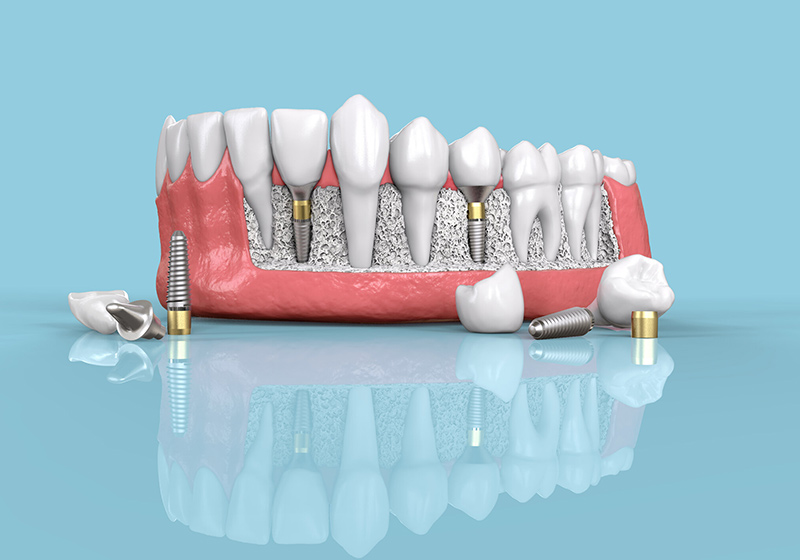
Osseointegration refers to the direct structural and functional connection between living bone and the surface of an implant. Surface topography, chemistry, and cleanliness play critical roles.
Grade 23 is compatible with a wide range of surface engineering techniques used to enhance osseointegration, including:
The ability to integrate surface engineering processes into the material system is a major advantage for implant designers.
Titanium Grade 23 is commonly processed through:
Its processability supports complex implant geometries while maintaining tight dimensional tolerances.
From a system view, machinability affects:
Grade 23 is generally considered more challenging to machine than some other metals, but its performance advantages often justify the added process control requirements.
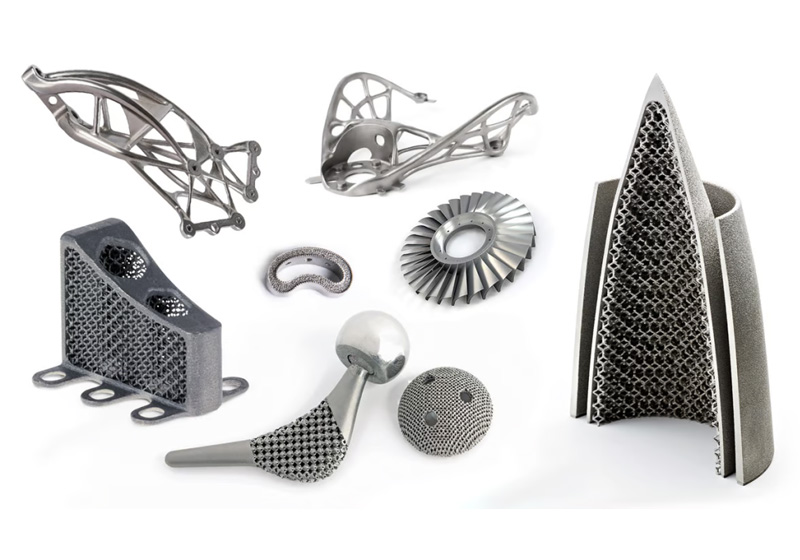
Additive manufacturing has become increasingly relevant for patient-specific implants and porous structures. Titanium Grade 23 is compatible with powder-based additive processes when:
The compatibility of Grade 23 with additive manufacturing expands system-level design options, particularly for complex lattice structures that promote bone in-growth.
Surface engineering is a system-level tool used to tailor biological and mechanical interactions without changing bulk material properties. For medical-grade titanium, surface treatments may target:
Grade 23 supports a wide range of surface treatments without compromising bulk integrity.
Surface processes must be integrated into the overall manufacturing and validation workflow. This includes:
The predictable response of Grade 23 to surface modification reduces integration risk at the system level.
Implant systems require full traceability from raw material to finished device. Titanium Grade 23 is widely supported by:
This infrastructure simplifies:
While regulatory frameworks evolve, materials with long clinical histories benefit from:
This regulatory familiarity reduces system-level development risk and time to qualification.
To illustrate why Grade 23 is frequently selected, it is useful to compare it with other common medical-grade titanium options at a system level.
| Attribute | Commercially Pure Titanium | Ti-6Al-4V (Standard) | Ti-6Al-4V ELI (Grade 23) |
|---|---|---|---|
| Static Strength | Lower | Higher | High |
| Fracture Toughness | Moderate | Moderate | Higher |
| Fatigue Resistance | Moderate | Good | Enhanced |
| Interstitial Control | Less strict | Standard | Extra low |
| Additive Manufacturing Compatibility | Limited | Good | Good with enhanced control |
| Typical Use | Dental, low load | General implants | Critical load-bearing implants |
This comparison highlights why Grade 23 is often specified when long-term fatigue and fracture performance are prioritized.
System reliability begins with raw material quality. For medical-grade titanium:
Grade 23 supply chains typically emphasize enhanced controls to maintain ELI requirements.
At the system level, validation includes:
The consistent behavior of Grade 23 across these validation steps reduces variability and supports predictable production outcomes.
Implant failures rarely result from a single factor. Common system-level contributors include:
Titanium Grade 23 reduces certain material-related risks, but system-level design and process controls remain essential.
By improving fracture toughness and fatigue behavior, Grade 23:
This makes it a preferred option in systems where long service life and low revision rates are critical design objectives.
Titanium Grade 23 is widely preferred for medical implants because it aligns with system-level engineering requirements rather than optimizing a single material parameter. Its extra-low interstitial chemistry improves fracture toughness and fatigue performance, supporting long-term reliability under cyclic physiological loads. Its balanced alpha-beta microstructure enables predictable mechanical behavior, while its corrosion resistance and biocompatibility support long-term in-body stability.
From a manufacturing and regulatory standpoint, Grade 23 integrates well into established quality systems, supports both conventional and additive manufacturing routes, and accommodates a wide range of surface engineering processes. When viewed from a full lifecycle perspective—covering material sourcing, processing, validation, clinical performance, and regulatory integration—medical grade titanium in the form of Titanium Grade 23 represents a system-optimized solution for critical implant applications.
Rather than being selected solely for strength or corrosion resistance, Grade 23 is chosen because it reduces uncertainty, supports predictable performance, and enables robust system integration across the entire implant development and deployment process.
Q1: Why is Titanium Grade 23 preferred over standard Ti-6Al-4V for implants?
Grade 23 has lower interstitial content, which improves fracture toughness and fatigue resistance, making it more suitable for critical load-bearing applications.
Q2: Is medical grade titanium always Ti-6Al-4V ELI?
No. Medical-grade titanium includes commercially pure titanium and other alloys. Grade 23 is one important option within this broader category.
Q3: Can Titanium Grade 23 be used with additive manufacturing?
Yes, when powder quality, oxygen control, and post-processing are properly managed, Grade 23 can be integrated into additive manufacturing workflows.
Q4: How does Grade 23 affect osseointegration?
The alloy supports a wide range of surface treatments that promote bone attachment and long-term implant stability.
Q5: Does Grade 23 reduce the risk of implant failure?
It reduces certain material-related risks, particularly related to fatigue and fracture, but overall system design and manufacturing controls remain critical.
Copyright © 2024 Changzhou Bokang Special Material Technology Co., Ltd. All Rights Reserved.
Custom Round Pure Titanium Rod Manufacturers Privacy