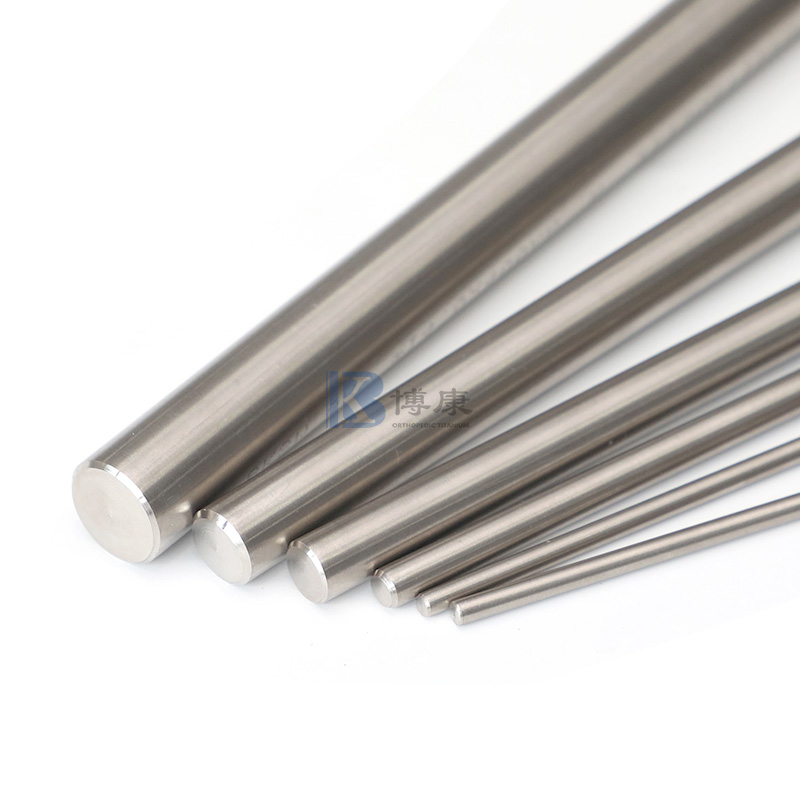
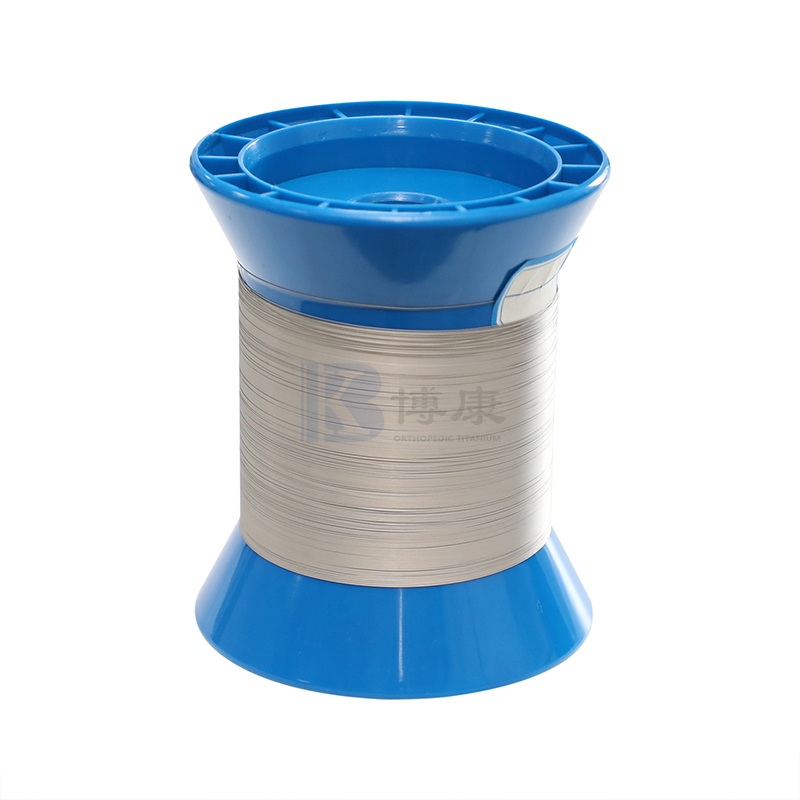
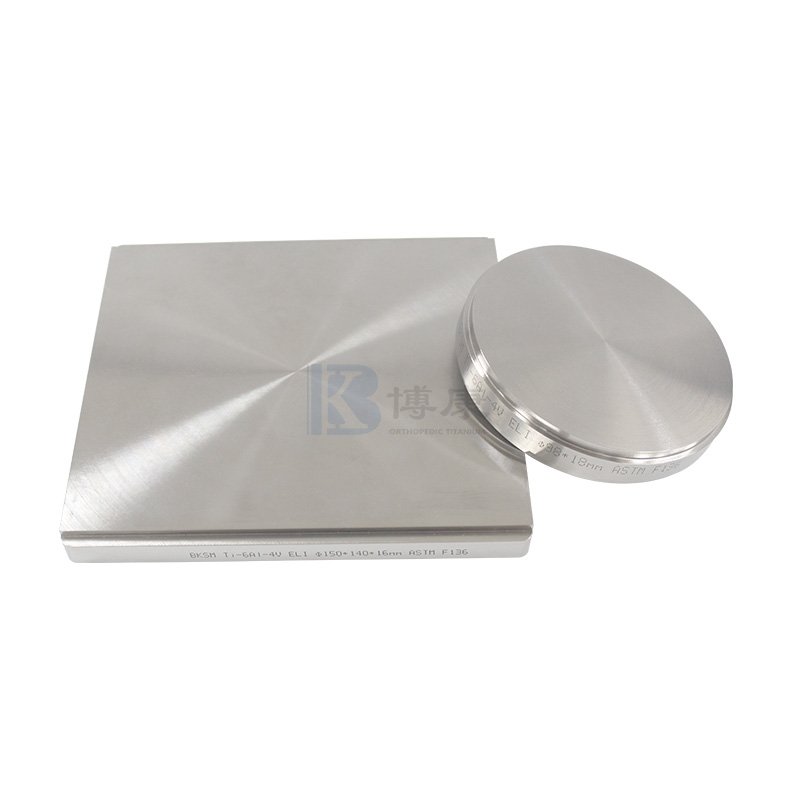
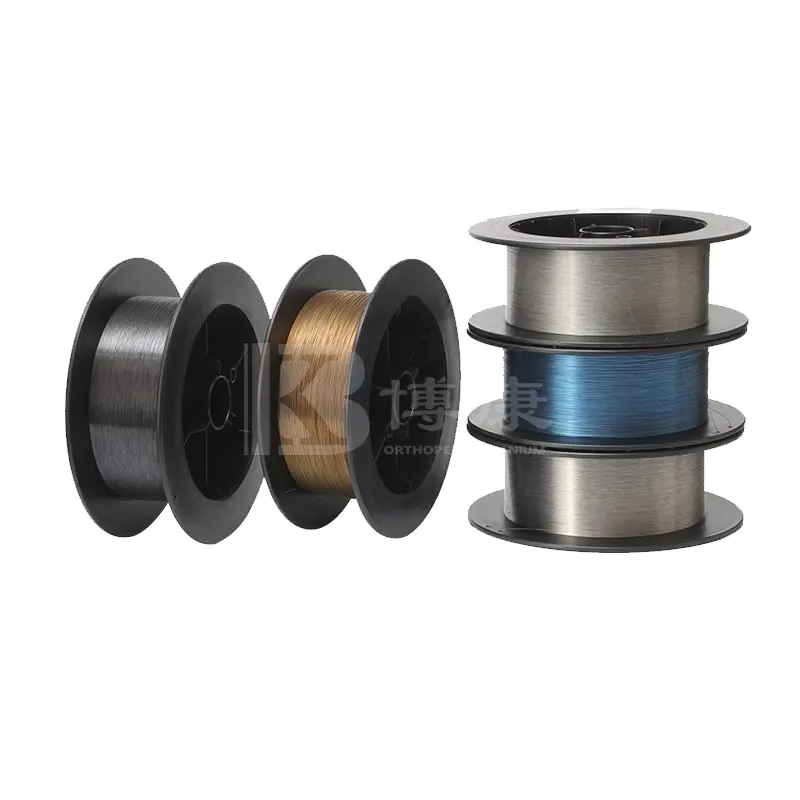
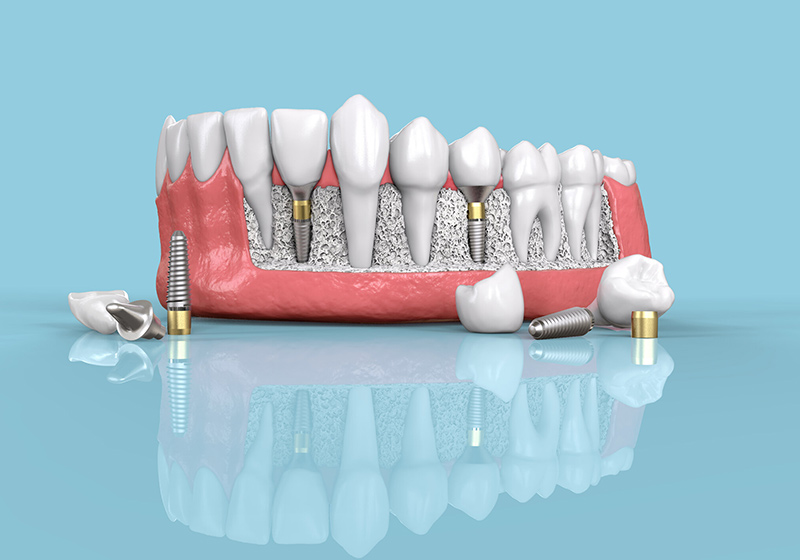
Dental implants have revolutionized modern dentistry by providing a long-term solution for missing teeth, closely mimicking natural tooth function and aesthetics. At the core of their success lies the choice of dental implant materials, which directly influence osseointegration, durability, and biocompatibility. With advancements in material science, clinicians now have multiple options, each with distinct advantages and limitations. Understanding these materials—ranging from titanium and zirconia to newer ceramic and polymer-based alternatives—is crucial for both dental professionals and patients seeking optimal outcomes.
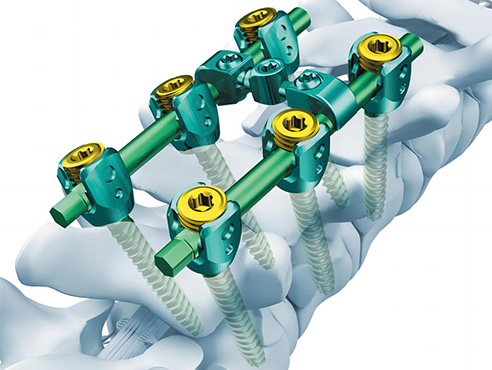
Biocompatibility is the foremost criterion for any dental implant material, as it must integrate seamlessly with the human body without triggering adverse immune responses. Titanium has long been the gold standard due to its excellent osseointegration properties—the process by which bone cells adhere to the implant surface, ensuring stability. Its corrosion resistance and mechanical strength further contribute to its widespread use. However, recent studies have highlighted potential concerns, such as titanium hypersensitivity in rare cases, prompting research into alternative materials.
Zirconia, a ceramic-based option, has gained traction for its hypoallergenic properties and tooth-like appearance. Unlike metals, zirconia implants are highly resistant to plaque accumulation, reducing peri-implantitis risks. However, their fracture toughness has been a point of debate, particularly in high-stress areas of the mouth. To address this, manufacturers have developed tetragonal zirconia polycrystal (TZP) variants, which offer improved strength through advanced sintering techniques.
Another key consideration is surface modification. Modern dental implant materials often undergo treatments like sandblasting, acid etching, or hydroxyapatite coating to enhance bone attachment. Nanotechnology has further refined these surfaces, with nanostructured coatings promoting faster healing and reducing bacterial adhesion. Such innovations underscore the importance of material science in improving implant longevity.
Aesthetic outcomes are increasingly prioritized in restorative dentistry, particularly for anterior implants where visibility is high. Titanium implants, while reliable, may sometimes cause grayish discoloration in thin gingival tissues, leading to less natural-looking results. In contrast, zirconia implants, with their white, opaque appearance, blend more seamlessly with surrounding teeth, making them a preferred choice for front-tooth replacements.
Beyond aesthetics, functionality plays a critical role. Titanium’s high flexural strength makes it suitable for posterior implants, where chewing forces are greater. Zirconia, while aesthetically superior, has historically been considered less ideal for molars due to concerns about brittleness. However, newer monolithic zirconia designs have significantly improved load-bearing capacity, narrowing the performance gap between the two materials.
Soft tissue response also varies between materials. Studies suggest that zirconia may promote healthier peri-implant soft tissues due to its lower affinity for bacterial colonization compared to titanium. This can be particularly beneficial for patients with a history of gum disease, as it minimizes inflammation risks.
The field of dental implant materials is evolving rapidly, driven by demands for better performance, aesthetics, and patient-specific solutions. One notable trend is the development of bioactive materials, such as polyetheretherketone (PEEK) and graphene-reinforced composites. PEEK offers a unique combination of strength and radiolucency, making it useful in patients requiring MRI compatibility. Meanwhile, graphene-enhanced implants are being explored for their antimicrobial properties and potential to accelerate bone regeneration.
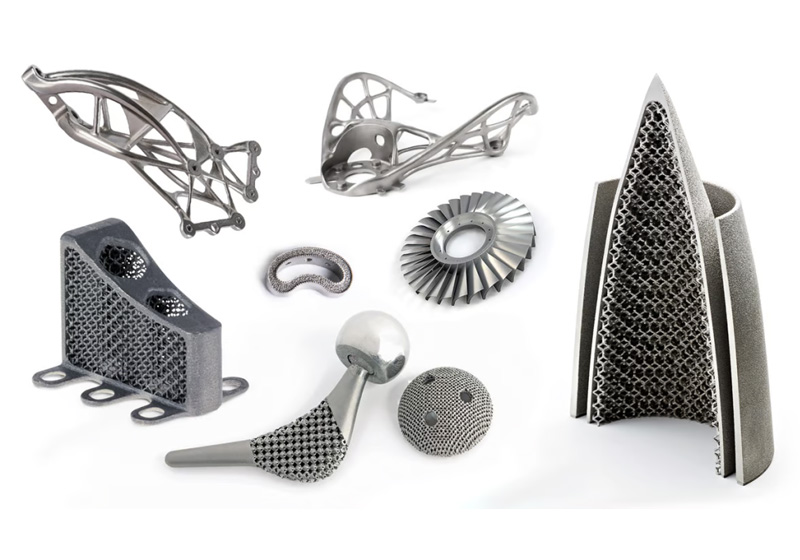
Another significant advancement is the rise of 3D-printed implants, which allow for precise customization based on a patient’s anatomy. This technology not only improves fit but also reduces surgical time and enhances osseointegration through optimized porous structures. Additive manufacturing is particularly promising for complex cases where traditional implants may not suffice.
Sustainability is also becoming a consideration, with researchers investigating biodegradable and eco-friendly alternatives. Magnesium-based implants, for instance, are being tested for their ability to gradually dissolve while stimulating bone growth, eliminating the need for secondary removal surgeries.
Copyright © 2024 Changzhou Bokang Special Material Technology Co., Ltd. All Rights Reserved.
Custom Round Pure Titanium Rod Manufacturers Privacy