 Send Inquiry
 Send Inquiry
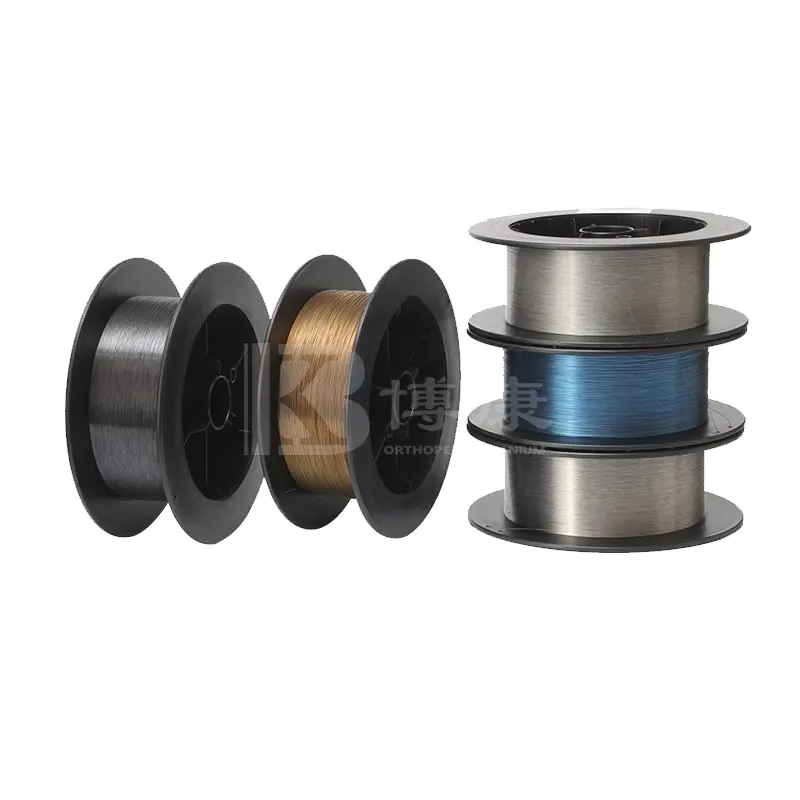
As a metal material with high strength, corrosion resistance and biocompatibility, titanium is difficult to directly meet the dimensional requirements of multiple scenarios in its initial form, and the drawing process is the core link to achieve morphological transformation. Multi-pass drawing is not a simple repetitive operation. Each process needs to be precisely controlled according to the specification parameters of the final product. During the drawing process, titanium materials need to undergo gradual diameter reduction and shaping. Each time through the die extrusion, not only the precise decrease in diameter size must be ensured, but also the uniform release of internal stress of the material must be ensured to avoid increased brittleness due to work hardening. This extreme pursuit of details enables titanium wire to have more stable mechanical properties and dimensional accuracy while maintaining the inherent advantages of titanium metal.
Specification system and type classification of titanium wire
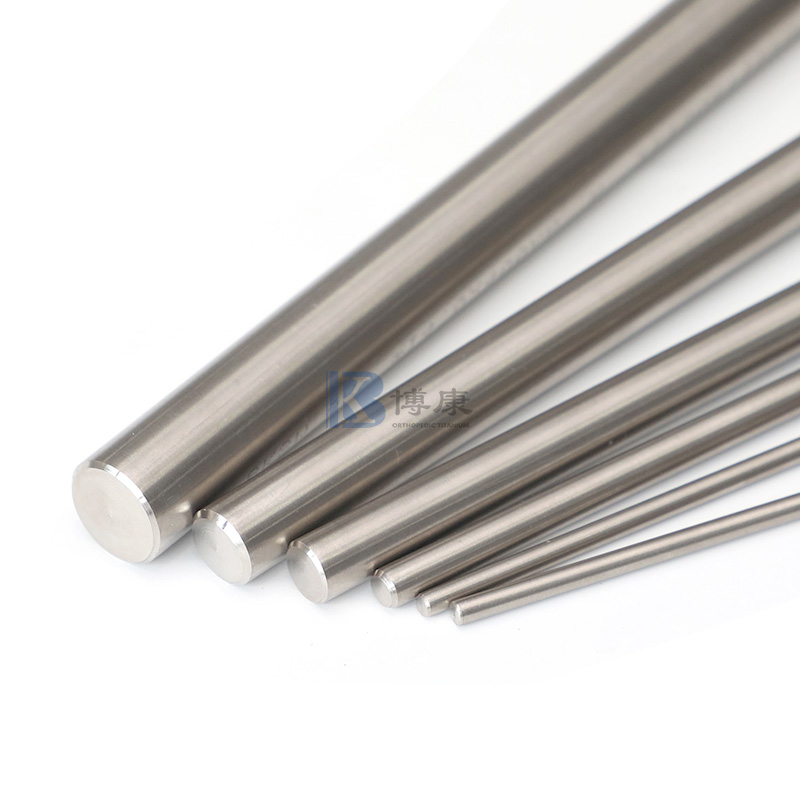
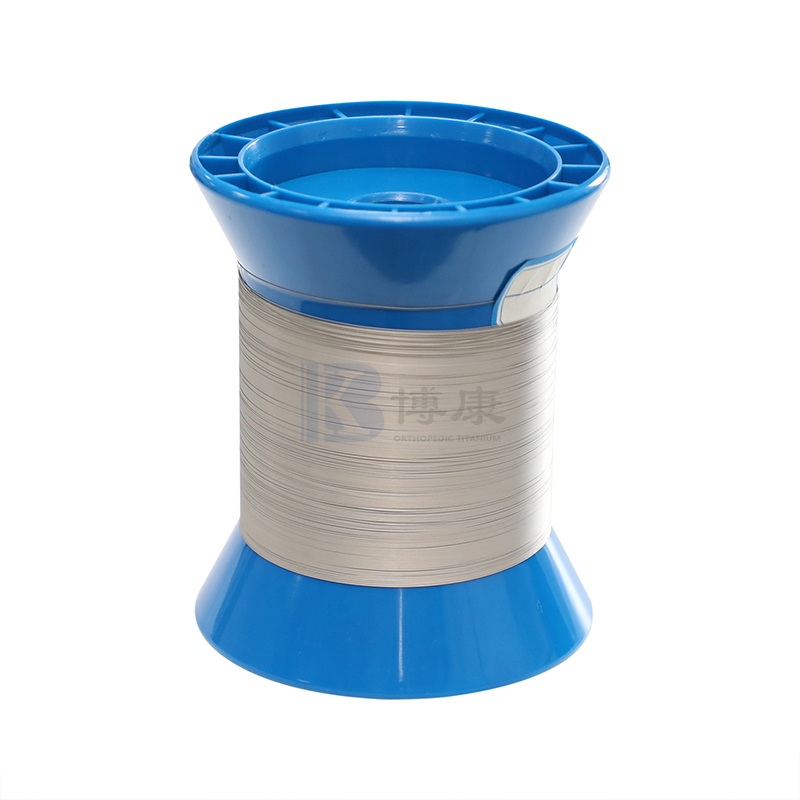
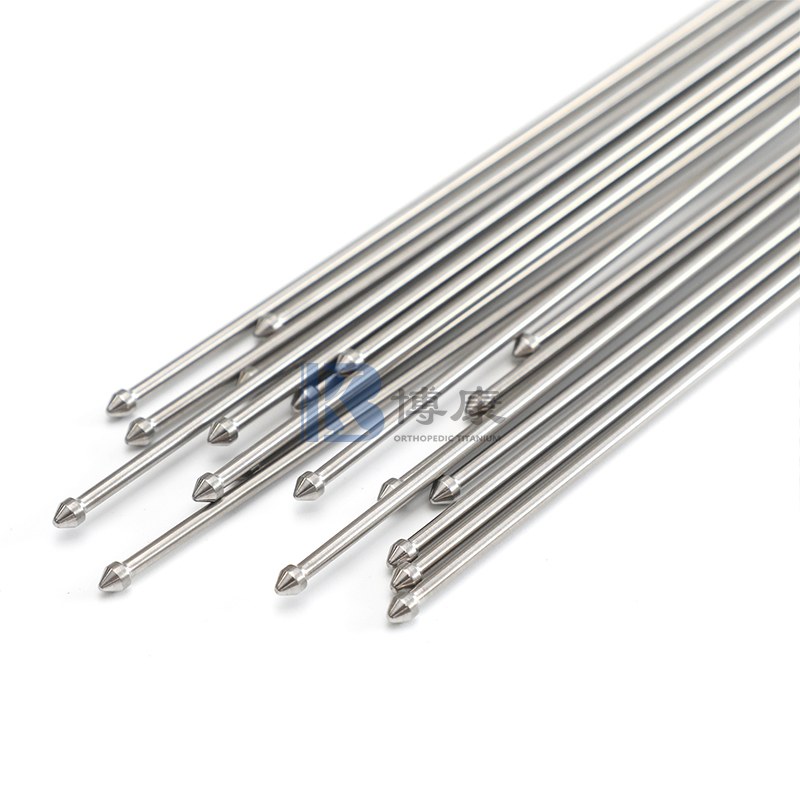
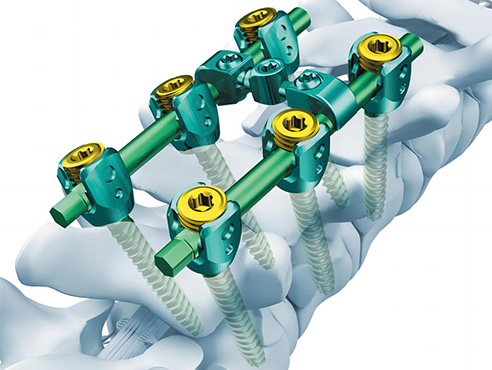
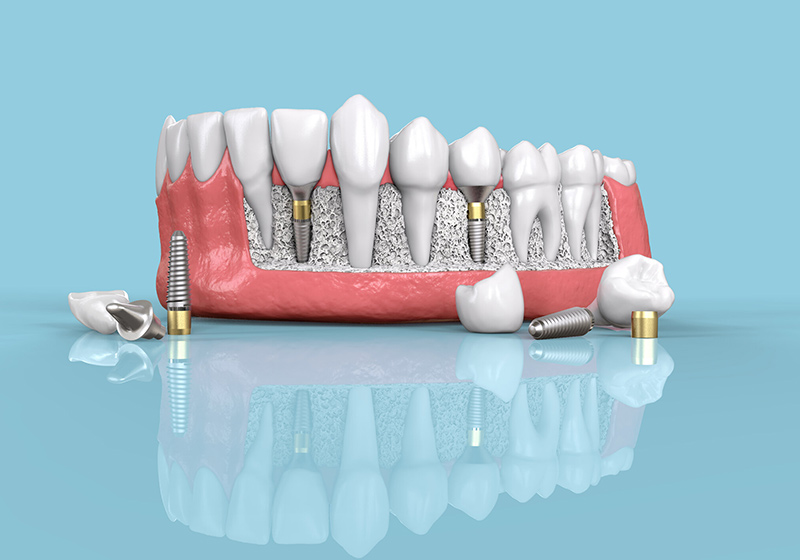
After precision drawing process, titanium wire forms a rich specification system, covering special products in multiple application fields. With its extremely fine diameter and excellent toughness, titanium wire for anastomosis has become a key material for specific medical anastomosis scenarios. Its surface finish and biological inertness can effectively reduce the risk of tissue rejection; straight wire for orthopedics and dentistry focuses on the matching of mechanical properties. By adjusting the drawing process parameters, its strength and elastic modulus are closer to human bones, providing reliable support for implant fixation. As another important category, industrial titanium welding wire focuses on the special needs of welding scenarios. Its composition uniformity and arc stability directly affect the strength and corrosion resistance of welding joints. It is widely used in chemical industry, aviation and other fields with strict requirements on connection quality. In terms of material, the full range of commercial pure titanium wires is characterized by high purity, which is suitable for industrial scenarios with high requirements for plasticity and corrosion resistance; medical-grade titanium wires add biosafety control on the basis of purity, and follow medical-grade standards from raw material screening to finished product testing to ensure long-term compatibility with human tissues.
Customization capability and adaptation logic of titanium wires
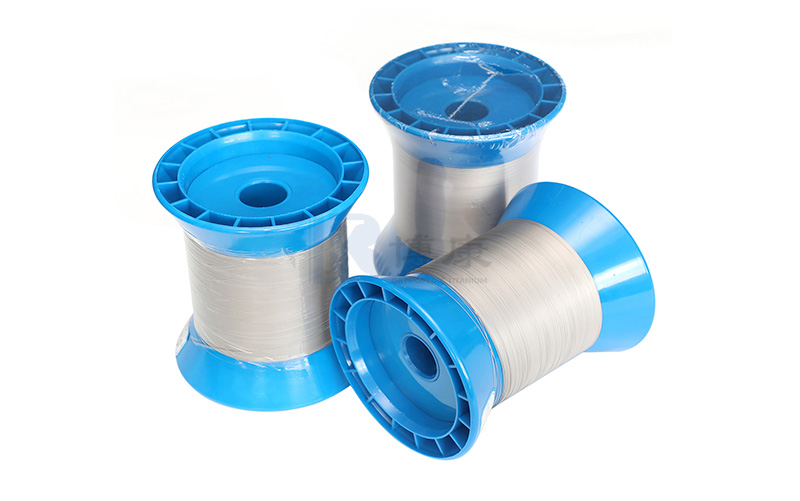
The core competitiveness of titanium wire products is not only reflected in the integrity of standardized specifications, but also in the rapid response to personalized needs. Length customization is not a simple cutting process, but a systematic adjustment throughout the entire production process. From batch planning of the drawing process, to tension control of finished product winding, to protective design of packaging and transportation, each link needs to be accurately matched with the customized length parameters.
Behind this customization capability is a deep understanding of different application scenarios. By establishing a flexible production scheduling mechanism and a strict quality traceability system, titanium wire can ensure the consistency of various performance indicators while meeting length customization, and realize the organic unity of standardized quality and personalized needs.
Material properties and application advantages of titanium wire
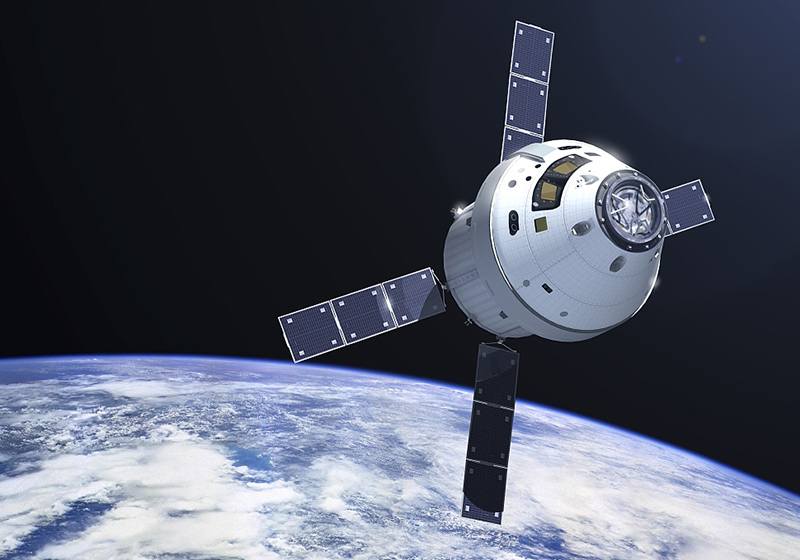
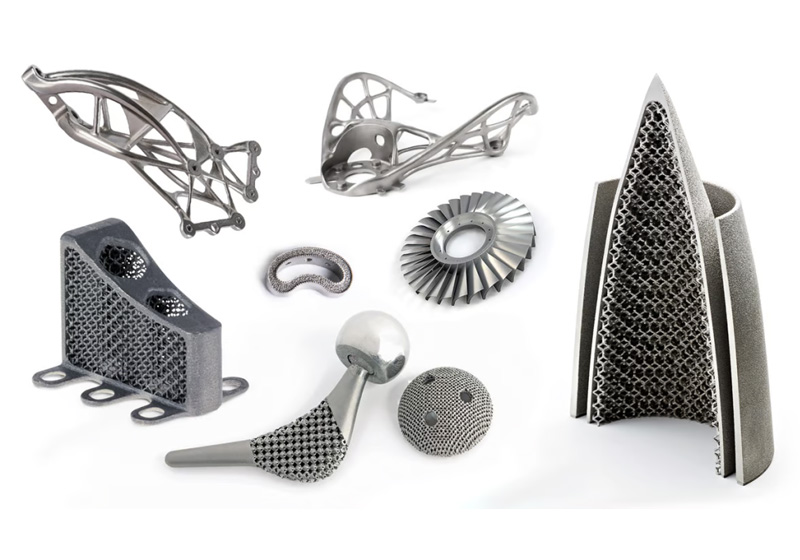
The reason why titanium wire can occupy an important position in many fields lies in the high adaptability of its material properties and application scenarios. From the perspective of physical properties, the specific strength of titanium wire is significantly better than that of most metal materials, and it can provide higher load-bearing capacity at the same weight. This feature makes it popular in fields with outstanding weight reduction needs such as aerospace; its excellent corrosion resistance enables it to resist the erosion of harsh environments such as acid, alkali, and high temperature, making it an ideal choice for chemical equipment, marine engineering and other scenarios.
In the field of biomedicine, the advantages of titanium wire are even more unique. A stable oxide film can be formed on its surface, which not only prevents the corrosion of the material itself, but also forms a good interface with human tissue. This biocompatibility avoids the common rejection reaction of traditional metal materials and provides safety for long-term implantation. The elastic modulus of titanium wire can be adjusted through the process to be close to that of human bones, reducing the bone absorption problem caused by mechanical mismatch, which is also the core reason for its wide application in the field of orthopedics and dental implants.

Copyright © 2024 Changzhou Bokang Special Material Technology Co., Ltd. All Rights Reserved.
Custom Round Pure Titanium Rod Manufacturers Privacy
 EN
EN
 English
 日本語
日本語 한국어
한국어 Español
 عربى
عربى русский
 Deutsch
 中文简体
中文简体