How to Choose the Right Grade Titanium: A Practical Guide
The Direct Answer: Matching Properties to Applications
To choose the right grade titanium, you must evaluate your project's specific requirements for strength, corrosion resistance, formability, and weldability. If your application demands high strength-to-weight ratios, choose a titanium alloy like Grade 5. If extreme corrosion resistance or formability is required in chemical environments, opt for commercially pure (CP) titanium like Grade 2 or Grade 7. Selecting the ideal grade prevents material failure and optimizes manufacturing costs.
Understanding Commercially Pure (CP) Titanium Grades
Commercially pure titanium (Grades 1 through 4) is unalloyed. These grades are differentiated primarily by their oxygen and iron content, which dictates their strength and ductility. They are highly sought after for exceptional corrosion resistance.
Grade 1: Maximum Formability
Grade 1 possesses the lowest oxygen content, making it the softest and most ductile of all titanium grades. It features a yield strength of approximately 170 MPa. It is the best choice for deep drawing and applications requiring complex shapes, such as heat exchangers and architectural cladding.
Grade 2: The Industry Workhorse
Known as the "workhorse" of the titanium industry, Grade 2 offers a perfect balance of moderate strength and excellent formability. With a yield strength of around 275 MPa, it is widely used in chemical processing, marine hardware, and desalination plants. If you are unsure which CP grade to use, Grade 2 is often the safest and most readily available starting point.
Grades 3 and 4: Higher Strength CP Options
As oxygen content increases, formability decreases but strength rises significantly. Grade 4 is the strongest of the pure grades, boasting a yield strength of 480 MPa. These grades are utilized in aerospace and medical components where high strength is necessary, but the complex alloying elements of Grade 5 are not required.
Exploring Titanium Alloys for Advanced Performance
When commercially pure titanium is not strong enough, titanium alloys introduce elements like aluminum, vanadium, and palladium to drastically alter mechanical properties.
Grade 5 (Ti-6Al-4V): The Aerospace Standard
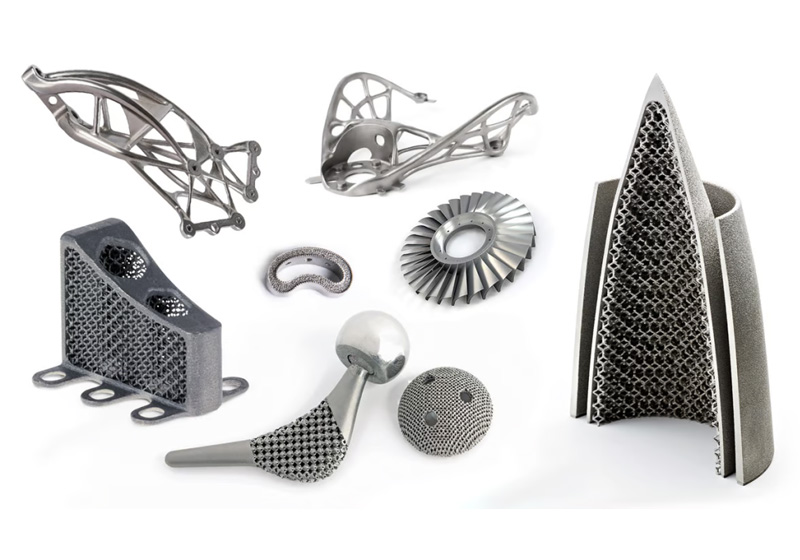
Grade 5 accounts for over 50% of the world's total titanium usage. Alloyed with 6% aluminum and 4% vanadium, it delivers an impressive yield strength of 895 MPa—significantly stronger than commercially pure titanium while retaining the same stiffness and thermal properties. It is the standard for aerospace fasteners, turbine blades, and high-performance automotive parts.
Grade 7: Supreme Corrosion Resistance
Grade 7 is mechanically identical to Grade 2 but contains a small addition of palladium (0.12% to 0.25%). This minor addition makes it the most corrosion-resistant of all titanium alloys, specifically highly resistant to crevice corrosion in acidic environments. It is essential for chemical manufacturing involving highly corrosive acids.
Grade 23 (Ti-6Al-4V ELI): The Medical Choice
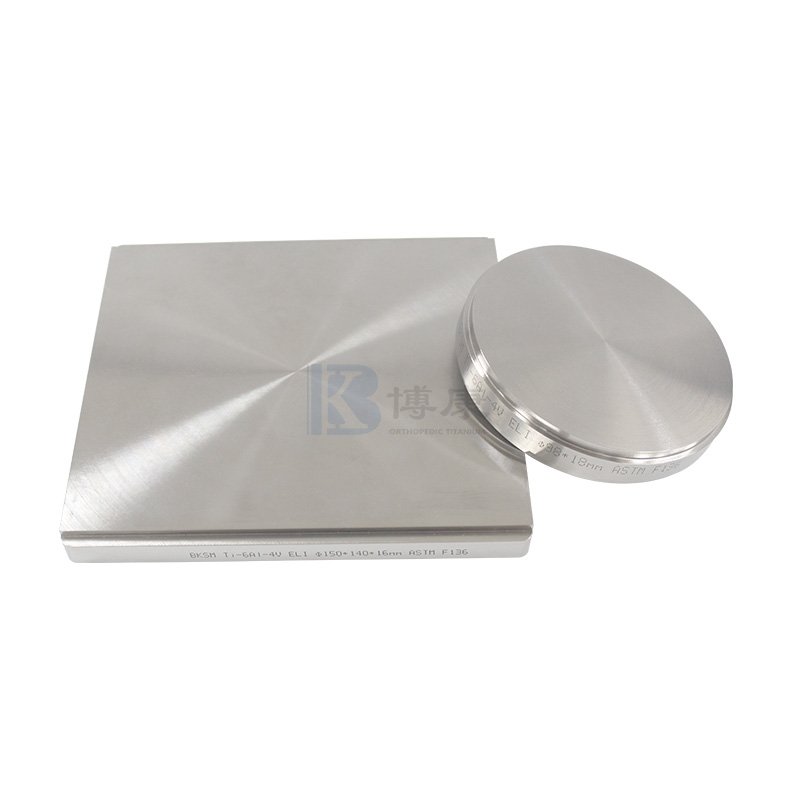
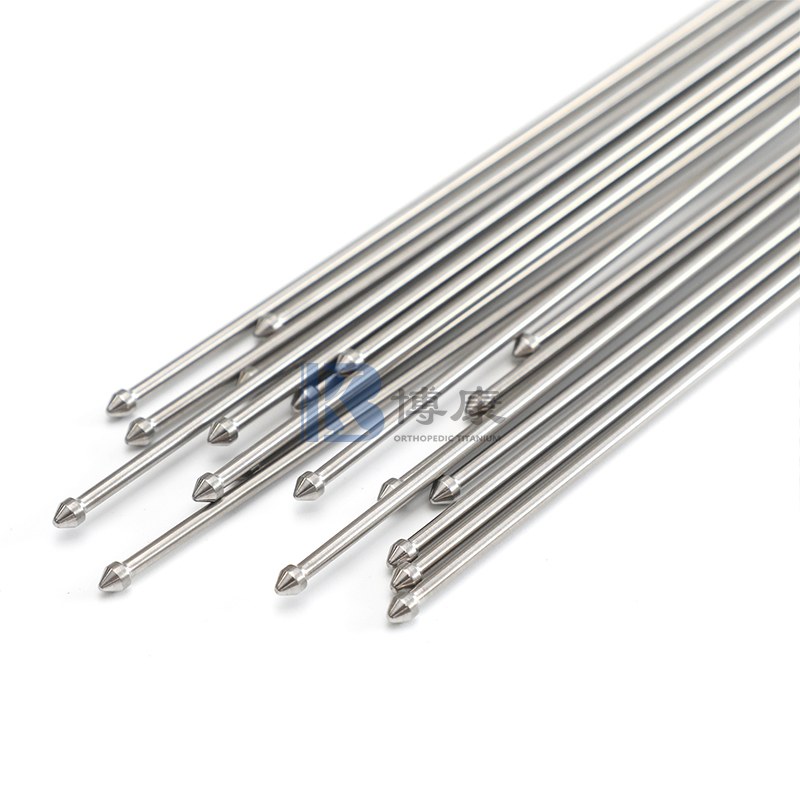
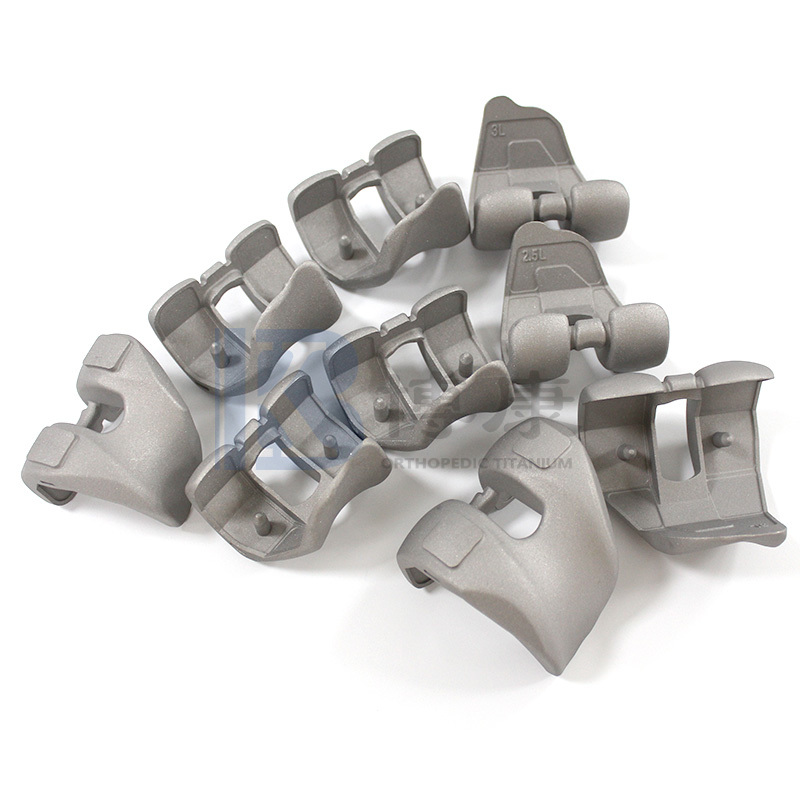
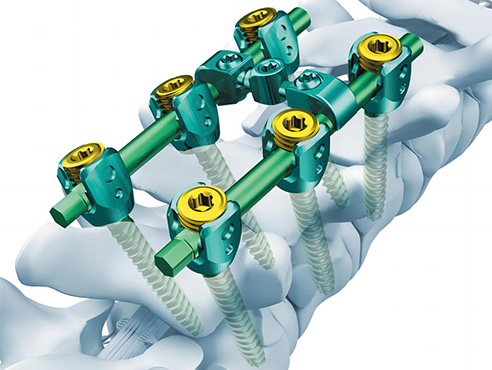
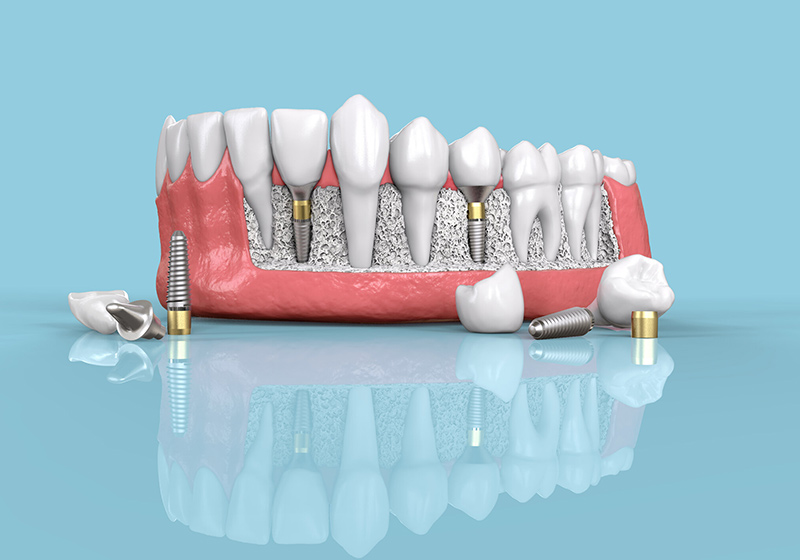
Grade 23 is a higher-purity version of Grade 5. "ELI" stands for Extra Low Interstitial, meaning it has lower limits on oxygen, carbon, and iron. This increases its damage tolerance and fatigue resistance. Because of its superior biocompatibility, it is the premier choice for surgical implants, orthopedic pins, and dental devices.
Key Criteria for Selecting Your Titanium Grade
To finalize how to choose the right grade titanium, run your project parameters through these crucial selection factors:
Evaluate the Environment: Will the metal be submerged in saltwater, exposed to chlorine, or operating at high temperatures? For aggressive chemical environments, prioritize Grades 2 or 7.
Assess the Mechanical Load: Calculate the necessary tensile and yield strength. Structural aerospace parts require Grade 5, while simple fluid piping can use Grade 2.
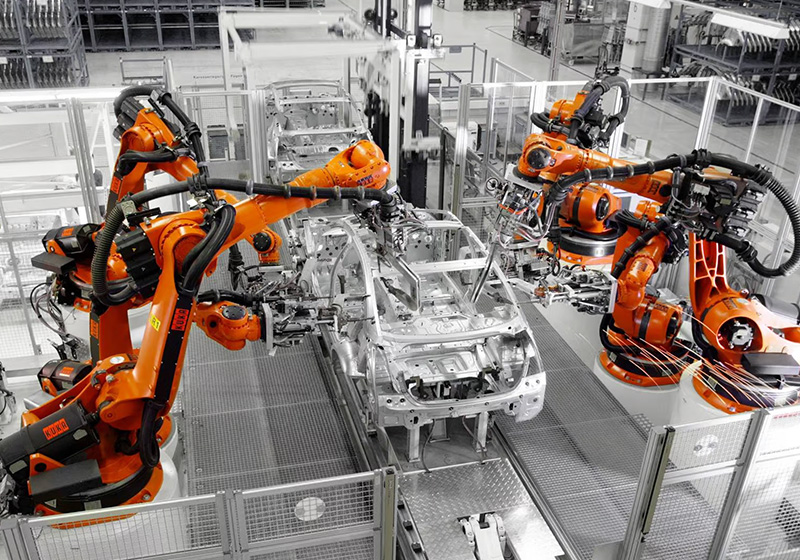
Consider Manufacturing Processes: Titanium is notoriously difficult to machine. If your design requires extensive welding or cold forming, CP grades (1 or 2) will drastically reduce manufacturing costs compared to machining Grade 5.
Titanium Grades Comparison Data
The table below illustrates the stark contrasts between the most common pure and alloyed titanium grades, aiding in a rapid assessment of their capabilities.
Table 1: Comparison of Common Titanium Grades, Strengths, and Applications

 Send Inquiry


 EN
EN
 English
 日本語
日本語 한국어
한국어 Español
 عربى
عربى русский
 Deutsch
 中文简体
中文简体