
ASTM F67 / F136 Certified Titanium Material for Orthopedic & Dental Implants And Surgical Devices High-precision CP ...
View Details1mm Titanium Sheet
Light-gauge titanium sheet offering an optimal balance of strength, formability, and weight for intricate fabrications, enclosures, and precision components.
Product Overview
Bokang's 1mm Titanium Sheet is manufactured using advanced vacuum arc remelting technology, ensuring exceptional purity and consistent mechanical properties.
1mm titanium sheet represents a versatile and commonly used thickness in the light to medium gauge range. At this dimension, the sheet retains sufficient rigidity for structural applications while being thin enough to permit significant cold forming operations such as bending, stamping, and deep drawing (especially in commercially pure grades). This makes it a preferred material for fabricating complex enclosures, brackets, shrouds, and housings where weight savings, corrosion resistance, and durability are critical.
The sheet is produced through a series of hot and cold rolling passes followed by annealing to achieve the desired mechanical properties and flatness. It is available in a variety of widths and lengths, often supplied as flat sheets or coils. Surface finishes range from mill finish (pickled) to a polished or brushed aesthetic for visible applications. The 1mm thickness is a practical standard, offering a good compromise between material cost, ease of fabrication, and final part performance in industries ranging from aerospace and chemical processing to architectural design and consumer electronics.
Technical Support & Documentation
Related Products
Explore our other high-performance materials

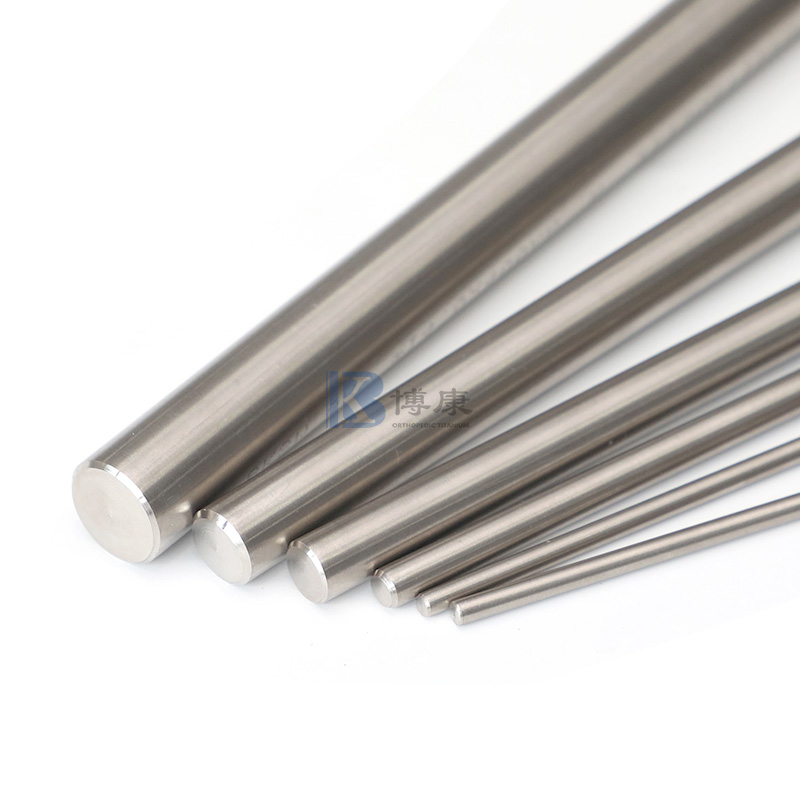
Premium Titanium Round Bars / Rods for Medical, Industrial, and Aerospace Applications Unmatched Quality & Certifica...
View Details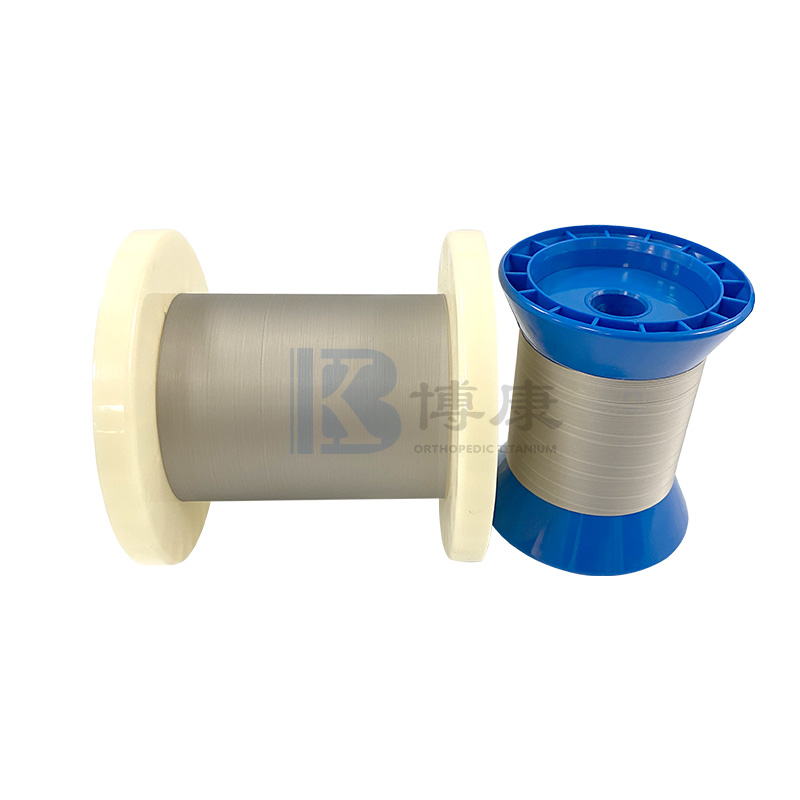
High-Purity Titanium Wire for Surgical Sutures, Staples, and Precision Medical Instruments Bokang offers premium medical...
View Details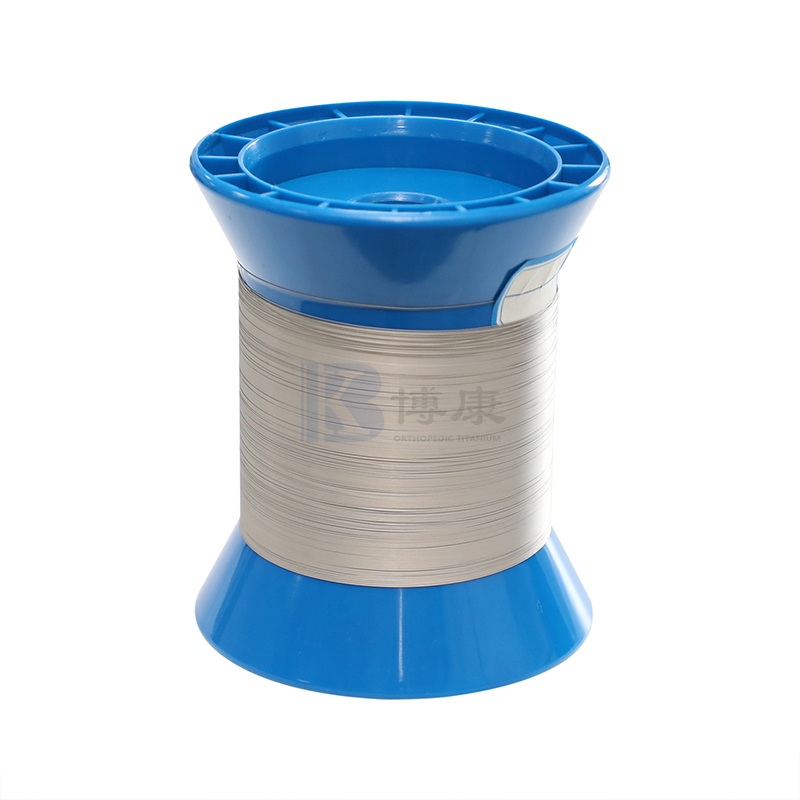
Bokang Titanium offers a wide range of high-quality titanium wires, manufactured through multiple drawing processes. Our...
View Details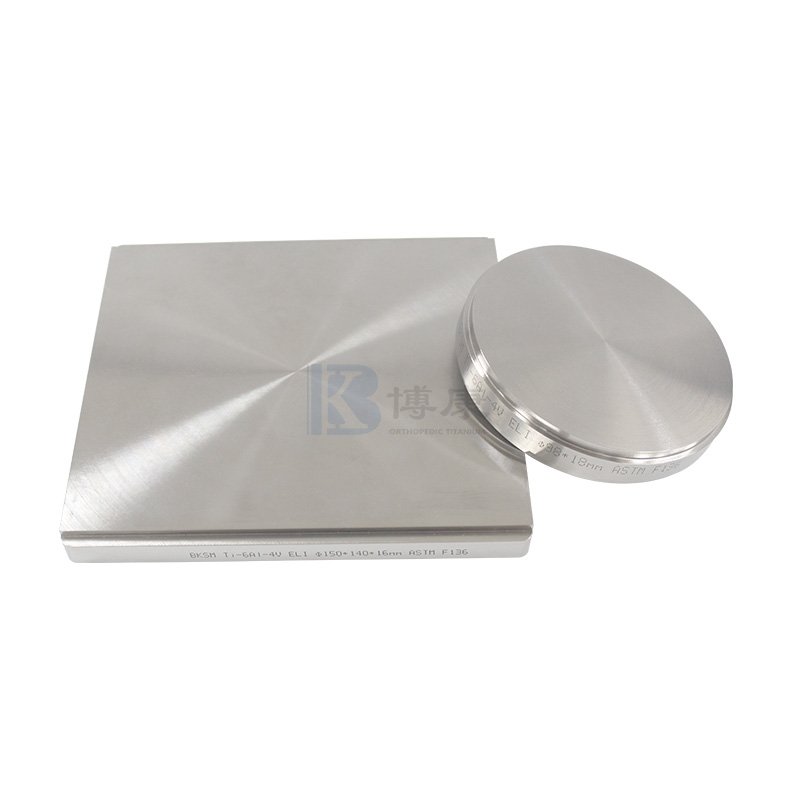
Dental Titanium Discs & Blocks – Medical Grade for CAD/CAM Milling High-quality dental titanium discs and blocks d...
View Details
Titanium Ingot (Ti Ingot) Description Our titanium ingots are made from high-purity sponge titanium and premium interme...
View DetailsTechnical Specifications
Detailed specifications for our 1mm Titanium Sheet
| Standard Thickness | 1.0 mm (0.039 inches, approx. 20 gauge) |
| Tolerance (Thickness) | Typically ±0.09 mm (±0.0035") per ASTM B265 |
| Common Sheet Sizes | 1000mm x 2000mm, 1220mm x 2440mm (4' x 8'), Custom cut sizes |
| Available Grades | CP Ti (Gr1, Gr2, Gr4), Ti-6Al-4V (Gr5), Ti-3Al-2.5V (Gr9) |
| Surface Finishes | Mill Finish (Pickled), Polished (various grits), Brushed, Satin, Embossed |
| Typical Condition | Annealed (for formability), Cold Rolled (for higher strength) |
Key Advantages of Bokang 1mm Titanium Sheet
Discover why our titanium wire stands out in the industry
Excellent Cold Forming Characteristics
Can be bent, flanged, and drawn into complex shapes without cracking, especially CP grades, reducing the need for costly hot forming or multiple parts.
High Specific Stiffness and Strength
Provides exceptional rigidity and load-bearing capacity for its weight, enabling lightweight yet robust designs compared to steel or aluminum sheet of the same thickness.
Superb Base for Surface Finishes
The smooth, uniform surface of 1mm sheet is ideal for receiving decorative finishes like anodizing, painting, or powder coating, with excellent adhesion and aesthetic results.
Material Comparison
1mm Titanium Sheet vs. Competitive Alternatives
| Feature | 1mm Titanium Sheet (Grade 2) | 1mm 304 Stainless Steel Sheet | 1mm 5052 Aluminum Sheet |
|---|---|---|---|
| Primary Fabrication Method | CNC Cutting, Brake Press Bending | Stamping, Welding, Forming | Stamping, Deep Drawing, Bending |
| Minimum Bend Radius (for 90° bend) | ~1.5t (1.5mm) for Gr2 | ~0.5t (0.5mm) | ~0.8t (0.8mm) |
| Relative Weight (for same area) | Moderate (56% of steel, 167% of Al) | Heaviest | Lightest |
| Corrosion Resistance (Seawater) | Excellent (No pitting) | Good (May pit over time) | Poor (Requires coating) |
| Typical Use Case | Chemical tank lining, Lightweight enclosures | Food processing equipment, Architectural trim | Marine components, Electronic chassis |
Applications
1mm Titanium Sheet applications across various industries
Electronics Enclosures & Heat Spreaders
- Housings for field-deployable electronics requiring EMI shielding and environmental resistance.
- Heat spreader plates for high-power LED arrays and semiconductor modules.
- Backplanes and chassis for avionics and satellite equipment.
Chemical Lining & Baffles
- Liner sheets for steel tanks and vessels containing corrosive chemicals.
- Baffles, weirs, and distributor plates within chemical process columns.
- Covers and doors for access ports on corrosive service equipment.
Art & Architectural Features
- Anodized wall panels and decorative cladding for interior and exterior use.
- Sculptural elements and public art requiring durable, maintenance-free materials.
- Custom signage and feature elements where the unique color of anodized titanium is desired.
Material Selection Guide
How to choose the right titanium wire for your application
1
Evaluate Forming Complexity vs. Strength Requirements
For parts with deep draws or complex bends, prioritize Grade 1 or 2 CP titanium. If the part is relatively flat or simply bent but requires high strength, Grade 5 may be suitable but will require larger bend radii.
2
Determine Flatness and Surface Finish Needs
For precision fabrications or visible surfaces, specify a tension leveled sheet for superior flatness. Choose a polished or brushed finish if the surface will be seen; a standard pickled finish is fine for painted or hidden surfaces.
3
Select the Appropriate Cutting Method
1mm sheet can be cleanly cut by laser, waterjet, or plasma. Laser cutting offers high precision and edge quality. For Grade 5, be aware that the heat-affected zone (HAZ) from laser cutting may be harder and require removal if the edge will be welded or heavily stressed.
4
Consider Joining Methods Early in Design
Welding 1mm sheet requires skill to avoid burn-through. Design for lap joints or use pulsed TIG. Mechanical fastening (rivets, screws) is effective but requires care to prevent galvanic corrosion with fasteners of other metals—use titanium or compatible fasteners.
Production Process & Quality Control
Our rigorous manufacturing process ensures consistent quality
Slab Reheating and Hot Rolling
A titanium slab is heated and passed through a hot rolling mill, reducing its thickness to an intermediate gauge, typically 3-5mm.
→
Pickling and Surface Conditioning
The hot-rolled coil is pickled in acid to remove thick oxide scale, then may be surface ground to ensure a defect-free base for further rolling.
→
Cold Rolling to Near-Final Gauge
The coil is cold-rolled on a tandem or reversing mill in multiple passes, with precise control, to reduce thickness close to the target 1.0mm.
→
Intermediate Annealing
The work-hardened sheet is annealed in a bell or continuous furnace under vacuum or argon to recrystallize the grain structure and restore ductility.
→
Final Cold Rolling and Finishing
A final light cold-rolling pass (skin pass) sets the exact 1.0mm thickness and imparts the desired surface finish (e.g., matte, bright).
→
Leveling, Shearing, and Inspection
The coil is tension-leveled for flatness, then sheared into sheets or slit to width. Sheets are inspected for dimensions, flatness, and surface quality.
Frequently Asked Questions
Common questions about pure titanium wire
For a 90-degree bend, the minimum inside bend radius is typically equal to the sheet thickness (1t) or slightly more. For Grade 2, you can often achieve a 1mm inside radius. Bending perpendicular to the rolling direction may allow slightly tighter radii than bending parallel to it. Always perform a test bend on a sample piece from the same batch, as factors like grain direction and temper can affect results.
Yes, both are common. Perforation is done via punching or laser cutting. Titanium's springback must be accounted for in punch and die design. Chemical etching (photochemical machining) is an excellent method for creating intricate, burr-free patterns and features in 1mm sheet without inducing stress or distortion, ideal for precision screens, filters, or decorative panels.
Material cost is 5-10x higher per square meter. Fabrication costs are also higher: cutting speeds are slower, tool wear is greater (for punching, drilling), welding requires more skill and shielding, and forming may require more powerful presses. However, for applications where titanium's properties eliminate the need for painting, coating, or frequent replacement, the total lifecycle cost can be lower.
Yes, but it requires careful technique to avoid melting through the thin sheet. Use pulsed TIG welding with the heat input carefully balanced towards the thicker section. Proper fixturing to manage heat distortion and extensive back purging are critical. For such dissimilar thickness joints, consulting with an experienced titanium welder is strongly advised.
Several methods exist: Adhesive bonding using epoxy or acrylic adhesives designed for metals. Mechanical fastening with titanium rivets (solid or blind), screws, or clinching. Brazing using specialized filler metals (e.g., silver-based) in a controlled atmosphere. The choice depends on the required joint strength, environmental exposure, and whether disassembly is needed.
Why Choose Bokang Titanium?
18+ years of experience in high-quality titanium materials
18+
Years Experience
28+
Patents & Certifications
200+
Skilled Employees
ISO 13485:2016
Medical Device Certification
Our Commitment to Quality
Changzhou Bokang Special Material Technology Co., Ltd. is Wholesale 1mm Titanium Sheet Manufacturers and Custom 1mm Titanium Sheet Suppliers. At Bokang Titanium, we adhere to the strictest quality control protocols throughout our manufacturing process. Every batch of pure titanium wire undergoes rigorous testing including dimensional verification, mechanical property testing, surface quality inspection, and chemical analysis to ensure compliance with international standards.
Our quality management system is certified to ISO 9001:2015 and ISO 13485:2016 for medical device applications, ensuring full traceability from raw material to finished product. We maintain comprehensive documentation including material certifications, test reports, and process validation records.
With 18+ years of experience in titanium material production, we have developed specialized expertise in medical-grade, aerospace-grade, and industrial-grade titanium alloys. Our products are trusted by leading medical device manufacturers, aerospace companies, and industrial clients worldwide. We offer OEM/ODM 1mm Titanium Sheet for sale.